

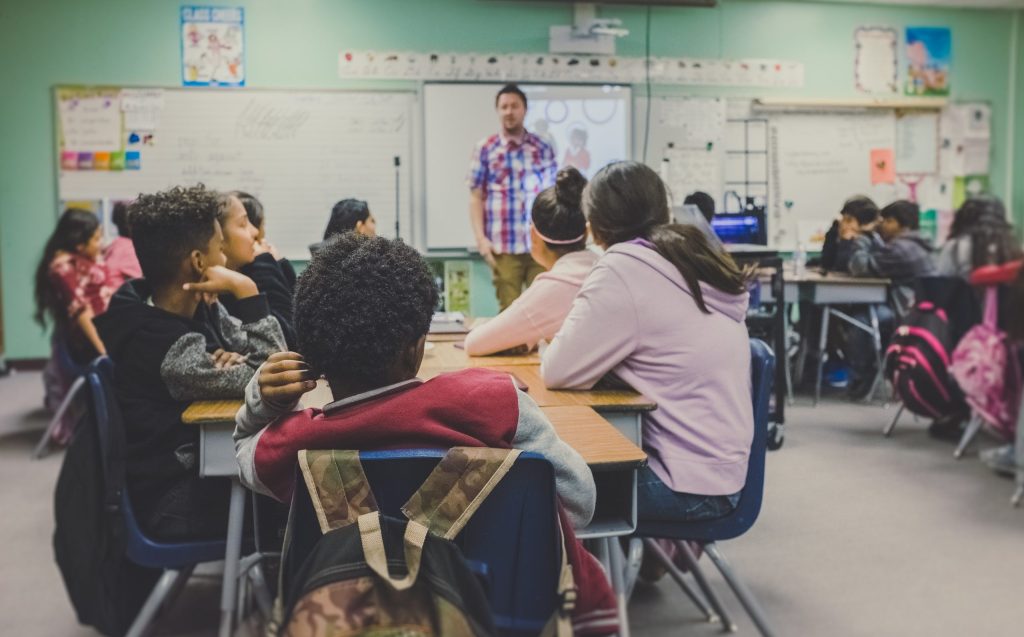
A biography is a detailed description of someone’s life written by someone else. Writing a memoir is a great way for students to practice reading and writing skills.
Biographies that are written by the subject themselves are called autobiographies.
Biographical writing is often about famous figures such as inventors, athletes, politicians, and celebrities. They are non-fiction descriptions of the subject’s life, including factual details and personal stories.
Writing a biography is a great way for children to learn information about the lives of others and gain important knowledge about historical and celebrated figures or even members of their own families. It’s also a perfect opportunity for them to practice and fine-tune their reading and writing skills.
Features of a biography
Biographies and biographical books can be written in various ways, focusing on the person’s life or specific event.
However, most biographies share common features:
- They should be factual and accurate
- They should explore some of the context of that person’s life, including their family situation, childhood, and any events that influenced them
- Explore wider context where relevant, including cultural events, political figures, and anything else that could relate to their future success or stature
- They are written in the present tense
How do Primary School Children Learn about Biographies?
Biography writing is a great way to teach children how to research, write reports and express their ideas. For this reason, biography writing is a focus in many primary school curriculums.
When writing a biography, children will learn core practical skills, such as structuring factual information into a text, and other techniques, such as lists and closing statements.
Biography writing can be a brilliantly accessible way to introduce informational texts to primary children. This is because a biography can be written about anyone that they are interested in, from historical figures to their favorite singers – even their family members. In addition, this makes the topic a fun and engaging way to practice writing reports, a skill they will continue to use throughout their schooling.
Children in middle and upper primary classes will begin to learn about biographies and biographical books by reading through photocopied texts and highlighting memoir features to show they have understood how one is out and what is included.
Writing a Good Biography
Writing a good biography takes more than just facts and figures; a memoir combines the beginning, middle, and end of a person’s story in an inspiring manner to keep readers engaged. It’s a way of bringing a person’s story to life in a book, chronicling their best story through a narrative of events that shaped their lives.
Teachers will set a task where children choose their favorite famous person and find as much information about their history as possible. A spider diagram will help children organize their notes before drafting their biographies.
Choosing an angle
Once children have gathered all the facts, it’s time to let them get creative. When writing a good biography, children should develop an ‘angle,’ something that sets their biography apart from others. The best thing for them to do is focus on a certain feature of their chosen subject.
Here are some examples:
- Sam chooses to write about the life and history of a rugby player named Ben Catchpole. He’s won many games for Australia and is well-loved by the community. However, Sam thinks the most interesting thing about Ben is that he used to be a ballet dancer. So Sam writes a great biography about the famous ballet-dancing rugby star – an interesting angle.
- Sam’s friend Kit is a big fan of famous conservationist Johnny Bundaberg. Johnny is most famous for his one-on-one charity fight with a Darwin crocodile. Johnny also has seven sisters who are all taller than him. So Sam thinks it’s a great angle to talk about how Johnny learned to fight crocodiles by practicing with his sisters as a boy.
People lead long and interesting lives with many events. Children will not be able to include all of them, so focusing on a unique angle will help them consolidate the facts and stories they have in the biography. In addition, coming up with an interesting angle means children can focus on the direction of their bio more easily, making it more interesting for the reader.
Using descriptive language
Using descriptive language when writing a biographical account sets it apart from the rest. Encourage children to draft their work and see if they can use more interesting words and adjectives in their writing to make it the best example of their skills.
For example –
- Rachel is writing about her favorite pop singer, who also collects vintage cars; she uses this sentence.
‘Billy Eyelash has seven cars; she keeps them in her garage.’
Rachel is encouraged by her teacher to use more descriptive language, and she rewrites her sentence.
‘Billy Eyelash collects beautiful vintage cars; she has seven unusual models she keeps in her enormous garage.’
After the first draft, the teacher will mark it, or there will be a peer assessment, where children swap their work and discuss improvements.
The final step includes the children writing their biographies neatly on the computer or in their handwriting. They can include titles, pictures, and captions to make their writing shine.
Resources for writing a good biography:
There are plenty of ways you can teach about biographies in the classroom.
This biography writing checklist is a handy tool that your class can use while writing and delving into the history of their subject. It lists all the features they need to include in the biographical account.
The featured person of a class biography should be a positive role model and someone who has lived a full and interesting life. For primary-level readers who are just learning how to research, it is a good idea for them to pick someone who already has a biography written about them. This will make fact-finding easier.
Older children should be encouraged to hit the books and articles that come up with the figures they would like to write about. Children will show a much more true sense of self and creative flair in their writing if they are passionate about the subject and have read a lot about them. Of course, Twinkl is always here to provide excellent examples if they struggle with a choice.
- David Attenborough
- Steve Irwin
- Ahn Do
- Roald Dahl
- Albert Einstein
- Nelson Mandela
- Captain Cook
- Cathy Freeman
- Florence Nightingale
- Frida Kahlo
- Phar Lap – because horses are people too.


