“The future of education is digital. We live in an increasingly digital world, where technology is a part of our lives in so many ways. Now more than ever, it is crucial that we incorporate digital technology into education. To prepare students for higher education and future jobs, we must ensure that they are familiar with technology. Administrators who want to prepare their K-12 school for the future of education should look at the ways they use technology in the classroom. Schools that are future-ready are those that blend technology with learning seamlessly and include technology in nearly every lesson.”
I just shared my thoughts on the future of education, but what do my peers think? To find out, we decided to produce an expert roundup on the topic of the future of education. We asked 106 education experts to answer one question: “What are your thoughts on the future of education?” In part 1 of this series, we will focus on the future of K-12.
K-12
*Numbering is for organizational purposes only and does not denote a participants rank or level of influence.
1. Tacy Towbridge
Global Lead, Education Programs, Adobe
 “As students prepare for a rapidly changing world, Adobe’s global Gen Z study reveals an increasing need for students to have opportunities to make and create. In support of this trend, we found that nine of ten Gen Z teachers see creativity as central to future careers and 93 percent of Gen Z students view technology as key to their career preparedness. We can expect to see creativity playing a central role in the classroom as educators tackle updating curriculum to align with the 21st century skills students need for future success in tomorrow’s workforce.”
Twitter: @tacytrow
2. Glenn Wiebe
Education Consultant, Essdack
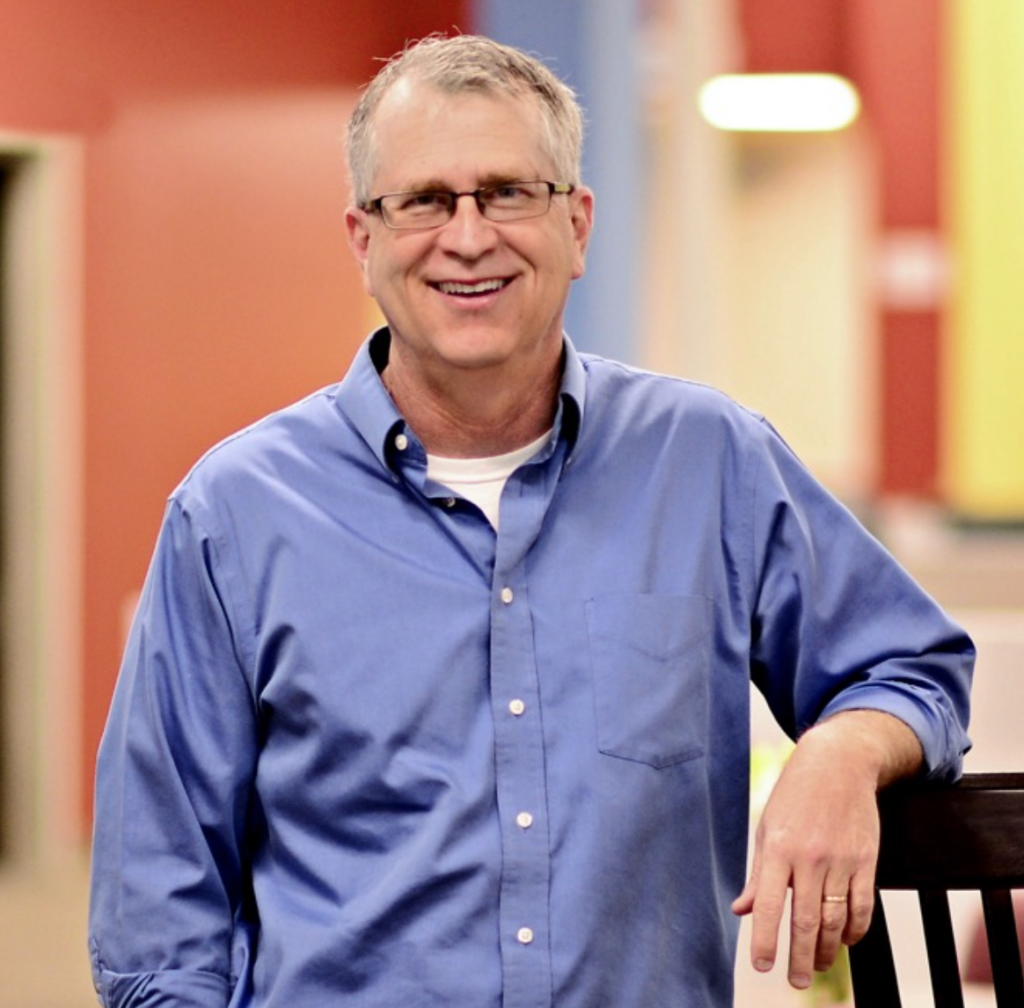 “Viewing the future of education through my lens of social studies and civic engagement, it’s clear that we’ve failed a generation by ignoring the importance of a robust K-20 social studies curriculum. We must be more intentional about creating students who are engaged, informed, and knowledgeable citizens. This will require cross-curricular problem-based learning, cross-grade level interaction, the integration of web-centric and mobile tech tools, and opportunities to address authentic local, state, and national issues.”
Twitter: @glennw98
3. Kathy Schrock, Educational Technologist
 “As education moves ahead, I am hoping to see a more personalized educational program for each student, allowing them to use the content they are required to learn in the context of pursuing their passions. If students can solve problems and create projects and products that use their passion as the basis for the assessments, I feel students will gain the love of learning we want them all to have!”
Twitter: @kathyschrock
4. Dr. Marilyn Price-Mitchell
Developmental Psychologist
Founder, Roots of Action
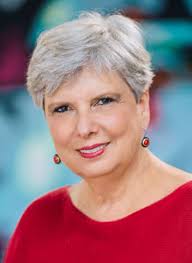 “I’m optimistic about the future of education. Why? Because each day I see new signs that teachers are applying the principles of positive youth development in their classrooms. From helping students analyze novels based on a character’s internal strengths, like integrity, curiosity, empathy, and resilience, to promoting the attributes of good citizenship, teachers are showing an increasing awareness of how cognitive, social, emotional, and physical learning are intricately intertwined. This is great news for students and for their ability to thrive in school and life.”
Twitter: @DrPriceMitchell
5. Kelly Keena, PhD.
Education Consultant, UL Xplorlabs
 “In STEM education, our efforts in schooling are to draw distinct lines from classroom experiences to what is happening in the real world. Not only does this give students a preview of future career possibilities, but it also gives the learning purpose and answers the “so what?” It’s not enough to say that we need scientists and engineers, we must show students the path and what it’s made of. This direct effort by educators will continue to make STEM learning more tangible to students.”
6. Dr. Spike Cook, Principal
Lakeside Middle School, Millville, NJ
 “The future of education is changing rapidly. There are indications and trends that lead me to believe that we will be creating more individualized learning opportunities for students through technology as well as real world experiences. When students in the future arrive at school it is going to look drastically different than today. Students will be on a course of action as they explore the many possibilities regarding their passion. Teachers will be assisting students on this journey as mentors, references, experts, and facilitators of knowledge. Although students will spend quite a bit of their day in front of screens, they will also be working collaboratively to solve problems to further their understanding of their passion.”
Twitter: @drspikecook
7. Kathi Kersznowski
Technology Integration Specialist
Washington Township Public Schools
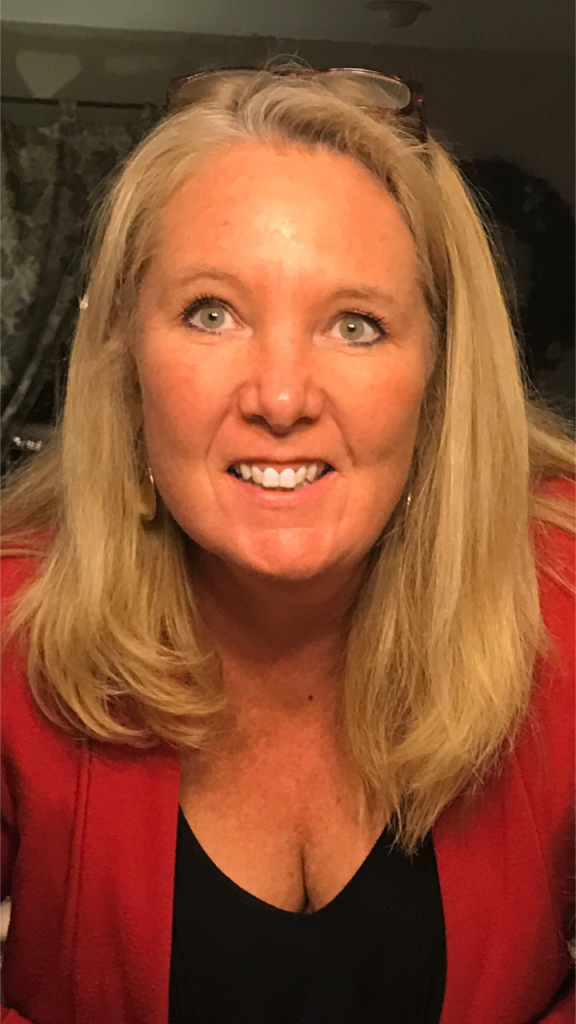 “I am profoundly enthusiastic about the future of education! I believe that our next greatest shift will emphasize what I call “facilitated choice”. Knowledgeable, future-ready teachers will craft diverse, structured and purposeful digital pathways to learning mastery. Students will be empowered to choose the resources, modalities, and strategies to learn and to demonstrate their own proficiency. As we design pedagogically sound playlists or well-planned learning menus, the teaching and learning will become more and more individualized. Gifting our students with learning options will drive self-directed learning and opportunities for creative self-expression! I’m so joyful and fortunate to be a ‘tech edvocate’ in such exciting, transformative times!”
Twitter: @kerszi
8. Alejandra Guzman
Secondary Science Strategist Los Fresnos CISD
 “Education where teachers lecture a homogeneous classroom is a memory of the past. Technology is rapidly evolving and educators must step up to transform education. Students have access to information at their fingertips. Instead of spending time teaching concepts that can be Googled, we should focus instead on meaningful lessons that will strengthen student soft skills including collaboration, problem solving, and critical
Twitter: @aguzmanscience
Blog: http://highfivescience.blogspot.com/
9. Maya Ajmera
President and CEO of Society for Science & the Public
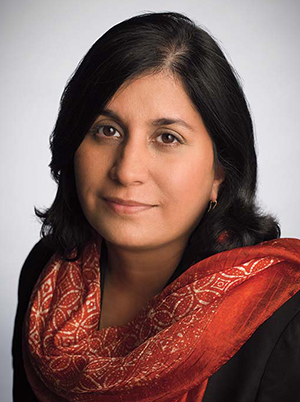 “We are at a significant crossroads in education: we are finding talented young people everywhere, but high-quality educational opportunities are not readily available. As we look to the future, education must provide all students with meaningful personalized learning experiences where students are taught by educators and mentors who enable them to think critically and become collaborative innovators. At the Society for Science & the Public, we believe science literacy and research, often accomplished via project-based learning, will play a more central role in education and preparing our students to find solutions to our world’s most pressing challenges.”
Twitter: @MayaAjmera
10. Dr. Rick L. Robins
Juab School District Superintendent
Digital Promise League of Innovative Schools
 “The future of education will rest largely in our ability to meet the economic demands of our modern global society. The education system as we know it was in large part constructed for the early Industrial Age. This meant providing a factory model of education that prepared the mass majority of our students for the assembly line. We are still struggling today to break free from this antiquated model even when we know that all industry has moved ahead in the Information Age. The future of education is found in the often referenced big four: collaboration, creativity, critical thinking, and communication. The latter skill being the most critical. To attain these outcomes for students at high levels, our best chance is to build and develop highly adaptable, flexible, and nimble models focused on personalized student pathways to success. Now more than ever, our students our counting on us to provide deep enriching relationships, networks, and the learning tools to go hand in hand.”
Twitter: @juabwasp1
11. Marcela Gómez
Mechanical Engineer, STEAM Teacher, Coach and Consultant. Teacherpreneur. Independent Researcher.
English Teacher for Middle School at Colegio de la Universidad Pontificia Bolivariana. Medellín, Colombia.
 “When I think on the future of Education, I think about movement, questions, projects and debates related to the way we are going on as a society and part of Nature. In other words, the future of Education involves the settlement of learning communities, based on competencies and impact on upcoming generations. To do so, I cannot imagine a steady state on a learning community, but lots of convective questions and possibilities that make people’s minds boil and show up brilliant, creative insights. That made me create the concept of #STEAMCulture, where all of us can rebuild new mindsets and habits, oriented to learning and improvement.”
Twitter: @MarcelaSTEAM
12. Dr. Brad Gustafson
Elementary Principal and author of “Renegade Leadership”
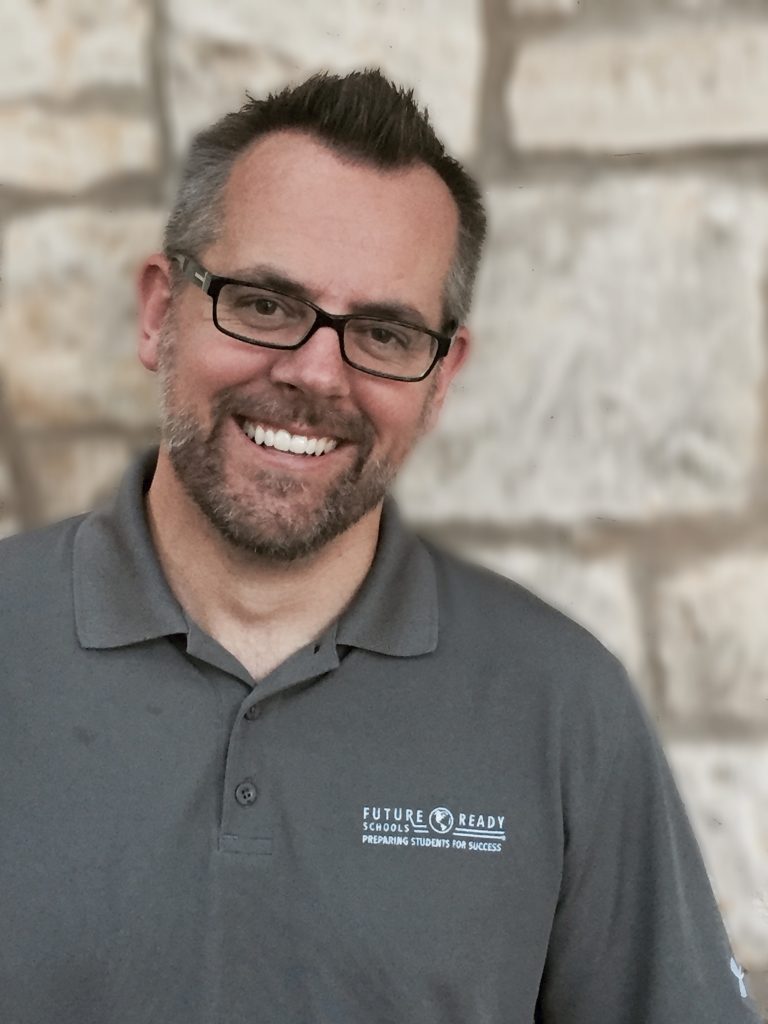 “The future of education belongs to the learner. I foresee a systemic pivot towards practices that promote educator agency and amplify student-voice. School accountability will no longer compete with student learning. Our tolerance for allowing hyper-testing to crowd out the preexisting talent each and every learner possesses will diminish. We will start seeing greatness in all its forms, and teaching the whole child will take on a new meaning.”
Twitter: @GustafsonBrad
13. Eric Cantor
CEO, New Mountain Learning
 “The future of education lies in creating innovative, engaging and real-world learning environments that address the gaps in college and career readiness. One example is to leverage emerging technologies to help students build the language, computer and financial literacy skills they need to succeed in whatever path they choose to take.”
Twitter: @emcschool
14. Jason Glass
Jeffco Public Schools
Superintendent & Chief Learner
 “This is the most exciting time to be a learner and to work in the field of education. While challenges of equity certainly still exist – never have the opportunities to learn, collaborate, share, create, and publish been democratized to so many. The challenge for our education systems is to adapt to this new reality. We must be flexible with our thinking around how we define things such as teaching, learning, school, and education. And, we must consciously work not to confine this new era to our past conceptions, but instead to embrace it with the same sense of curiosity and wonder we hope for in our learners.”
Twitter: @COJasonGlass
15. Dr. Ellen Weber
Mita International Brain Center
 “When education looks to learner potential rather than traditional practices, it lights a focused way for all to grow wonder and curiosity. We’ll activate hidden and unused intelligences, with the question, What if every student here was a genius? Interactive and brain-friendly tools enable us to hold a crown patiently over learners’ head, while they grow into unique pinnacles where they find delightful meaning.
This depends on breaking from tools and traditions that fail to fit new neural discoveries. It opens minds to the mental possibilities within all learners, so teachers also learn at times, while students also teach at times.”
Twitter: @ellenfweber
16. Sarah-Jane Thomas
Educator
 “The future of education is bright. Although there are many challenges that we are navigating, I see hope in that educators are reclaiming their voices and sharing through the power of connection. I am looking forward to seeing this increase, as the practice continues to spread and evolve.”
Twitter: @sarahdateechur
17. Matt Harris, Ed.D.
International Educational Technology Consultant
 “The future of education will pivot from content area knowledge towards skills development and personalization of learning. We will move away from high stakes assessment that information retention to tasks and collaboration. Students will learn how to learn, where to find relevant information, and attain practical experience through long term assignments. We will no longer quiz kids on cellular biology when they are becoming accountants, rather we will give tools to complete large and complex projects.”
Twitter: @mattharrisedd
18. Todd Brekhus, President of myON
 “The future of education is exciting. The next wave of products and solutions will move from “drill and kill” products labeled as personalized learning to what I call the “curiosity creation wave.” Future products will be exciting and innovative, have the ability to meet the needs of students with a variety of learning styles, give students the freedom to consume content in new ways, and provide supports to ensure learning is understood. I also look at a global education model where learning is tied to not only current events but historical and cultural realities as well. I am further excited by the idea of personalization of teaching. Teachers will curate innovative streams of rich teaching models personalized to their style and their students’ needs.”
Twitter: @ToddBrekhus
19. Jacqui Murray
Adjunct Professor/Mentor/Teacher/Author
 “The future of education is empowering students to think for themselves. We have everything we need today to turn students into critical thinkers and problem-solvers who can take on the world’s toughest problems. The only change required is in our mindset. Preparing for the future is not about collaboration or paper-free or the perfect textbook or who has the best technology. It’s about recognizing the questions and knowing how to find paths to the solution.”
Twitter: @askatechteacher
20. Jill McEldowney and Cathy Henry
Co-Founders & Creators at The Curriculum Corner
Curriculum Resource Consultants
“We are very hopeful about the future of education! Educators these days have such easy and abundant access to research and resources to help them with planning and daily instruction. Teachers understand now more than ever how important it is to inspire lifelong learning and a nation of students who are thinkers and know how to solve real-world problems. It is an exciting time to be in education!”
Twitter: @curriculumcornr
21. Joël McLean
Principal and Leadership Coach
Pedagogical Leader at CFORP (currently)

“What will education look like in 5, 10, 20 years? In a recent post by Christopher Dede in Education Week, he states that “…our children and students face a future of multiple careers, not just jobs.” This is very true. People are living longer, and as a result are working many more years during the course of their lives. For our kids today, this probably equates to having to get ready for multiple careers in their lifetime. I guess we can call it a «career of reinventing oneself. So what does that mean for our schools and the way we need to educate our kids? Here are what I think are some non-negotiables in helping our students prepare for what awaits them in the future:
- Competency based learning, not content based learning
- Developing transferable skills
- Globalization, artificial intelligence (AI), digital and media (communication)
- Deep learning (project-based learning – authentic learning opportunities)”
Twitter: @jprofNB
22. Marina Umaschi Bers, PhD.
Professor at the Eliot-Pearson Department of Child Study and Human Development at Tufts University and Co-Founder and Chief Scientist at KinderLab Robotics
 “The future of education depends on engaging our youngest learners as creators with technology. When young children develop technological fluency—an ability to express themselves with technology—they gain problem-solving strategies and cognitive skills that represent a fundamental literacy of the 21st century. Learning computational thinking and sequencing skills at this young age is a predictor for academic success in literacy and reading as well as mathematics and other STEM fields. Introducing playful learning, collaboration, and coding in education allows children to see themselves as producers rather than consumers in today’s technology-driven world.”
Twitter: @marinabers
23. Richard Lawson
Mitsui Professor of Data, Systems, and Society, Massachusetts Institute of Technology
 “The future of education: (1) It will be lifelong, not constrained to early years of life; (2) It will be more conceptual, emphasizing critical thinking skills, with less emphasis on facts (which are all on Google); (3) It will be offered by new tiered organizational structures of teachers and teaching, with many human-resources concepts borrowed from health care services; (4) It will NOT be all computer-based, especially for young learners who need extensive human mentorship; (5) It will be constantly evolving and always exciting!”
24. Matt Guyan
Solutions Developer at B Online Learning
 “Education in the future will deliver learning to people wherever they are and be available when needed and easily accessed. Education will be personalised and tailored to the current and future needs of the learner. Education won’t just be about completing courses, it will also involve collaboration and openly sharing experience so that people can learn from each other.”
Twitter: @MattGuyan
25. Dr. Stephen G. Peters
Superintendent/Author/Speaker
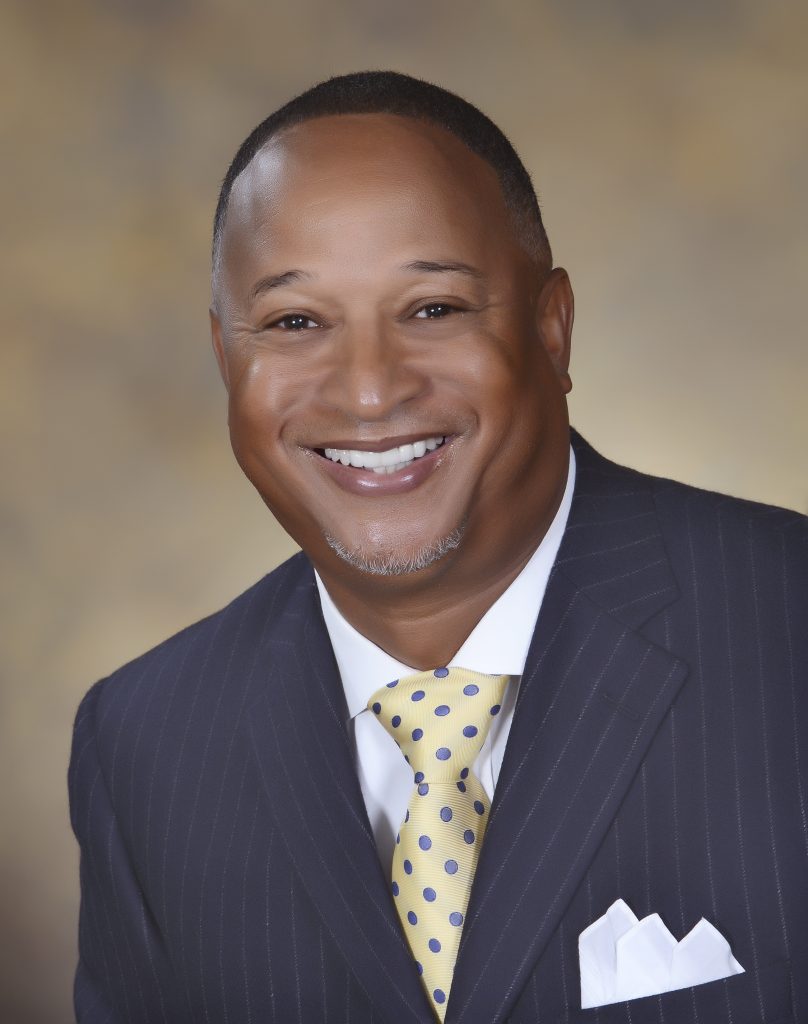 “Our education system directly affects our society, as our society affects our education system. The present status of both agencies demand change now, however, change requires us to transform, think and react differently, when it’s easier to remain the same. While some observers state, “our schools are broken,” they aren’t broken, they are operating as designed. Moreover, the organizational structures of our school systems and schools are no longer aligned to the realities our students face daily.
Leaders and teachers who share the moral imperative to replace the traditional classroom with a modern or personalized learning environment must turn away from single-point solutions; instead employ long-term, systemic solutions that help answer society’s call to produce graduates with skills to compete in the industries of our time. The future of education is in the hands of those who have the sustainable will and skill to fight the turbulent, unpredictable storm we face in our world of public education. My last breath will be spent fighting for our children to be educated at the highest levels possible.”
Twitter: @stephengpeters
26. Shantell Thaxton Berrett
Lead Professional Development and Dyslexia Specialist for Reading Horizons
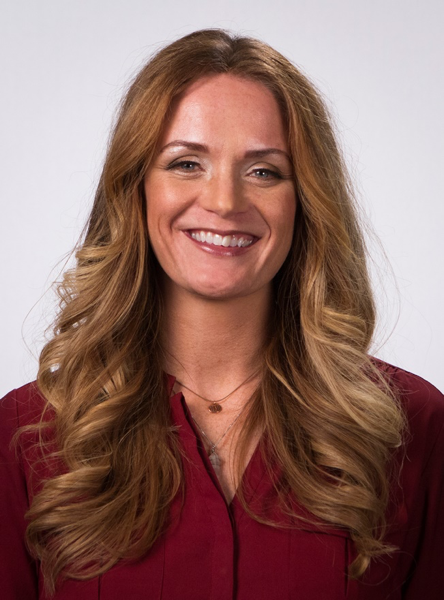 “In 2015, the Office of Special Education and Rehabilitative Services created a policy identifying dyslexia, dysgraphia, and dyscalculia as specific language disabilities. Today, 39 states have statewide dyslexia laws, and many others have handbooks or resource guides. For teachers to support dyslexic students, they need in-depth professional development on teaching core reading skills, including phonological awareness, decoding, an understanding of structured language, and literacy in general. With the recognition of dyslexia as a language disability, I believe we will see more schools providing professional development in this area.”
Twitter: @ReadingHorizons
27. Jason Stricker, CEO, Insight Education Group
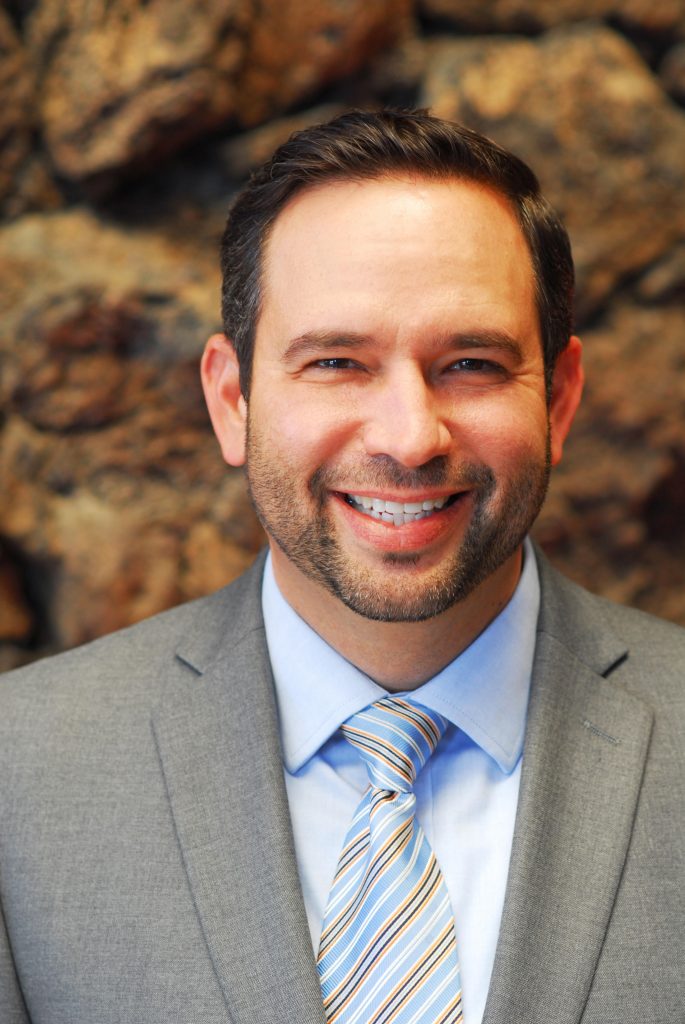 “In the U.S., 46% of districts have fewer than 1,000 students and one-third of all public schools are located in rural areas. While many of these smaller school districts face the same challenges as larger school systems, they often lack the infrastructure and supports of larger districts. Educators in these districts often experience “professional isolation” making it hard to gain traction with the greatest school-related influencers on student achievement: the recruitment, development, and retention of teachers, teacher leaders, and principals. At Insight, we believe that the future of education lies in networked improvement communities whereby teachers and school leaders, especially in small districts and rural areas, can participate in “cross-school collaboration” with a broader network of peers for meaningful, job-specific collaboration for school improvement. These networks offer the promise of providing the professional support and growth educators need and want“
Twitter: @StricktlyJason
28. Greg Firn, Chief Operating Officer at RoboKind
 “The future of education is summed up in two words, “renaissance” and “coherence.” Education will experience a renaissance, a “rebirth” of the “love of learning” underpinned by authentic access and opportunity for each learner to construct, apply, and demonstrate their learning that is meaningful, relevant, and timely—not according to antiquated instructional calendars or age-based grade configurations. The process and the product of learning will be equals in import, value, and worth. This unprecedented coherence of education will benefit individuals, communities, and states—and our nation will benefit, at last, from the promises and best hopes of “an educated citizenry.”
29. Michael Moody
Founder and CEO of Insight ADVANCE
 “The future of education depends upon supporting teachers to ensure they’re at the top of their game. Rather than pretending that the status quo is working, we must engage in more effective support practices, such as instructional coaching, to empower teachers to reflect upon their practice and make the improvements needed to ensure that all students are achieving. Leaders should be considering how they are designing and implementing systems that will actually improve practice. This means not only supporting teachers, but also focusing on developing those in support positions, such as school leaders and instructional coaches. Despite the many initiatives aimed at improving outcomes, nothing will ever replace the impact of a great teacher.”
Twitter: @DrMichaelMoody
30. Tara Garcia Mathewson
Staff Writer, The Hechinger Report
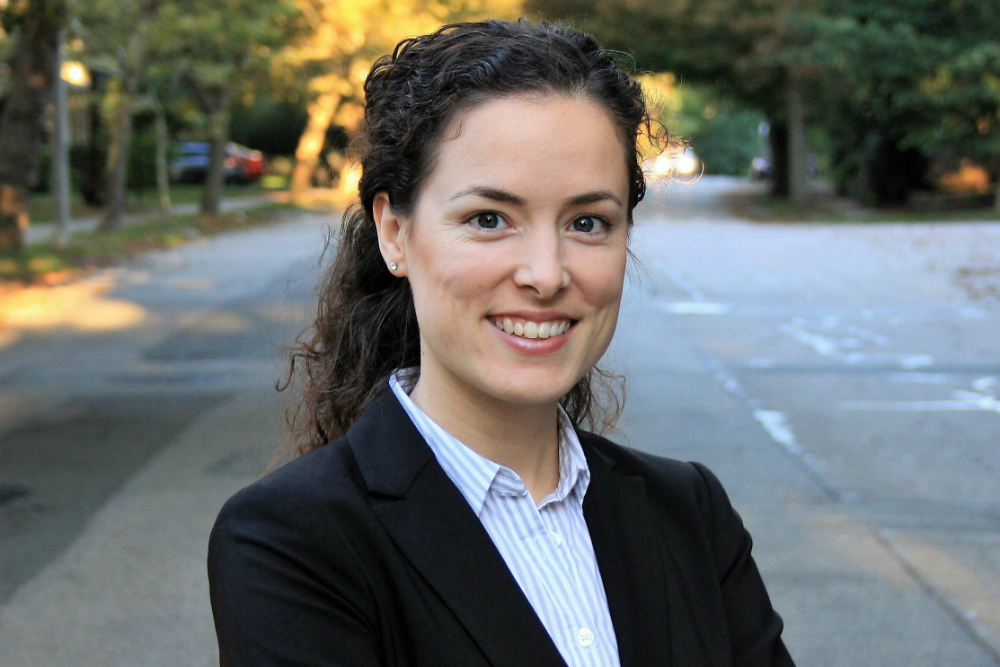 “The future of education will be defined by schools’ increased responsibility. While schools long got a pass for properly educating only a sliver of the population, they are now widely expected to succeed with all students and prepare everyone for both college and middle-class careers. In response, schools will continue finding innovative ways to accomplish a much more ambitious mission. Among them: offering holistic supports to meet the non-academic needs of students, personalizing instruction to address achievement gaps, forging external partnerships to get students early college and career experience and using technology to create new efficiencies in teaching and learning.”
Twitter: @TaraGarciaM
31. Heath Morrison
President of McGraw-Hill Education’s School Group
 “As we look at the future of education and how we can make a positive, meaningful impact for students, we have to address equity in education. It is imperative that we create the right conditions that will lead to equitable learning outcomes for all students – regardless of income, race or other factors. Across the education industry, we need to work together to create more partnerships and develop multi-faceted strategies that will remove barriers to success, improve struggling schools and help educators provide students with the opportunities and resources that they need to succeed, both in and out of the classroom.”
Twitter: @mheducation
32. Michael Cohen; The Tech Rabbi
Innovate Learning Consultant and Speaker
 “I see education, as the last industry to avoid disruption and evolution at the hands of the internet and technology. The internet has completely democratized access to knowledge, resources, and most of all to people. While education continues to focus on rote memorization and standardized assessments, anyone with an internet connection can take an online course, connect with experts, and develop valuable skills for the #FutureofWork. While many are excited about AR, VR, AI and other emerging technologies, I am fascinated at how students can leverage the internet and social media to succeed in professions they’re passionate about.”
Twitter: @TheTechRabbi
33. Meredith May
Director of Marketing, Turnitin
 “Today’s cultural climate has revealed that conducting oneself with honor and integrity is more important–and visible–than ever before. Integrity is a learned virtue, and schools of the future will be responsible for teaching it. Tools and policies that support education with integrity will be essential components of preparing students to be contributing members of society in school and beyond.”
Twitter: @Turnitin
34. Douglas A. Levin
President, EdTech Strategies, LLC.
 “For those with the motivation and means, the future of learning will be more open, more authentic, and more collaborative than ever. For those who are marginalized, the future is less certain. One key will be how technology is used to advance learning in and out of school. Will it empower students to think critically about their place in the world and how they can contribute? Or, will it be used to control their attention, behavior, and interests? The collective voice of educators has never been more important in determining which future of education we are creating and for whom.”
Twitter: @douglevin
35. Caroline Fahmy
President and CEO of Educational Data Systems
 “If I were to put my money on the future of education, I would put it all on supporting the quality of people—school leaders and teachers. New technologies, artificial intelligence, assessment for accountability, data dashboards, charter schools, and other developments are important to the educational machine.
But, students will need school leaders who are capable of managing, evaluating, and supporting staff and who uphold effective pedagogy. And, they will need teachers who mentor other teachers and collaborate; who can effectively manage a classroom; and who have enthusiasm and interest in making sure all students receive everything they need to be successful.”
36. Michele L. Haiken, Ed.D., Educator and Author
Rye Middle School & Manhattanville College
 “Personalized learning experiences for teachers and students continues in the near future for education. Helping all students succeed and reach excellence is our mission. What we define as success and excellence continues to evolve so that our students are critical thinkers, problem solvers, collaborators, and active learners. As schools are rethinking the idea of space and the learning landscape of education, the physical space of schools will take on new shapes and forms. Technology and digital literacy is embedded throughout blended learning experiences to help students and teachers work smarter.”
Twitter: @teachingfactor
37. Bryan Bigari, Fractus Learning
 “We can’t keep teaching students to prepare them for a 20th century world that has long-gone by. If you believe as I do that education’s true purpose is to prepare students to be happy, productive fulfilled adults – then our curriculum and teaching styles need to reflect that reality. I doubt very few would design the current education system if given a black slate and told to prepare students to build and work in the world of 2025 or 2030.
We finally have the ability using technology to reach each child at their individual skill level, learning speed, and learning style. We should do that. I’m not saying it’s easy, and it’ll take a lot of trust and work by all players. The reality is though, it’s too important not to try.”
Twitter: @fractuslearning
38. Dr. Alfred Boyd
Professor of Education, Mississippi Valley State University and Edtech Entrepreneur
 “The future of edcation in America is accelerated. There will be universal preschool, and it will be accelerated. Preschool students will move beyond learning colors and numbers will to learning number operations and algebraic concepts– from learning to write their names to learning to write narratives. This Universal Preschool will allow students in Elementary school to complete some objectives of students who are in middle school in 2017. By the time that students in the future have completed 9th grade, they will have completed most of their major high school coursework. Which will allow high school students to choose a diploma track, i.e., STEM, vocational, or postsecondary, with a 12th-grade apprenticeship. The majority of high school curriculum will be based on diploma track that the students have chosen. Thereby, giving the USA a pool of workers who are ready, willing, and trained to work.”
Twitter: @DR_SIPPI
39. Kaliris Y. Salas-Ramirez, PhD
Assistant Medical Professor
The Sophie Davis Program of Biomedical Education, CUNY School of Medicine
Department of Cellular, Molecular and Biomedical Science
 “As a parent, activist, and educator, I am frightened about the future of education from kindergarten through higher education. Although everyday I witness extraordinary educators and the amazing work being done in classrooms to provide all students with a holistic educational experience, most institutions compromise socioemotional and culturally competent practices in classrooms for what are considered “standards”. Educators psychologists, scientists and physicians should come together to develop curricula and policies that support all students. We need to stop selling students off to the biggest corporate bidder! We must replace archaic assessments and standards with humanity, democracy and equity for progress.”
Twitter: @SaveCPE1
40. Ai Zhang, Ph.D
Associate Professor at Stockton University, New Jersey, US; and independent digital pedagogy consultant
 “I envision the future of education as one hyper-connected classroom that prioritizes open-sharing and collaborative learning. Teachers become facilitators of knowledge and co-creators of content together with the students and the broader academic and professional communities. This classroom has no walls that separate classes or subjects from one another— students work together holistically on projects, exercising self-agency, self-directed and self-paced learning; and collaborating with teachers and industry professionals to solve problems across a wide range of disciplines and skills. This open classroom leverages the power of technology to amplify one teacher or class’ voice to a national and global level.”
Twitter: @AiAddysonZhang
41. Elisabeth Bostwick, Teacher and Speaker
 “Imagine learners jubilantly bounding into school to greet their peers and learning coaches. Perhaps upon arrival, they engage in an exploration of their choice, based on their passions and are immersed in the wonder and awe of natural phenomena. For example, there may be options that include maker education, art exploration, research opportunities, the continuation of projects being created to demonstrate learning, and more! As teachers craft opportunities for students to be self-initiated learners, student agency will develop. I envision that in the future of education, educators will become increasingly intentional about developing a deep sense of community, where stakeholders actively engage in the school setting by bridging the connection between school and work opportunities. The goal of this would be to support learners in identifying their passions which in turn, will empower them to recognize and follow their calling, leading to a lifetime of fulfillment. I believe that the future of education will place a greater emphasis on fostering divergent over convergent thinking by providing opportunities for students to imagine, ask questions, construct prototypes, retool, and share to an authentic audience. Together, let’s ignite a culture of innovation as we move forward to the future of education!”
Twitter: @ElisaBostwick
42. Randy Ziegenfuss, Ed.D.
Superintendent, Salisbury Township School District (PA)
 “It is a very exciting time to be in K12 education! It’s also a bit frightening to think about the world that our youngest learners will be entering in the decade of the 2030s. Are we focusing on the “right things”? While nobody has a crystal ball and can predict what will be, we can shift our ways of thinking about school and education from a paradigm that is school-centered to one that is learner-centered, reflecting the hyper-personalized world we live in. If we can provide our learners with the ability to be expert learners for life, we will have done our work well. The future of education is promising, and the exciting work of today is helping stakeholders, educators and learners understand the need for change now that will prepare the way for a future of constant learning.”
Twitter: @ziegeran
43. Dr. Shelly Vohra (Instructional Coach and Online Instructor)
 “The future of education will see students learning in a blended self-paced format, where learning is personalized with no formal curriculum. Learners will be able to work in different places at different times, making connections globally, and working collaboratively to meet their goals and at the same time developing their human literacy skills. Assessment and evaluation will consist of field experiences, internships, and collaborative projects so that students can develop skills related to their career aspirations. Educators will serve as mentors and guides, providing students with face to face opportunities in which to discuss and consolidate their learning.”
Twitter: @raspberryberet3
44. Bashaer Mohammed Al Kilani
Lecturer, Author, Speaker
 “The rise of the innovation era has redefined the key skills that individuals nowadays need to be productive contributors to the society and the economy. To begin with, individuals, in an innovative context, need to have the aptitude to gain knowledge and the competence to develop new skills throughout their lives. Secondly, schools should radically transform their curricula, instruction, and assessment to become innovation learning hubs; this can be made easier with the aid of technology, which would be a major altering factor in this transformation. Embracing a decentralized curriculum will encourage creativity in schools; also, it will aid in the building of a dynamic personalized learning plan for each learner.
Twitter: @bashaierk
45. Samantha-Kaye Johnston
Curtin University and Founder of Project Capability
 “Globally, 103 million children lack efficient reading skills. Dyslexia, which affects approximately 10 % of the population, is a primary cause of inefficient reading. The 2030 Sustainability Agenda explains that greater steps should be taken to heighten the presence, participation, and achievement of marginalized groups within the education system. Broadly, the current education system is failing to provide such equality for children with dyslexia. Consequently, the future of education requires a re-evaluation of its teaching and assessment strategies. Additionally, greater priority needs to be placed on funding more robust reading research aimed at identifying interventions for the problem of disordered reading.”
Twitter: @IAMSAMKJ
46. Jon Samuelson
Innovation Strategist, Beaverton School District
 “We need site and district based leaders that are willing to make bold changes in education, not go with the status quo. Education is too dependent on test scores to prove how students are learning, or to measure teacher success. Leaders that allow teachers, and students, to be creative are rare. Teachers need to have freedom to allow student choice and different types of assessment. Students need to collaborate on projects that involve soft skills like creativity, critical thinking, and global awareness to be successful. Leaders need to take the focus off test scores and focus on facilitating learning outcomes.”
Twitter: @jonsamuelson
47. Marlena Gross-Taylor, Founder EduGladiators
 “What if there’s a place, a secret place where nothing is impossible? A miraculous place where you could actually change the world. You wanna go?” ~Tomorrowland, 2015
“A couple of years ago, I had the pleasure of watching a movie that continues to inspire me – Tomorrowland. When I think about the quote from the movie, the answer is crystal clear. To me, this wonderful, secret place isn’t such a secret. Isn’t this the purpose of school?
The shift of education must return wholeheartedly to authentic learning for students and meaningful professional development for teachers and leaders supporting innovation and creativity. The workforce our students will be entering will consist of jobs that haven’t been created yet. We must align our lessons, resources & vision on preparing our students for the 21st century?
As educators, we must recommit ourselves & embrace a new era of leadership, engagement & advocacy focused on what is best for students and create experiences that foster a love for learning and ingenuity. Classrooms are the perfect forum to develop future game-changers, a growth mindset & understanding that mistakes are just an opportunity for continuous growth. School most remain a viable experience for students in a modern world…in a new era.”
Twitter: @mgrosstaylor
48. Christopher J. Hall
Interim President, Denmark Technical College (Denmark, South Carolina)
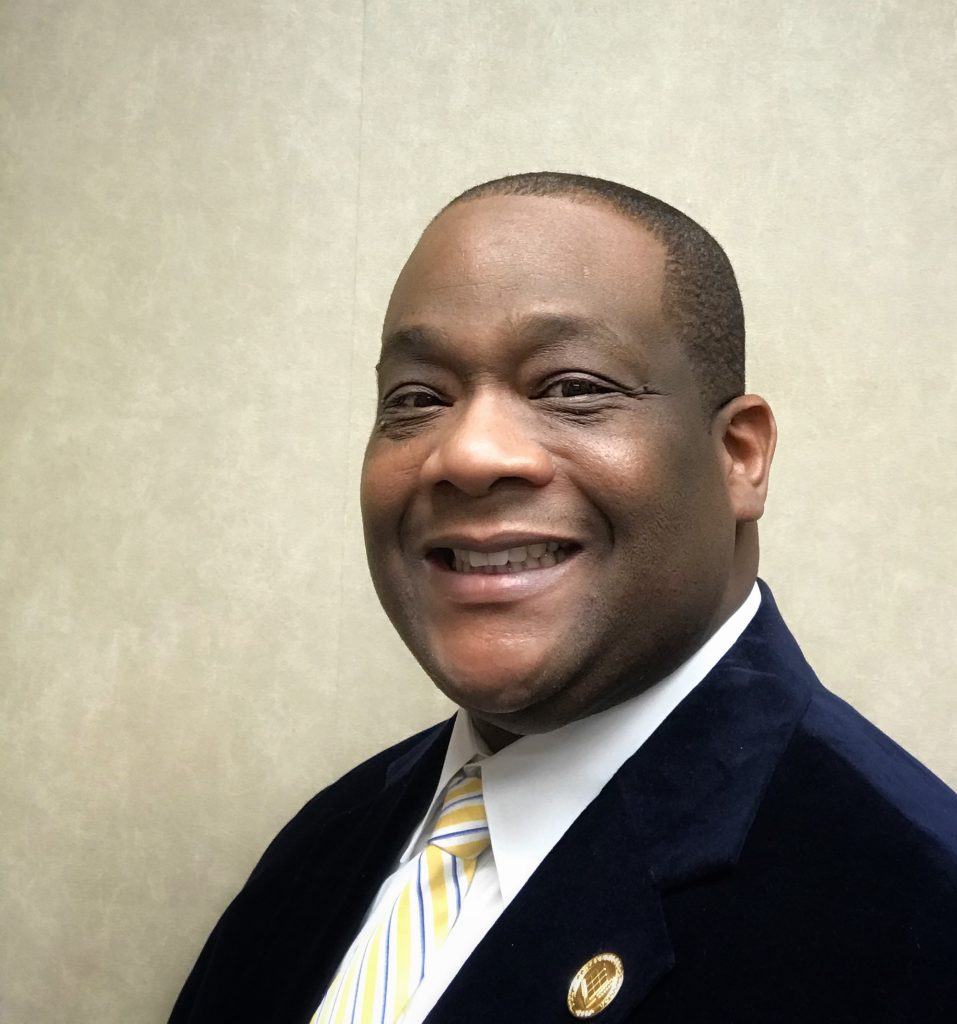 “Education is a crossroads. Those who are responsible for moving formal education forward will determine its future. These educators have some directions from which to choose. One path is to continue with traditional lecturing, where the teacher stands before the class and spouts knowledge. The next path is embracing technology and using it deliver knowledge to the students. Though technology has continued to grow and evolve, its use in education has not kept pace.
The future of education is rooted in how knowledge will be delivered to the learner. For Education to have a viable future, technology has to be integrated from the creation to the dissemination of knowledge. “
Twitter: @ChrisJHallSC
49. Michele Pitman, founder and CEO of intelliVOL, developers of x2VOL
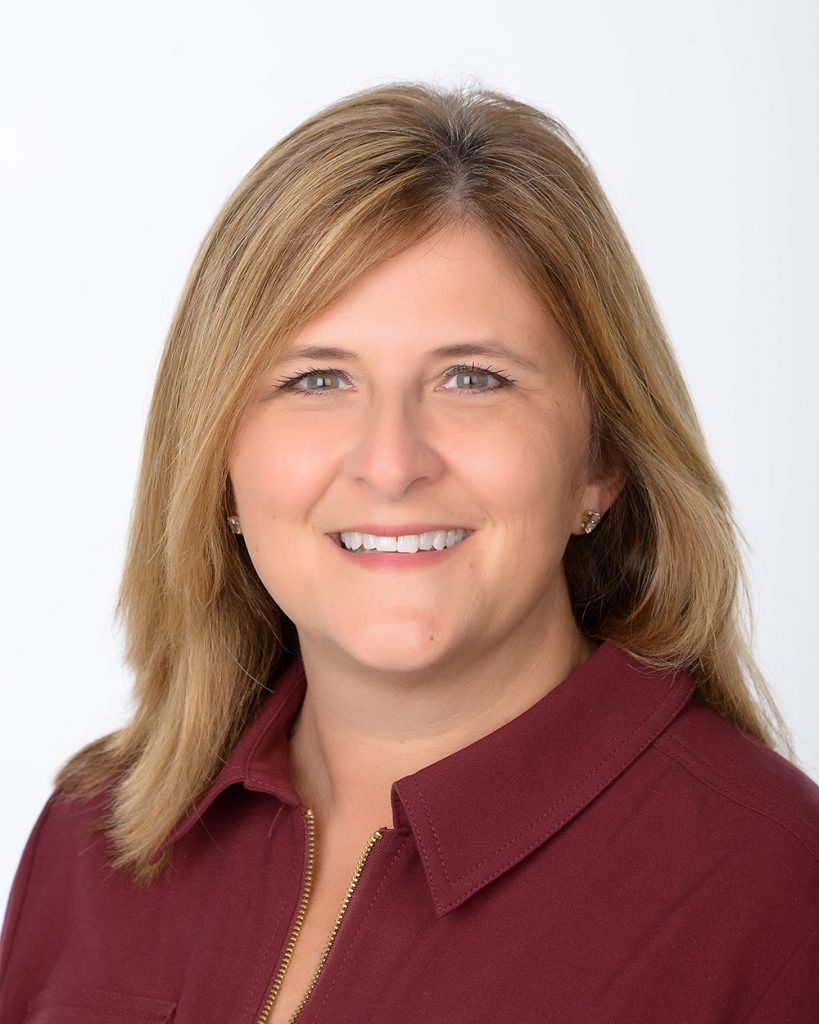 “Community service is going to become a quantitative measure just like a student’s GPA. It is also going to become a category of the “Best” school measures of the major news publications that rank schools around the country. Community service and other forms of internships will become so fundamental to the way we teach (and increasingly critical measures for getting into college) that these publications will have to start ranking schools for the amount of opportunities they offer and student participation. – Michele Pitman, founder and CEO of intelliVOL, developers of x2VOL.”
Twitter: @x2VOL
50. Dr. Courtney Pepe
Kean University
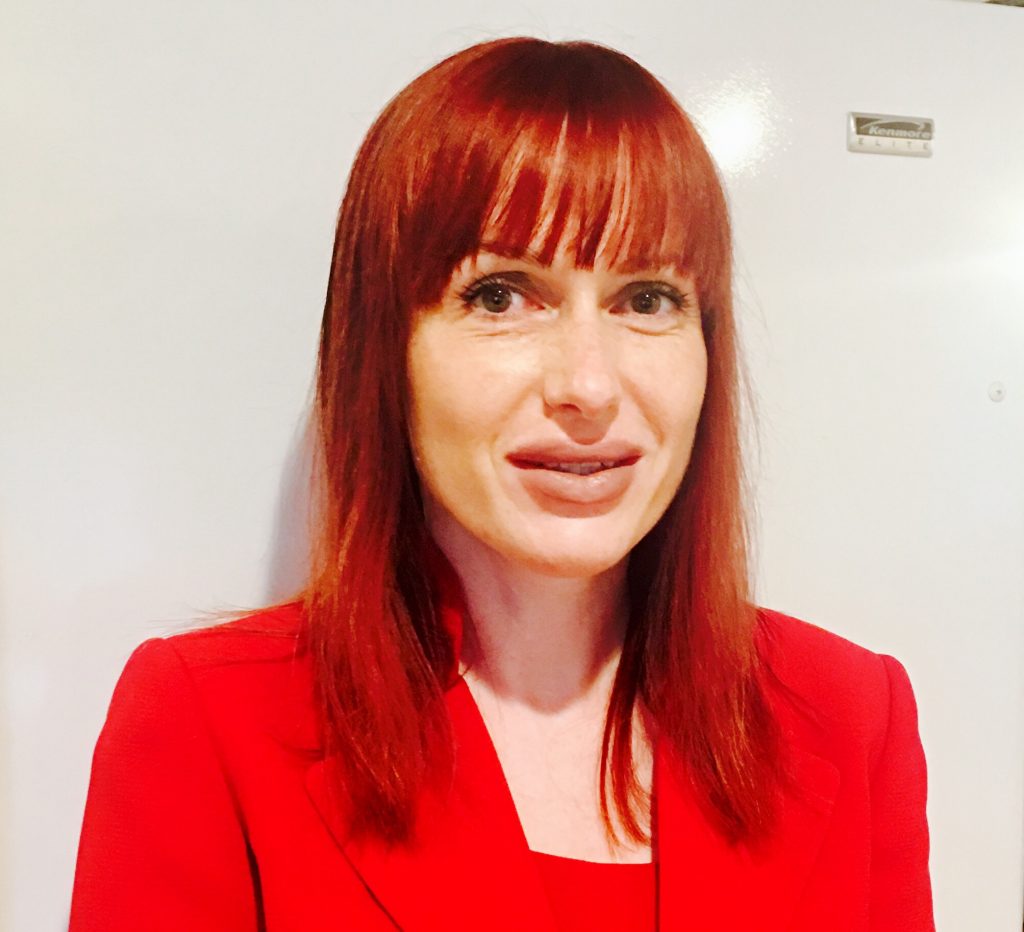 “The future of education will be influenced by curriculum, assessment data, and educational technology. We must consider the frameworks of Charlotte Danielson, Les Vygotsky, Ben Bloom, and Dr. Ruben Puentedura as we curate unique learning experiences for Generation Z. We must always remember the needs of our population sub-groups (special education and bilingual learners) when we design 21st century learning experiences. We must analyze data to make future educational decisions. In this analysis, it is important to measure: the power of perseverance, cognitive engagement, and student growth both qualitatively and quantitatively.”
51. Philip D. Lanoue, Ph.D.
PDL Consultants
 “Let’s start with the new beliefs which are the core of change if schools are going to prepare ALL students to be successful in their world, tomorrow. We will make the changes necessary when the adults realize digital learning environments:
- Close the achievement gap through 24/7 digital access;
- Place students at the center of learning to make it personal;
- Expand traditional school boundaries using digital space;
- Change instructional design to support the new core skills of collaboration, communication, problem solving, synthesis, and research.
Are you ready to engage in the conversations needed to embrace these new beliefs and changes?”
Twitter: @pdlconsultants
52. Jerry Burch
Deputy Superintendent, Woodward Public Schools
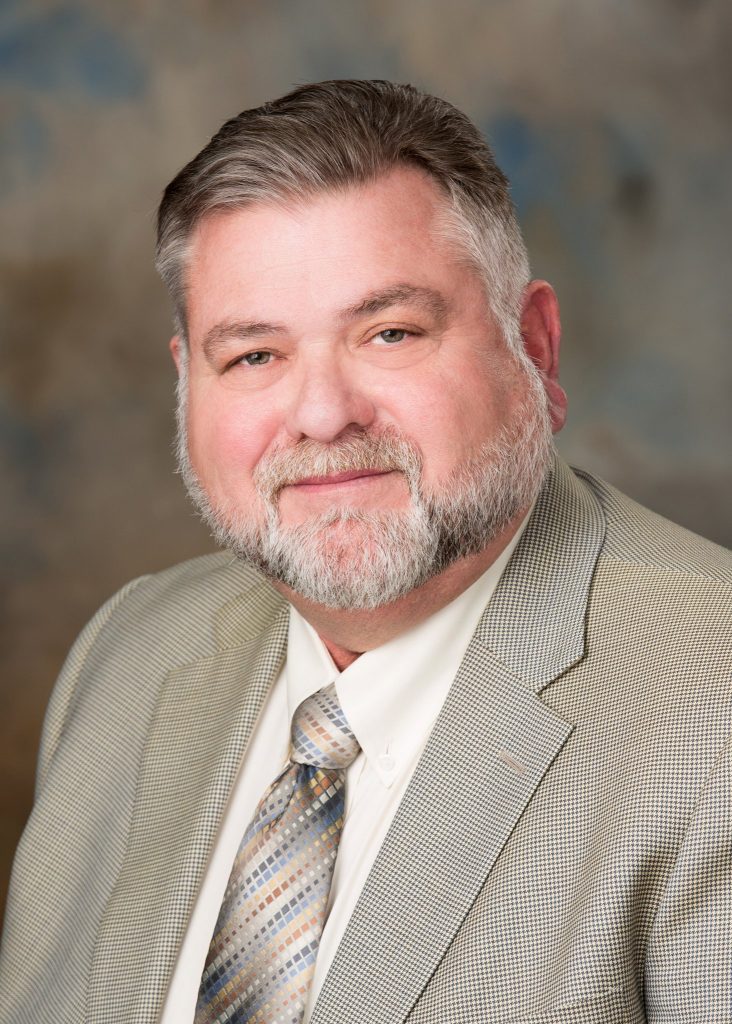 “I have great concern about the future of public education. It seems that we are under attack from several that see public education as a failure. It seems to me that our democracy is also under that same attack. Our democracy is founded on and will only continue if we have a well informed and educated populous. We have been engaged in school improvement and accountability for more than two decades.”
Twitter: @jeburch1
53. Peter Hostrawser
Founder & Chairman – OPRF School of Business
Blogger – Disrupt Education
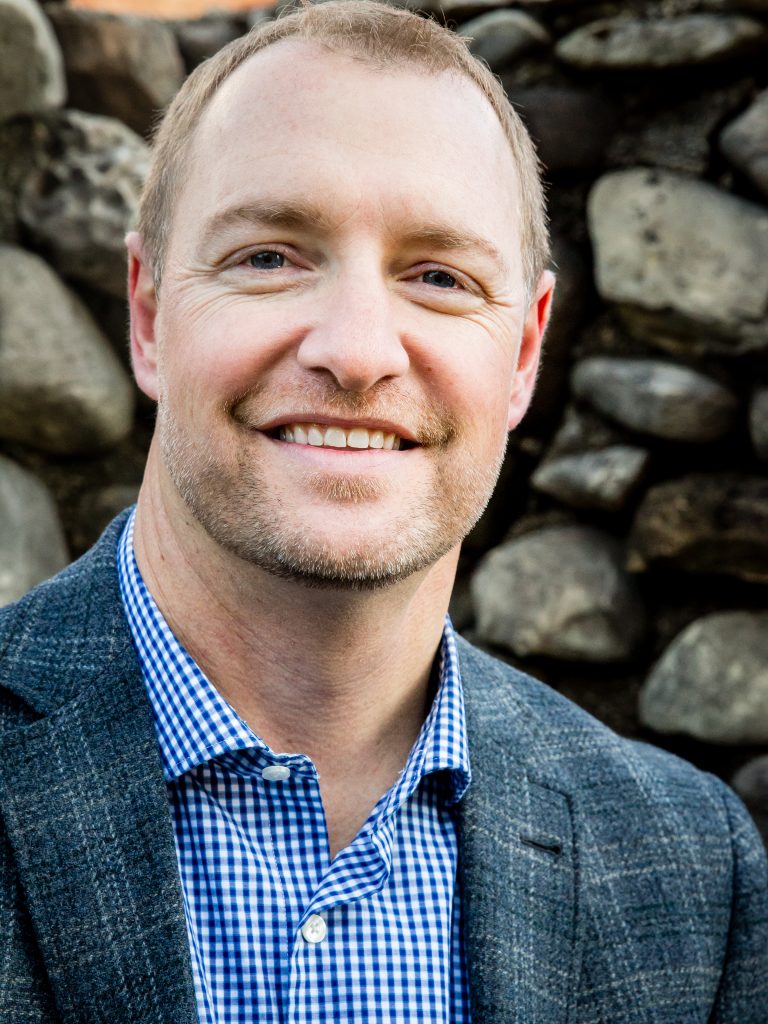 “The future of education will be geared towards progressive learning. Curriculum will be aligned to fit the needs of its community and region. My belief is that current secondary schools are overly reliable on standardized tests and systematic inhibitors. Content areas will be more integrated and student centered. Education will build on what students thrive in rather than “fixing” their deficiencies. School buildings will cease to be “prison like” buildings and become more open to flexible learning. Technology will allow students to do the important work of becoming productive problem solvers and ultimately productive citizens within their communities.”
Twitter: @peterhostrawser
54. Michael K. Barbour
Associate Professor of Instructional Design for the College of Education and Health Services
Touro University California
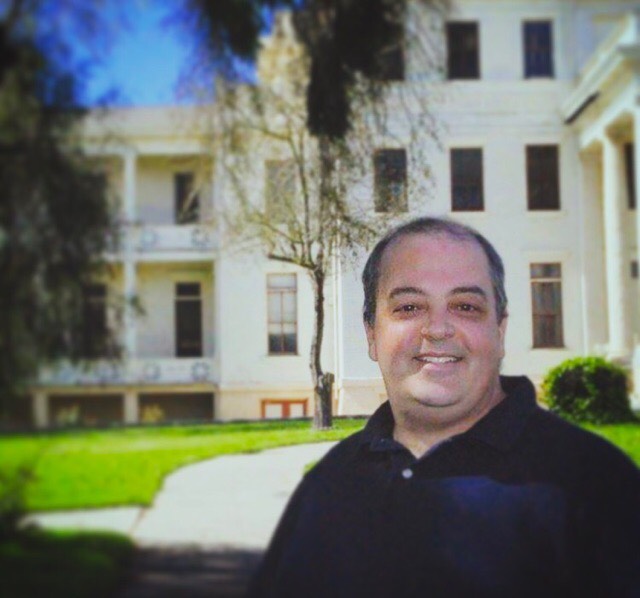 “I am often asked this question and tend to have two responses. From a structural standpoint, I fear the privatization of public education. The continued push for school choice and free market initiatives simply create two education systems: one for families with economic, political, and/or social capital and a second, inferior, system for everyone else. Optimistically, I see schools like ones we had 100 years ago. Teachers and local communities deciding what students should learn. Classrooms where students were challenged, material was customized to them, and students support each other – like the old one room schools, just with more technology.”
Twitter: @mkbtuc
55. Ryan McCarty, PhD
National Louis University, Chicago, Illinois
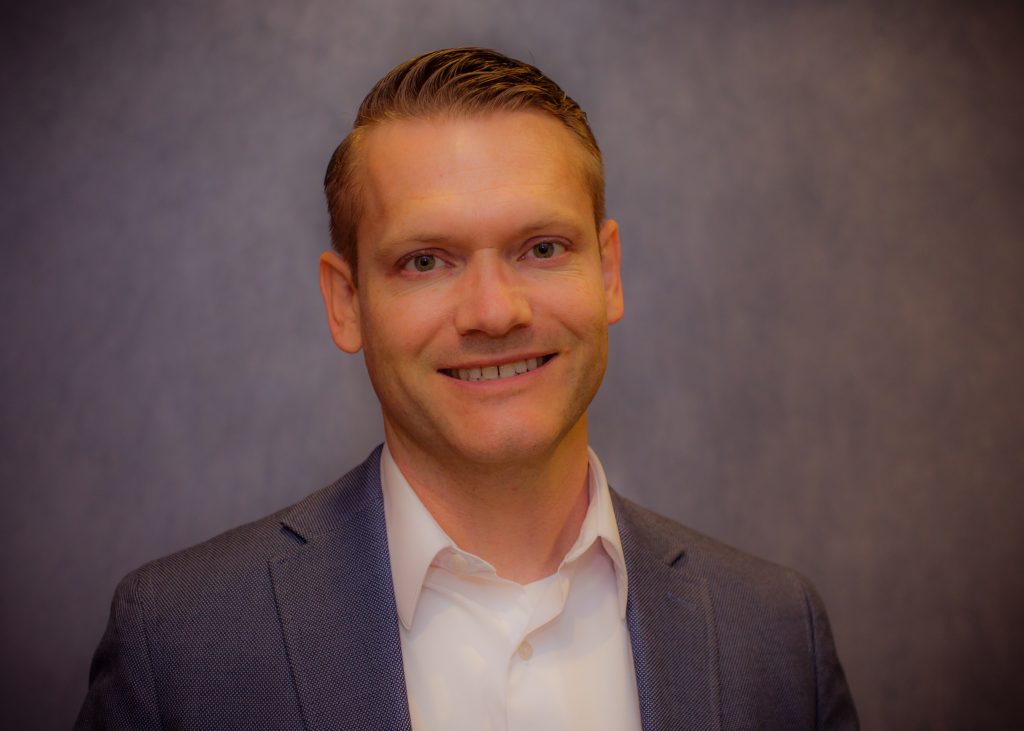 “In the future, educational research approaches that test and refine interventions in the crucible of real classrooms, such as design-based research, will gain influence. Teachers and teacher teams will seek greater autonomy to innovate, resulting in creative solutions to persistent educational problems. Online reasoning will become a central focus as educators respond to the “fake news” controversies and emphasize these skills as essential for civic engagement. Schools will empower students to become not only consumers but producers of multimodal online arguments, with an emphasis on inquiry into real-world issues. Disciplinary literacy will remain an essential part of this work.”
Twitter: @RyanP_McCarty
56. Fanuel Muindi, Ph.D.
Co-Founder/Director, THE STEM ADVOCACY INSTITUTE
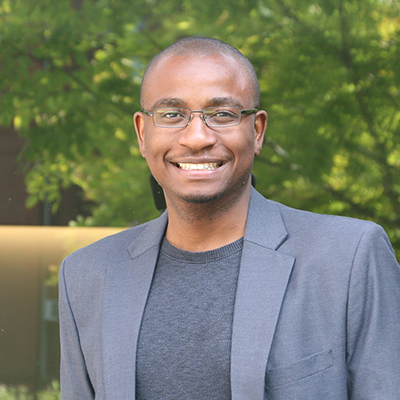 “I see the future of education focusing almost exclusively on inquiry based approaches across the entire system. Inquiry based learning teaches students a critical skill in constructing questions or problems. The current system focuses too much on having students identify the right answer. However, I think students that are able to find important questions have an advantage. Such a skill is critical across fields. It is an ability that needs to be cultivated from a young age. Students need opportunities (e.g., doing research based projects) to develop such an important skill. I see the future focusing extensively on this skill through project based learning. New universities such as Station1 are moving in the right direction by challenging the current model.”
Twitter (Personal): @fanuelmuindi
Twitter (Organization): @stemadvocacy
57. Sarah Giddings, NBCT Teacher Leader & Advisor WAVE Program - Washtenaw Educational Options Consortium National Teacher-Powered Ambassador
 “In the future of education in America having a well-defined education will be highly valued, coveted, and cherished. In the future, the national and state trajectory will be to invest money, time, and support with tightly interlinked P-20 partnerships that support and nurture a highly skilled educator workforce, highly skilled student population, and equitable resources.
Schools will be teacher-powered and student-centered. They will be collaboratively designed by community members, parents, educators, and students. The role of educator will be expanded to account for hybrid leadership roles. Students will have a broad foundation in curiosity, play, critical thinking, and diverse perspectives.”
Twitter: @sarahyogidds
58. Dr. Myrrha Satow
Founder/President Performance Academies
 “The future of education rests on our commitment and belief that all children can learn and all children can achieve at high levels. In particular, raising awareness and demanding academic rigor for students with disabilities in traditional public and public charter schools alike is key to the future success of education. Well planned lessons with edtech used creatively and purposefully shows promise in increasing and supporting academic achievement for all kids, regardless of their current levels of achievement. It will be critical for students with disabilities to have access to these tools and to be provided consistent supports while using them.”
Twitter: @myrrhapandora
59. Preston Green
Professor of Education and Law
University of Connecticut
 “Supporters of charter schools and private-school choice programs will continue to defend these sectors vigorously against claims that they lead to increased racial segregation. By contrast, these advocates will remain relatively silent in the face of mounting evidence that they are insufficiently financially regulated.”
Twitter: @DrPrestonGreen
60. Ross Morrison McGill
Most Followed Educator on Twitter in the U.K
 “I would lead government policy, tackling the workload issue sooner rather than later, using a systematic and current classroom teacher’s perspective. This would revolutionize the way teaching is currently structured and transform the profession overnight. It may not happen in my career as a teacher, but I remain optimistic that one–day, teachers will be free to plan and mark during their normal timetabled day. Plus, redefine our school system as we know it, which is not sophisticated or well-advanced enough to support the most vulnerable students in our society if they continue to be measured by a linear model of examinations or shoe-horned into studying ‘certain’ subjects.”
Twitter: @TeacherToolkit
61. Dr. Andre D. Spencer
Superintendent of Schools, Harrison School District 2
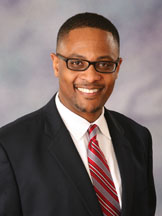 “As a superintendent, I wholeheartedly believe that the future of public education in America will continue to come under major scrutiny. Some people in our country want a private-public school system, which has proven to be racially and socio-economically bias. Public School Educators must continue to fight to ensure that all public schools are held to high expectations of accountability, while meeting the needs of diverse learners from multiple cultures in our communities. This will represent a true human microcosm of America. What do you want from public education?”
Twitter: @hsd2Supt
62. James DiDonato
Superintendent of Schools for the Mount Holly Township Public School District
 “Despite the multitude of obstacles, from the federal government to the local community, I foresee a bright and positive future for the United States school system. Why? The research is stronger than ever. The educator is more equipped than ever. The educational gurus are pressing upon social and academic equity, as well as leading the charge in developing a learning environment where every child is both available to learn and motivated to learn. We, as educational leaders, are working diligently on taking back the autonomy of the individual school, while working within a competitive system to promote an excellent education for every student. We are finding the balance between teaching the basics and cultivating the capacity for lifelong learning, the creativity for innovation, and the curiosity for exploration to develop the well-rounded child. The well rounded child needs to have academic, emotional, and social stability. And, the well rounded child needs to have the desire to be civic minded with the wherewithal to question the democratic principles and the undemocratic principles running this nation, and the world.”
Twitter: @jamesedidonato
63. Shannon McClintock Miller, Future Ready Librarian Spokesperson, Author, Speaker and Consultant
Blog: The Library Voice thelibraryvoice.com
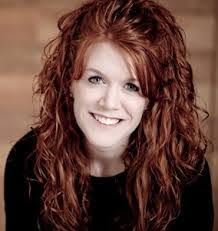 “I can’t think of a more important question than this….What is the future of education? It is such a special time for education as educators, librarians, administrators and parents. It can be especially exciting for our students. When I think about the future of education, the words transformation, personalized, engaging, and creative all come to mind!
As educators, we can create an environment where our students go to school feeling engaged and motivated when learning, collaborating and creating with their peers and with others around the the world. School doesn’t need to be defined by the four walls of a classroom or building anymore. Instead, learning can happen anywhere and our students become even more engaged and excited from this too.
We can empower them to share and celebrate their voice by giving them the tools and skills they need to share their creativity, knowledge, ideas, failures and work with an authentic global audience, as well as develop personal stories for assessment and success. With personalized learning, educational technology, global consecutiveness and equity playing such an important role within education, we can’t help but be excited about the opportunities ahead for our students. All young people deserve these opportunities. And we, as educators, have the ability and skills to make this happen. Let’s be the change that education and our students need.”
Twitter: @shannonmmiller
Conclusion
We would like to thank all our experts for contributing to this roundup. How is your school or organization working to prepare for the future? Let us know what’s worked and what hasn’t worked.
Click here to access all the parts of this roundup series.