
“`html
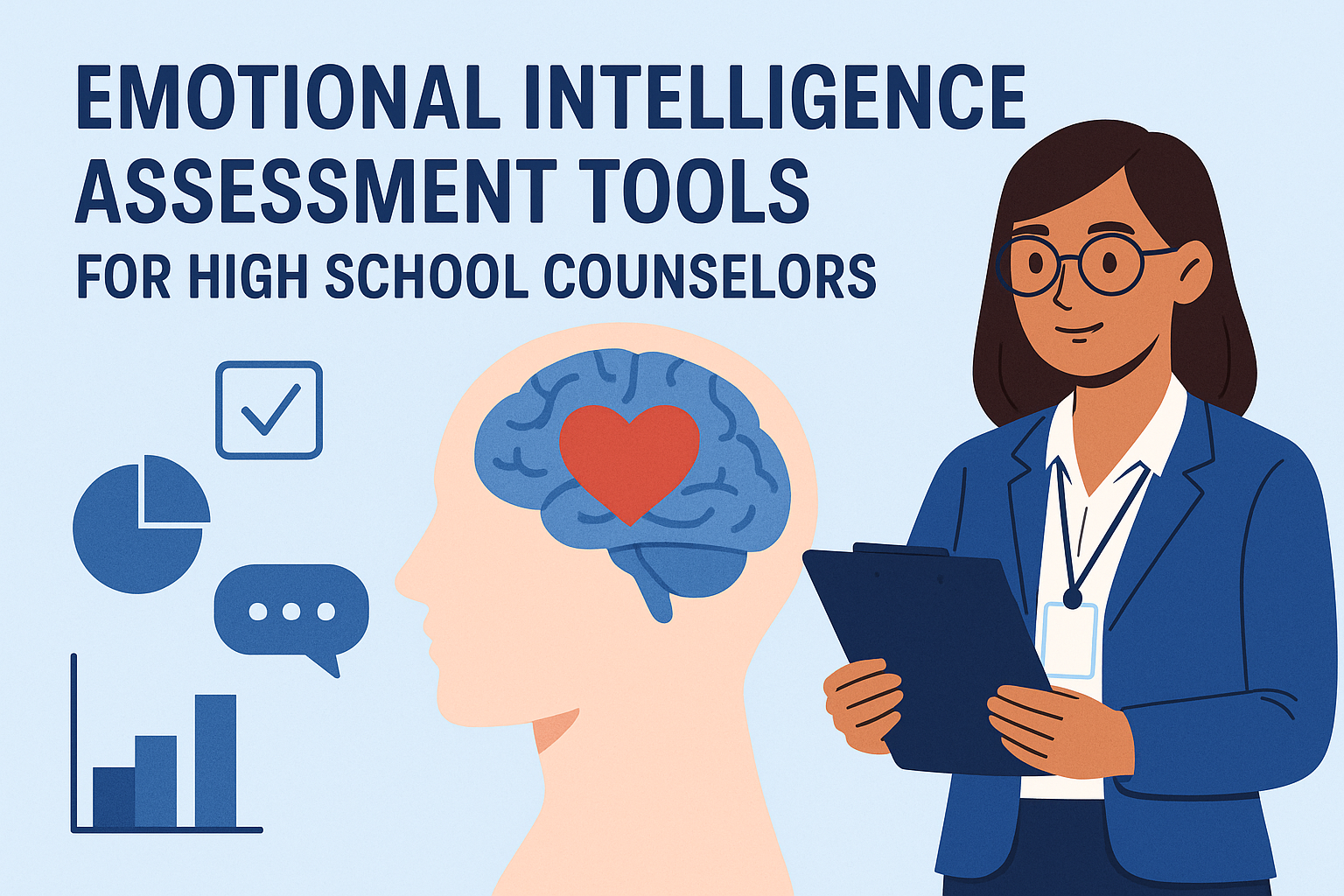
In the educational landscape, emotional intelligence (EI) has emerged as a crucial element for student success. While academic skills are undeniably important, the ability to understand and manage emotions is equally vital. This is where emotional intelligence assessment tools come into play, particularly for high school counselors who work tirelessly to support their students. In this article, we will explore the significance of emotional intelligence, the various tools available for assessment, and practical insights on how counselors can implement these tools effectively.
Understanding Emotional Intelligence
Emotional intelligence refers to the ability to recognize, understand, and manage our own emotions while also recognizing and influencing the emotions of others. The concept, popularized by psychologist Daniel Goleman in his 1995 book, “Emotional Intelligence: Why It Can Matter More Than IQ,” has gained traction as educators and mental health professionals recognize the role EI plays in personal and academic success.
For high school students, mastering emotional intelligence is particularly crucial. Adolescence is a time of significant emotional and social development. Students face various challenges, including peer pressure, academic stress, and the journey toward self-identity. Developing emotional intelligence can lead to improved relationships, enhanced decision-making skills, and better coping mechanisms for stress and anxiety.
The Need for Assessment Tools
High school counselors are often the frontline support for students facing emotional challenges. However, assessing a student’s emotional intelligence can be complex. Traditional assessment methods, such as standardized tests, may not effectively capture emotional competencies. This is where emotional intelligence assessment tools become invaluable. These tools can help counselors identify students’ strengths and areas for improvement in emotional areas, allowing for tailored support strategies.
Additionally, the integration of EI assessments into counseling practices can help create a more supportive school environment. When counselors can accurately gauge a student’s emotional state and intelligence, they can intervene more effectively, fostering resilience and emotional well-being.
Types of Emotional Intelligence Assessment Tools
There are several types of emotional intelligence assessment tools available for high school counselors. Each tool varies in approach, complexity, and application. Here are some of the most commonly used:
- Self-Report Questionnaires: These are the most accessible tools, consisting of a series of statements where students rate their agreement. The Emotional Quotient Inventory (EQ-i) is a notable example. It measures various dimensions of emotional intelligence, including intrapersonal and interpersonal skills.
- Performance-Based Assessments: Unlike self-reports, these assessments evaluate how individuals respond to emotionally charged situations. The Mayer-Salovey-Caruso Emotional Intelligence Test (MSCEIT) is a leading performance-based tool that assesses emotional perception, understanding, and management.
- 360-Degree Feedback: This method gathers input from various sources, including peers, teachers, and counselors. It provides a comprehensive view of a student’s emotional intelligence in different contexts. Tools like the Emotional Intelligence 360 can facilitate this type of assessment.
Implementing Assessment Tools in High Schools
High school counselors must be equipped with the knowledge and skills to implement emotional intelligence assessment tools effectively. Here are some practical steps they can take:
1. Training and Familiarization
Counselors should undergo training to understand how to administer and interpret various emotional intelligence assessment tools. Familiarity with the specific tools they choose will enhance their ability to provide meaningful feedback to students.
2. Creating a Safe Environment
Before administering assessments, it’s essential to create a safe and supportive environment. Students must feel comfortable sharing their thoughts and experiences. Counselors can build rapport by establishing trust and ensuring confidentiality. (See: CDC on Emotional Health in Youth.)
3. Interpreting Results
After assessments are conducted, counselors should take the time to analyze the results carefully. Understanding a student’s emotional strengths and weaknesses allows for targeted interventions. Providing constructive feedback can empower students to work on their emotional skills actively.
4. Developing Action Plans
Based on assessment results, counselors can collaborate with students to design action plans that target specific emotional skills. For instance, a student struggling with emotional regulation might benefit from coping strategies or mindfulness practices.
Real-World Applications of EI Assessment Tools
The use of emotional intelligence assessment tools in high schools is not merely theoretical; there are real-world applications that demonstrate their effectiveness. Schools that have integrated these tools into their counseling practices have reported numerous benefits.
For instance, a study conducted at a large urban high school revealed that students who participated in EI training—including assessments—showed significant improvements in their academic performance and interpersonal relationships. These students were more adept at resolving conflicts and demonstrated increased empathy toward their peers.
Another example comes from a high school in the Midwest that adopted the MSCEIT for its counseling program. The counselors reported a marked increase in students’ self-awareness and emotional management skills, resulting in a noticeable decline in behavioral issues and an increase in overall school morale.
The Current Relevance of Emotional Intelligence Assessment Tools
As we navigate a post-pandemic educational landscape, the relevance of emotional intelligence assessment tools has never been more pronounced. With the rise in mental health issues among adolescents, schools are increasingly recognizing the need for comprehensive emotional support systems.
According to the National Institute of Mental Health, 1 in 5 adolescents in the U.S. experiences a mental health disorder. As a counselor, being equipped with emotional intelligence assessment tools can help identify students in distress and provide timely interventions. Schools that prioritize emotional intelligence are likely to cultivate a more positive and productive learning environment.
Challenges and Considerations
While the benefits of emotional intelligence assessment tools are clear, there are also challenges that counselors must consider. The validity and reliability of some tools can vary. It’s essential to choose well-researched assessments that have been validated for the adolescent population. Additionally, counselors must be aware of cultural considerations when interpreting emotional intelligence, as responses may differ across diverse backgrounds.
Another challenge is the potential for over-reliance on these tools. While assessments provide valuable insights, they should complement—not replace—direct conversations with students. Counselors should strive for a balanced approach that incorporates both quantitative data and qualitative interactions. (See: World Health Organization on Mental Health.)
Frequently Asked Questions (FAQ)
What are emotional intelligence assessment tools?
Emotional intelligence assessment tools are instruments used to measure an individual’s emotional intelligence abilities. They can help identify strengths and weaknesses in emotional skills and provide insights into how individuals interact with others.
Why are emotional intelligence assessment tools important in schools?
These tools are crucial in schools because they help counselors understand students’ emotional skills, which can lead to better academic performance, improved relationships, and enhanced overall well-being. By using these assessments, counselors can provide more tailored support for their students.
How do self-report questionnaires work?
Self-report questionnaires consist of statements that students respond to by indicating their level of agreement or disagreement. Their responses give insights into their emotional skills and self-perceptions, which can be useful for counselors in understanding where to focus their efforts.
Are performance-based assessments more reliable than self-reports?
Performance-based assessments can be more reliable in some cases, as they evaluate how individuals respond to real-world emotional scenarios rather than relying solely on self-perception. However, both methods have their advantages, and a combination can provide a fuller picture of a student’s emotional intelligence.
How can schools integrate emotional intelligence assessments into their programs?
Schools can integrate these assessments by training counselors, establishing a safe environment for students, and using findings to create support programs or interventions tailored to specific emotional skills. Regularly reviewing and adapting these programs can also enhance their effectiveness.
What are some common misconceptions about emotional intelligence?
One common misconception is that emotional intelligence is an innate ability that cannot be developed. In reality, emotional intelligence can be nurtured and improved over time through practice and training. Another misconception is that emotional intelligence is solely about being nice or empathetic; it also involves recognizing and managing one’s own emotions effectively.
Exploring the Science Behind Emotional Intelligence
Research shows that emotional intelligence significantly influences various life outcomes. A meta-analysis conducted by the Consortium for Research on Emotional Intelligence in Organizations found a strong correlation between emotional intelligence and job performance, leadership effectiveness, and even academic achievement. In educational settings, students with higher emotional intelligence perform better academically and socially.
For example, a 2019 study published in the journal Emotional Intelligence revealed that students with high emotional intelligence scores had better academic performance, greater mental well-being, and more successful interpersonal relationships. Not only does EI contribute to academic success, but it also prepares students for challenges in their future careers.
Expert Perspectives on Emotional Intelligence in Education
Experts in educational psychology emphasize the importance of integrating emotional intelligence into school curricula. Dr. Maurice J. Elias, a renowned psychologist and director of the Social-Emotional Learning Lab at Rutgers University, advocates for teaching emotional intelligence as part of the core curriculum. He argues that schools should not only focus on academic performance but also on developing students’ emotional and social competencies.
Another influential figure, Dr. Marc Brackett, the director of the Yale Center for Emotional Intelligence, emphasizes that emotional intelligence can be taught and learned. His research highlights the importance of recognizing emotions, understanding their impact on behavior, and using this understanding to make responsible decisions. Dr. Brackett stresses that fostering emotional intelligence is crucial for creating supportive educational environments.
Future Trends in Emotional Intelligence Assessment
As we move forward, the landscape of emotional intelligence assessment tools will continue to evolve. The integration of technology into these assessments is on the rise. For example, mobile apps and online platforms are being developed to provide real-time feedback and progress tracking for students. These tools can offer a more engaging way for students to learn about their emotional competencies.
Additionally, there’s an increasing emphasis on tailoring emotional intelligence assessments to specific populations. This means creating tools that are culturally relevant and accessible to diverse student populations. As schools strive for inclusivity, personalized assessments will play an essential role in understanding and supporting the unique emotional needs of each student.
Conclusion: Moving Forward with Emotional Intelligence
Emotional intelligence assessment tools are invaluable resources for high school counselors. By understanding and implementing these tools, counselors can significantly enhance their ability to support students in navigating the complexities of adolescence. As schools continue to prioritize mental health and emotional well-being, the emphasis on emotional intelligence will likely continue to grow.
Ultimately, the goal is to equip students not just for academic success, but for life. As the saying goes, “It’s not what happens to you, but how you react to it that matters.” By fostering emotional intelligence, counselors can help students build resilience and thrive in an increasingly complex world.
“`
Trending Now
- this guide on join nooro as an ios developer: a unique opportunity to shape senior wellness
- 7 Essential Emotional Intelligence Skills Every…
- this guide on 7 essential strategies for boosting emotional intelligence in preschoolers
- this guide on 7 effective emotional intelligence activities for kindergarten kids that really work
Frequently Asked Questions
What are emotional intelligence assessment tools?
Emotional intelligence assessment tools are instruments designed to measure an individual's ability to recognize, understand, and manage emotions. These tools help high school counselors evaluate students' emotional competencies, identifying strengths and areas for improvement to support their emotional and academic success.
Why is emotional intelligence important for high school students?
Emotional intelligence is crucial for high school students as it aids in their emotional and social development during adolescence. It enhances relationships, decision-making skills, and coping mechanisms for stress, which are essential for navigating challenges like peer pressure and academic stress.
How can counselors implement emotional intelligence assessments?
Counselors can implement emotional intelligence assessments by selecting appropriate tools tailored to their students' needs. After conducting assessments, they can analyze the results to provide personalized support and interventions aimed at enhancing students' emotional competencies.
What are some examples of emotional intelligence assessment tools?
Examples of emotional intelligence assessment tools include the Emotional Quotient Inventory (EQ-i), Mayer-Salovey-Caruso Emotional Intelligence Test (MSCEIT), and the Trait Emotional Intelligence Questionnaire (TEIQue). These tools vary in methodology and focus, catering to different assessment needs.
How does emotional intelligence impact academic success?
Emotional intelligence impacts academic success by enabling students to manage their emotions effectively, leading to improved focus, resilience, and interpersonal relationships. Students with high emotional intelligence are often better equipped to handle stress and navigate the complexities of school life.
Agree or disagree? Drop a comment and tell us what you think.