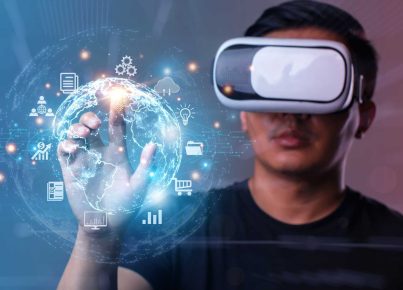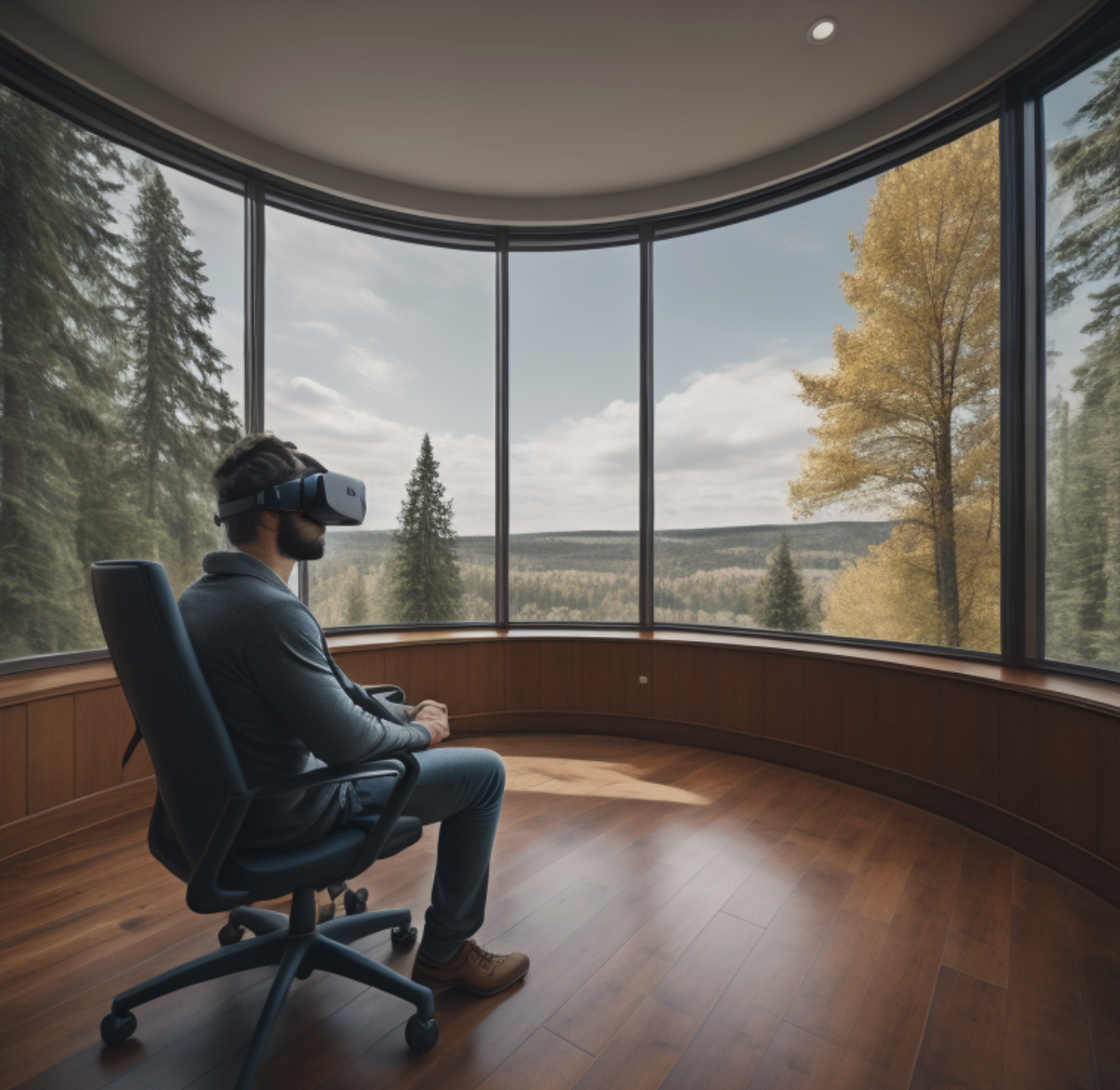

As immersive technologies like Virtual Reality (VR), Augmented Reality (AR), and Mixed Reality (MR) become more prevalent in our daily lives, they bring with them a host of ethical considerations that society must address. These technologies have the potential to profoundly impact how we interact, work, and perceive reality, making it crucial to navigate this virtual frontier responsibly.
Privacy is a primary concern in immersive environments. VR and AR devices can collect vast amounts of data, including biometric information, eye movements, and even brain activity in some advanced systems. This data could provide unprecedented insights into users’ thoughts and behaviors, raising questions about data ownership, consent, and the potential for manipulation or surveillance.
The psychological impact of prolonged immersion in virtual environments is another area of ethical concern. As VR experiences become more realistic and engaging, there’s a risk of addiction or detachment from the physical world. The long-term effects of frequent transitions between virtual and physical realities on mental health and cognitive development, especially in children, are not yet fully understood.
Identity and representation in virtual spaces raise complex ethical questions. The ability to assume any avatar or identity in VR can be liberating but also opens up possibilities for deception or identity theft. There’s also the risk of reinforcing harmful stereotypes or biases through avatar design and behavior.
The potential for harassment and abuse in immersive social spaces is a significant concern. The sense of presence in VR can make negative interactions feel more intense than in traditional online environments. Developing effective moderation tools and establishing norms for behavior in virtual spaces are crucial challenges.
Accessibility is an important ethical consideration. As immersive technologies become more integral to work, education, and social interaction, ensuring equitable access becomes crucial to prevent deepening digital divides.
The use of immersive technologies in advertising and marketing raises questions about manipulation and consent. The persuasive power of immersive experiences could be used to influence decisions in ways that traditional media cannot, potentially blurring the lines between advertising and experience.
In healthcare and therapy applications, there are ethical considerations around the use of VR for treatment. While VR therapy shows promise for conditions like PTSD, there are questions about its long-term efficacy and potential risks.
The potential for immersive technologies to be used for surveillance or social control, especially when combined with AI and facial recognition, is a significant ethical concern that needs to be addressed through policy and regulation.
As we move towards more immersive digital worlds, questions of digital property rights and economics in virtual spaces will become increasingly important. Who owns virtual land or objects, and how are rights enforced in these spaces?
Addressing these ethical challenges will require collaboration between technologists, policymakers, ethicists, and users. Developing ethical frameworks and guidelines for the development and use of immersive technologies is crucial. Education about the potential impacts and responsible use of these technologies will also be key.
As we stand on the brink of widespread adoption of immersive technologies, it’s essential that we proactively address these ethical considerations. By doing so, we can harness the incredible potential of these technologies while mitigating their risks, ensuring that the virtual frontier is a space that enhances human experience and society as a whole.