
“`html
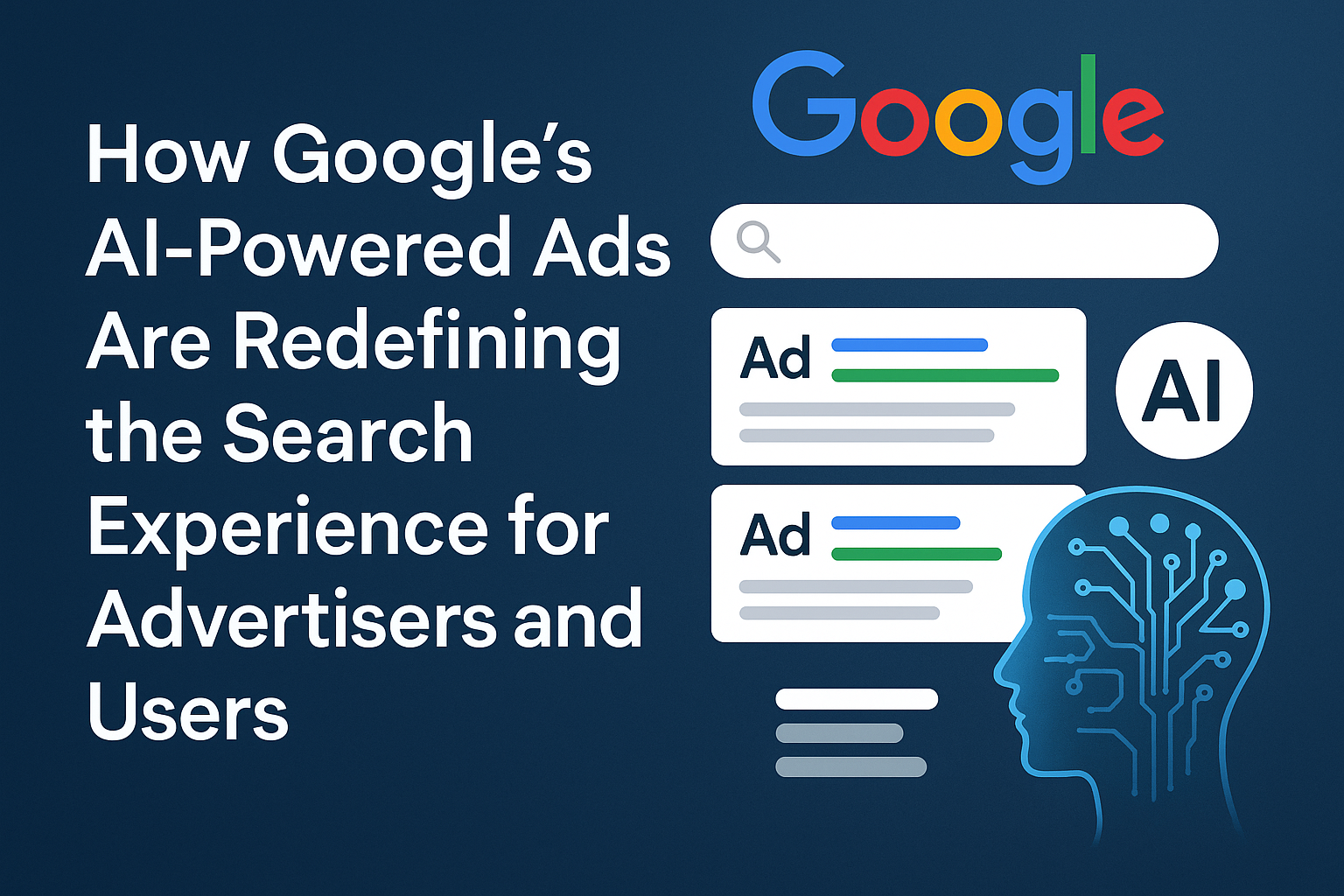
As digital marketing continues to evolve at a breakneck pace, Google is making significant strides by integrating AI into its advertising model. The recent updates announced by Google reveal a transformative approach to search ads, prominently featuring its AI system, Gemini. This shift not only emphasizes the role of AI-powered ads but also suggests a future where commerce is increasingly woven into the search experience itself. But what does this mean for advertisers, creators, and everyday users?
The Role of Gemini in AI-Powered Ads
Gemini, Google’s advanced AI platform, is taking center stage in this new advertising paradigm. With the ability to understand and process natural language, Gemini is designed to create more engaging and relevant ad experiences for users. This is crucial as people become increasingly accustomed to interacting with technology in conversational ways. With Gemini, advertisers can expect enhanced targeting capabilities and more personalized interactions that resonate better with their intended audience.
One of the standout features introduced is the new conversational formats available within AI Mode. This allows users to engage in a more dynamic way with ads, moving beyond the traditional static formats that have dominated digital marketing for years. The incorporation of conversational elements means that users can ask specific questions directly to the ad, and Gemini can provide tailored answers drawn from the advertiser’s own content. This creates a more interactive and fulfilling experience, ideally leading to higher engagement rates.
The Business Agent For Leads
Among the most exciting updates is the introduction of the “Business Agent For Leads” feature, currently in open beta. This feature allows users to click on a chat button within an ad, ask detailed questions, and receive immediate responses without having to navigate away from their current page. This function streamlines the user experience significantly, allowing potential customers to engage with businesses more directly and efficiently.
By enabling a pre-filled lead form submission, users can express their interest without the traditional hassle of moving through multiple pages or forms. This not only improves user experience but also enhances the likelihood of conversion for businesses. It’s a win-win situation where advertisers can capture leads more effectively while providing a seamless experience for users.
Revolutionizing Ad Formats with Conversational Discovery Ads
Another noteworthy feature is the introduction of “Conversational Discovery Ads.” These ads harness the power of AI to deliver personalized recommendations based on user inquiries. Imagine searching for a new pair of shoes: instead of being bombarded with a generic ad, users can receive tailored suggestions based on their specific requests, preferences, or even past behavior.
This approach reflects a significant evolution in how ads are presented. Instead of being disruptive, these AI-powered ads become an integral part of the search experience. This shift not only enhances user engagement but also fosters a sense of connection between consumers and brands, ultimately helping advertisers to build lasting relationships with their audience.
Highlighted Answers and Native Checkout Integration
In an effort to further enhance usability and customer interaction, Google has introduced a feature known as “Highlighted Answers.” This feature allows Google to showcase specific answers pulled directly from an advertiser’s content, essentially providing users with instant information bundled within the ad experience. The goal here is to minimize the friction that often comes with searching for information online. (See: CDC on digital marketing trends.)
Moreover, Google is piloting native checkout integration through its Direct Offers initiative. This means that users can make purchases directly from the search results, significantly reducing the time and steps involved in the buying process. By blending commerce with search results, Google is positioning itself at the forefront of e-commerce innovation, making it easier than ever for users to make purchasing decisions.
Implications for Advertisers and Creators
For advertisers, these updates present both challenges and opportunities. The enhanced capabilities of AI-powered ads mean that brands must adjust their strategies to optimize for these new formats. This may involve rethinking creative approaches, focusing on engaging content that resonates with users while also ensuring that their websites are equipped to handle inquiries effectively.
Creatives will also need to adapt their messaging to fit a more conversational format. This means crafting not only eye-catching visuals but also compelling narratives that can engage users in dialogue. The emphasis on personalized experiences will require a deeper understanding of target audiences, as brands will need to be more attuned to their preferences and behaviors.
The Future of Search Behavior
The rapid evolution of search behavior is a direct reflection of these advancements in technology. Users are becoming more accustomed to interacting with search engines as they would with a human being — asking questions and seeking personalized responses. This behavioral shift raises questions about how traditional advertising will coexist with these innovative AI-powered ad formats.
As AI continues to infiltrate the digital marketing landscape, we can expect more brands to adopt similar conversational strategies. This trend is likely to shape the expectations of consumers, pushing advertisers to create even more engaging, interactive, and personalized experiences. Companies that can successfully adapt to these changes will not only improve their advertising outcomes but also build more robust connections with their audiences.
Addressing the FOMO Factor
The potential for these AI-powered ads to reshape the industry is palpable, and a sense of FOMO (Fear of Missing Out) is already building among marketers and advertisers. The fear of being left behind in an industry that is rapidly advancing can drive companies to experiment with these new features swiftly. For many, the question isn’t whether to adopt these AI strategies, but how quickly they can implement them.
As adoption rates grow, the competitive landscape will likely become increasingly intense. Brands that hesitate to integrate AI-powered ads risk losing their edge, as consumers gravitate toward companies that leverage these cutting-edge technologies for more personalized and meaningful interactions.
Understanding AI-Powered Ads Through Real-World Examples
To appreciate the impact of AI-powered ads, let’s explore a few real-world examples where companies have successfully leveraged this technology. For instance, a major retail brand recently integrated Gemini into its advertising strategy. By utilizing conversational ads, they allowed consumers to ask questions about product specifications. The result? A 30% increase in engagement rates and a 15% boost in conversion rates. This demonstrates how effectively AI can enhance user interaction.
Another example comes from the travel industry, where a hotel chain implemented AI-powered ads to provide personalized travel recommendations. Not only did this lead to higher customer satisfaction, but the hotel also reported a significant uptick in bookings, showcasing how conversational AI can transform customer service into an interactive dialogue. (See: New York Times on AI in advertising.)
Statistics on AI-Powered Ads
The growth of AI-powered ads is reflected in various statistics that highlight their effectiveness. According to a recent study, 75% of marketers believe that AI will significantly improve the efficiency of their advertising campaigns. Furthermore, businesses that have implemented AI in their ad strategies saw an average increase of around 20-30% in ROI. These numbers not only underline the potential of AI but also encourage more businesses to consider its integration into their advertising efforts.
Expert Perspectives on AI in Advertising
Industry experts are vocal about the potential of AI-powered ads. Sarah James, a digital marketing consultant, states, “AI is not just a tool; it’s reshaping the entire landscape of how we think about advertising. Brands that adapt early will set the standard for the future.” Insights like these emphasize the urgency for companies to embrace AI technology in their advertising strategies.
In addition, David Chen, a technology analyst, mentions, “The ability to provide personalized ad experiences is a game-changer. Consumers today expect more than just generic promotions; they want tailored content that speaks to their individuality.” This perspective aligns with the trend of personalization that AI-powered ads are facilitating.
Common Questions About AI-Powered Ads
What are AI-powered ads?
AI-powered ads are advertisements that utilize artificial intelligence to analyze data and create personalized experiences for users. They can engage consumers in a more interactive and conversational manner, enhancing the overall user experience.
How do AI-powered ads improve targeting?
AI-powered ads analyze user behavior, preferences, and search patterns to deliver highly relevant content. This means advertisers can reach the right audience at the right time with ads that genuinely resonate with them.
What industries can benefit from AI-powered ads?
Nearly every industry can benefit from AI-powered ads, including retail, travel, healthcare, and real estate. Companies looking to enhance customer engagement and conversion rates can leverage AI technology to optimize their advertising strategies.
Are AI-powered ads more cost-effective?
Yes, AI-powered ads can be more cost-effective in the long run. By improving targeting and personalization, businesses can achieve higher engagement and conversion rates, leading to a better return on investment.
What tools are available for creating AI-powered ads?
Several tools and platforms have emerged that facilitate the creation of AI-powered ads, including Google’s Gemini, Facebook’s AI tools, and various third-party ad tech companies. These tools often provide templates and analytics to help businesses optimize their ad campaigns effectively. (See: ScienceDirect on AI technology advancements.)
The Challenges of Implementing AI-Powered Ads
While the advantages of AI-powered ads are evident, there are challenges that businesses must navigate. One significant hurdle is the initial investment in technology and training. Companies may need to upgrade their existing systems or invest in new infrastructure to fully utilize AI capabilities.
Additionally, there’s the issue of data privacy. With growing concerns about how data is collected and used, advertisers must ensure that they comply with regulations such as GDPR. Transparency in how customer data is handled can build trust, but it requires a delicate balance between personalization and privacy.
The Importance of Continuous Learning and Adaptation
The landscape of AI in advertising is not static. As technology evolves, so too will the strategies that brands need to adopt. Continuous learning will be vital. Advertisers must stay informed about the latest trends and developments in AI to remain competitive. Attending industry conferences, participating in workshops, and collaborating with tech partners can facilitate this ongoing education.
Adaptation isn’t just about technology; it’s also about understanding consumer behavior. Keeping a pulse on shifting consumer preferences will allow brands to tweak their approaches and ensure they remain relevant in a fast-paced digital environment.
As we witness this transformation in advertising, it becomes clear that AI is not just a passing trend — it’s fundamentally changing how businesses engage with consumers. The future of search advertising is undoubtedly intertwined with AI, and those who embrace this change will pave the way for a new era in digital marketing.
“`
Trending Now
Frequently Asked Questions
What is Gemini in Google's advertising model?
Gemini is Google's advanced AI platform that enhances advertising by understanding natural language. It allows advertisers to create more engaging and personalized ad experiences, improving targeting capabilities and user interactions.
How do AI-powered ads improve user experience?
AI-powered ads, particularly through Google's Gemini, offer conversational formats that let users engage dynamically with ads. This interactivity allows users to ask questions and receive tailored responses, leading to a more fulfilling and engaging experience.
What is the Business Agent For Leads feature?
The Business Agent For Leads is a new feature in beta that allows users to click a chat button within an ad. This enables them to ask questions and receive immediate responses without leaving the current page, streamlining their experience.
How does AI change the way advertisers target audiences?
With AI integration, advertisers can leverage advanced targeting capabilities that analyze user behavior and preferences. This allows for more personalized and relevant ad placements, improving engagement and conversion rates.
What are the benefits of conversational ad formats?
Conversational ad formats enable users to interact directly with ads by asking questions, resulting in a more personalized experience. This approach can lead to higher engagement rates as users feel more connected to the content.
Have you experienced this yourself? We’d love to hear your story in the comments.