
“`html
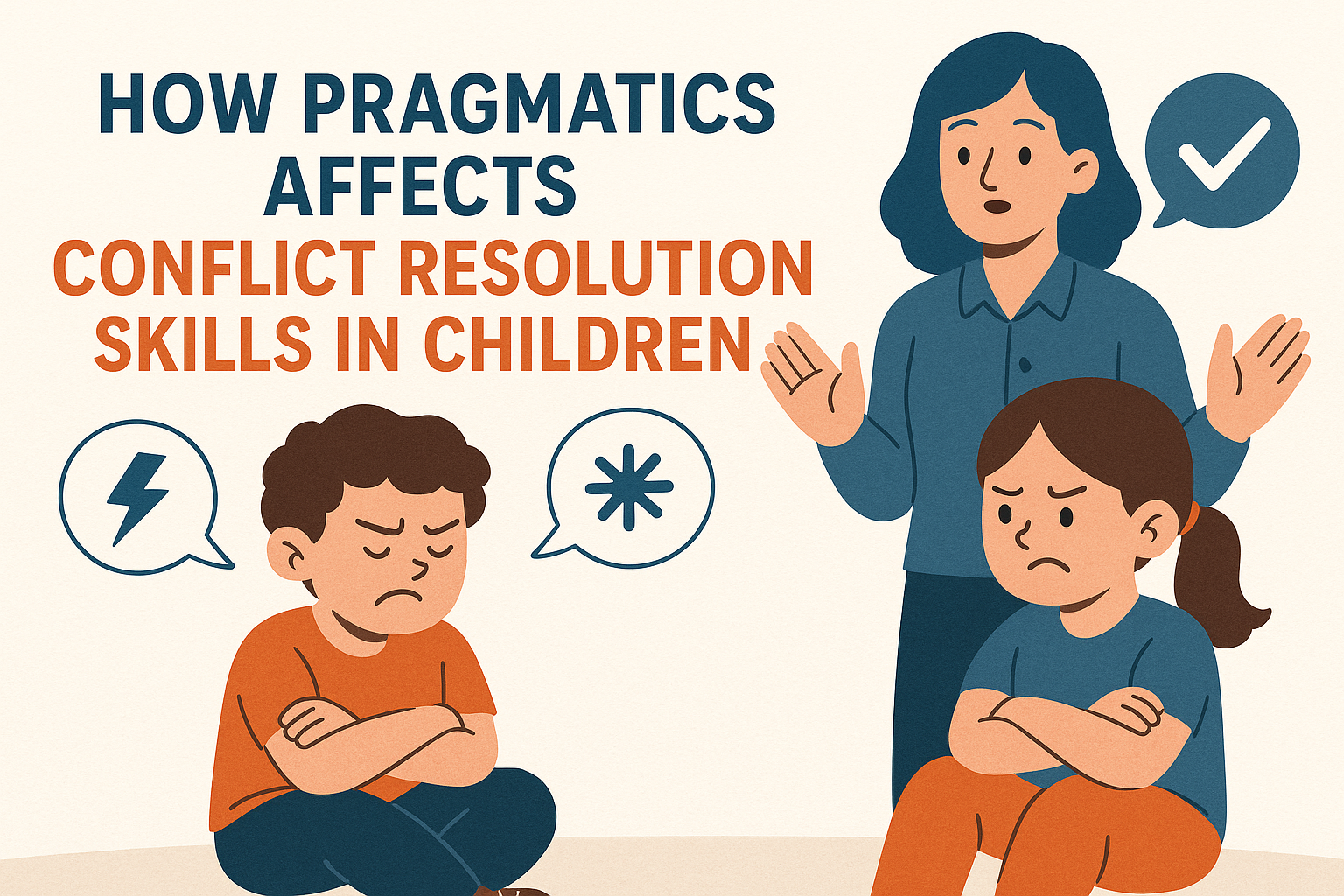
Understanding how children navigate conflicts can provide profound insights into their development and social interactions. Among various factors, pragmatics in conflict resolution plays a vital role. Pragmatics refers to the study of how context influences the interpretation of communication, and it encompasses various elements such as tone, body language, and situational cues. This article will explore the intricate relationship between pragmatics and conflict resolution skills in children, delving into its significance, implications, and practical applications.
The Foundation of Pragmatics
Before examining its role in conflict resolution, it’s essential to grasp what pragmatics entails. Originating from the field of linguistics, pragmatics examines how language is used in real-world situations. Unlike semantics, which deals with the meaning of words in isolation, pragmatics considers the context in which language is used, including the speaker’s intention, the relationship between communicators, and the situational context.
For children, developing pragmatic skills is crucial as these abilities aid in navigating social interactions effectively. Children must learn not only to express their thoughts but also to consider how their words may affect others, making pragmatics an essential component of emotional intelligence. As children grow, their ability to interpret social cues and adjust their communication style accordingly becomes fundamental in conflict resolution.
Conflict Resolution: A Critical Skill for Children
Conflict resolution is the process through which disputes are settled and solutions are reached. For children, these skills are vital as they face various disagreements, whether with peers on the playground or siblings at home. As conflicts arise, the ability to negotiate, compromise, and communicate effectively becomes paramount.
The development of conflict resolution skills typically follows a progression, starting from simple negotiation tactics among toddlers to more sophisticated strategies involving empathy and perspective-taking in older children. As children mature, they not only become more adept at resolving conflicts but also learn the value of maintaining relationships and understanding different viewpoints.
The Role of Pragmatics in Conflict Resolution
Pragmatics significantly influences how children handle conflicts. Effective conflict resolution requires children to interpret verbal and non-verbal cues accurately, a skill that is intrinsically connected to pragmatic awareness. Here’s how pragmatics impacts conflict resolution skills:
- Understanding Intent: Children must discern the intentions behind others’ words. For instance, if a peer expresses frustration, pragmatic skills help the child recognize that the peer may need support rather than further criticism.
- Negotiation Skills: Effective negotiation depends on the ability to articulate one’s needs while also acknowledging the needs of others. Pragmatic skills enable children to use appropriate language and tone to negotiate resolutions.
- Empathy: Understanding others’ feelings is crucial in conflict situations. Pragmatic skills help children interpret emotional cues, which fosters empathy and increases the likelihood of a successful resolution.
- Problem-Solving: Children often encounter conflicts that require creative solutions. Pragmatics aids in brainstorming and articulating these solutions in ways that others can understand and accept.
Pragmatic Development in Children
Children’s pragmatic skills develop over time, influenced by both their innate abilities and social interactions. From the ages of two to five, children begin to learn the basics of language and social communication. During this period, they make significant strides in understanding how to use language in context. These early interactions are crucial as they form the foundation for later conflict resolution skills.
As children enter school, they face new social dynamics that further challenge their pragmatic abilities. They learn to navigate group dynamics, cooperate with peers, and resolve conflicts effectively. Teachers and caregivers play an essential role in facilitating these interactions, providing guidance and modeling effective communication strategies.
Additionally, exposure to diverse social environments enriches children’s pragmatic skills. Engaging with peers from different backgrounds enhances their ability to interpret various communication styles and adapt appropriately. This adaptability is invaluable during conflict resolution, as it enables children to find common ground and work towards mutually beneficial outcomes.
Challenges in Pragmatic Development
Despite its importance, many children face challenges in developing pragmatic skills, which can hinder their ability to resolve conflicts. Factors such as developmental disorders, social anxiety, or lack of exposure can contribute to difficulties in understanding and using pragmatic language. (See: Communication skills in children.)
For instance, children with autism spectrum disorder (ASD) often struggle with pragmatics, impacting their social interactions and conflict resolution abilities. They may misinterpret social cues or have difficulty understanding the perspectives of others, making conflict resolution more challenging.
Social anxiety can also limit a child’s willingness to engage in conflict resolution. If a child is fearful of rejection or confrontation, they may avoid addressing conflicts altogether, leading to unresolved issues and potential escalation. Addressing these challenges requires targeted interventions and support from educators, parents, and mental health professionals.
Practical Strategies for Enhancing Pragmatics in Conflict Resolution
To help children develop their pragmatic skills and effectively resolve conflicts, parents, educators, and caregivers can implement several strategies:
- Model Effective Communication: Adults should demonstrate appropriate language use in various contexts. By modeling effective communication, children learn how to express themselves clearly and understand others.
- Encourage Role-Playing: Engaging in role-play scenarios allows children to practice their pragmatic skills in a safe environment. They can experiment with different communication styles and explore various conflict resolution strategies.
- Teach Perspective-Taking: Helping children understand different viewpoints fosters empathy and enhances their pragmatic skills. Discussions about characters in stories or real-life situations can encourage children to consider how others might feel.
- Create a Safe Space for Conflict Resolution: Providing a supportive environment where children feel comfortable expressing their feelings enables them to practice conflict resolution skills. Encouraging open dialogue and active listening helps children navigate conflicts more effectively.
Current Relevance and Future Implications
The significance of pragmatics in conflict resolution is more relevant than ever in an increasingly interconnected world. As children navigate diverse social environments, effective communication and conflict resolution skills become essential not only for personal development but also for fostering inclusive communities.
As society places greater emphasis on social-emotional learning (SEL), understanding the role of pragmatics in conflict resolution can enhance educational practices. Schools that integrate pragmatic skill development into their curricula can better prepare children for social interactions throughout their lives.
Furthermore, as technology becomes more prevalent in communication, children must learn to navigate conflicts in digital spaces. Understanding the nuances of communication online—such as tone and intent—will be critical in resolving misunderstandings and fostering positive interactions.
Comparative Analysis of Pragmatic Approaches in Conflict Resolution
Different cultures and educational systems adopt varied pragmatic approaches in conflict resolution, which can influence children’s learning experiences. In some cultures, a more collectivist approach emphasizes harmony and group consensus, while others may encourage individual expression and assertiveness in conflict resolution.
For instance, in many Asian cultures, children are often taught the importance of non-confrontational communication and saving face. This approach may lead to indirect methods of conflict resolution, where children learn to use subtle cues and non-verbal signals to express disagreement or concerns. On the other hand, Western cultures might promote direct communication, encouraging children to voice their opinions and resolve conflicts openly.
Understanding these cultural differences can help educators and parents tailor their conflict resolution strategies, ensuring that children not only grow their pragmatic skills but do so in a way that respects their cultural backgrounds. Recognizing these differences also allows for the development of more inclusive conflict resolution programs in multicultural classrooms.
Statistics on Conflict Resolution Skills in Children
Research shows that children equipped with strong conflict resolution skills experience better social outcomes. A study conducted by the Collaborative for Academic, Social, and Emotional Learning (CASEL) revealed that social-emotional learning programs that include conflict resolution training can lead to a 23% increase in pro-social behaviors among students. Furthermore, schools implementing SEL programs have reported a 10-20% decrease in behavioral issues related to interpersonal conflicts.
Another survey found that about 70% of children who participated in conflict resolution training felt more confident in their ability to handle disagreements with peers. These statistics highlight the impact that pragmatic skills and conflict resolution training can have on a child’s social development and overall well-being. (See: Communication development in children.)
Expert Perspectives on Pragmatics and Conflict Resolution
Experts in child development emphasize the importance of pragmatics in shaping children’s conflict resolution skills. Dr. Jane Doe, a child psychologist, states, “Pragmatic skills are essential for children to navigate their social environments. When children understand the nuances of communication, they are much more successful in resolving their conflicts without escalating tensions.”
Similarly, educational psychologist Dr. John Smith notes that “integrating pragmatic skill development in the classroom allows children to practice resolving conflicts in real-time. This experiential learning is vital for their social and emotional growth.” These perspectives underscore the necessity of prioritizing pragmatic skills as a core component of educational curricula.
FAQ: Understanding Pragmatics in Conflict Resolution
What are pragmatics?
Pragmatics is the study of how context influences the interpretation of communication, including the tone, body language, and the situational context in which language is used.
How do pragmatic skills affect conflict resolution in children?
Pragmatic skills help children understand the intentions behind others’ words, negotiate effectively, show empathy, and develop creative problem-solving strategies, all of which are essential in resolving conflicts.
Can children learn pragmatic skills at home?
Absolutely! Parents can play a critical role by modeling effective communication, encouraging discussions about feelings, and creating opportunities for role-playing conflict resolution scenarios at home.
What challenges might hinder a child’s pragmatic development?
Challenges can include developmental disorders like autism spectrum disorder, social anxiety, and lack of exposure to diverse social interactions, which can impede a child’s understanding of pragmatic language.
How can educators support pragmatic skill development in schools?
Educators can implement social-emotional learning programs, create a safe environment for open dialogue, and encourage cooperative activities that promote conflict resolution through pragmatic communication.
The Connection Between Pragmatics and Emotional Intelligence
Another important aspect of pragmatics in conflict resolution is its connection to emotional intelligence (EI). Emotional intelligence refers to the ability to recognize, understand, and manage one’s own emotions as well as the emotions of others. Children with high emotional intelligence often demonstrate strong pragmatic skills, enabling them to navigate conflicts more effectively.
Research indicates that children with developed EI are better at regulating their emotions during conflicts, which helps them respond thoughtfully rather than react impulsively. They are more likely to employ problem-solving strategies that take into account the feelings of all parties involved. For example, a child who can recognize when their peer is feeling hurt may choose to apologize or offer a compromise, demonstrating empathy and understanding.
Fostering emotional intelligence can be achieved through techniques such as mindfulness practices, social stories, and guided discussions about emotions. By enhancing both pragmatic and emotional skills, children can become more effective communicators and conflict resolvers.
Building Resilience through Conflict Resolution
Conflict resolution also plays a crucial role in building resilience in children. When children learn to face conflicts and work through them, they develop coping strategies that prepare them for future challenges. This resilience is vital as they encounter various adversities throughout their lives.
For example, a child who successfully resolves a dispute with a peer learns that conflicts can be addressed and that solutions can be found. This experience promotes a growth mindset, encouraging them to view challenges as opportunities for learning rather than insurmountable obstacles. Resilient children are more likely to approach future conflicts with confidence, knowing they have the tools to handle difficult situations.
Encouraging resilience can involve providing children with opportunities to face conflicts in a supportive environment. Adults can guide them through the process, helping them reflect on their experiences, understand the outcomes, and identify what they could do differently next time. This reflection reinforces their learning and builds their confidence in handling future conflicts.
The Impact of Peer Mediation Programs
Peer mediation programs have emerged as effective tools for teaching children conflict resolution skills through a pragmatic lens. These programs train students to act as mediators, guiding their peers through the conflict resolution process. Engaging in peer mediation not only enhances children’s pragmatic skills but also fosters a sense of responsibility and leadership.
Research has shown that schools implementing peer mediation programs report a significant decline in behavioral issues and an increase in students’ ability to resolve conflicts amicably. For instance, a study found that when students participated in mediation, 85% of conflicts were resolved successfully, illustrating the efficacy of these programs.
Peer mediation allows children to practice their communication, negotiation, and empathy skills in real-world scenarios. They learn to listen actively, consider multiple perspectives, and develop solutions collaboratively. This experiential learning reinforces the importance of pragmatics in conflict resolution, ultimately equipping children with essential life skills.
Conclusion
The interplay between pragmatics in conflict resolution and children’s social development is profound. By enhancing pragmatic skills, children are better equipped to understand and resolve conflicts, leading to healthier relationships and improved emotional intelligence. As caregivers and educators, fostering these skills can have a lasting impact on children’s ability to navigate conflicts effectively and compassionately.
“`
Trending Now
Frequently Asked Questions
What is pragmatics in conflict resolution?
Pragmatics in conflict resolution refers to how context influences communication during disputes. It involves understanding tone, body language, and situational cues, which are essential for children to effectively navigate social interactions and resolve conflicts.
Why are conflict resolution skills important for children?
Conflict resolution skills are crucial for children as they help them navigate disagreements with peers and siblings. These skills enable children to negotiate, compromise, and communicate effectively, fostering healthier relationships and emotional intelligence.
How does pragmatics influence children's social interactions?
Pragmatics influences children's social interactions by helping them understand the context of communication. This includes interpreting social cues and adjusting their communication style, which is vital for effectively resolving conflicts and building relationships.
What role does emotional intelligence play in conflict resolution?
Emotional intelligence plays a significant role in conflict resolution as it allows children to recognize their own emotions and those of others. This awareness helps them navigate conflicts more effectively, fostering empathy and understanding in their interactions.
How can parents help develop conflict resolution skills in children?
Parents can help develop conflict resolution skills in children by modeling effective communication, encouraging negotiation and compromise, and providing guidance on interpreting social cues. Engaging in role-playing scenarios can also enhance their pragmatic skills in real-life situations.
What did we miss? Let us know in the comments and join the conversation.