
“`html
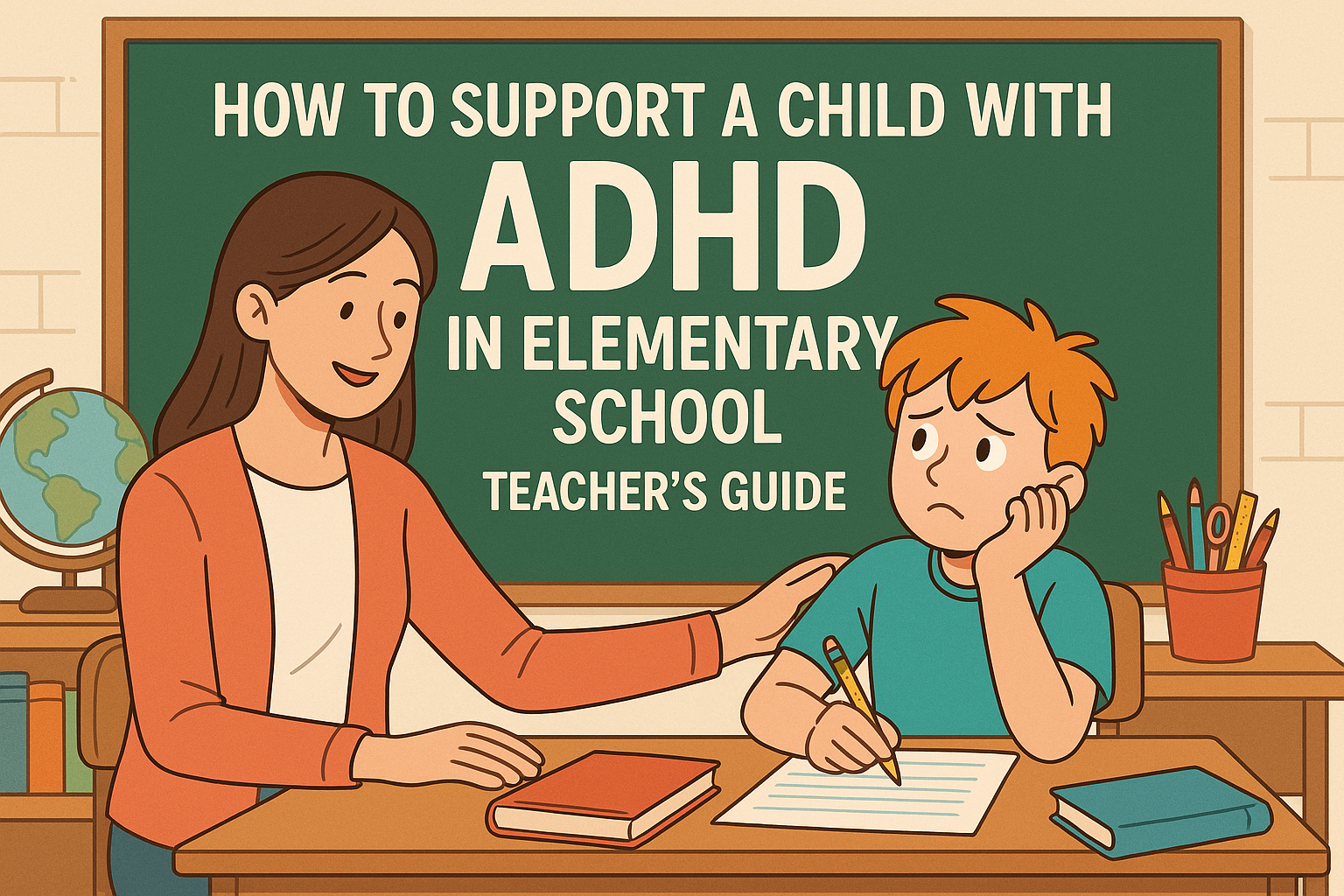
Supporting children with ADHD in elementary school requires a nuanced understanding of the challenges these students face and effective strategies to help them thrive. Attention Deficit Hyperactivity Disorder (ADHD) can affect a child’s academic performance, social interactions, and emotional well-being. With the right support, teachers can create an inclusive classroom environment that fosters learning and development. Here are seven essential strategies for educators to consider.
1. Understand ADHD and Its Impact
To effectively support students with ADHD, teachers need a solid understanding of the disorder. ADHD is characterized by symptoms of inattention, hyperactivity, and impulsivity. According to the Centers for Disease Control and Prevention (CDC), around 6.1 million children in the U.S. have been diagnosed with ADHD as of 2016, reflecting a significant concern for educators.
Understanding how ADHD manifests is critical. For instance, a child may struggle with maintaining focus during lessons or may find it difficult to complete homework assignments. These challenges can lead to frustration, low self-esteem, and behavioral issues. Recognizing these patterns allows teachers to respond with empathy and tailored strategies that address individual needs.
It’s also important to note that ADHD isn’t a uniform disorder; it presents differently in each child. Some may be predominantly inattentive, while others might exhibit more hyperactive or impulsive behaviors. Teachers should familiarize themselves with these different presentations to adapt their strategies effectively.
2. Implement Structured Routines
Children with ADHD often thrive in structured environments. Establishing clear daily routines can provide the consistency they need to feel secure and focused. Teachers should outline the day’s schedule at the beginning of each class, using visual aids like charts or checklists to reinforce the routine.
Additionally, breaking tasks into smaller, manageable steps can help sustain attention and increase the likelihood of task completion. For example, rather than assigning a lengthy reading assignment, a teacher might divide the reading into sections with specific time frames for completion. This approach not only simplifies tasks but also helps students with ADHD build a sense of accomplishment.
Implementing a visual timetable can further aid in navigating daily activities. By using colors or symbols that resonate with children, teachers can help students better grasp transitions between subjects or activities, reducing anxiety and enhancing focus.
3. Utilize Engaging Teaching Methods
Engaging teaching methods can significantly benefit children with ADHD. These students often respond well to interactive and hands-on learning experiences. Incorporating a variety of instructional strategies, such as group work, physical activities, and technology integration, can capture their attention and keep them involved in the learning process.
For instance, using educational games or interactive lessons can make learning more appealing to students with ADHD. Moreover, providing opportunities for movement can help them release pent-up energy, which can enhance focus during sedentary activities. Teachers might also consider incorporating short breaks for physical activity between lessons to help reset attention spans.
Additionally, using multimedia resources like videos, animations, or interactive simulations can cater to various learning styles and keep students with ADHD engaged. This variety encourages participation and can cater to their strengths, allowing them to connect with the material more effectively. (See: CDC ADHD facts and statistics.)
4. Foster a Positive Classroom Environment
A supportive classroom atmosphere is essential for students with ADHD. Teachers can foster positivity by recognizing and celebrating small achievements, which can boost confidence and motivation. Acknowledging effort rather than solely focusing on outcomes encourages a growth mindset.
Furthermore, building strong relationships with students is vital. Taking the time to understand each child’s unique strengths and challenges can help establish trust and open lines of communication. Teachers who show genuine interest in their students’ lives create a safe space where children feel valued and understood, making them more likely to engage in learning activities.
Moreover, implementing peer support systems can also be beneficial. Pairing students with ADHD with classmates who can act as learning partners allows for collaborative learning experiences. These partnerships can foster friendships and provide additional support in navigating classroom tasks.
5. Communicate with Parents and Caregivers
Effective communication with parents and caregivers plays a pivotal role in supporting children with ADHD. Teachers should work collaboratively with families to create consistent strategies that can be implemented both at school and at home. Regular updates on academic progress, behavioral observations, and strategies that work can empower parents to reinforce positive behaviors outside of the classroom.
Additionally, organizing parent-teacher meetings can facilitate discussions about the child’s development and share insights into effective strategies. This partnership fosters a comprehensive support system that extends beyond school hours, allowing for a united approach in managing ADHD symptoms.
Creating a communication log can be an effective tool for maintaining open lines of dialogue. This allows parents to provide feedback on what works at home, which can inform classroom strategies and vice versa. It also gives parents a structured way to understand their child’s progress and challenges.
6. Incorporate Technology Wisely
Technology can be a powerful ally in supporting children with ADHD. Various educational apps and tools are designed to help improve focus, organization, and time management skills. Incorporating these technologies into lessons can add an engaging element that resonates with tech-savvy students.
For example, apps that provide timers for tasks can help children with ADHD manage their time effectively. Furthermore, utilizing digital platforms for submitting assignments allows for flexibility and can reduce anxiety associated with traditional methods. However, it’s crucial to monitor screen time to ensure that technology enhances learning without becoming a distraction.
Additionally, online resources can provide practice in a fun and engaging way. Websites offering interactive quizzes and games can help reinforce concepts learned in class while catering to the interests of students with ADHD.
7. Seek Professional Development and Resources
Teachers should actively seek professional development opportunities to better understand ADHD and effective teaching strategies. Workshops, seminars, and online courses can provide valuable insights into emerging research and best practices for supporting children with ADHD.
Furthermore, leveraging resources from organizations dedicated to ADHD, such as CHADD (Children and Adults with Attention-Deficit/Hyperactivity Disorder), can provide additional strategies, materials, and support networks. By remaining informed and proactive, educators can continually adapt their approaches to meet the evolving needs of their students. (See: NIH ADHD information and resources.)
Joining professional organizations or forums can also provide teachers with networking opportunities. Sharing experiences and strategies with fellow educators can lead to innovative ideas and successful practices that might not be widely recognized yet.
8. Recognize Co-occurring Conditions
Children with ADHD often face other challenges, such as anxiety, learning disabilities, or behavioral disorders. Recognizing these co-occurring conditions is crucial for developing an effective support plan. A comprehensive approach means looking beyond just the symptoms of ADHD and addressing the whole child.
For example, if a child with ADHD also struggles with anxiety, implementing calming strategies, such as mindfulness exercises or quiet time, can help them manage both sets of symptoms. Understanding these intersections can lead to more personalized support and improve overall outcomes.
9. Foster Social Skills Development
Social skills can often be a challenge for children with ADHD, as they may struggle with impulse control and reading social cues. Teachers can play a significant role in helping these students develop better social skills. Incorporating social skills training into the curriculum can be beneficial.
Role-playing exercises, social stories, and group activities can help children practice appropriate social interactions in a safe environment. Teachers can also facilitate discussions about empathy, respect, and teamwork, which are essential for building healthy relationships with peers.
10. Frequently Asked Questions (FAQ)
What strategies can help a child with ADHD focus in class?
Strategies such as breaking tasks into smaller segments, using timers, and incorporating movement breaks can greatly enhance focus. Visual aids and interactive lessons can also keep students engaged.
How can I support a child with ADHD at home?
Establishing a consistent routine, creating a distraction-free homework area, and maintaining open lines of communication with your child’s teacher can help reinforce strategies learned in school.
Are there specific learning styles that benefit children with ADHD?
Children with ADHD often thrive in hands-on learning environments. Visual and auditory materials, along with interactive activities, can cater to their needs effectively.
Can medication help children with ADHD?
Medication can be effective for some children with ADHD, but it’s best to consult with a healthcare professional to determine the right approach, which may include behavior therapy as well.
What resources are available for parents of children with ADHD?
Organizations like CHADD and the ADHD Coaches Organization provide resources, support groups, and educational materials to help parents navigate challenges associated with ADHD.
11. Promote Emotional Regulation Skills
Teaching children with ADHD how to manage their emotions is vital for their social and academic success. Emotional regulation can help them navigate challenging situations, mitigate impulsive reactions, and build resilience. Techniques such as deep breathing, journaling, and expressing feelings through art can empower students with tools to cope with overwhelming emotions.
Integrating social-emotional learning (SEL) into the curriculum can reinforce these skills. For instance, discussing scenarios that involve emotional challenges and role-playing responses can help children practice and internalize techniques in a supportive environment.
12. Understand the Role of Nutrition and Sleep
Nutrition and sleep have a significant impact on children’s ability to focus and regulate their behavior. Educators and parents should pay attention to a child’s diet and ensure they receive balanced meals rich in nutrients. Omega-3 fatty acids, found in fish and nuts, have been linked to improved cognitive function and could potentially benefit children with ADHD.
Additionally, promoting good sleep hygiene is crucial. Establishing consistent bedtime routines can help ensure that children get adequate rest, which is essential for attention and behavior regulation. Schools can also educate parents on the importance of sleep and suggest strategies for improving sleep quality at home.
13. Encourage Extracurricular Activities
Participation in extracurricular activities can greatly benefit children with ADHD. Sports, music, art, or other clubs provide opportunities to channel energy and creativity positively. Engaging in these activities can boost self-esteem and provide social interactions outside of the academic setting, helping children build relationships and improve their social skills.
Encouraging involvement in structured, supervised activities can also help children with ADHD develop important life skills, such as teamwork, time management, and commitment. Schools can promote a range of activities that cater to various interests, ensuring that every child finds a suitable outlet.
In summary, supporting children with ADHD in elementary school requires a multifaceted approach. By understanding the disorder, implementing structured routines, utilizing engaging teaching methods, fostering a positive classroom environment, communicating with parents, incorporating technology wisely, and pursuing professional development, teachers can create a supportive learning environment that allows these children to flourish. Every effort made in this direction not only benefits students with ADHD but enhances the educational experience for all learners in the classroom.
“`
Trending Now
- read the full story
- 12 Engaging Emotional Intelligence Activities for…
- this guide on 7 essential emotional intelligence skills every high school student needs before college
- our breakdown of 7 essential strategies for boosting emotional intelligence in preschoolers
- our breakdown of 7 effective emotional intelligence activities for kindergarten kids that really work
Frequently Asked Questions
What are effective strategies for supporting children with ADHD in school?
Effective strategies include understanding ADHD's impact, implementing structured routines, using visual aids, providing clear instructions, offering frequent feedback, and fostering a supportive classroom environment. Tailoring approaches to individual needs is crucial for helping students thrive.
How can teachers create an inclusive classroom for students with ADHD?
Teachers can create an inclusive classroom by understanding the unique challenges of ADHD, implementing structured routines, using visual aids, and fostering open communication. Encouraging collaboration among students and providing personalized support also enhances inclusivity.
What challenges do children with ADHD face in elementary school?
Children with ADHD may struggle with maintaining focus, completing assignments, and managing impulsivity. These challenges can lead to frustration, low self-esteem, and behavioral issues, making it essential for teachers to recognize and address these needs effectively.
Why is understanding ADHD important for teachers?
Understanding ADHD is crucial for teachers as it enables them to recognize the varied symptoms and behaviors associated with the disorder. This knowledge allows educators to tailor their teaching strategies, fostering a supportive environment that meets the diverse needs of students.
How can routines benefit children with ADHD?
Routines provide children with ADHD a sense of structure and predictability, which can enhance their focus and security. Establishing clear daily schedules and using visual aids helps reinforce these routines, making it easier for students to navigate their school day.
Agree or disagree? Drop a comment and tell us what you think.