
“`html
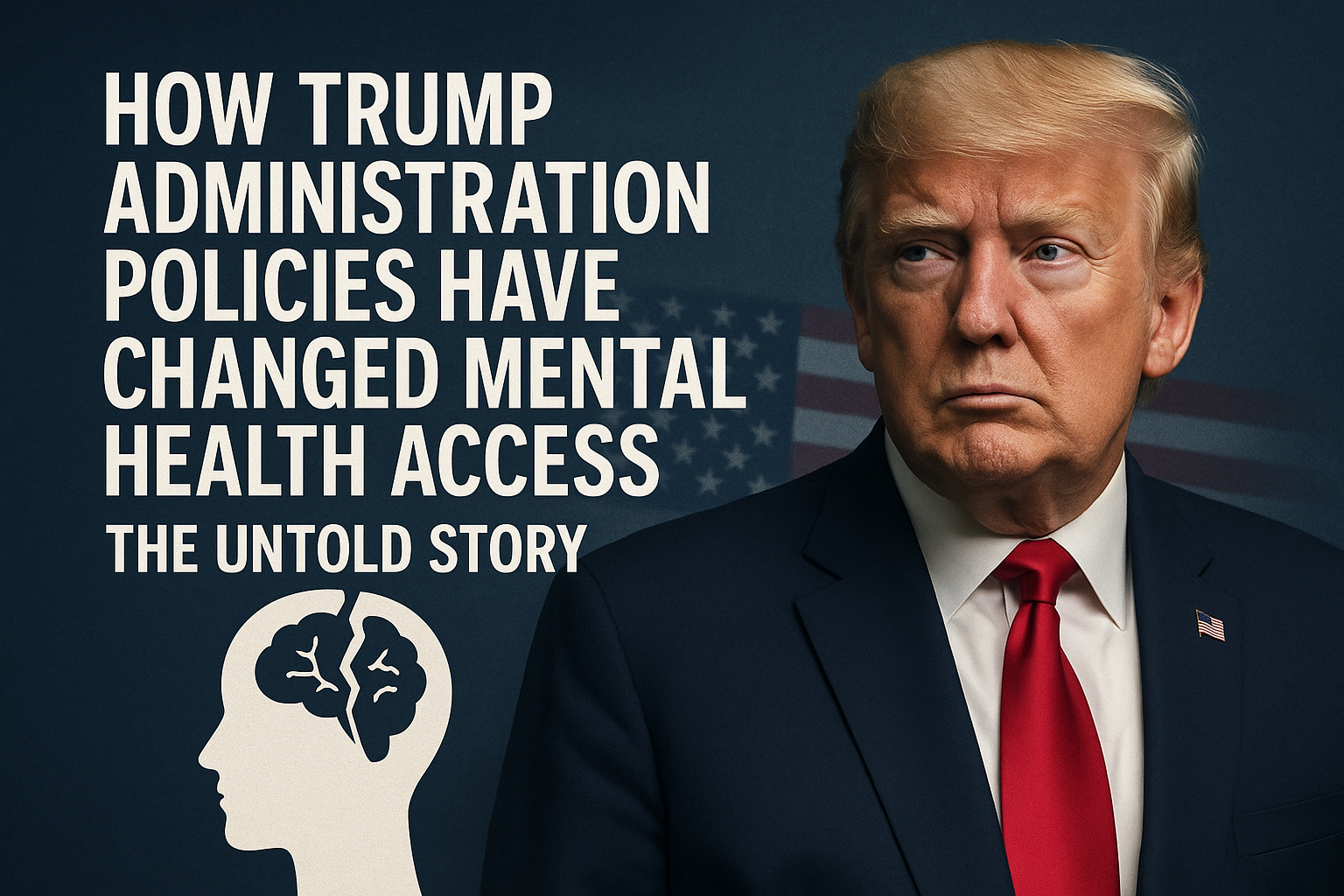
The landscape of mental health services in the United States has been shaped by a variety of policies, each influencing how patients access care and how providers deliver it. The Trump administration’s approach to mental health, particularly during its second term, has left indelible marks on this landscape. As we explore the Trump administration mental health policy impact, it becomes clear that understanding these changes is crucial for patients, healthcare providers, and advocates alike.
The Policy Landscape: An Overview
Throughout Donald Trump’s presidency, mental health and substance use policies evolved significantly, often reflecting the administration’s broader healthcare philosophies. The administration took several key actions aimed at reshaping the way mental health services were funded and delivered. This included modifying existing regulations, reallocating resources, and pursuing new initiatives that could either expand or restrict access to necessary care.
One of the primary focuses was on the alignment of mental health services with broader health care reforms, particularly regarding insurance coverage and Medicaid. For many, these shifts were both alarming and confusing, prompting questions about the future of mental health access in the United States.
Key Policy Actions and Their Implications
The KFF has been tracking the various policy changes under the Trump administration, and numerous actions have had a direct impact on mental health access. Here are some significant changes that stand out:
- Medicaid Work Requirements: The introduction of work requirements in several states aimed to limit Medicaid eligibility for certain individuals. This policy shift disproportionately affected those with mental health conditions who may struggle to maintain steady employment due to their conditions.
- Funding Cuts: The administration proposed cuts to numerous mental health programs. This included reductions in funding for the Substance Abuse and Mental Health Services Administration (SAMHSA), which plays a vital role in promoting mental health services across the nation.
- Telehealth Expansion: In response to the COVID-19 pandemic, the administration promoted the use of telehealth services, a shift that has made mental health care more accessible for some individuals, particularly those in remote areas.
- Focus on Prevention and Early Intervention: The administration emphasized the importance of early intervention and prevention programs, aiming to decrease the long-term burden of mental health conditions on the healthcare system.
Each of these actions carried specific implications for individuals seeking mental health care, with some expanding access while others posed significant barriers.
Access to Care: Who Was Affected?
When examining the Trump administration mental health policy impact, it’s essential to consider who was most affected. Vulnerable populations, including low-income individuals, the homeless, and people with chronic mental illness, faced unique challenges during this period. The imposition of work requirements meant that many individuals who were already struggling to access care lost their Medicaid coverage, leaving them without necessary resources for treatment.
The cutting of funding to vital programs also created a ripple effect. Community-based mental health organizations, often the first line of support for those in need, faced financial strain, forcing them to scale back services or close altogether. The lack of financial resources can lead to longer wait times for services, decreased availability of treatment options, and ultimately worsen health outcomes for those affected.
On the other hand, the push for telehealth services opened doors for many patients who might have otherwise faced geographical or logistical barriers to care. This shift allowed individuals in rural areas or those with mobility issues to connect with mental health providers more easily than before. Although not a perfect substitute for in-person visits, telehealth has helped bridge some gaps in access. (See: CDC mental health resources.)
The Impact of the COVID-19 Pandemic
The COVID-19 pandemic has significantly influenced mental health policies, with the Trump administration pivoting to address the urgent needs that arose due to the crisis. With the rise in anxiety, depression, and other mental health conditions stemming from the pandemic, there was a sudden and pressing demand for services. The administration’s response included increasing funding for mental health initiatives that addressed the pandemic’s psychological toll.
Emergency funding packages allowed for a rapid expansion of telehealth services, which proved essential during lockdowns. Studies indicated that telehealth usage for mental health services surged, with some reports suggesting that as many as 80% of mental health visits shifted to virtual platforms during peak pandemic periods. This unprecedented shift led to discussions about the long-term viability of telehealth as a permanent option for mental health care.
As the nation began to recover from the immediate impacts of the pandemic, considerations about sustaining these telehealth practices and ensuring that they remain accessible became vital in ongoing policy discussions. Advocates for mental health care pushed to make telehealth services a lasting part of the mental health infrastructure.
Shifts in Public Perception and Awareness
Public perception of mental health has undergone a transformation over the last few years, driven in part by the policies enacted by the Trump administration. Increased media coverage of mental health issues and the stigma surrounding them has prompted many to speak out and advocate for better services and access to care. Social media platforms have also played a pivotal role in raising awareness about mental health challenges, allowing individuals to share their experiences and connect with others.
Many people began to recognize that mental health is as crucial as physical health, leading to greater demands for improved services. Advocacy groups have worked tirelessly to highlight the challenges faced by those affected by mental health conditions, pushing for policies that prioritize access and quality of care.
As a result, conversations surrounding mental health have become more mainstream, encouraging a cultural shift toward understanding and compassion. Nonetheless, despite these positive developments, gaps in policy and access remain, leaving many vulnerable individuals still without the support they desperately need.
What Lies Ahead: The Future of Mental Health Policy
Looking into the future, the trajectory of mental health policy will continue to evolve, shaped by the lessons learned during the Trump administration and the subsequent administration’s approach. The Biden administration has made commitments to expand mental health care access and address systemic issues within the healthcare framework. These changes are likely to influence how policies are crafted moving forward.
One area of focus is the potential for comprehensive mental health reform. From increasing funding for mental health programs to enhancing telehealth regulations, there is a sense of urgency for policymakers to act. The impacts of the COVID-19 pandemic have underscored the importance of mental health, making it a priority for many lawmakers and advocates.
However, persistent challenges remain. The consequences of policies from the Trump administration still linger, and the need for advocacy remains essential to ensure that mental health services are adequately funded and accessible to those who need them. Understanding the Trump administration mental health policy impact is crucial for navigating the current landscape and advocating for necessary changes. (See: NIMH statistics on mental illness.)
A Call to Action: Engaging in Advocacy
For individuals who care about mental health access, engaging in advocacy is more important now than ever. With the shifting policy landscape, staying informed about changes and their implications can empower you to speak out and demand better services.
Whether it’s writing to your elected representatives, participating in local advocacy groups, or simply sharing information on social media platforms, every action counts in pushing for better mental health care. Consider joining organizations that focus on mental health advocacy, as they often have resources and tools to help you make your voice heard.
As you navigate the complexities of mental health policy, remember that you are not alone. Many others are working alongside you to create a system that prioritizes mental health and ensures that everyone has access to the care they need.
In closing, the impact of Trump administration policies on mental health access serves as a reminder of the importance of continuous advocacy and engagement. The future of mental health care rests on our collective ability to address the gaps and inequalities that persist, ensuring that mental health is prioritized in every policy decision made.
Statistical Insights: Understanding the Scope of Mental Health Issues
To better grasp the impact of mental health policies during the Trump administration, it’s helpful to look at some statistics. According to the National Institute of Mental Health, nearly 20% of adults in the U.S. experienced mental illness in 2019. This translates to approximately 51.5 million people facing challenges that require support and treatment.
The prevalence of mental health issues has only increased amid the pandemic, with a report from the CDC indicating that anxiety and depression symptoms tripled in the population by mid-2020. These statistics highlight the escalating need for effective mental health policies, which are essential for providing timely care to those in distress.
Expert Perspectives on Policy Changes
Many mental health professionals and advocates have weighed in on the policies enacted during the Trump administration. Dr. Ken Duckworth, Chief Medical Officer of the National Alliance on Mental Illness (NAMI), emphasizes that while telehealth expansion was a positive step, the cuts in funding to mental health programs had severe ramifications. He noted, “We’re facing a mental health crisis in this country, and cutting funding to vital resources only exacerbates the problem.”
Similarly, mental health advocate and author Patrick Kennedy has voiced concerns about the stigma surrounding mental health and how it affects policy decisions. He asserts that “Mental health should be a priority in our healthcare system, and we must build policies that reflect this understanding, not just as a reaction but as a commitment to long-term change.”
Frequently Asked Questions (FAQ)
What were the primary changes to mental health policy during the Trump administration?
The Trump administration made several significant changes, including implementing Medicaid work requirements, proposing funding cuts to mental health programs, expanding telehealth services during the pandemic, and emphasizing prevention and early intervention.
Who was most affected by these policies?
Vulnerable populations such as low-income individuals, the homeless, and those with chronic mental health conditions faced the most challenges. The work requirements and funding cuts often left these individuals without necessary resources for treatment.
How did the COVID-19 pandemic affect mental health policies?
The pandemic created an urgent need for mental health services, leading to emergency funding and rapid expansion of telehealth services. These changes met the immediate demands but also raised questions about the sustainability of such services going forward.
What is the current state of mental health care access?
While there has been some progress in increasing awareness and services, significant gaps remain. Many individuals still struggle to find accessible care, especially in underserved communities, making ongoing advocacy essential.
What can individuals do to advocate for better mental health policies?
Engage with local advocacy groups, stay informed about policy changes, write to elected officials, and use social media to raise awareness. Every action counts toward fostering a system that prioritizes mental health care access.
“`
Trending Now
Frequently Asked Questions
How did the Trump administration change mental health policies?
The Trump administration implemented significant changes to mental health policies, including introducing Medicaid work requirements, which limited eligibility for those with mental health conditions, and proposing funding cuts to various mental health programs. These actions aimed to reshape access to care and align mental health services with broader healthcare reforms.
What impact did Medicaid work requirements have on mental health access?
Medicaid work requirements introduced during the Trump administration disproportionately affected individuals with mental health conditions, as many struggled to maintain steady employment. This policy shift limited access to essential mental health services for vulnerable populations, raising concerns about their well-being and care continuity.
What funding changes occurred for mental health programs under Trump?
Under the Trump administration, there were proposed cuts to funding for several mental health programs. These reductions raised alarms among advocates and healthcare providers regarding the potential negative impact on mental health services and accessibility for individuals in need of care.
What were the broader implications of Trump's healthcare reforms on mental health?
Trump's healthcare reforms sought to align mental health services with overall health care policy, which included changes to insurance coverage and Medicaid. These reforms created confusion and concern among patients and providers about the future accessibility and quality of mental health care in the United States.
Why is it important to understand changes in mental health policy?
Understanding changes in mental health policy is crucial for patients, healthcare providers, and advocates, as these policies directly impact access to care, funding, and the overall treatment landscape. Awareness of these shifts helps stakeholders navigate the evolving mental health service environment effectively.
Have you experienced this yourself? We’d love to hear your story in the comments.