
Microlearning and just-in-time learning have emerged as significant trends in immersive education, reflecting the changing needs and preferences of modern learners. These approaches break down complex topics into small, easily digestible chunks of information that can be accessed quickly and conveniently, often through mobile devices.
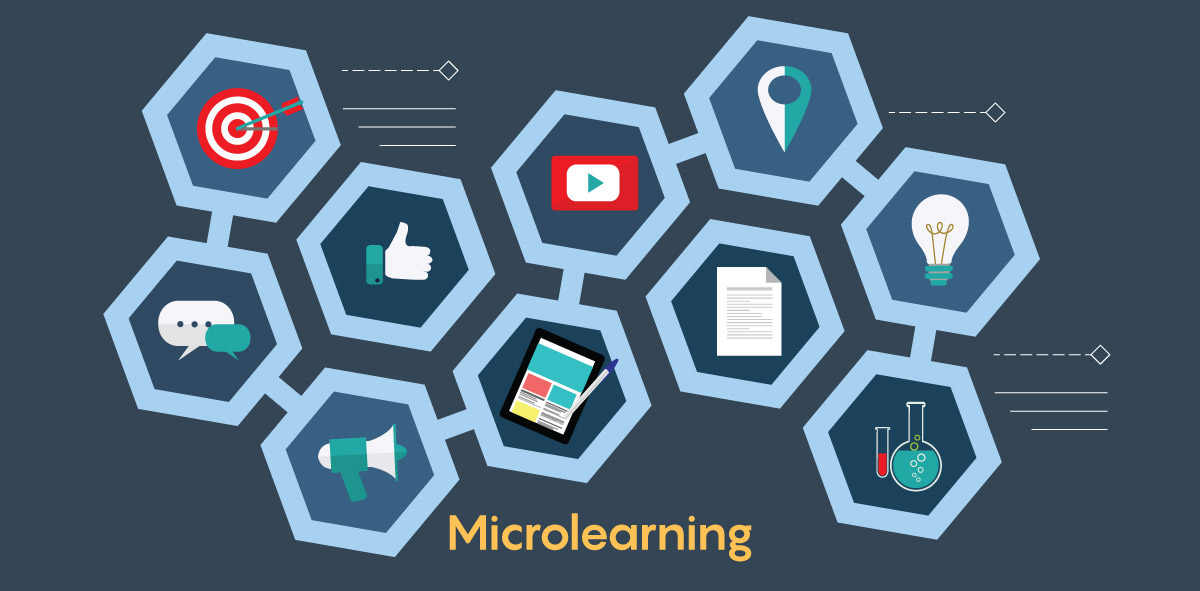
Microlearning typically involves short, focused learning units that can be completed in a matter of minutes. These might include brief videos, interactive quizzes, infographics, or short text passages. The key advantage of this approach is its alignment with the way many people consume information in the digital age – in short bursts, often while multitasking or during brief periods of downtime.
Just-in-time learning takes this concept a step further by providing learners with immediate access to relevant information exactly when they need it. This could be in the form of a quick tutorial on how to use a specific software feature, or a brief refresher on a particular concept before a meeting or presentation.
One of the key benefits of these approaches is their ability to combat the “forgetting curve” – the tendency for learned information to be lost over time if not reinforced. By presenting information in small, frequent doses and allowing learners to immediately apply what they’ve learned, microlearning and just-in-time learning can significantly improve retention and recall.
These methods are particularly well-suited to workplace learning and professional development. In fast-paced work environments where time is at a premium, employees can engage in continuous learning without significant disruption to their daily tasks. This not only improves productivity but also fosters a culture of continuous learning and improvement.
Moreover, microlearning and just-in-time learning lend themselves well to personalization. AI algorithms can analyze a learner’s behavior, preferences, and performance to recommend the most relevant micro-content at the most appropriate times.
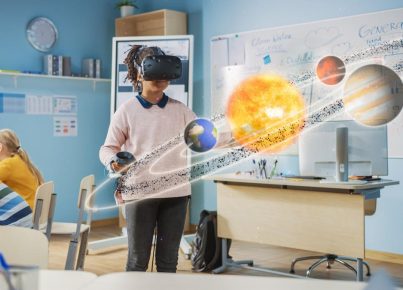
As immersive technologies continue to evolve, we’re seeing exciting applications of microlearning in virtual and augmented reality environments. For instance, AR apps can provide just-in-time information overlays in real-world contexts, such as step-by-step guidance for operating machinery or performing medical procedures.
While these approaches offer many benefits, it’s important to note that they are most effective when used as part of a broader learning strategy. Complex topics often require deeper, more sustained engagement. However, as part of a blended learning approach, microlearning and just-in-time learning can significantly enhance the overall effectiveness of immersive learning experiences.