

“`html
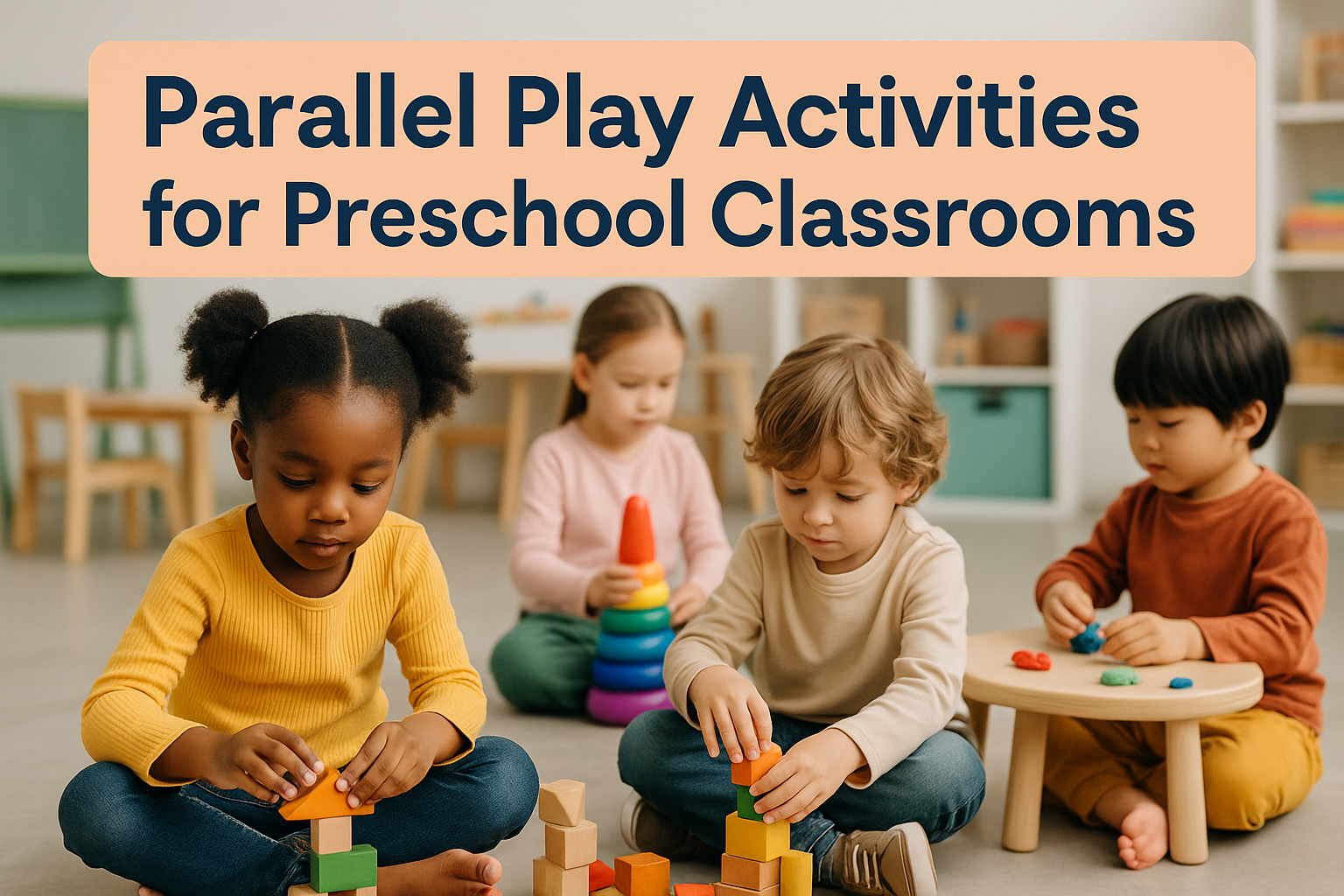
Parallel play activities play a vital role in the development of preschool children, allowing them to engage socially while still maintaining their individuality. This type of play, characterized by children playing side by side without direct interaction, not only fosters a sense of independence but also facilitates social learning. Understanding the significance of parallel play activities can help educators and parents create enriching classroom environments that encourage healthy development.
What is Parallel Play?
Parallel play is a crucial stage in child development, typically observed in toddlers and preschool-aged children, roughly between the ages of 2 and 4. During this stage, children play alongside each other but do not actively engage with one another. They might be involved in similar activities or utilize similar toys, but their interactions tend to be minimal. See also top sites for printables.
This type of play is essential for several reasons. Firstly, it allows children to explore their interests in a safe environment while developing independence. Secondly, it lays the groundwork for future social interactions, as children observe each other’s play styles and behaviors, gradually learning to communicate and cooperate. By engaging in parallel play activities, children can build foundational skills that support later stages of social development.
Benefits of Parallel Play Activities
Parallel play activities offer numerous benefits for preschool children, paving the way for enhanced cognitive, emotional, and social skills. Here are some key advantages:
- Independence: Children learn to engage with toys or activities on their own, fostering self-confidence and decision-making skills.
- Social Observation: While playing next to peers, children gain insights into social norms, problem-solving skills, and collaborative behaviors.
- Reduced Anxiety: For children who may be shy or hesitant to engage directly, parallel play activities provide a comfortable space to interact without the pressure of immediate social demands.
- Language Development: Even when not directly interacting, children may begin to pick up new vocabulary and expressions by listening to their peers.
- Creative Exploration: This type of play gives children the freedom to explore their creativity in their way while being inspired by the activities of their friends.
These benefits are especially crucial in a preschool environment where social skills are being cultivated. As children participate in parallel play activities, they can develop a sense of belonging and community, which is vital for their emotional well-being.
Identifying Effective Parallel Play Activities
Choosing the right parallel play activities is integral to maximizing their benefits. Here are some engaging ideas that can be implemented in preschool classrooms:
1. Creative Art Stations
Set up art stations where children can draw, paint, or sculpt. Each child can choose their medium and topic, allowing them to express their creativity while being near their peers. For instance, one child might be painting a landscape, while another creates a collage. Occasionally, they may comment on each other’s work, leading to natural conversations without the pressure to collaborate.
2. Building Blocks
Providing building blocks is a classic parallel play activity. Children can create their structures side by side. While one child builds a tall tower, another might focus on building a bridge. The children can see what each other is creating, potentially inspiring new ideas and sparking conversations about design and architecture.
3. Sensory Play Stations
Incorporating sensory play into the classroom can engage children’s senses and stimulate their curiosity. For example, a table filled with sand or water can allow children to experiment independently while observing what their peers are doing. Some may build sandcastles, while others may enjoy pouring and measuring, fostering parallel engagement. (See: Benefits of play for child development.)
4. Role-Playing Areas
Setting up a dramatic play corner with props like costumes, kitchen sets, or tools encourages children to enact scenarios. While one child pretends to cook, another might engage in a different narrative, such as working at a store. This allows for individual exploration while still playing in the same space.
5. Puzzles and Games
Introduce puzzle stations where children can work on their puzzles independently but within the same area. Different puzzles can cater to various interests and skill levels. As they tackle their puzzles, children might occasionally glance over to see how their friends are progressing, promoting a shared experience.
6. Nature Exploration
If possible, take the children outside for a nature scavenger hunt. Provide each child with a list of items to find (like leaves, rocks, or flowers). While they focus on their individual finds, they’ll be close to their peers, exchanging discoveries and experiences. This promotes observation skills and fosters a sense of shared adventure.
Incorporating Parallel Play Activities in the Curriculum
Integrating parallel play activities into the preschool curriculum requires thoughtful planning. Teachers need to create an environment that encourages autonomy while still being inviting and supportive. Here are some strategies to effectively incorporate these activities:
1. Designated Play Areas
Establish clear zones in the classroom where different activities can take place. Each corner could cater to varied interests, such as art, blocks, and sensory play. This way, children can move freely between activities, choosing what captures their attention while remaining in close proximity to peers.
2. Create a Schedule
A structured schedule that includes designated parallel play times can help children understand when it’s time to engage with their peers. Teachers can explain the importance of this type of play and encourage children to explore their interests while being mindful of their surroundings.
3. Facilitate Observation
Teachers can play an active role by observing the children during parallel play. Making note of interactions, encouraging sharing of materials, and asking guiding questions can foster deeper engagement. Even without direct interaction, teachers can help facilitate moments of connection between children.
Challenges and Solutions
While parallel play activities offer numerous advantages, implementing them can come with challenges. Here are a few common obstacles educators might face and strategies to overcome them:
1. Limited Interaction
While parallel play is beneficial, it can lead to limited social interaction among children. To encourage more engagement, teachers can initiate group discussions or invite children to share their creations. This could help bridge the gap between parallel play and direct interaction.
2. Conflicts Over Resources
Children may sometimes struggle with sharing toys or materials, leading to conflicts. Establishing clear guidelines for sharing and modeling positive communication can help children navigate these situations. Teachers might introduce a system for taking turns or encourage collaborative projects that require sharing.
3. Varied Skill Levels
Children in preschool will have diverse abilities and interests. To accommodate this variance, teachers can provide a range of activities that cater to different skill levels. By offering choices, children can engage in activities that suit their individual abilities while still participating in parallel play. (See: Activities that support child development.)
Current Relevance of Parallel Play Activities
In today’s era, where technology often dominates children’s attention, promoting parallel play activities becomes increasingly essential. With screen time on the rise, encouraging independent and social play can help counterbalance the effects of excessive device usage.
As educators and parents recognize the value of social-emotional learning, parallel play activities prove significant in helping children develop essential life skills. Skills such as empathy, decision-making, and emotional regulation often grow out of these early social experiences.
How to Encourage Parallel Play at Home
Encouraging parallel play isn’t just confined to the classroom. Parents can foster this type of play at home, making it a routine part of their children’s lives. Here are some practical tips:
1. Create Playdates
Invite other children over for playdates, ensuring that there are ample activities that promote parallel play. Having several toys or activity stations set up can help children engage alongside each other while still allowing for individual exploration.
2. Limit Screen Time
To promote more natural interactions, limit the time children spend on screens. Encourage outdoor activities or crafts that allow children to play beside each other without the interference of devices.
3. Use Open-Ended Toys
Select toys that encourage imagination and creativity, such as building blocks, art supplies, or dolls. These toys can inspire children to create their own scenarios while still being close to their peers.
Frequently Asked Questions about Parallel Play Activities
- What age do children typically start engaging in parallel play?
Children usually start engaging in parallel play around the age of 2 and continue this type of play until about age 4, gradually transitioning into more interactive forms of play. - Is parallel play beneficial for only preschoolers?
No, while parallel play is most common among toddlers and preschoolers, older children can also benefit from similar activities that allow for independent play alongside peers as they transition into cooperative play. - How can I tell if my child is engaging in parallel play?
You can observe if your child is playing near other children, using similar toys or activities without direct interaction. They might occasionally glance at their peers or make comments about what they’re doing. - Are there any specific toys that are best for parallel play?
Yes, toys like building sets, art supplies, and sensory bins are excellent for parallel play as they allow for individual creativity while being used in close proximity to others. - How can caregivers support parallel play in a daycare setting?
Caregivers can set up the environment to encourage parallel play by creating designated play areas, providing a variety of engaging materials, and modeling positive interactions.
Examples of Parallel Play Activities in Different Environments
Parallel play activities can extend beyond the classroom and into various settings. Here are some examples of how to encourage this type of play in different environments:
1. Community Parks
Parks provide an ideal setting for parallel play. You can set up play zones with a variety of equipment, such as swings, slides, and climbing frames. Children can play alongside each other while engaging in different activities, like swinging or climbing, which promotes a sense of community without the need for direct interaction.
2. Family Gatherings
During family gatherings, encourage children to engage in parallel play through activities like crafts or games. Set up a craft table where children can work on their own projects while being surrounded by cousins or siblings, allowing them to share ideas and inspiration while still focusing on their creations.
3. Playgrounds
In a playground setting, children can engage in parallel play through games like tag or hide-and-seek, where they’re involved in the same play scenario but still operate independently. This fosters both physical activity and social observation.
Enhancing Parallel Play Through Structure and Guidance
While parallel play promotes independence, some structure can enhance its benefits. Here are ways to guide children during these activities:
1. Set Goals
Introduce small goals for children during parallel play, such as completing an art project or building a specific structure with blocks. This encourages them to focus on their tasks while still being aware of their peers’ activities.
2. Provide Feedback
Offer positive feedback on their creations and interactions, even if indirect. Compliment their effort or creativity, which boosts their confidence and can inspire them to share their experiences with peers, leading to more engagement.
3. Encourage Reflection
After parallel playtime, gather the children and invite them to share what they observed during their play. This encourages verbal expression and helps them articulate their thoughts and ideas, further enhancing their language skills.
In summary, parallel play activities are more than just fun; they are building blocks for children’s growth in preschool classrooms. By incorporating engaging and thoughtful play experiences, educators can nurture the emotional, social, and cognitive development of preschoolers, setting them on a course for lifelong learning and connection.
“`
Trending Now
Frequently Asked Questions
What is parallel play in preschool?
Parallel play is a stage of child development where children play side by side without direct interaction, typically observed in toddlers and preschoolers aged 2 to 4. This type of play allows children to explore their interests independently while laying the groundwork for future social interactions.
What are the benefits of parallel play activities?
Parallel play activities offer several benefits, including fostering independence, enhancing social observation skills, and reducing anxiety for shy children. These activities help build foundational cognitive and emotional skills essential for later social development.
How does parallel play help with social skills?
Parallel play allows children to observe their peers, learning social norms and problem-solving behaviors while engaging in similar activities. This observation helps them gradually develop communication and cooperation skills for future interactions.
At what age does parallel play occur?
Parallel play typically occurs in toddlers and preschool-aged children, roughly between the ages of 2 and 4. This developmental stage is crucial for fostering independence and preparing children for more interactive forms of play. We covered free resources for preschoolers in more detail.
How can educators promote parallel play in the classroom?
Educators can promote parallel play by providing a variety of engaging toys and activities that encourage children to play alongside one another. Creating a safe and comfortable environment allows children to explore independently while observing their peers, enhancing their social development.
What’s your take on this? Share your thoughts in the comments below — we read every one.



