
The rise of social and collaborative learning platforms represents a significant trend in immersive learning, reflecting the growing recognition of the importance of peer interaction and collective knowledge construction in the educational process. These platforms leverage technology to create virtual spaces where students can interact, share ideas, and work together on projects, regardless of their physical location.
One of the key advantages of these platforms is their ability to foster a sense of community among learners. In traditional online learning environments, students often report feeling isolated. Social learning platforms address this by creating opportunities for meaningful interactions between students, instructors, and even industry professionals. These interactions can take various forms, from discussion forums and live chat sessions to virtual study groups and collaborative project spaces.
Many of these platforms incorporate elements of social media, such as user profiles, activity feeds, and the ability to follow other users or topics of interest. This familiar interface not only makes the platforms more engaging for students but also helps them develop digital literacy skills that are increasingly important in today’s connected world.
Collaborative features are another crucial aspect of these platforms. Tools for real-time document editing, screen sharing, and virtual whiteboards enable students to work together on projects and assignments, mimicking the collaborative environments they’re likely to encounter in their future careers. This not only enhances their learning of the subject matter but also helps develop crucial soft skills like communication, teamwork, and project management.
Moreover, these platforms often incorporate AI-driven features that can enhance the collaborative learning experience. For instance, intelligent matchmaking algorithms can pair students for group projects based on their skills, learning styles, or interests. AI can also analyze discussions and provide insights to instructors about student engagement and understanding.
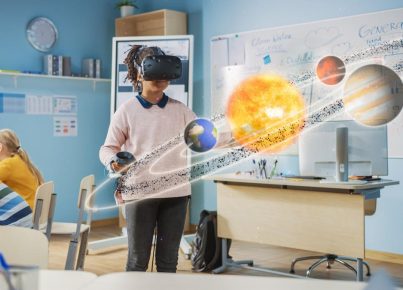
Another exciting development in this area is the integration of virtual and augmented reality technologies. Some platforms are experimenting with virtual campuses or classrooms where students can interact with each other and course materials in a 3D environment, creating a more immersive and engaging learning experience.
As these platforms continue to evolve, we can expect to see even more innovative features that blur the lines between physical and virtual learning environments, creating rich, interactive spaces for knowledge sharing and collaborative learning.