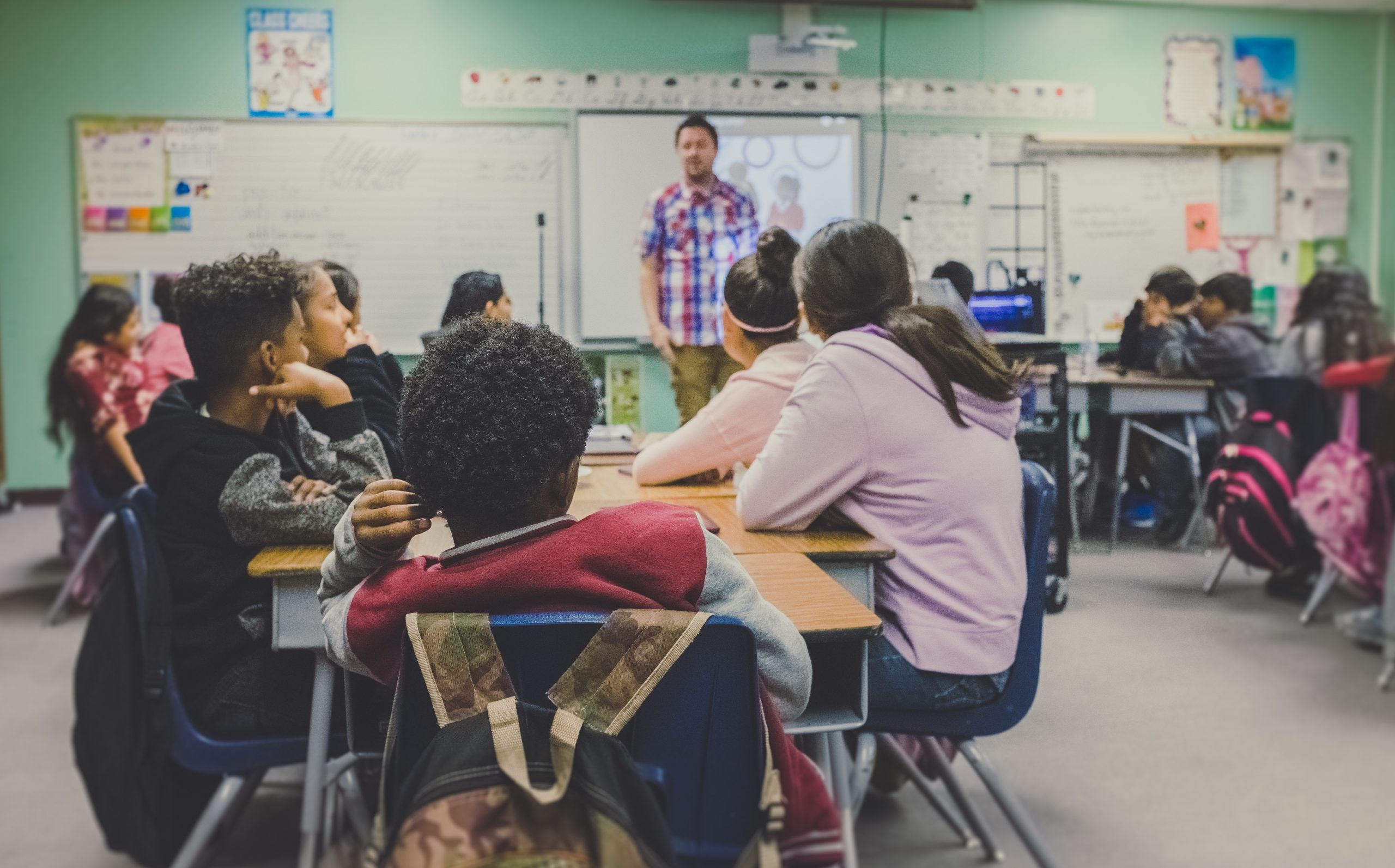

Picture comprehension is an activity where children look at pictures, find interesting details and then answer simple questions about the image. These questions are usually based on who, what, where, when, and why. For example, some questions you might find in a picture comprehension are “what is the park’s name in the photo?” or “how many people with ice creams can you see?”
Why are picture comprehensions useful?
Using picture comprehension can help get children ready for reading comprehension. If you use a clear image, children can easily decipher meaning from a picture where they might not be able to with text. They can use simple sentences to describe what is present or happening in the photo and start to understand how to take their reading further.
You can use one of these comprehensions to introduce budding readers to the skills they need to complete comprehension. For example, picture comprehensions allow children to practice describing what is in an image and choose a sentence that best matches the picture. It’s a great starting point for decoding and understanding stories.
Using this teaching tool to develop skills
The skills to understand and write about a text are often something that younger children struggle with. Older children with reading difficulties also tend to become fixated on literary techniques, complicated language, and text features, taking them away from the meaning. This can even mean that they miss the purpose altogether, which defeats the point of comprehension.
Reading comprehension is all about understanding and retaining information and being able to tell people what they’ve learned from it. The skills they will learn from practicing with pictures set them up to be able to do this more effectively. Using clear images and getting children to use simple sentences is the most efficient way of using these comprehensions.
It helps children understand what the author believes is essential, visualize the test’s context, and learn the specific vocabulary. Finally, it gets them ready for more advanced texts and literary questions.
A lot of this activity is to get children to understand why something is happening or what that means about their character, the plot, or what might happen next.
How to use these comprehensions in your classroom
- You could make a PowerPoint with different pictures and get them to shout out what they see that is worth noting.
- If you have an interactive whiteboard, you could get a picture up and get them to circle everything necessary in the image.
- Using whiteboards, you could get your class to write down or draw the essential aspects of the picture shown to them.
- Host a competition in which whoever can spot the essential things in the picture wins a prize.
- Get children to work in pairs, give one child a list of the essential features in a picture and get the other to guess.
- Encourage children to draw detailed but simple pictures for one another and get them to explain what the image is about.
- Give them some sticky labels and get them to label the picture.
- Slowly reveal bits of the picture and get them to guess what the whole picture will be.
- Get children to redraw the most crucial picture parts they can see.
- Show children a picture and get them to write a short story based on it.
- Use them as homework, give the picture to children to take home with them, and then ask them what their vision was the next day.
- Do a class mind map in the picture about people’s thoughts and feelings.
- Turn it into a quiz show where you ask teams of children questions about the pictures they’ve seen.