
“`html
The adolescent years are a crucial time for personal development, marked by numerous emotional and social challenges. One of the most significant aspects of this developmental stage is the interplay between self-esteem and resilience. Understanding the connection between self-esteem and resilience in adolescents can help parents, educators, and mental health professionals support young individuals as they navigate through adolescence.
Defining Self-Esteem and Resilience
Self-esteem refers to an individual’s subjective evaluation of their worth. It encompasses beliefs about oneself, such as confidence in one’s abilities and feelings of belonging. In contrast, resilience is the ability to bounce back from adversity, adapt to challenging situations, and maintain a positive outlook despite difficulties. Both self-esteem and resilience play critical roles in adolescent development, influencing how young people handle stress and setbacks.
The Importance of Self-Esteem in Adolescents
During adolescence, self-esteem can fluctuate significantly due to various factors, including peer relationships, academic performance, and family dynamics. High self-esteem is linked to positive outcomes such as better academic performance, healthier relationships, and improved mental health. Conversely, low self-esteem can lead to a range of issues, including depression, anxiety, and social withdrawal.
Research has shown that adolescents with high self-esteem are more likely to engage in prosocial behaviors, such as volunteering and supporting their peers. These positive behaviors in turn contribute to a supportive community, fostering a sense of belonging and connection. This cyclical relationship highlights the importance of nurturing self-esteem during these formative years.
The Role of Resilience in Adolescent Development
Resilience is not just about recovering from setbacks; it’s also about developing coping strategies and a growth mindset. Resilient adolescents are better equipped to face challenges like academic pressure, peer conflict, and family issues. They tend to see failures as opportunities for learning rather than as reflections of their worth.
Studies show that resilience can be cultivated through various means, such as supportive relationships with adults, opportunities for skill development, and a safe environment where adolescents can express themselves. This environment encourages them to take risks, learn from mistakes, and develop problem-solving skills, all of which contribute to stronger resilience.
The Interplay Between Self-Esteem and Resilience
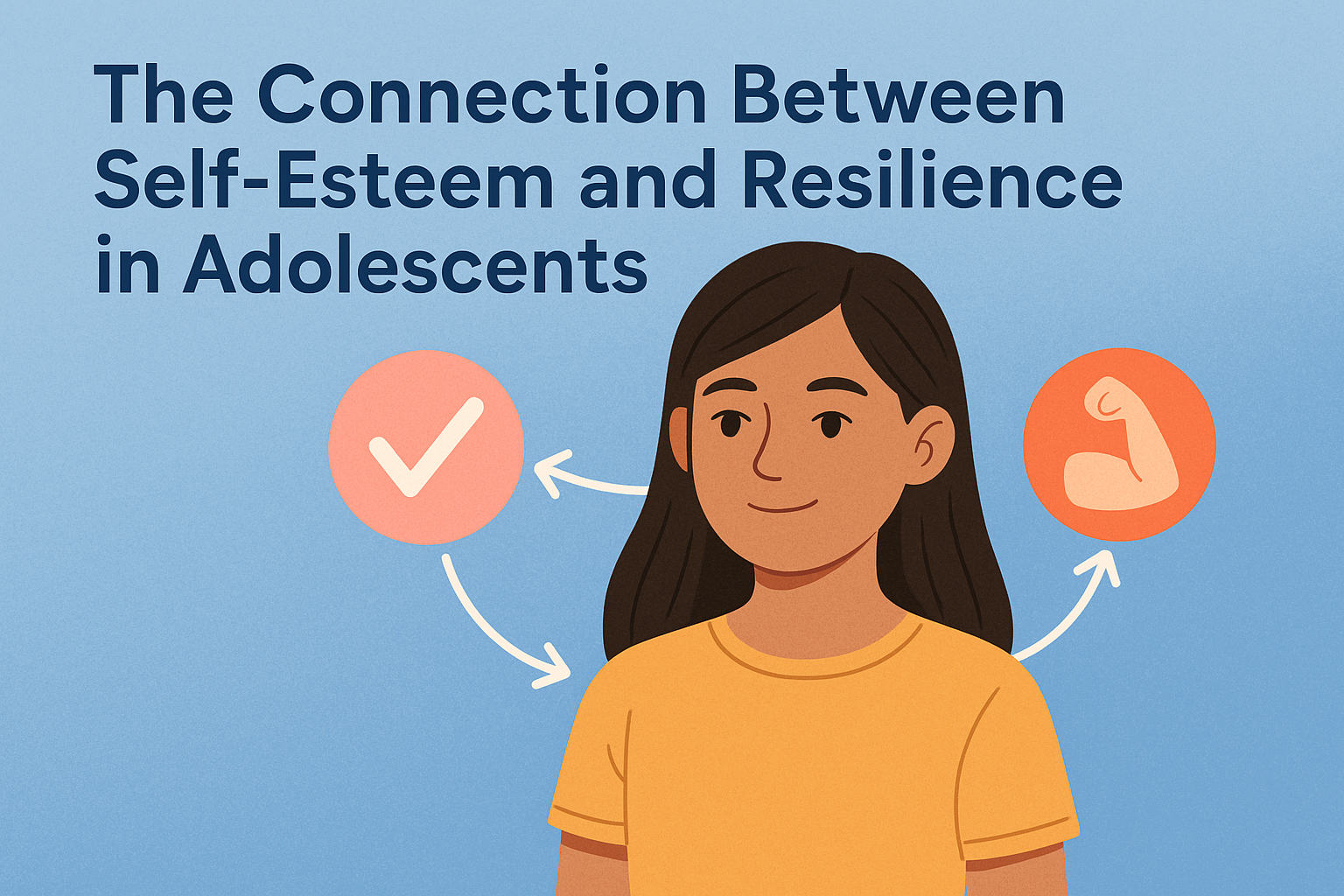
The relationship between self-esteem and resilience is complex and reciprocal. High self-esteem can lead to increased resilience, as young people who believe in their abilities are more likely to face challenges head-on. They view obstacles as surmountable and are more willing to take risks, fostering a resilient attitude in the face of adversity. (See: Self-esteem and mental health in adolescents.)
Conversely, resilience can enhance self-esteem. When adolescents successfully navigate difficult situations, they build a sense of mastery and confidence in their abilities. This success reinforces their self-worth, leading to higher self-esteem. For instance, a teenager who learns to cope with academic pressure through effective study habits not only improves their grades but also feels more competent and confident as a learner.
Challenges to Developing Self-Esteem and Resilience
Despite the clear connection between self-esteem and resilience, many adolescents face challenges that hinder their development in these areas. Social media, for instance, has dramatically altered the landscape of teenage self-esteem. The constant comparison to idealized images and lifestyles can lead to feelings of inadequacy and lower self-worth.
Moreover, academic pressures have intensified, often placing adolescents in a high-stakes environment where failure feels catastrophic. This can lead to a fear of failure rather than a healthy approach to learning and growth. Additionally, family dynamics play a crucial role; adolescents from supportive families often exhibit higher self-esteem and resilience, while those from challenging backgrounds may struggle.
Strategies to Foster Self-Esteem and Resilience
Given the importance of self-esteem and resilience in adolescents, parents, educators, and mentors can take proactive steps to foster these traits. Here are some effective strategies:
- Encourage open communication: Creating a safe space for adolescents to express their thoughts and feelings can significantly boost their self-esteem. Listening without judgment allows them to process their emotions and feel valued.
- Promote goal-setting: Helping adolescents set realistic, achievable goals fosters a sense of accomplishment. Celebrating even small successes can build their confidence and resilience.
- Model resilience: Adults can demonstrate resilience by sharing their own experiences of overcoming challenges. This not only provides relatable examples but also reinforces the idea that setbacks are part of growth.
- Encourage participation in extracurricular activities: Whether it’s sports, arts, or clubs, engaging in activities outside of academics can help adolescents discover their strengths and build new skills, contributing to both self-esteem and resilience.
- Teach coping strategies: Providing adolescents with tools to manage stress, such as mindfulness, deep breathing, or problem-solving techniques, empowers them to face challenges more effectively.
Current Relevance and Future Implications
In today’s world, the connection between self-esteem and resilience in adolescents is more crucial than ever. With the rise of mental health issues among teenagers, understanding these concepts can directly impact their well-being and future success. Recent studies suggest that the prevalence of anxiety and depression among adolescents is on the rise, making it imperative to address self-esteem and resilience proactively.
Moreover, as teenagers navigate a world that’s increasingly digital and interconnected, they face new challenges that can affect their mental health. By fostering self-esteem and resilience, we can equip them with the skills needed to thrive in a rapidly changing environment. This preparation not only benefits individuals but also society as a whole, as resilient adolescents often grow into confident, capable adults.
Practical Examples of Self-Esteem and Resilience in Adolescents
Real-life examples can illustrate how self-esteem and resilience manifest in adolescents. Consider a teenage student who faces academic challenges. After struggling with math, they receive support from a teacher who encourages them to seek tutoring. This initiative leads to improved grades, which boosts their confidence and self-esteem. As they witness their hard work pay off, they become more resilient, knowing they can overcome difficulties in the future.
Another example is an adolescent who experiences bullying at school. Instead of succumbing to negative feelings, they find solace in extracurricular activities like theater or sports, where they build friendships and develop new skills. Through these experiences, they learn to advocate for themselves and find supportive peers, thereby enhancing both their self-esteem and resilience. (See: Adolescent mental health and self-esteem.)
Statistics on Self-Esteem and Resilience in Adolescents
Understanding the scope of the issues surrounding self-esteem and resilience can be highlighted by relevant statistics. According to a survey conducted by the American Psychological Association, about 30% of adolescents report feeling sad or hopeless. This statistic underscores the need for focused interventions to improve self-esteem and resilience.
Moreover, a study published in the Journal of Youth and Adolescence found that adolescents with high self-esteem reported significantly lower levels of stress and anxiety, reinforcing the idea that boosting self-esteem can have tangible mental health benefits. Additionally, research indicates that around 50% of resilient adolescents are likely to succeed academically compared to their less resilient peers, demonstrating the significant impact resilience can have on educational outcomes.
Expert Perspectives on Fostering Self-Esteem and Resilience
Experts in adolescent psychology emphasize the importance of fostering both self-esteem and resilience. Dr. Lisa Damour, a clinical psychologist and author, suggests that parents should focus on building their children’s self-esteem by emphasizing effort rather than innate ability. This approach encourages adolescents to value hard work and persistence, which are crucial for developing resilience.
Furthermore, Dr. Michael Ungar, a resilience researcher, advocates for creating environments that promote positive relationships and community support. He emphasizes the role of mentorship in fostering resilience, suggesting that adolescents who have supportive adults in their lives are better equipped to handle challenges and setbacks.
Frequently Asked Questions (FAQ)
What are the signs of low self-esteem in adolescents?
Common signs include withdrawal from social activities, excessive criticism of oneself, difficulty accepting compliments, and a general sense of hopelessness. If you notice these signs in an adolescent, it may be beneficial to have open conversations about their feelings and seek professional help if needed.
How can parents help their teens build resilience?
Parents can help by encouraging autonomy, allowing their teens to make decisions, and supporting them through failures. Teaching problem-solving skills and providing a safe space to discuss challenges also significantly contributes to resilience.
Is it possible to improve self-esteem and resilience simultaneously?
Absolutely! Strategies like setting achievable goals, celebrating successes, and fostering supportive relationships can enhance both self-esteem and resilience concurrently. As one improves, the other often does as well, reinforcing positive growth.
Can school programs effectively boost self-esteem and resilience?
Yes, many schools have implemented programs that focus on social-emotional learning (SEL), which have been shown to improve both self-esteem and resilience among students. These programs teach skills such as self-awareness, relationship-building, and responsible decision-making.
What role does social media play in shaping self-esteem and resilience in adolescents?
Social media can have both positive and negative effects. It can foster connections and support networks but also lead to unhealthy comparisons and cyberbullying. Encouraging mindful social media use and promoting positive interactions can mitigate the negative impacts.
How can community involvement enhance self-esteem and resilience?
Community involvement provides adolescents with a sense of purpose and belonging. Engaging in community service or local organizations helps them develop social skills and build networks of support. This participation can reinforce their self-worth and resilience by showing them the positive impact they can have on others.
Are there specific developmental milestones linked to self-esteem and resilience?
Yes, several milestones are crucial during adolescence that correlate with the development of self-esteem and resilience. For instance, mastering new skills, forming meaningful friendships, and achieving academic success are all linked to increased self-esteem. Likewise, overcoming challenges during these milestones enhances resilience, providing a solid foundation for future difficulties.
Conclusion
The connection between self-esteem and resilience in adolescents is undeniable and remains a vital area of focus for parents, educators, and mental health advocates. By nurturing these traits, we empower young individuals to face challenges head-on and believe in their worth. As we continue to support adolescents during this critical stage of development, we can help pave the way for healthier, more resilient future generations.
“`
Trending Now
Frequently Asked Questions
What is the relationship between self-esteem and resilience in adolescents?
Self-esteem and resilience are interconnected in adolescents. High self-esteem enhances resilience by providing confidence and a sense of worth, enabling teens to cope better with challenges. Conversely, resilience can boost self-esteem as adolescents learn to overcome adversity, fostering a positive self-image.
How does low self-esteem affect adolescents?
Low self-esteem in adolescents can lead to various issues such as depression, anxiety, and social withdrawal. It negatively impacts their academic performance and relationships, making it essential to support and nurture their self-esteem during these formative years.
Why is self-esteem important for teenagers?
Self-esteem is crucial for teenagers as it influences their mental health, academic success, and social interactions. High self-esteem is linked to positive outcomes, including better relationships and greater engagement in prosocial behaviors, which contribute to a sense of belonging.
What are some ways to build resilience in adolescents?
Building resilience in adolescents involves teaching coping strategies, fostering a growth mindset, and encouraging problem-solving skills. Supportive environments that promote positive self-esteem and healthy relationships also play a significant role in enhancing resilience.
How can parents support their child's self-esteem?
Parents can support their child's self-esteem by providing positive reinforcement, encouraging open communication, and being involved in their lives. Fostering a supportive environment that values their efforts and achievements helps adolescents develop a healthy self-image.
What’s your take on this? Share your thoughts in the comments below — we read every one.