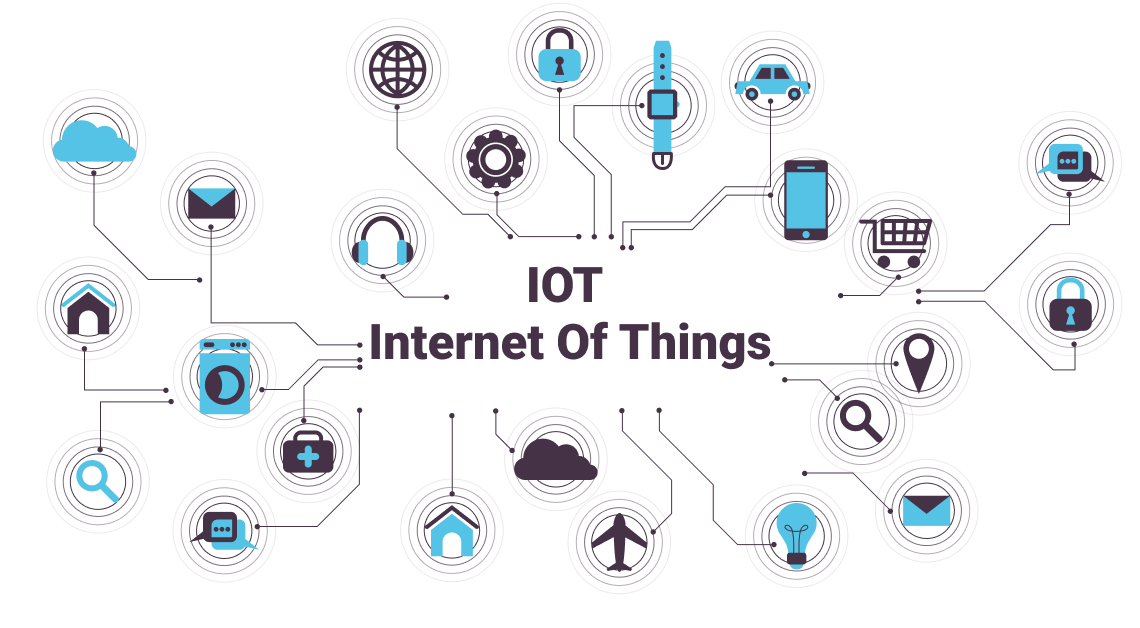

The Internet of Things (IoT) is rapidly expanding, with an increasing number of everyday devices becoming connected to the internet. This trend is having a profound impact on digital citizenship, changing the way we interact with our environment and raising new questions about privacy, security, and the role of technology in our lives.
One of the most visible aspects of this trend is the rise of smart home devices. From voice-activated assistants to smart thermostats and security systems, these devices are making our homes more connected and automated. While this can offer convenience and energy efficiency, it also raises important questions about data collection and privacy in our most personal spaces. Digital citizens need to be aware of what data these devices are collecting and how it’s being used.
The IoT is also having a significant impact in public spaces. Smart city initiatives are using IoT devices to monitor and manage everything from traffic flow to air quality. While these applications can improve urban living, they also raise concerns about surveillance and the potential misuse of data. Digital citizens need to be engaged in discussions about how these technologies are implemented in their communities.
In the healthcare sector, IoT devices are enabling new forms of remote patient monitoring and personalized healthcare. Wearable devices can track vital signs and alert healthcare providers to potential issues. While this has the potential to improve health outcomes, it also raises questions about data privacy and the security of sensitive health information.
The IoT is also transforming the workplace, with connected devices being used to monitor productivity, manage resources, and improve safety. This trend is creating new challenges for digital citizenship in the professional sphere, including questions about employee privacy and the ethical use of data collected in the workplace.
As more devices become connected, the attack surface for cybercriminals increases. IoT devices often have weaker security measures than traditional computers, making them potential entry points for hackers. This trend is highlighting the need for better security practices and raising awareness about the importance of cybersecurity as an aspect of digital citizenship.
The massive amount of data generated by IoT devices is fueling advancements in artificial intelligence and machine learning. This is leading to more personalized and predictive services, but also raising concerns about algorithmic decision-making and the potential for bias in AI systems trained on IoT data.
Education about IoT technologies and their implications is becoming an important part of digital citizenship training. This includes understanding how IoT devices work, being aware of the data they collect, and learning how to secure these devices.
The IoT is also raising new legal and ethical questions. For example, who owns the data generated by IoT devices? How can we ensure that IoT technologies are developed and used in ways that respect individual rights and promote the public good? Digital citizens will need to engage with these questions and participate in shaping the policies that govern IoT technologies.
Looking ahead, we can expect the IoT to become even more pervasive, with 5G networks enabling more devices to be connected and edge computing allowing for faster, more localized data processing. This will likely lead to new norms and expectations for digital citizenship in an increasingly connected world. The challenge will be harnessing the benefits of IoT technologies while addressing concerns about privacy, security, and the digital divide.