
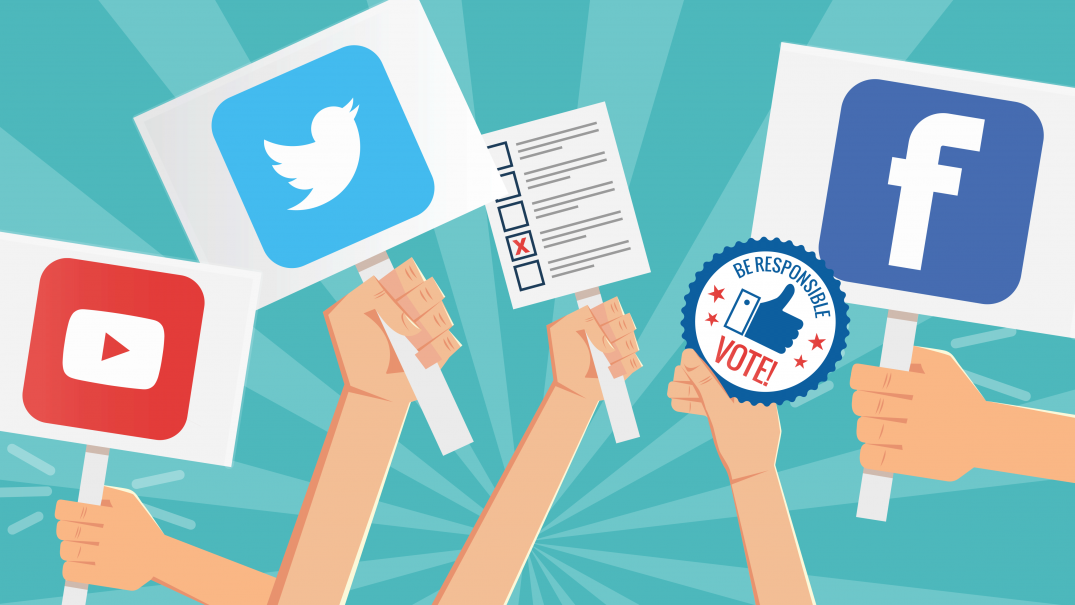

Social media platforms have become integral to modern civic engagement and democratic processes, fundamentally changing how citizens interact with each other, their governments, and political issues. This trend has both positive and negative implications for digital citizenship and the health of democratic societies.
On the positive side, social media has democratized access to information and provided platforms for voices that might otherwise go unheard. It has enabled rapid organization of social movements, facilitated political discourse, and allowed citizens to directly engage with their elected representatives. Platforms like Twitter and Facebook have become important tools for politicians to communicate with constituents and for citizens to express their views on political issues.
However, the impact of social media on democracy is not universally positive. The spread of misinformation and disinformation on these platforms has become a significant concern. The ease with which false or misleading information can be shared and amplified on social media has led to concerns about the manipulation of public opinion and the integrity of democratic processes.
The phenomenon of “echo chambers” or “filter bubbles” on social media is another trend impacting digital citizenship. These are digital spaces where individuals are primarily exposed to information and opinions that align with their existing beliefs, potentially reinforcing biases and polarizing public discourse. This trend has raised concerns about the fragmentation of the public sphere and the ability of citizens to engage in constructive dialogue across ideological divides.
Social media platforms have also been criticized for their role in amplifying extreme views and facilitating the spread of hate speech. The challenge of moderating content while respecting freedom of expression has become a major issue in the realm of digital citizenship.
In response to these challenges, there’s a growing trend towards digital literacy initiatives focused specifically on social media. These programs aim to teach citizens how to critically evaluate information they encounter on social platforms, understand the mechanisms of algorithmic content curation, and engage in respectful online dialogue.
There’s also an increasing push for greater transparency and accountability from social media companies. This includes calls for more effective content moderation, clearer policies on political advertising, and better mechanisms for addressing the spread of misinformation.
Governments and regulatory bodies are grappling with how to address the impact of social media on democracy. This has led to debates about potential regulations, such as requirements for platforms to take more responsibility for the content they host or measures to ensure the transparency of political advertising on social media.
Looking ahead, the relationship between social media, civic engagement, and democracy will likely continue to evolve. We can expect to see ongoing efforts to harness the positive potential of these platforms for civic engagement while mitigating their negative impacts. This may include technological solutions, such as improved AI for detecting misinformation, as well as social and educational initiatives to promote responsible digital citizenship in the age of social media.



