
“`html
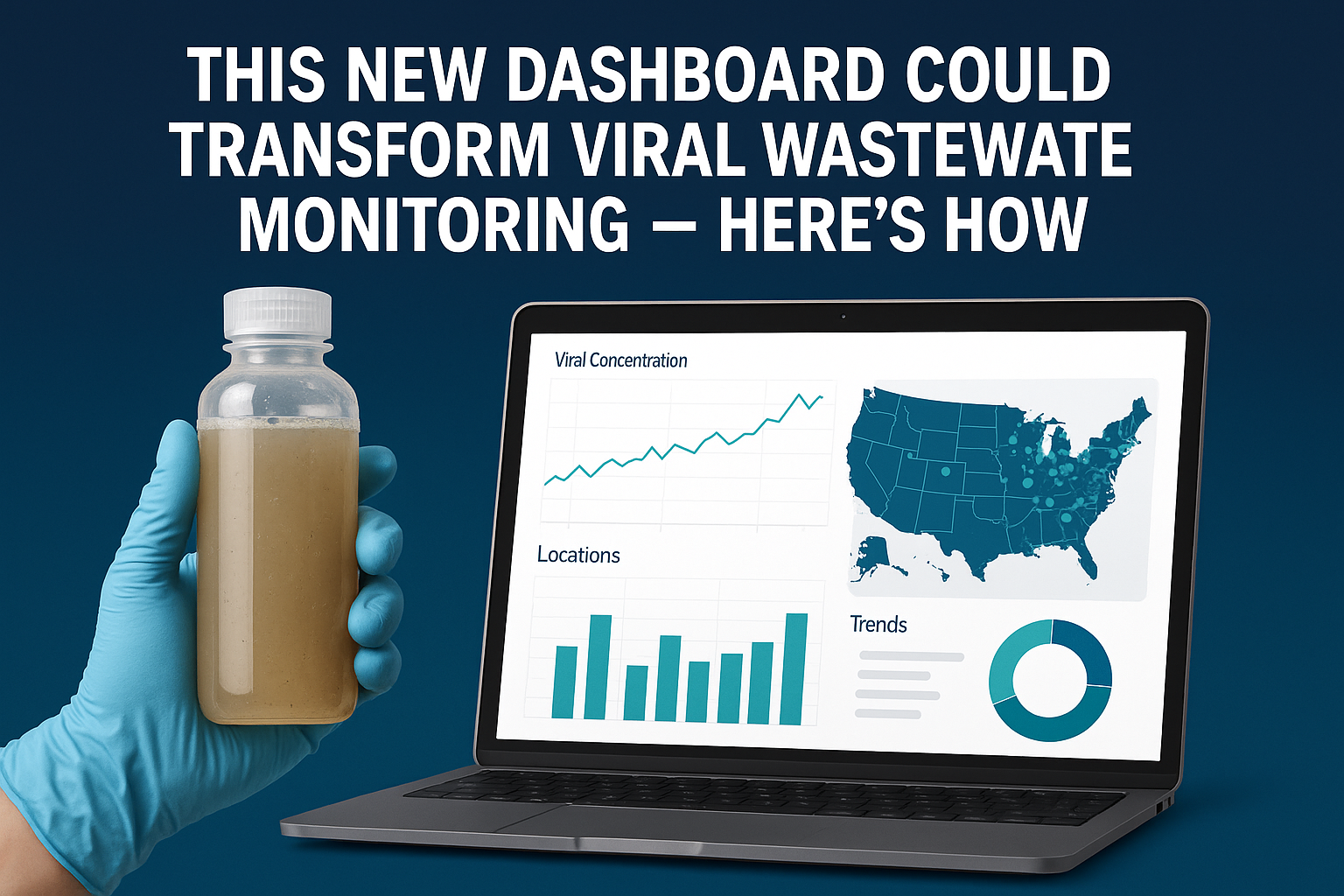
The world of public health is always evolving, and one of the most exciting advancements in recent years is the introduction of viral wastewater monitoring. This innovative approach allows us to trace the spread of viruses, potentially offering early warnings about outbreaks that could affect entire communities. A recent breakthrough in this field is the development of SeqBoard, a groundbreaking public dashboard designed to track viral genomic detections in wastewater. This tool is not only a scientific marvel but also a potential game-changer in how communities respond to viral threats.
The Significance of Viral Wastewater Monitoring
Viral wastewater monitoring has emerged as a crucial tool in public health, especially in light of recent global pandemics. By analyzing wastewater, researchers can detect the presence of viruses even before clinical cases are reported. This proactive approach can be particularly effective in managing outbreaks, as it provides a broader view of viral spread that might remain hidden in traditional clinical surveillance.
The concept is relatively straightforward: wastewater contains genetic material from viruses shed by infected individuals. By collecting and analyzing samples from various points in a community, public health officials can gauge the prevalence of a virus, understand its mutations, and even predict potential surges in cases. This can greatly enhance the effectiveness of public health responses and resource allocation.
Introducing SeqBoard: A New Era of Monitoring
SeqBoard is being heralded as the first publicly available pan-viral monitoring dashboard, making it a significant milestone in the field of health informatics. This dashboard compiles data from wastewater samples collected between May 2022 and May 2026, identifying an astonishing 1,299 distinct viral species from 4,493 unique samples. Such a robust dataset provides a comprehensive view of viral activity in communities, paving the way for more informed public health responses.
What sets SeqBoard apart is its accessibility. In a world where data can often feel locked away behind paywalls or complex algorithms, SeqBoard democratizes information. Anyone can access the dashboard and view real-time data on viral detections in their community. This transparency is critical, especially in times of public health crises when anxiety and uncertainty can run high.
The Mechanics Behind SeqBoard
So how does SeqBoard work? At its core, it integrates genomic sequencing technology with data visualization techniques to present actionable insights. Wastewater samples are collected from various locations, where they undergo genomic sequencing to identify viral DNA and RNA. This information is then processed and uploaded to the SeqBoard platform, which displays current viral detections in an easily interpretable format.
This integration of technology allows for rapid detection and reporting, crucial in today’s fast-paced public health landscape. For instance, if a particular area shows a rise in a specific viral strain, local health authorities can respond more swiftly, implementing measures to curb the spread before it spirals out of control. The dashboard also has the potential to track variants of concern, giving communities a heads-up about mutations that might evade existing treatments or vaccines.
Addressing Public Concerns Through Data
One of the most exciting aspects of SeqBoard is its ability to connect to public anxiety about outbreaks and hidden viral spreads. During a health crisis, people want answers, and they want them quickly. The data-driven insights provided by SeqBoard can help quell fears by providing concrete information. Instead of relying on generalized statistics or government announcements, communities can turn to their local data to understand what’s happening around them. (See: CDC on wastewater surveillance.)
For instance, if SeqBoard indicates a surge in a respiratory virus in a specific region, local governments can communicate this information to residents, advising them on precautionary measures such as increased masking or social distancing. This level of transparency and targeted communication can foster greater trust between authorities and community members, which is essential for effective public health response.
Beyond COVID-19: The Broad Applications of SeqBoard
While the development of SeqBoard has undoubtedly been influenced by the COVID-19 pandemic, its potential applications extend far beyond this one virus. The dashboard’s capacity for detecting multiple viral species means it can serve as a public health tool for various pathogens, including those causing influenza, norovirus, and even emerging zoonotic viruses.
This is particularly relevant in a world that’s increasingly interconnected. As global travel increases, the risk of outbreaks from exotic or previously eradicated viruses grows. SeqBoard stands as a sentinel in this new reality, allowing for the monitoring of viruses that may not yet have clinical cases reported. The ability to track a wide range of viral species in real-time could make a significant difference in managing outbreaks before they escalate.
The Future of Viral Wastewater Monitoring
As we look to the future, the potential for viral wastewater monitoring continues to expand. The creation of dashboards like SeqBoard represents just the beginning. There are several avenues for growth and improvement in this field:
- Integration with Other Health Data: Combining wastewater data with clinical data could provide even richer insights. For instance, linking SeqBoard findings with hospital admissions or local vaccination rates could help paint a comprehensive picture of community health.
- Advanced Predictive Modeling: As the dataset grows, so too does the ability to utilize machine learning algorithms to predict future outbreaks. This could allow public health officials to anticipate viral surges and respond accordingly.
- Global Collaboration: Sharing data across borders could bolster global health security. By contributing to a global database, countries can learn from each other’s experiences and strategies in managing viral threats.
- Community Engagement: Educating communities about the importance of wastewater monitoring can foster greater public involvement. This could lead to increased sample collection efforts and, ultimately, more accurate data.
Each of these developments has the potential to enhance our understanding of viral spread and to refine our responses to outbreaks.
Challenges and Considerations
Despite its promise, the implementation of viral wastewater monitoring through dashboards like SeqBoard doesn’t come without challenges. Issues such as privacy concerns, the complexity of interpreting data, and the potential for misinformation need to be addressed. The public must be adequately educated on the significance of the data, how to interpret it, and the limitations of wastewater monitoring.
Moreover, as with any data-driven approach, there is the risk of overreliance on technology. Public health officials must strike a balance between digital insights and traditional public health strategies to ensure a comprehensive response to health threats.
Comparative Analysis: Viral Wastewater Monitoring vs. Traditional Surveillance
When discussing viral wastewater monitoring, it’s essential to understand how it stacks up against traditional epidemiological surveillance methods. Traditional surveillance often relies on reported cases from healthcare providers, which can be slow and inconsistent. In contrast, wastewater monitoring provides a more comprehensive snapshot of viral presence across a community, capturing data from asymptomatic individuals who may not seek medical attention. (See: Nature article on viral monitoring.)
A study published in the journal Environmental Science & Technology highlighted that wastewater monitoring could detect viral RNA weeks before any clinical cases were reported in the population. This leads to earlier interventions and potentially more lives saved. Additionally, wastewater systems can cover entire communities at once, which is particularly advantageous in dense urban areas where outbreaks can spread rapidly.
However, traditional methods still have their place. For example, clinical surveillance can provide detailed information about the demographics of affected individuals, which is crucial for targeted interventions. A hybrid approach that incorporates both wastewater monitoring and traditional surveillance could offer the most effective strategy for managing public health.
Frequently Asked Questions
What exactly is viral wastewater monitoring?
Viral wastewater monitoring involves the analysis of sewage samples to detect the presence of viruses. By examining the genetic material of viruses found in wastewater, researchers can gain insights into viral spread within a community.
How does SeqBoard differ from other monitoring tools?
SeqBoard is unique in its public accessibility and its focus on a broad range of viral species. Unlike many monitoring tools that are exclusive to researchers or public health agencies, SeqBoard allows anyone to access real-time data about viral detections.
What are the main benefits of this monitoring approach?
The main benefits include early detection of viral outbreaks, the ability to monitor asymptomatic cases, real-time data availability, and the potential for tracking multiple viruses simultaneously. This proactive strategy can lead to quicker public health responses.
Can wastewater monitoring help in tracking vaccine effectiveness?
Yes, it can. By analyzing wastewater, researchers can observe the prevalence of specific virus strains and mutations, providing valuable data on vaccine coverage and effectiveness within a community. If certain strains become more prevalent, this might indicate a need for updated vaccines or public health interventions.
Are there any privacy concerns associated with wastewater monitoring?
Privacy concerns do exist, particularly regarding the identification of individuals based on viral genetic data. However, wastewater monitoring focuses on community-level data rather than individual health information, which mitigates many privacy issues. Public health authorities are also encouraged to maintain transparency about how data is collected and used.
The Role of Technology in Wastewater Monitoring
As technology continues to evolve, its role in wastewater monitoring will likely expand. New tools are being developed to enhance sample collection and analysis, leading to improved accuracy and timeliness in detecting viral presence. For example, advancements in sensor technology may allow for real-time monitoring of wastewater, providing immediate alerts when pathogens are detected. This could enable quicker public health responses and more targeted interventions. (See: WHO facts on water and health.)
Furthermore, machine learning algorithms are increasingly being applied to wastewater data. By analyzing patterns over time and correlating them with clinical data, these algorithms can learn to predict outbreaks based on trends in viral presence. This predictive capability will be instrumental in proactive public health planning and response.
Viral Wastewater Monitoring in Different Regions
The implementation and effectiveness of viral wastewater monitoring can vary significantly between regions. Urban areas, with their dense populations and complex sewer systems, present unique challenges and opportunities. For instance, cities like New York and Los Angeles have already begun utilizing wastewater monitoring to track COVID-19 prevalence, adjusting public health strategies based on findings.
In contrast, rural areas may face challenges related to infrastructure and resource availability. However, the benefits of wastewater monitoring in these regions can be equally profound, as fewer healthcare facilities may mean that symptomatic cases go unnoticed. Tailored approaches that consider local conditions will be essential for the successful implementation of viral wastewater monitoring across diverse landscapes.
Conclusion: A New Tool in the Public Health Arsenal
SeqBoard represents a significant advancement in the field of viral wastewater monitoring, providing an innovative tool for tracking viral spread in communities. With its vast dataset and accessibility, it stands to empower public health officials and inform local communities about potential viral threats. As we continue to navigate the complexities of public health, tools like SeqBoard will be instrumental in enhancing our preparedness and response to viral outbreaks.
As this technology evolves, it will be fascinating to observe how it integrates with other public health initiatives and how it aids in creating a healthier future. After all, in a world where viral threats are ever-present, having the ability to monitor and respond effectively could mean the difference between managing an outbreak and facing a full-blown crisis.
“`
Trending Now
Frequently Asked Questions
What is viral wastewater monitoring?
Viral wastewater monitoring is a public health tool that analyzes wastewater to detect viruses shed by infected individuals. This method can identify the presence of viruses before clinical cases are reported, offering early warnings about potential outbreaks and helping manage public health responses more effectively.
How does SeqBoard work?
SeqBoard is a public dashboard that tracks viral genomic detections in wastewater. It compiles data from samples collected between May 2022 and May 2026, identifying numerous viral species. This comprehensive dataset enhances understanding of viral activity and aids in predicting outbreaks in communities.
Why is wastewater monitoring important for public health?
Wastewater monitoring is crucial because it provides a broader view of viral spread, detecting infections that may not yet be reported clinically. This proactive approach allows health officials to allocate resources efficiently and respond swiftly to emerging viral threats, ultimately protecting community health.
What are the benefits of using SeqBoard?
SeqBoard offers several benefits, including real-time tracking of viral activity, enhanced data accessibility for public health officials, and the ability to identify viral mutations. This tool significantly improves the effectiveness of outbreak management and community health responses by providing vital information on viral prevalence.
Can wastewater monitoring predict future outbreaks?
Yes, wastewater monitoring can help predict future outbreaks by analyzing the presence and prevalence of viruses in community wastewater. This data enables public health officials to anticipate potential surges in cases, allowing for timely interventions and resource allocation to mitigate outbreaks.
What did we miss? Let us know in the comments and join the conversation.