
“`html
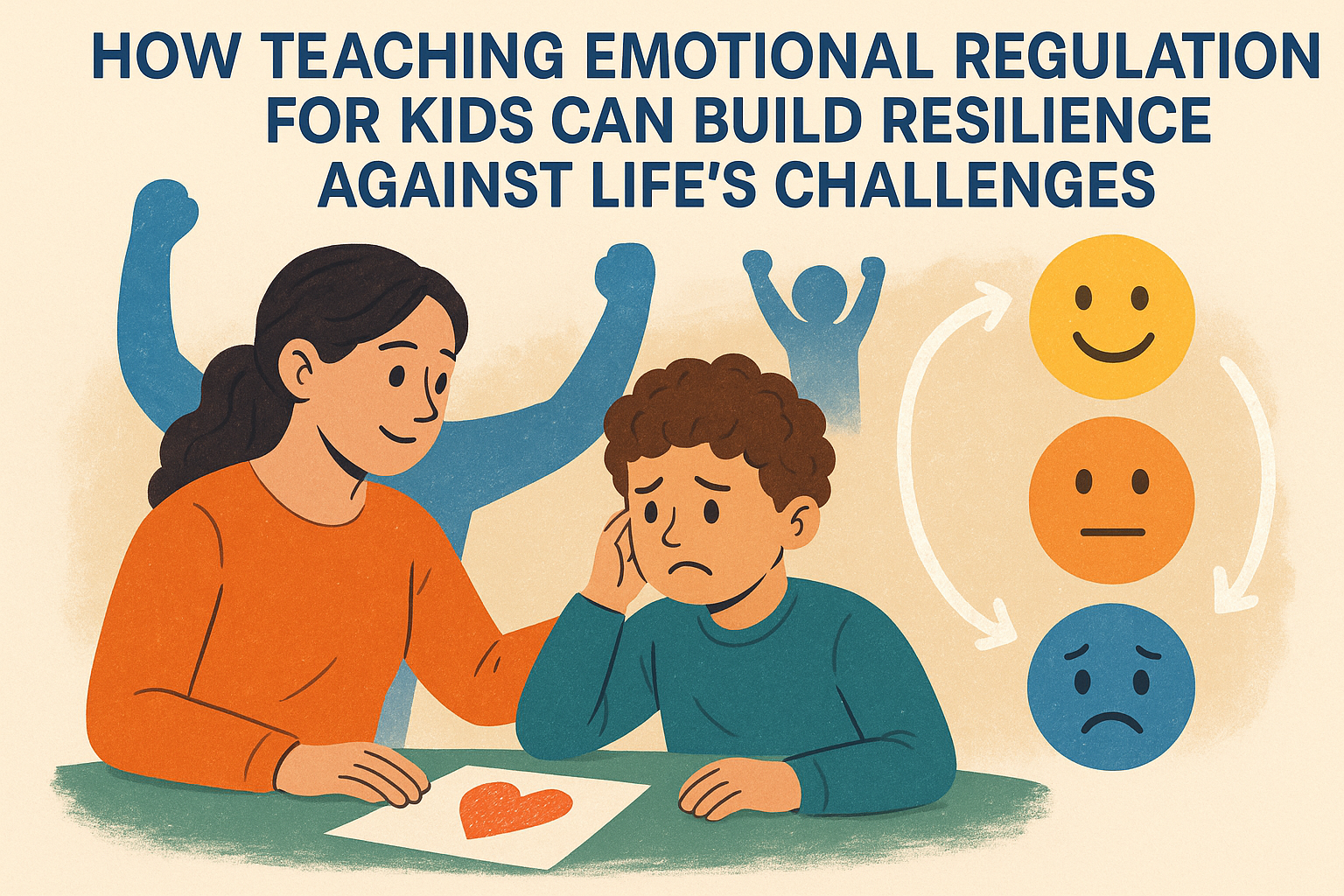
Raising children in today’s hectic world isn’t just about providing basic needs; it’s also about equipping them with the tools they need to navigate their feelings. Emotional regulation for kids is a crucial skill that contributes to their overall resilience. By helping your children handle big feelings—those intense emotions that can leave them feeling overwhelmed—you’re setting them up for a healthier, happier life.
Understanding Emotional Regulation
Emotional regulation refers to a child’s ability to manage and respond to their emotional experiences in a healthy way. This includes recognizing their feelings, understanding why they feel that way, and developing strategies to cope with those emotions effectively. While some children may naturally have better emotional regulation skills, many require guidance and practice.
Emotional regulation isn’t just about suppressing negative emotions; it involves learning how to express feelings appropriately and constructively. For instance, rather than throwing a tantrum when they’re upset, a child who has developed emotional regulation skills may learn to communicate their feelings or seek comfort in a more appropriate manner.
The Importance of Resilience
Resilience is defined as the capacity to recover quickly from difficulties—essentially, it’s the ability to bounce back from setbacks. Children who are resilient can face challenges with a sense of optimism and a belief that they can overcome obstacles. Teaching emotional regulation for kids plays a critical role in fostering resilience.
When children learn to manage their emotions, they become more adaptable in the face of adversity. They’ll be better equipped to handle disappointments, changes in routine, and social challenges. Without these skills, children may find themselves overwhelmed by their feelings, leading to anxiety, depression, or behavioral issues.
Key Strategies for Teaching Emotional Regulation
Teaching emotional regulation for kids is not a one-size-fits-all approach; it requires patience, understanding, and creativity. Here are some effective strategies to help your child navigate their emotions:
- Model Emotional Awareness: As a parent or caregiver, it’s essential to model emotional awareness. Share your feelings with your child in an age-appropriate way. For example, if you’re feeling stressed about work, explain how you feel and how you’re planning to cope with that stress.
- Teach Emotion Vocabulary: Help your child build a robust emotional vocabulary. Instead of saying they’re “mad,” encourage them to articulate whether they feel “frustrated,” “disappointed,” or “hurt.” The more words they have to describe their feelings, the easier it becomes for them to communicate those feelings.
- Introduce Coping Strategies: Equip your child with coping strategies to manage their emotions. Techniques might include deep breathing, counting to ten, or using a stress ball. Experiment to find what works best for your child—every child is unique.
- Encourage Problem-Solving: When your child faces a challenge, encourage them to think of possible solutions. This not only helps them feel empowered but also fosters a sense of resilience. Ask questions like, “What could you do differently next time?” or “How can we solve this together?”
- Validate Their Feelings: It’s crucial to acknowledge your child’s feelings rather than dismiss them. Phrases like “I can see that you’re really upset” or “It’s okay to feel sad” help children feel understood. Validating emotions encourages them to express themselves openly.
- Use Stories and Role-Playing: Utilize books or role-playing scenarios that illustrate various emotional situations. Discuss characters’ feelings and choices to help your child understand emotional regulation in a relatable context.
The Role of Environmental Factors
The environment in which a child grows significantly influences their ability to regulate emotions. Factors such as family dynamics, socio-economic status, and school environment play a pivotal role. A stable and nurturing home fosters emotional safety, allowing children to express their feelings without judgment.
Furthermore, children who have supportive relationships with adults and peers are more likely to develop resilience. Encourage your child to build strong social connections, as these relationships can serve as a safety net when they face emotional challenges. (See: CDC resources for children's mental health.)
Integrating Emotional Regulation into Daily Life
To make emotional regulation a natural part of your child’s life, look for opportunities to practice these skills consistently. Here are some ways to integrate emotional regulation into daily routines:
- Emotional Check-Ins: Establish a routine where you and your child check in on each other’s feelings. This could be a simple question at dinner like, “What was the best part of your day?” or “Did anything upset you today?”
- Mindfulness Practices: Introduce mindfulness activities such as yoga or meditation to help your child learn to calm their mind and body. These practices can enhance their ability to manage stress and emotional upheaval.
- Creative Outlets: Encourage your child to express their emotions through art, music, or writing. Creative outlets provide them with a productive way to channel their feelings.
- Role-Playing Scenarios: Create role-playing situations where your child can practice emotional responses in a safe space. You could simulate a scenario where they feel left out and guide them through expressing their feelings and finding a solution.
Current Relevance and Challenges
The need for emotional regulation for kids has become more pressing in recent years, especially due to the rise of digital technologies and social media. Children today are exposed to a plethora of information and experiences that can be overwhelming, leading to heightened anxiety and emotional turbulence.
The COVID-19 pandemic has further exacerbated these issues. Lockdowns, virtual learning, and isolation have disrupted children’s routines, leading to increased emotional challenges. As parents and educators, it’s vital to recognize this and prioritize emotional health, offering support and strategies to help children cope with their feelings during these uncertain times.
Seeking Professional Help
Sometimes, despite your best efforts, a child may struggle with emotional regulation. In such cases, seeking professional help can be beneficial. Therapists and counselors can provide specialized strategies tailored to individual needs, helping children develop resilience and healthier coping mechanisms.
Participating in programs or workshops focused on emotional intelligence and regulation can also empower both parents and children. Knowledge is power, and equipping yourself with the right tools can make a significant difference in navigating emotional challenges.
Understanding the Impact of Emotional Regulation on Academic Performance
Research suggests a direct correlation between emotional regulation skills and academic success. Children who can manage their emotions tend to perform better in school. They are more likely to engage in positive social interactions, maintain focus, and persist through academic challenges. A study published in the journal Child Development found that children with higher emotional regulation skills showed better grades in school and more effective classroom behavior.
For example, a child who can recognize when they’re becoming frustrated with a challenging math problem can take a step back, implement a calming strategy, and approach the problem again with a clearer mind. This ability to self-regulate not only enhances their learning experience but also fosters a love for learning.
Statistics on Emotional Regulation and Mental Health
Statistics show just how important emotional regulation is for kids’ mental health. According to the National Institute of Mental Health, around 1 in 5 children ages 13-18 have, or will have, a serious mental illness. Skills in emotional regulation can significantly mitigate this risk. Children with strong emotional regulation skills are more likely to experience lower levels of anxiety, depression, and behavioral issues. A study from the University of California also highlighted that kids with strong emotional regulation tend to have better social skills, which can lead to improved relationships and a stronger support network. (See: NIH on behavior and emotional regulation.)
Practical Tips for Parents
While teaching emotional regulation can seem daunting, there are practical steps you can take to weave these lessons into daily life. Start small: during family time, introduce games that require emotional responses, such as charades, where kids must act out different emotions. This not only makes it fun but helps them identify and articulate feelings.
Incorporating stories into your daily routine is another effective strategy. Books that explore various emotional landscapes can spark conversations about feelings, allowing kids to relate to the characters and discuss how they would respond in similar situations.
Frequently Asked Questions
What age should I start teaching emotional regulation?
Emotional regulation can be introduced as early as toddlerhood. Young children can begin to learn basic emotions and how to express them. As they grow, parents can introduce more complex strategies.
How can schools support emotional regulation?
Schools can implement programs focusing on social-emotional learning (SEL), which provides children with the skills needed to understand and manage their emotions. Additionally, providing a supportive environment where children can express their emotions without fear of judgment is crucial.
What are some signs my child may need help with emotional regulation?
Signs may include frequent tantrums, withdrawal from social situations, changes in sleep or eating patterns, and persistent feelings of sadness or anxiety. If you notice these signs, it may be helpful to consult a professional.
Can emotional regulation skills improve over time?
Absolutely! With consistent practice and support, children can enhance their emotional regulation skills. It’s a lifelong journey, and every small step counts.
Exploring Emotional Regulation Techniques: The ABC Model
One effective framework for understanding emotional regulation is the ABC model, which stands for Activating event, Belief, and Consequence. This model helps children identify the triggers for their emotions and the beliefs they hold about those events.
For instance, if a child receives a poor grade, the activating event is the grade itself. Their belief might be, “I’m a failure,” which leads to the consequence of feeling sad or discouraged. Teaching children to recognize this pattern can empower them to challenge negative beliefs and adopt a more constructive mindset, replacing “I’m a failure” with “I can learn from this experience.”
How to Foster Self-Reflection in Kids
Self-reflection is a powerful tool in emotional regulation. Encourage your child to take a few minutes each day to think about how they felt during certain situations. You can help facilitate this by asking reflective questions like, “What made you happy today?” or “What was a difficult moment for you, and how did you handle it?”
Keeping a feelings journal can be a great way for kids to express themselves. They can write down their thoughts and feelings about the day, using drawings or words. This practice not only promotes emotional literacy but also helps them track their emotional growth over time.
The Long-Term Benefits of Emotional Regulation Skills
Investing in emotional regulation skills now pays dividends later in life. Children who are proficient in managing their emotions often find themselves more equipped to handle adult challenges, whether in personal relationships or the workplace. They tend to have better communication skills, higher emotional intelligence, and a more profound sense of empathy. Statistics show that individuals with strong emotional regulation are more likely to succeed in their careers and have fulfilling relationships.
Final Thoughts
Teaching emotional regulation for kids is one of the most impactful gifts you can offer. It not only helps them handle their own feelings but also prepares them for the inevitable ups and downs of life. As they grow and face new challenges, the skills they develop now will serve as a foundation for resilience.
Remember, emotional regulation isn’t something that happens overnight. It’s a journey that requires patience and practice. Be there for your child, offer support, and celebrate their progress as they learn to manage their emotions. With your guidance, they can become resilient individuals ready to tackle life’s challenges head-on.
“`
Trending Now
- our breakdown of join the land geek as head of sales education: empower others through land investing
- the complete explanation
- How Attachment Theory Shapes Childhood Resilience: 7 Key Insights You Need to Know
- 7 Powerful Strategies to Build Academic Resilience in Students Who Struggle
- the complete explanation
Frequently Asked Questions
What is emotional regulation for kids?
Emotional regulation for kids refers to their ability to manage and respond to their emotional experiences in a healthy way. It involves recognizing feelings, understanding their causes, and developing coping strategies to express emotions constructively rather than suppressing them.
Why is emotional regulation important for children?
Emotional regulation is crucial for children as it helps them handle intense emotions and build resilience. By learning to manage their feelings, children become more adaptable to challenges, reducing the risk of anxiety, depression, and behavioral issues.
How can parents teach emotional regulation to their children?
Parents can teach emotional regulation by encouraging open communication about feelings, modeling appropriate emotional responses, and providing strategies for coping with emotions, such as deep breathing or seeking comfort in a healthy way.
What role does resilience play in children's development?
Resilience allows children to recover quickly from difficulties and face challenges with optimism. It equips them to handle setbacks and social difficulties, fostering a belief in their ability to overcome obstacles, which is enhanced through emotional regulation.
What are some strategies to help kids with emotional regulation?
Key strategies include teaching kids to identify and label their emotions, encouraging them to express feelings constructively, using role-playing scenarios to practice responses, and providing a calm environment for discussing emotions and coping mechanisms.
What’s your take on this? Share your thoughts in the comments below — we read every one.