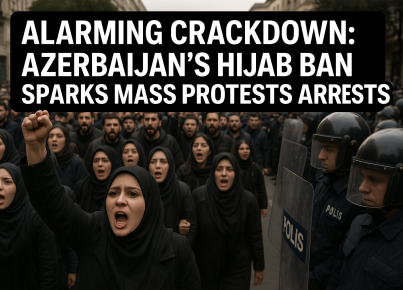
You’ve probably seen the images, maybe scrolling through your feed: clashes, tear gas, young people facing down lines of riot police. But what’s truly driving these dramatic French student protests? It’s more than just a fleeting moment of unrest; it’s a deep-seated frustration bubbling over, exposing critical issues within France’s education system and, frankly, the very fabric of its society. From overcrowded classrooms to crumbling infrastructure, students across the nation are demanding a fundamental re-evaluation of how their future is being funded and shaped. And as often happens when young people feel unheard, the situation has escalated, bringing with it disturbing incidents of violence that have ignited a national conversation.
The recent wave of French student protests isn’t a sudden phenomenon. It’s the culmination of years of perceived neglect, a slow erosion of resources that has left many feeling their education is being devalued. The initial flashpoint for much of this anger has been the government’s education funding policies, which students and educators alike argue are simply insufficient. They’re not asking for luxuries; they’re asking for basics: more teachers to reduce crushing class sizes, better-maintained buildings that don’t pose safety hazards, and a higher education admissions system, known as Parcoursup, that feels fairer and less like a lottery. These aren’t abstract demands; they’re concrete needs affecting millions of young people daily, making the current French student protests a loud cry for help.
The Spark: Funding Cuts and Deteriorating Conditions
Let’s be clear: the grievances fueling these French student protests are tangible. Imagine walking into a classroom where the plaster is peeling, the heating barely works in winter, or the roof leaks when it rains. This isn’t some Dickensian fable; for many students in France, it’s their daily reality. Years of underinvestment have taken a toll on school buildings, with reports of dilapidated facilities becoming increasingly common. It’s not just about aesthetics; it’s about a learning environment that’s often unhealthy and unsafe, hardly conducive to academic success.
Beyond the physical state of schools, there’s the equally pressing issue of staffing. Students are reporting classrooms packed to the brim, with teachers struggling to give individual attention. This isn’t surprising when you consider the ongoing cuts to education budgets, which inevitably lead to fewer teaching positions or a freeze on hiring. More students per class means less personalized instruction, a slower pace for everyone, and a feeling of being just another face in a crowd. For a country that prides itself on its public education system, these conditions represent a worrying decline. The students aren’t just complaining; they’re documenting it, sharing images and videos that paint a stark picture of what they’re up against, giving the French student protests a powerful visual narrative.
Then there’s Parcoursup. This higher education admissions system, introduced in 2018, was designed to streamline university applications. However, for many students, it’s become a source of immense stress and perceived unfairness. They argue it’s opaque, overly competitive, and doesn’t adequately account for individual circumstances or aspirations. The system often feels like a black box, leaving applicants in limbo, unsure why they were accepted or rejected. This lack of transparency and the high stakes involved have made Parcoursup a frequent target of student discontent, adding another layer of frustration to the broader French student protests.
When Peaceful Protest Meets Police Force: A Troubling Escalation
The initial demonstrations, while passionate, were largely peaceful expressions of frustration. However, as the government’s response seemed to downplay their concerns, the situation grew more tense. This escalation reached a horrifying peak with viral videos circulating online, showing violent confrontations between student protestors and riot police. These aren’t just isolated incidents; they’re part of a pattern that has deeply shaken public trust and intensified the resolve of the French student protests. (See: BBC coverage of French protests.)
One particular incident stands out, a truly gut-wrenching event that sent shockwaves across the nation: a 15-year-old student reportedly lost a hand during a protest, allegedly due to a police stun grenade. Think about that for a moment. A child, exercising their right to protest, suffering such a life-altering injury. This single event, more than almost anything else, fueled widespread outrage and ignited calls for immediate accountability. It’s one thing to disperse a crowd; it’s another entirely to inflict such severe harm, especially on a minor. The incident became a grim symbol of the perceived heavy-handedness of the police, galvanizing support for the French student protests far beyond the student body itself.
The videos, often captured by students themselves or bystanders, have been crucial in shaping public perception. They offer raw, unfiltered glimpses of the clashes, often contradicting official narratives. In an age where almost everyone carries a camera in their pocket, it’s becoming increasingly difficult for authorities to control the story. These visuals have not only documented the violence but have also amplified the students’ voices, turning local grievances into national talking points. They’ve forced a reckoning, making it impossible to ignore the physical and emotional toll these confrontations are taking on young people.
Government’s Initial Dismissal and Subsequent Shift
Initially, the French government’s response to the growing wave of French student protests was, to put it mildly, dismissive. There was a tendency to categorize the movement as mere “urban violence” rather than a legitimate expression of political and social discontent. This framing, often used to delegitimize protests, suggested that the participants were simply troublemakers rather than concerned citizens with valid grievances. It’s a common tactic, of course, to reduce complex social movements to simple acts of disorder, but it rarely works in the long run, especially when the underlying issues are so widely felt.
This initial stance, unsurprisingly, backfired spectacularly. The more the government tried to dismiss the students, the more their anger simmered, and the more public sympathy grew. The viral videos of police violence, particularly the devastating injury to the 15-year-old, made it impossible to maintain the “urban violence” narrative. How do you explain away a lost hand as mere hooliganism? You can’t. The public outcry was too loud, the evidence too compelling.
Faced with mounting pressure and a rapidly deteriorating public image, the government was eventually forced to shift its position. Prime Minister Sébastien Lecornu, recognizing the gravity of the situation, finally opened a dialogue with student representatives. This move, a stark contrast to the earlier dismissal, signaled a willingness to listen and to seek solutions. He promised concrete answers and proposals by the end of the month, a clear indication that the French student protests had successfully forced the government’s hand. It’s a classic example of how sustained, visible protest, even in the face of adversity, can ultimately compel those in power to engage.
Echoes of the Yellow Vests and Broader Societal Discontent
If these French student protests feel familiar, there’s a good reason. Many observers, both within France and internationally, have drawn direct comparisons to the 2018 ‘yellow vests’ (Gilets Jaunes) movement. While the demographics and immediate triggers were different – the yellow vests primarily protesting fuel tax hikes and the cost of living – the underlying current of frustration with inequality and public spending is strikingly similar. Both movements represent a deep-seated feeling among ordinary French citizens that the government is out of touch, prioritizing other concerns over the welfare of its people. (See: New York Times article on student protests.)
The yellow vests, too, started as a grassroots movement, fueled by social media and a sense of being ignored by the political establishment. They also faced significant police pushback, with numerous reports of injuries and heavy-handed tactics. The parallels are hard to ignore: a segment of the population feeling economically marginalized, a government initially struggling to comprehend the depth of the anger, and protests escalating into sometimes violent confrontations. It suggests a recurring pattern of discontent in France, where economic hardship and perceived injustice often manifest in large-scale public demonstrations.
These French student protests, therefore, aren’t just about education funding; they’re symptomatic of a broader malaise. They highlight a societal anxiety about the future, particularly for young people. When students see their schools crumbling, their class sizes swelling, and their path to higher education feeling increasingly precarious, it feeds into a larger narrative of declining social mobility and growing inequality. It’s a concern that resonates far beyond the classroom, touching on issues of economic opportunity, social justice, and the very promise of a meritocratic society.
The Presidential Election Connection: A Political Hot Potato
With a presidential election looming, the French student protests have quickly morphed into a significant political issue, a veritable hot potato for all candidates. No aspiring leader can afford to ignore such widespread discontent, especially when it involves the nation’s youth and carries echoes of previous, powerful social movements. The way candidates address the students’ grievances, and the broader issues of education and public spending, could very well sway public opinion and impact the outcome of the election.
For the incumbent government, the protests present a delicate balancing act. They must appear responsive to the students’ demands without appearing weak or caving to pressure. Their initial missteps in framing the movement as mere “urban violence” have already cost them public trust, and a failure to deliver on promises of solutions could further damage their standing. Opposition parties, of course, are seizing the opportunity to criticize the government’s handling of the crisis, positioning themselves as the champions of students and public services. They’re likely to highlight the funding cuts, the police violence, and the perceived indifference of the current administration as evidence of a broader failure in governance.
Beyond the immediate political sparring, the French student protests force a deeper conversation about the role of education in national policy. Will candidates propose significant increases in education spending? Will they commit to reforming Parcoursup in a way that genuinely addresses student concerns? Or will they offer vague promises that ultimately leave the underlying issues unaddressed? The answers to these questions will not only shape the future of French education but could also determine who occupies the Élysée Palace. The youth vote, often seen as a volatile and influential bloc, is particularly attentive to these issues, making the French student protests a crucial battleground in the upcoming political contest. (See: Research on education funding in France.)
What Happens Next? The Search for Lasting Solutions
So, where do we go from here? Prime Minister Lecornu has promised solutions by the end of the month, a deadline that’s fast approaching. The success of these proposed solutions will hinge on several factors: whether they genuinely address the students’ core demands, whether they are backed by sufficient funding, and whether they are communicated in a way that rebuilds trust. Vague commitments or superficial changes won’t cut it. Students are looking for concrete action: more teachers, tangible improvements to school infrastructure, and meaningful reforms to Parcoursup.
One potential path forward involves a significant re-evaluation of the national education budget. This would mean not just restoring previous cuts but potentially increasing investment to bring France’s schools up to modern standards. It might also involve a more collaborative approach to policy-making, bringing students, parents, and educators to the table to co-create solutions. After all, who better to understand the problems than those living them daily?
Beyond the immediate demands, there’s a broader challenge of addressing the deep-seated societal frustrations that these French student protests have brought to the surface. This means tackling issues of inequality, ensuring social mobility, and demonstrating that the government truly values its young people and their future. It’s a long-term project, certainly, but one that begins with listening, empathizing, and taking decisive action. The students have made their voices heard, often at great personal cost. Now, the ball is firmly in the government’s court to prove it has been listening and is prepared to act with integrity and vision. The alternative, as history has shown repeatedly, is a continued cycle of unrest and distrust.
Trending Now
- this guide on this crucial new law could save your kids from online predators and ai dangers
- Unbelievable: Six-Year-Old Boy Cursing at Cops — The Disturbing Truth Behind a Viral Video
- read the full story
- Why AI Companies Are Scrambling for Disaster Prep — And What It Means For You
Frequently Asked Questions
What are the reasons behind the French student protests?
The French student protests stem from deep-seated frustrations over inadequate education funding, overcrowded classrooms, and deteriorating school infrastructure. Students are demanding basic improvements, such as more teachers and safer, better-maintained facilities, highlighting years of perceived neglect in the education system.
How have French students expressed their frustrations?
French students have taken to the streets, engaging in protests that include clashes with police and the use of tear gas. These demonstrations reflect their anger over educational policies and conditions, as well as a desire for meaningful change in how their education is funded and managed.
What specific demands are French students making?
Students are calling for smaller class sizes, improved school facilities, and a fairer higher education admissions system, known as Parcoursup. Their demands focus on ensuring that basic educational needs are met, rather than seeking luxury or privilege.
What impact have funding cuts had on French education?
Funding cuts have led to overcrowded classrooms and poorly maintained school buildings, creating an unsafe learning environment for students. The lack of resources has resulted in diminished educational quality, fueling widespread discontent among students and educators alike.
Why is the current wave of protests significant?
The current wave of French student protests is significant as it represents a culmination of years of frustration over educational neglect. It highlights the urgent need for reforms in the education system, making it a national conversation about the future of students and the quality of education in France.
Agree or disagree? Drop a comment and tell us what you think.