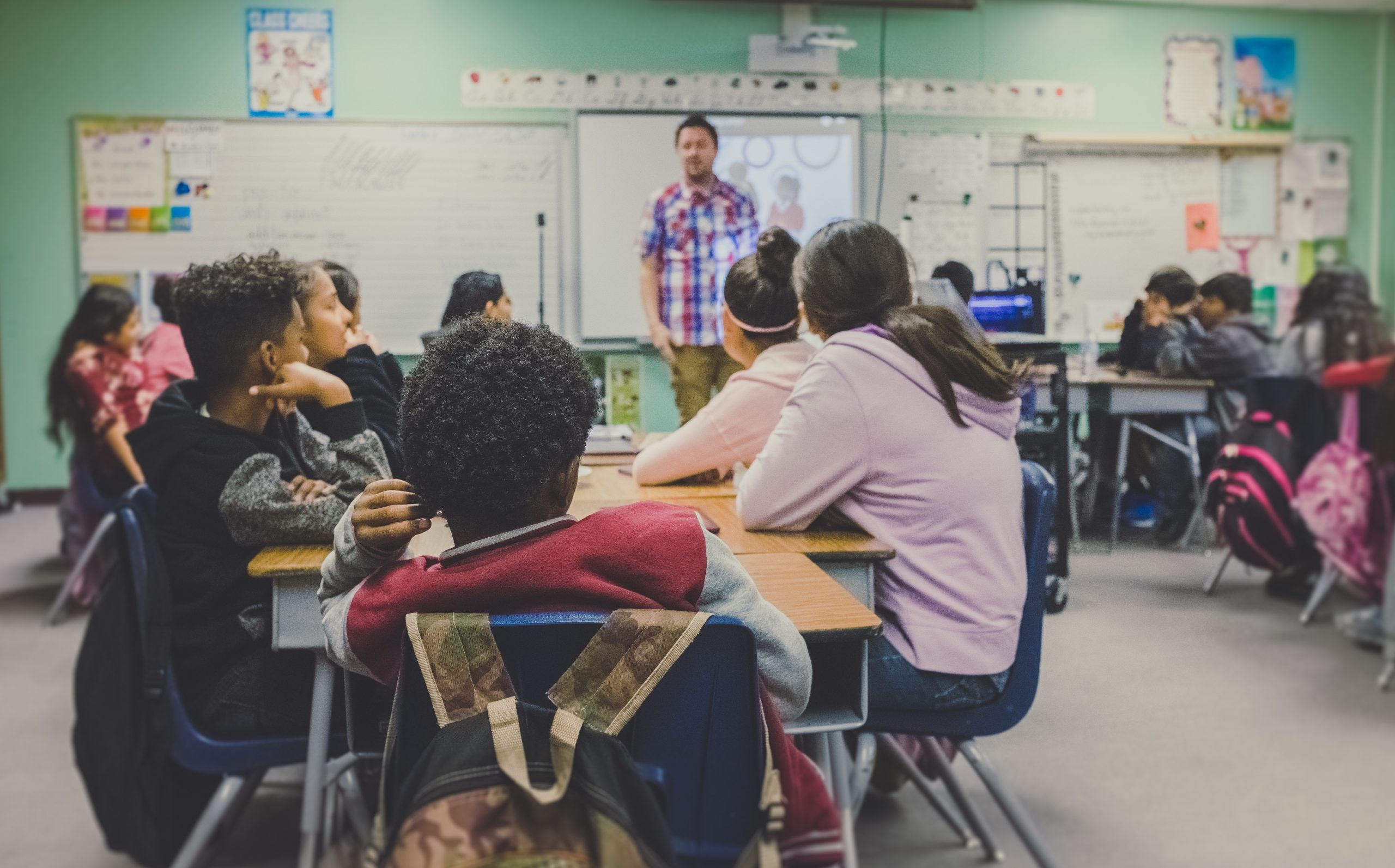

A classroom definition can be understood as a classroom where lessons happen. Teachers go here to mark work, plan lessons and teach their students.
All children attending school will go to the classroom daily to learn and meet with fellow students and teachers. In this sense, a classroom is a learning and social interaction space. There are usually several classrooms in one school for different year groups and academic subjects.
What would I find inside a classroom?
Now that we’ve got a sense of a classroom definition let’s look at some examples of what you’d expect to find inside. A classroom is usually filled with several different objects to help children learn.
This could range from some of the following:
- Equipment for writing and studying, e.g., stationary.
- Textbooks and learning resources.
- Storybooks for group reading.
- Storage containers, such as trays and cupboards, for keeping everything organized and tidy.
- Display materials, such as banners, bunting, and posters, to make it look lovely and colorful for children and their teachers.
- Small desks, tables, and chairs for students to sit at and learn.
- A more oversized desk where the teacher will sit and often mark students’ work.
- A blackboard, whiteboard, or a classroom projector for the teacher to give a lesson, illustrate ideas and explain them.
- Beanbags and a carpet area for children and their teachers to gather in a circle. Here you might discuss topics, do group reading, and do wet-play activities.
- Creative materials include crayons, markers, fabrics, paint, and glue for coloring, collages, and craft activities.
- A clock on the wall, so lessons start and finish on time!
- A ruler, set-square, and an abacus (a counting frame) for Maths-learning.
- Computers to use the Internet for independent research tasks and writing assignments.
Classrooms through time
Ever wondered what a classroom was like 150 years ago or in 2050? Would learning, teaching, and social interaction happen in the same way? What would a classroom from the past look like? Would they have a chalk board instead or a classroom projector? And what about the future: what will technology look like then?
A Classroom from 150 years ago
One hundred fifty years ago, it was the late 1800s: the Victorian era. It’s known as this as Queen Victoria was holding the reign of the British throne and played a decisive role across the British Empire. In countries such as Australia, India, Nigeria, and South Africa. Therefore, when we talk about a classroom from 150 years ago, we can say this was the Victorian era across several nations, not just the UK.
One significant aspect of this time was the difference between the rich and the poor. Rich people were known to live in large and luxurious houses with ornate furniture and traveled on many holidays. In contrast, low-income families lived in much smaller, often squalid houses. In addition, the school was not free until 1891. Therefore, only wealthy families could afford to send their children to school, while poor children were forced to work and earn money for the family.
So, to begin with, we can say that the children in a classroom from 150 years ago were wealthy. It would have been only boys until 1870, when the Education Act passed, meaning girls must attend primary school. In contrast to classrooms today, which may have 25- 30 students, a classroom from 150 years ago would have far fewer children inside, as many were home-educated.
The classroom in Victorian times was sometimes known as the schoolroom. Children would sit at desks facing the front. To prevent them from getting distracted, a schoolroom’s windows were often high and challenging to see. The room would also be lit with gaslights, in contrast to today’s electricity. Unfortunately, heating was also a luxury, so the classroom was probably cold and needed to be burned with fire.
A Classroom in 2050
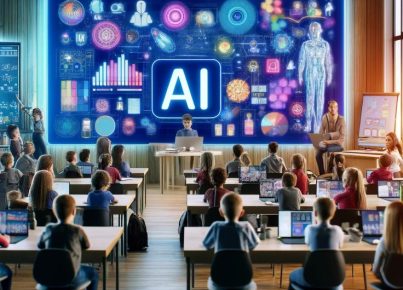
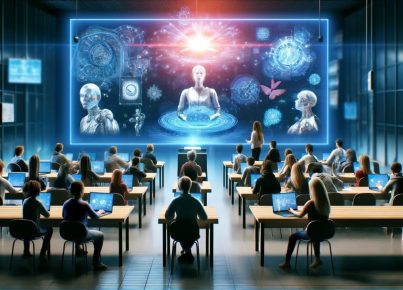
Let’s fast-forward several decades into the future: what would a classroom in 2050 be like? For a start, we expect it would be much more eco-friendly than a classroom today and, of course, from the Victorian era! Perhaps it would have solar panels for power or a bio-mass heating system. But, as climate change and environmental damage become more of a concern, we hope schools will put practical measures in place to protect our planet.