
Inclusion is defined as the state of being included or being made a part of something.
It is an example of inclusion when multiple people are invited to be part of a group.
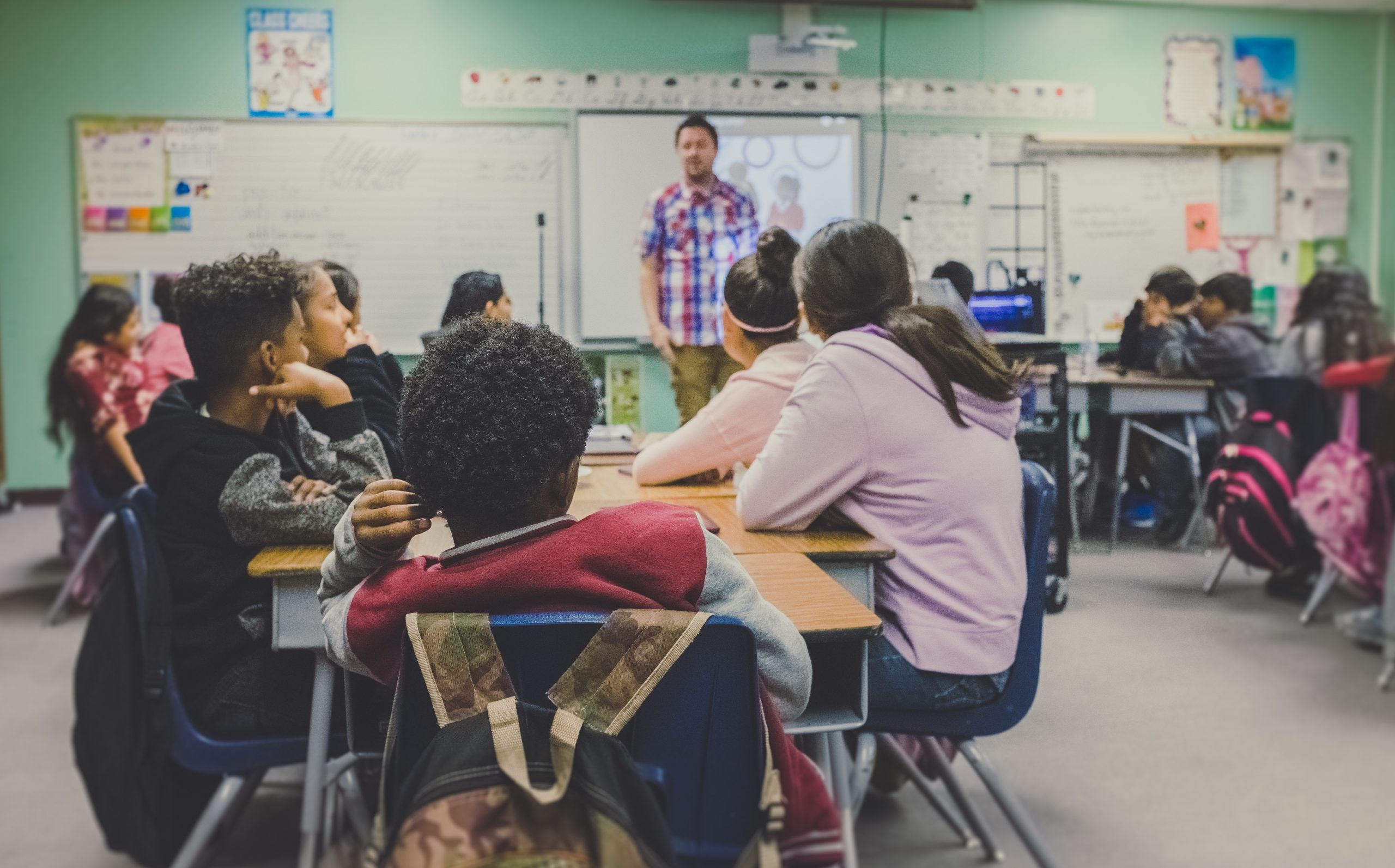
Inclusion is about honoring diversity, not ignoring it. In the classroom, it is about responding to the needs of individual children, ensuring that all children attend and are supported to learn, contribute and participate – regardless of particular need, background, or circumstances.
What is diversity in schools and the classroom?
Diversity in the classroom refers to creating an inclusive learning environment for everyone. It requires teachers to consider aspects such as cultural and religious diversity and a diversity of abilities.
Cultural diversity in schools and classrooms refers to children with different racial, ethnic, and religious backgrounds. For example, one child might belong to Christianity, believe in Jesus, and want to wear a rosary. Whereas another child might be Islamic, worship Allah, and want to wear a burka.
In Australian schools, it is also essential to acknowledge and celebrate the achievements of Aboriginal and Torres Strait Islander Peoples. It involves teaching the history of these communities and the injustices they continue to face.
Diversity in the classroom can also surround different levels of ability, including children who might be impaired or disabled. When discussing this aspect of diversity in the school, it’s essential to note that disabilities can be physical and invisible. For example, one child might be unable to walk and hence uses a wheelchair for mobility.
In contrast, an invisible disability could be a visual or hearing impairment or a learning difficulty such as dyslexia.