
“`html
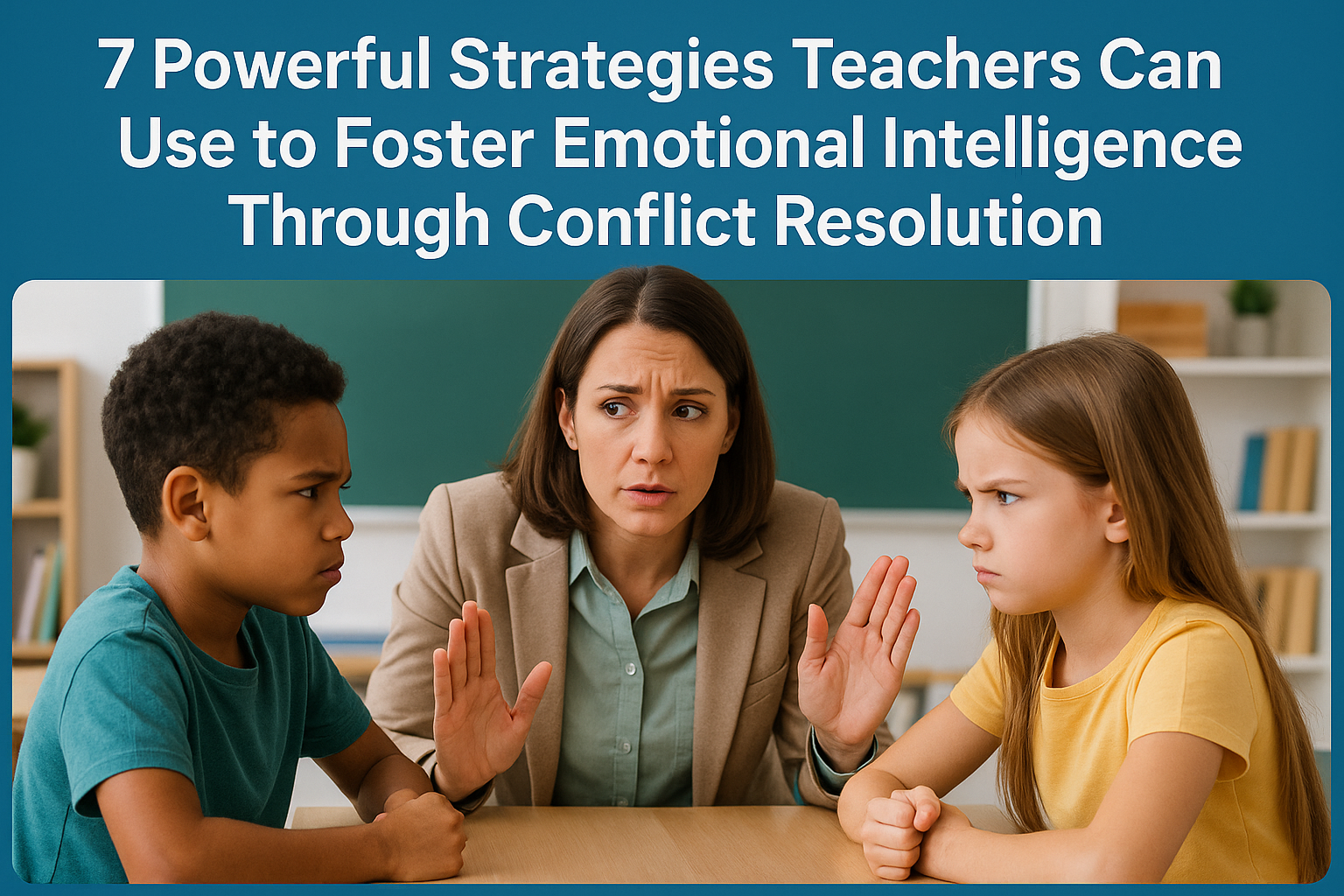
In the realm of education, the spotlight often shines on academic performance, yet a quieter, just as crucial aspect deserves our attention: emotional intelligence in education. Emotional intelligence (EI) encompasses the ability to recognize, understand, and manage one’s own emotions, as well as those of others. In a classroom setting, fostering EI through conflict resolution is a powerful method to equip students with essential life skills that extend far beyond the school walls.
Understanding Emotional Intelligence in Education
Emotional intelligence in education is not just a buzzword; it’s a vital component of holistic learning. Daniel Goleman popularized the concept in the 1990s, emphasizing its significance in personal and professional success. In the school environment, emotional intelligence can enhance communication, build empathy, and promote resilience among students.
Research indicates that students with high EI tend to perform better academically and socially. They can navigate conflicts more effectively, form stronger relationships, and demonstrate improved mental health outcomes. With this understanding, teachers can play a pivotal role in developing emotional intelligence among their students.
The Role of Conflict in Developing Emotional Intelligence
Conflict is an unavoidable part of human interaction, and it holds the potential for growth and learning. When managed well, conflict can foster critical emotional intelligence skills. According to experts, conflict resolution strategies encourage students to express their feelings, understand differing perspectives, and collaborate towards a solution.
For instance, when students engage in a disagreement over a group project, they are presented with an opportunity to practice empathy by listening to each other’s viewpoints. Teachers who guide students through this process can help them learn to articulate their emotions and develop patience, which are key components of emotional intelligence.
Practical Strategies for Teachers
Implementing conflict resolution strategies in the classroom doesn’t have to be daunting. Here are seven effective techniques that teachers can use to foster emotional intelligence through conflict resolution:
1. Establish Ground Rules
Creating a safe environment is paramount when addressing conflicts. Teachers should establish ground rules that promote respect, active listening, and open-mindedness. By setting clear expectations, students will feel more at ease navigating their emotions and expressing themselves during conflicts.
Ground rules can include:
- Using “I” statements to express feelings, such as “I feel upset when…”
- Respecting differing opinions without interruption.
- Taking turns speaking to ensure everyone has a chance to share.
These guidelines provide a framework that encourages constructive dialogue rather than heated arguments. (See: Emotional intelligence overview on Wikipedia.)
2. Teach Active Listening Skills
Active listening is a vital skill that enhances emotional intelligence and is crucial during conflict resolution. Teachers can model this skill by demonstrating how to listen attentively and respond thoughtfully. This means making eye contact, nodding, and summarizing what the other person has said before responding.
To practice active listening, teachers can provide scenarios where students role-play conflict situations. This exercise allows them to practice not only expressing their feelings but also listening to others’ emotions and perspectives. Over time, students will develop a greater capacity for empathy and understanding.
3. Role-Playing Conflict Scenarios
Role-playing is a powerful tool that helps students rehearse conflict resolution in a controlled environment. Teachers can create realistic scenarios based on common conflicts in their school community, such as bullying, disagreements with friends, or competitive situations in group projects.
By acting out these scenarios, students can explore different outcomes and reflect on the emotions involved. This method not only deepens their understanding of conflict dynamics but also enhances their problem-solving skills. After the role-play, discussing what went well and what could be improved solidifies the learning experience.
4. Model Emotional Regulation
Teachers are role models in the classroom, and their emotional responses can significantly influence students. By modeling emotional regulation—managing one’s emotions in high-pressure situations—teachers can demonstrate how to handle conflicts gracefully.
For example, if a teacher faces a disruptive situation in class, they can take a moment to pause and breathe, calmly addressing the issue without escalated emotions. By doing so, they provide students with a concrete example of how to maintain composure and rationality during conflicts, which is a fundamental aspect of emotional intelligence.
5. Encourage Reflection
After a conflict resolution exercise, it’s essential for students to reflect on their experiences. Teachers can facilitate this by asking guided questions that prompt self-analysis:
- What emotions did you experience during the conflict?
- How did you feel when the other person shared their perspective?
- What could you have done differently?
These reflective practices encourage students to internalize their learning and understand their emotional responses. Journaling can also be a useful tool that provides a private space for students to articulate their feelings and thoughts following a conflict resolution process.
6. Foster a Culture of Empathy
Empathy is at the heart of emotional intelligence and conflict resolution. Teachers can cultivate a culture of empathy by incorporating activities that promote understanding and kindness. Simple practices, such as sharing personal stories, discussing diverse perspectives, and celebrating acts of kindness within the classroom, can significantly enhance students’ emotional awareness.
An engaging method is to have students participate in community service projects. These initiatives allow students to connect with others outside their usual circles, fostering a deeper understanding of different backgrounds and experiences. As empathy grows, so does the ability to navigate conflicts positively.
7. Integrate EI into the Curriculum
Integrating emotional intelligence directly into the curriculum not only enhances academic learning but also reinforces conflict resolution skills. Subjects such as literature and social studies provide rich opportunities for discussing emotions and conflicts. For instance, analyzing characters’ motivations in a novel can lead to discussions about emotional responses and decision-making. (See: CDC resources on mental health in children.)
Moreover, including social-emotional learning (SEL) programs in schools has been shown to improve students’ emotional skills, leading to better relationships and reduced behavioral problems. SEL initiatives promote awareness of one’s emotions and foster interpersonal skills, reinforcing the overall objectives of EI in education.
Current Relevance and Challenges
In today’s educational landscape, the relevance of emotional intelligence in education has become increasingly clear. As schools navigate challenges such as bullying, mental health issues, and social media’s impact on student relationships, fostering emotional intelligence through conflict resolution can serve as a crucial tool in creating a supportive and effective learning environment.
However, teachers may encounter obstacles, including a lack of training in emotional intelligence and insufficient resources. Implementing these strategies requires not only commitment but also institutional support. Schools must prioritize professional development that equips educators with the skills necessary to integrate emotional intelligence into their teaching practices.
Long-Term Benefits of Emotional Intelligence in Education
The long-term benefits of fostering emotional intelligence in education extend well beyond the classroom. Students equipped with strong emotional intelligence are often more adept at handling stress, building relationships, and engaging in their communities. They tend to have better academic outcomes, as emotional stability creates a conducive learning environment.
Research from the Collaborative for Academic, Social, and Emotional Learning (CASEL) shows that students participating in SEL programs demonstrate an 11-percentile-point gain in academic achievement compared to their peers. This suggests that emotional intelligence isn’t just about personal development; it actively contributes to academic performance as well.
Furthermore, as adults, these emotionally intelligent individuals are more likely to succeed in their careers. Employers value emotional intelligence, with studies indicating that 90% of top performers possess high EI. Thus, fostering emotional intelligence in students prepares them for future workforce demands, equipping them with the interpersonal skills necessary for collaboration and teamwork.
Expert Perspectives on Emotional Intelligence in Education
Experts in the field of psychology and education emphasize the importance of emotional intelligence in shaping a student’s life trajectory. Dr. Marc Brackett, a professor at Yale University and founding director of the Yale Center for Emotional Intelligence, notes that “emotional intelligence is not just about being nice; it’s about understanding the emotions that drive our decisions.” This insight underscores why educational institutions must prioritize emotional intelligence as a core competency.
Similarly, Dr. Linda Lantieri, an expert in social-emotional learning, argues that emotional education should be as fundamental as traditional subjects like math and science. “We’re missing a vital piece of education if we don’t attend to the emotional lives of our students,” she states, highlighting that emotional intelligence fosters resilience in the face of challenges.
FAQ: Emotional Intelligence in Education
What is emotional intelligence in education?
Emotional intelligence in education refers to the capacity to recognize, understand, and manage emotions in oneself and others within the educational environment. It encompasses skills such as empathy, emotional regulation, and effective communication, which are essential for students to navigate academic and social challenges.
How can teachers assess emotional intelligence in students?
While emotional intelligence can be somewhat subjective, teachers can use assessment tools such as self-report questionnaires, peer evaluations, and observation checklists to gauge students’ emotional awareness and regulation skills. Regular check-ins and reflective journaling can also provide insight into students’ emotional competencies.
Why is emotional intelligence important for students?
Emotional intelligence is crucial for students as it contributes to academic success, better relationships, and improved mental health. Students with high EI are often more resilient, can manage stress effectively, and are better equipped to handle conflicts, all of which enhance their overall educational experience.
Can emotional intelligence be taught?
Absolutely! Emotional intelligence can be cultivated through targeted interventions and educational programs. Schools can implement social-emotional learning (SEL) curricula, incorporate conflict resolution strategies, and promote a culture of empathy to help students develop their emotional intelligence over time.
What role do parents play in developing emotional intelligence in children?
Parents play a pivotal role in developing emotional intelligence by modeling emotional awareness and regulation at home. Encouraging open conversations about feelings, validating children’s emotions, and providing guidance on how to navigate conflicts can significantly enhance their emotional skills.
Conclusion: The Long-Term Benefits of Fostering Emotional Intelligence
Ultimately, fostering emotional intelligence through conflict resolution is an investment in students’ futures. By providing them with the skills to manage their emotions and navigate conflicts, teachers prepare students for success in their personal and professional lives. As they learn to resolve conflicts constructively, students develop resilience, empathy, and effective communication skills—all essential components of emotional intelligence.
As the educational landscape continues to evolve, prioritizing emotional intelligence in education will not only create a more harmonious classroom environment but will also contribute to a generation of emotionally intelligent individuals who can thrive in an increasingly complex world. The journey toward fostering emotional intelligence may take effort and commitment, but the long-term benefits for students, teachers, and society as a whole are well worth it.
“`
Trending Now
Frequently Asked Questions
What is emotional intelligence in education?
Emotional intelligence in education refers to the ability to recognize, understand, and manage emotions in oneself and others. It plays a crucial role in enhancing communication, building empathy, and promoting resilience among students, ultimately leading to better academic and social outcomes.
How can teachers foster emotional intelligence in students?
Teachers can foster emotional intelligence by incorporating conflict resolution strategies in their classrooms. This involves guiding students through conflicts to express their feelings, understand different perspectives, and collaborate on solutions, thereby enhancing their emotional skills.
Why is conflict resolution important for emotional intelligence?
Conflict resolution is important for emotional intelligence because it provides opportunities for students to practice empathy, articulate their emotions, and develop patience. Effectively managing conflict helps students navigate relationships and enhances their overall emotional skills.
What are some strategies for teaching emotional intelligence?
Strategies for teaching emotional intelligence include role-playing conflict scenarios, facilitating group discussions on emotions, and encouraging reflective practices. These methods help students learn to recognize their emotions and respond appropriately to others' feelings in various situations.
How does emotional intelligence impact academic performance?
Research shows that students with high emotional intelligence tend to perform better academically and socially. They are more adept at navigating conflicts, forming strong relationships, and maintaining better mental health, which collectively contribute to improved academic outcomes.
What did we miss? Let us know in the comments and join the conversation.