
“`html
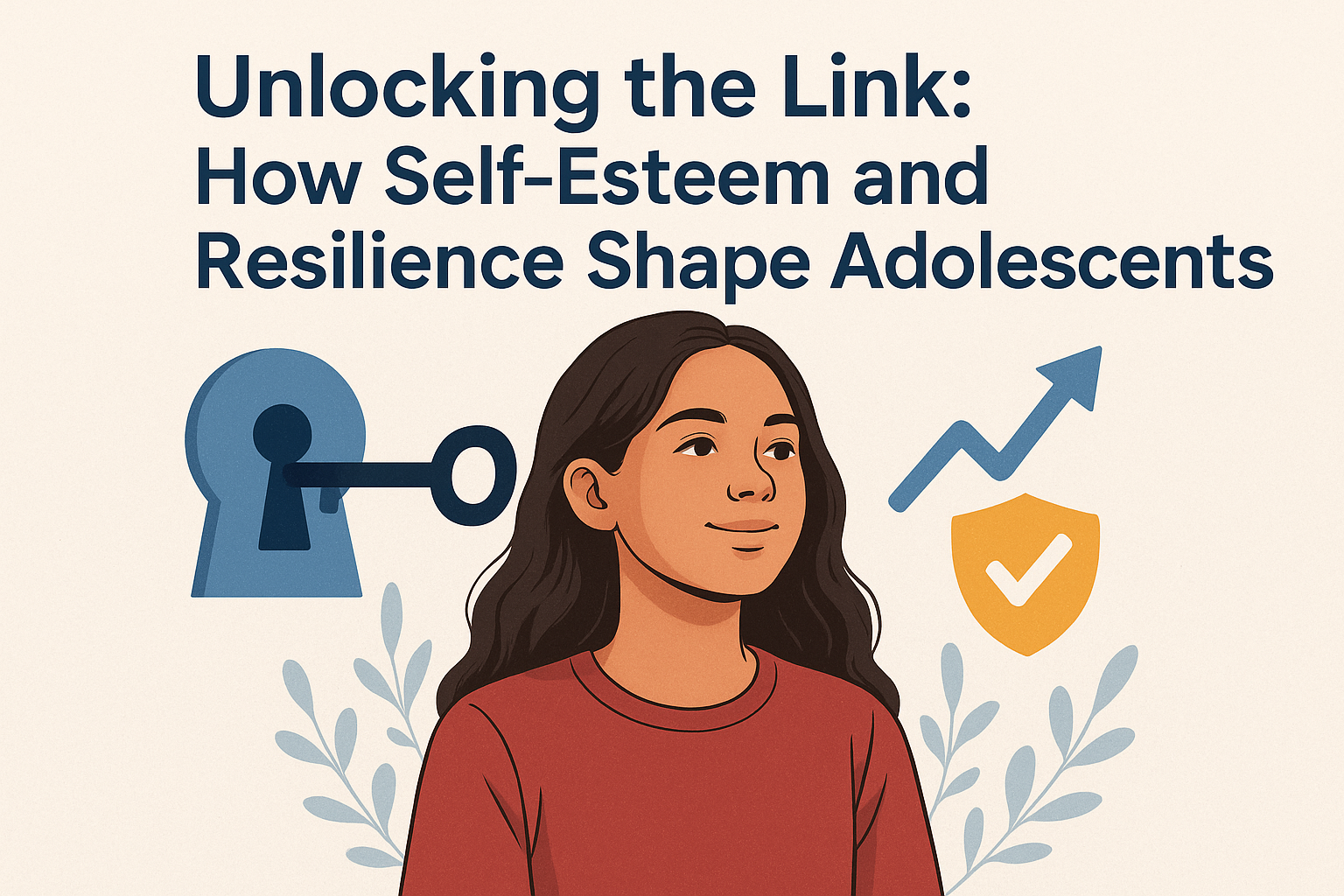
Understanding the connection between self-esteem and resilience in adolescents is crucial for parents, educators, and mental health professionals. These two psychological constructs play a significant role in how young people navigate the tumultuous landscape of adolescence, influencing their ability to face challenges and recover from setbacks. This article examines the interplay between self-esteem and resilience, offering insights into their importance, effective strategies for fostering both, and the current relevance of these concepts in today’s youth.
The Foundations of Self-Esteem and Resilience
Self-esteem refers to the subjective evaluation of one’s worth, encompassing beliefs about oneself, feelings of pride, and overall self-respect. It is shaped by various factors, including individual experiences, relationships, and societal expectations. Resilience, on the other hand, describes the capacity to recover from difficulties and adapt to adversity. In adolescents, these constructs are intertwined; higher self-esteem often correlates with greater resilience, allowing young individuals to tackle life’s challenges more effectively.
Research indicates that adolescents with healthy self-esteem are likely to exhibit higher levels of resilience. According to a study published in the journal *Child Development*, adolescents with strong self-worth are better equipped to handle stress and adversity. They tend to view setbacks as temporary obstacles rather than insurmountable barriers, which is a hallmark of resilience.
The Role of Self-Esteem in Fostering Resilience
Self-esteem acts as a protective factor in the development of resilience. A strong sense of self-worth encourages adolescents to take risks and engage in new experiences, knowing that their value is not contingent on success or failure. This perspective can significantly affect how they cope with challenges. For example, a teenager who feels good about themselves is more likely to approach a challenging academic test with a positive mindset, seeing it as an opportunity for growth rather than a threat to their self-worth.
Moreover, adolescents with elevated self-esteem are more likely to seek support when faced with difficulties. They recognize their worthiness of help and understand that asking for assistance is a strength rather than a weakness. This proactive stance contributes to building a robust support network, which is essential for resilience.
Influences on Self-Esteem and Resilience
Several factors can impact the development of self-esteem and resilience in adolescents. These include family dynamics, peer relationships, and cultural influences. Parents play a critical role in shaping their children’s self-esteem by providing support, encouragement, and constructive feedback. A nurturing environment where adolescents feel valued fosters a positive self-image, promoting resilience.
Peer relationships also significantly impact self-esteem. Adolescents are particularly sensitive to their peers’ opinions, and positive friendships can bolster their self-worth. Conversely, bullying and social exclusion can erode self-esteem and hinder resilience, making it crucial for schools to foster inclusive environments. Programs aimed at promoting social-emotional learning can equip students with skills to build healthy relationships and cope with peer pressure. (See: Study on self-esteem and resilience.)
Cultural factors also play a role in shaping self-esteem and resilience. Societal expectations regarding success, appearance, and behavior can create pressure that influences how adolescents perceive themselves. In communities that emphasize achievement and conformity, individuals may struggle with self-esteem if they feel they do not meet these standards. Promoting diverse definitions of success and encouraging authenticity can help mitigate these pressures.
The Impact of Mental Health on Self-Esteem and Resilience
Mental health issues, such as anxiety and depression, can significantly undermine self-esteem and resilience in adolescents. For example, a teenager grappling with depression may develop negative self-perceptions, which can perpetuate feelings of helplessness and hopelessness. This, in turn, affects their ability to bounce back from setbacks. Understanding the connection between mental health and these constructs is essential for nurturing resilient adolescents.
Schools and communities must prioritize mental health support to ensure adolescents develop a healthy self-image and firm resilience. Early interventions, counseling services, and mental health education can equip young people with coping strategies, helping them to overcome challenges more effectively. Programs that focus on self-compassion, mindfulness, and stress management have shown promise in enhancing both self-esteem and resilience.
Practical Strategies to Boost Self-Esteem and Resilience
To effectively foster self-esteem and resilience in adolescents, several practical strategies can be employed by parents, educators, and community leaders:
- Encourage Positive Affirmations: Teach adolescents to practice self-affirmations that reinforce their worth and capabilities. This can help counteract negative self-talk and build a more positive self-image.
- Promote a Growth Mindset: Encourage adolescents to view challenges as opportunities for growth. This mindset helps them understand that effort and perseverance are essential, rather than solely focusing on outcomes.
- Foster Healthy Relationships: Create opportunities for adolescents to form positive peer connections, whether through team sports, clubs, or group activities. A supportive social network can enhance self-esteem and provide a buffer against adversity.
- Model Resilience: Adults should share their own experiences of overcoming challenges to demonstrate resilience in action. By modeling how to cope with setbacks, adults can provide a roadmap for adolescents to follow.
- Teach Coping Skills: Provide adolescents with practical coping strategies for managing stress and emotional difficulties. This can include mindfulness techniques, problem-solving skills, and relaxation exercises.
- Create a Supportive Environment: Foster an environment that celebrates effort rather than just success. Recognizing resilience in action—such as persistence in the face of failure—reinforces the idea that trying hard is valuable.
Current Relevance and Future Implications
In an era where adolescents face unprecedented challenges—from social media pressures to academic expectations—the connection between self-esteem and resilience is more relevant than ever. As teenagers navigate their formative years, equipping them with the tools to build self-esteem and resilience can have lasting consequences for their mental health and overall well-being.
The COVID-19 pandemic has further highlighted the need for resilience, as many adolescents have experienced isolation, disrupted education, and increased mental health challenges. Addressing these issues requires a collective effort from families, schools, and communities to create supportive environments conducive to self-esteem and resilience.
As we look to the future, it is essential to continue researching the dynamics of self-esteem and resilience in adolescents. Understanding the nuances of how these constructs interact can inform the development of targeted interventions, ensuring that young people are equipped to thrive in a complex world.
Real-life Examples of Self-Esteem and Resilience
To better illustrate the connection between self-esteem and resilience in adolescents, let’s consider a few real-life examples: (See: Adolescent health and development.)
Take Sarah, a 15-year-old who struggled with her self-image due to bullying. After joining a local theater group, she discovered her passion for acting. Through supportive friendships and positive reinforcement from her peers and mentors, Sarah’s self-esteem began to rise. As she gained confidence on stage, she also learned to cope with negative experiences, using them as motivation to improve rather than as a source of defeat. Her journey highlights how positive experiences can bolster self-esteem and resilience, enabling young individuals to face challenges head-on.
Another example is Alex, a high school athlete who faced a significant injury before a championship game. Initially, Alex felt a blow to his self-worth, questioning his value without sports. However, with the support of his coach and teammates, he was encouraged to focus on his recovery rather than the setback. This period allowed him to develop new interests and skills, ultimately enhancing his resilience. He learned that his worth is not solely defined by athletic performance, but by his character and ability to adapt.
The Importance of Community Support
Communities play a vital role in fostering self-esteem and resilience in adolescents. Programs that promote youth engagement, such as mentorship initiatives or community service projects, can provide adolescents with a sense of belonging and purpose. These activities not only help build self-esteem but also instill a sense of resilience as young people learn to navigate challenges while contributing to something larger than themselves.
Statistics show that adolescents involved in community service report higher levels of self-esteem and resilience. A study conducted by the *National Youth Leadership Council* found that 87% of youth who engage in community service feel a stronger connection to their community, and 78% believe that their self-esteem has improved as a result. Such findings underscore the importance of fostering community environments that encourage youth participation and support.
FAQ: Understanding Self-Esteem and Resilience in Adolescents
What is the difference between self-esteem and self-confidence?
Self-esteem refers to how individuals perceive their own worth and value, while self-confidence relates to an individual’s belief in their abilities to succeed in specific tasks. While they are related, self-esteem is more holistic, encompassing overall self-perception.
How can parents help boost their child’s self-esteem?
Parents can enhance their child’s self-esteem by providing consistent encouragement, valuing their opinions, and allowing them to make choices. Positive reinforcement for efforts, rather than just achievements, also fosters a healthier self-image.
Can resilience be taught, or is it inherent?
Resilience can indeed be taught and developed through experience and supportive environments. While some individuals may have a natural propensity for resilience, skills like problem-solving, emotional regulation, and adaptability can be nurtured through practice and guidance.
What are the signs of low self-esteem in adolescents?
Signs of low self-esteem in adolescents may include frequent negative self-talk, withdrawal from social situations, reluctance to try new things, and a strong fear of failure. It’s important for parents and educators to be attuned to these signals and provide support.
How does social media impact self-esteem and resilience?
Social media can have a mixed impact on self-esteem and resilience. On one hand, it can provide a platform for connection and support; on the other hand, it can create unrealistic standards and comparison. Teaching adolescents to critically evaluate their social media use and focus on positive interactions is essential.
What role does school culture play in shaping self-esteem and resilience?
The culture within a school significantly influences students’ self-esteem and resilience. Schools that promote inclusivity, celebrate diversity, and encourage positive peer interactions foster a supportive environment. When students feel safe and valued, they are more likely to develop healthy self-esteem and resilience.
Are there specific activities that can enhance resilience in adolescents?
Yes, activities such as team sports, arts programs, and volunteer work can enhance resilience. These activities encourage teamwork, personal expression, and a sense of community, all of which contribute to a stronger sense of self and the ability to cope with challenges.
Ultimately, fostering self-esteem and resilience in adolescents is not just about helping them cope with challenges; it’s about empowering them to embrace their identities, pursue their passions, and navigate life with confidence. By investing in their emotional and psychological development, we pave the way for a generation that can face adversity head-on and emerge even stronger.
“`
Trending Now
- Join The Land Geek as Head of Sales Education: Empower Others Through Land Investing
- read the full story
- the complete explanation
- our breakdown of 7 powerful strategies to build academic resilience in students who struggle
- this guide on 7 proven strategies for fostering student resilience during exam season
Frequently Asked Questions
How does self-esteem affect resilience in adolescents?
Self-esteem significantly influences resilience in adolescents. Higher self-esteem correlates with greater resilience, enabling young people to face challenges effectively and view setbacks as temporary obstacles. Adolescents with strong self-worth are better equipped to handle stress and adapt to adversity.
What are the key factors that influence self-esteem in teenagers?
Key factors that influence self-esteem in teenagers include individual experiences, relationships with peers and family, and societal expectations. Positive feedback and supportive environments can enhance their self-worth, while negative experiences may diminish it.
What strategies can improve self-esteem in adolescents?
Strategies to improve self-esteem in adolescents include promoting positive self-talk, encouraging goal-setting, providing constructive feedback, and fostering supportive relationships. Engaging in new experiences and celebrating achievements can also enhance their self-worth.
Why is resilience important for adolescents?
Resilience is crucial for adolescents as it helps them recover from difficulties and adapt to challenges. It enables them to cope with stress, maintain mental health, and develop a positive outlook on setbacks, which is essential during the tumultuous teenage years.
How can parents support their child's self-esteem and resilience?
Parents can support their child's self-esteem and resilience by fostering open communication, providing encouragement, setting realistic expectations, and modeling healthy coping strategies. Creating a nurturing environment where children feel valued and safe to take risks is also essential.
What did we miss? Let us know in the comments and join the conversation.