
The Internet of Things (IoT) is emerging as a powerful force in the realm of immersive learning, offering new ways to connect the physical and digital worlds in educational contexts. IoT refers to the network of physical objects—“things”—embedded with sensors, software, and other technologies for the purpose of connecting and exchanging data with other devices and systems over the internet.
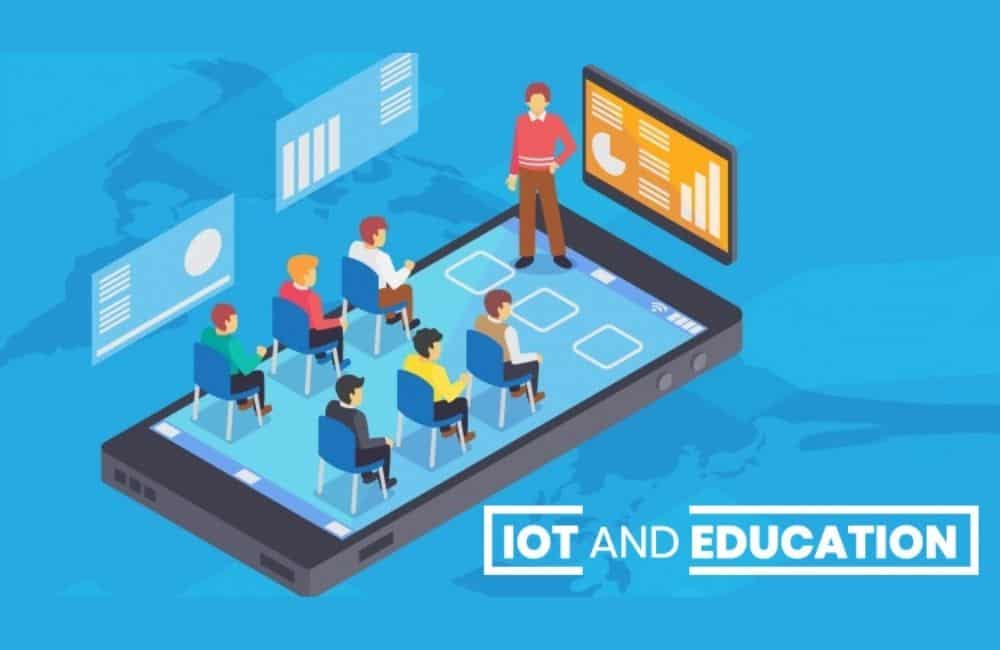
In education, IoT is opening up exciting possibilities for creating smart learning environments that can enhance the immersive learning experience. One of the most immediate applications is in the creation of smart classrooms. These spaces use connected devices to optimize the physical learning environment, adjusting factors like lighting, temperature, and air quality based on real-time data to create optimal conditions for learning.
IoT devices can also be used to track and analyze student behavior and engagement in physical spaces. For instance, smart whiteboards can record and transcribe lessons, while sensors can monitor student attention levels and provide feedback to instructors. This data can be invaluable for understanding how students interact with learning materials and environments, allowing for continuous improvement of teaching methods.
In the realm of hands-on learning, IoT is enabling new forms of interactive and immersive experiences. For example, in science classes, students can use IoT-enabled devices to collect real-world data for experiments, such as weather patterns or soil conditions. This data can then be analyzed and visualized in real-time, creating a more engaging and authentic learning experience.
IoT is also revolutionizing the field of distance learning. Connected devices can enable remote students to participate in physical lab experiments, control robotic equipment, or interact with physical learning materials from afar. This blending of physical and digital experiences can help bridge the gap between in-person and remote learning.
In higher education and vocational training, IoT is being used to create more realistic and responsive training simulations. For instance, in medical training, IoT-enabled mannequins can provide real-time feedback on student performance, simulating realistic patient responses and vital signs.
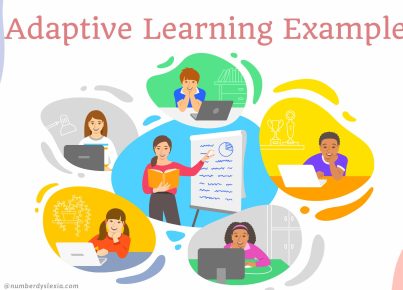
Another exciting application of IoT in education is in the realm of personalized learning. By collecting data from various connected devices and learning platforms, IoT systems can help create a more comprehensive picture of each student’s learning journey. This data can then be used to tailor learning experiences and provide targeted interventions when needed.
As IoT technology continues to evolve and become more affordable, we can expect to see even more innovative applications in immersive learning. From smart textbooks that interact with other devices to provide enhanced content, to wearable devices that track cognitive load and adjust learning tasks accordingly, the possibilities are vast.
However, it’s important to note that the integration of IoT in education also raises important questions about data privacy and security. As these technologies become more prevalent, it will be crucial to develop robust frameworks for protecting student data and ensuring that these powerful tools are used ethically and responsibly.