
“`html
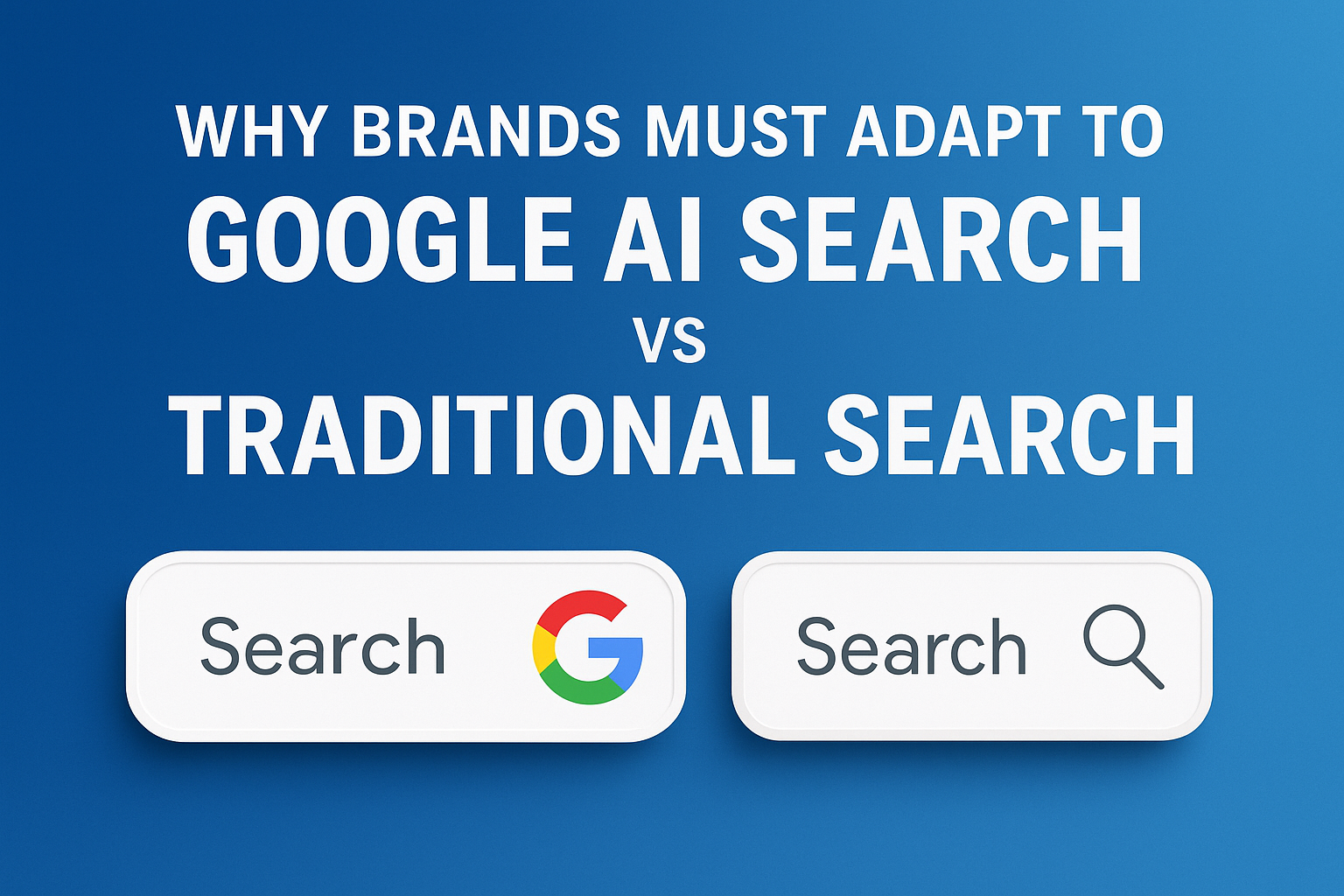
The landscape of online search is undergoing a seismic shift, and brands need to be paying attention. As Google rolls out its AI Mode, the dynamics of how consumers search for information, products, and services are evolving rapidly. It’s not just about traditional keywords anymore; it’s about leveraging AI-generated answers in a hybrid model that combines the best of both worlds. In this piece, we’ll explore the key differences between Google AI search vs traditional search, the implications for brands, and what you can do to stay ahead in this new era.
1. The Rise of Google AI Search
Google’s introduction of AI Mode is not merely a technological upgrade; it represents a fundamental rethinking of how search engines can better serve user needs. According to recent studies, a staggering 60% of users report that AI-generated answers are clearer and more useful than traditional search results. This statistic underscores a significant shift in user expectations, where quick, succinct, and informative responses are preferred over the sometimes overwhelming variety of links presented in traditional search results.
With AI Mode, users are more likely to receive direct answers to their queries, which can streamline their decision-making processes. This doesn’t mean that traditional search is obsolete; rather, it complements AI by allowing users to verify information. However, brands must recognize that this shift requires a reevaluation of content strategies to ensure visibility in both AI-generated content and traditional search outcomes.
2. The Hybrid Search Journey
The new hybrid journey that consumers are taking involves obtaining AI-generated answers and then fact-checking those results through traditional search methods. A remarkable 85% of users still turn to Google for verification, creating a dual-layered approach to information consumption. This means that brands must not only optimize for traditional search but also consider how their information might be presented by AI.
This hybrid model impacts brand trust and credibility. When consumers receive an AI-generated response, they’re likely to seek additional confirmation. Brands should focus on creating high-quality, authoritative content that can be easily referenced by AI algorithms, as this will be crucial in influencing consumer perceptions and decisions. Integrating structured data and semantic search strategies can significantly enhance a brand’s chances of being favored by AI tools.
3. The Impact of Zero-Click Searches
Zero-click searches, where users find the information they need without clicking through to a website, are becoming increasingly prevalent. As AI search continues to rise, brands risk losing potential traffic if they do not adapt their content strategies accordingly. Currently, a significant portion of search queries ends without a click, meaning users are getting their answers directly from the search results page.
This creates a pressing need for brands to adjust their SEO tactics. For instance, focusing on featured snippets, knowledge panels, and other elements that provide instant answers can help businesses maintain visibility in a zero-click environment. Brands need to ensure that they are providing concise, clear, and authoritative answers to questions that consumers are asking, as this can directly influence whether their content is chosen by AI algorithms.
4. Consumer Behavior and Trust
Businesses must recognize that the trust consumers place in AI-generated answers is a double-edged sword. While 60% find AI answers clearer, the fact that 85% still verify those answers indicates a level of skepticism. Consumers are becoming more discerning, often requiring validation before acting on information, especially when it comes to making purchases or decisions. (See: CDC Youth Risk Behavior Survey.)
This shift in consumer behavior suggests that brands need to focus on building trust through transparency, relevance, and authority. Optimizing content for both traditional searches and AI will not only enhance credibility but also help mitigate the risks associated with zero-click searches. Brands that can effectively position themselves as trustworthy sources will likely enjoy greater consumer loyalty and engagement.
5. Adapting Marketing Strategies
Given the rapidly changing digital landscape, brands need to adapt their marketing strategies to account for the differences between Google AI search vs traditional search. This includes rethinking how content is created, optimized, and distributed. Traditional SEO methods still hold value, but brands must also consider how their content can be structured to be utilized by AI.
This involves utilizing schema markup, providing clear answers to common questions, and ensuring that content is accessible. Brands should also invest in understanding AI’s learning patterns to create content that aligns with the types of questions consumers are asking. Enhancing user experience on websites, particularly through fast load times and mobile optimization, can further improve visibility and engagement.
6. Embracing the Future of Search
The evolution of search represents both challenges and opportunities for brands. With AI’s increasing dominance, companies must adopt a forward-thinking mindset, willing to embrace new technologies and methodologies. This means staying updated with the latest developments in AI and adjusting their strategies accordingly. As AI continues to evolve, the search landscape will likely change even more dramatically.
In this context, brands should prioritize continuous learning and agility. Whether it’s experimenting with new content formats, engaging with AI tools, or exploring partnerships with tech companies, being proactive can yield significant benefits. Ultimately, the brands that adapt quickly to the new paradigm of Google AI search vs traditional search will be the ones that thrive in the coming years.
7. The Importance of Data Analytics
Data analytics is more critical than ever in understanding the nuances of consumer behavior in the context of AI search. Brands can leverage analytics tools to gain insights into how users interact with AI-generated content versus traditional search results. Analyzing metrics such as click-through rates, engagement times, and conversion rates can provide valuable feedback on what’s working and what’s not.
By harnessing data, brands can refine their content strategies, ensuring they are providing the most relevant information to users. This iterative process allows for continuous improvement, helping brands stay ahead in a landscape where consumer preferences are shifting rapidly. Furthermore, understanding demographic variations in how different segments respond to AI vs traditional search can help tailor marketing efforts more effectively.
8. Building a Multi-Channel Approach
In the age of AI-enhanced search, a multi-channel approach is essential for brands. This means not only optimizing for Google search but also considering how AI is reshaping other platforms like social media, voice search, and more. Each channel has its own dynamics, and understanding these can lead to more effective engagement with consumers. (See: New York Times on Google AI Search.)
For example, voice search is likely to be impacted by AI search advancements, as more users turn to voice-activated devices for information. Brands should develop strategies for each channel that recognize the distinct user behaviors and preferences associated with them. This diversification can protect brands from potential traffic fluctuations caused by changes in search algorithms or consumer trends.
9. Engaging Content Creation
Creating engaging content is more crucial than ever in the context of Google AI search vs traditional search. Brands must focus on producing high-quality, informative, and engaging content that not only answers consumer questions but also resonates emotionally. Content that tells a story, offers valuable insights, or solves problems will be favored by both users and search algorithms.
This engagement can be in the form of blog posts, videos, infographics, or interactive content. By appealing to different learning styles and preferences, brands can encourage deeper connections with their audience, fostering loyalty and repeat visits. The more you can engage users, the better your chances of being recognized by AI algorithms as a credible source of information.
10. Final Thoughts: Adapt or Fall Behind
The transition from traditional search to Google AI search is not just a trend; it’s a fundamental change in how consumers seek information and make purchases. Brands that recognize the urgency of adapting to this new landscape will not only survive but thrive. It’s about integrating AI insights into marketing strategies, trusting the data, and delivering engaging, truthful content that consumers can rely on.
In the end, the choice is clear—adapt your strategies to embrace the future of search or risk being left behind in an increasingly competitive digital market. The paradigm has shifted, and those who can pivot quickly will be the ones leading the charge into this new era of search.
11. Statistics that Matter
To fully understand the implications of the shift towards AI-driven search, it’s helpful to look at a few notable statistics. According to a recent survey by HubSpot, 79% of consumers prefer to use an AI-powered search because of the speed and accuracy of results. Additionally, about 70% of marketers believe that AI will revolutionize the way companies reach their target audiences. This indicates a clear trend towards embracing AI as a vital tool in marketing and consumer engagement.
12. Expert Perspectives on the Shift
Industry experts are weighing in on the shift from traditional to AI search. Dr. Sarah Thompson, a notable figure in digital marketing, argues that “the integration of AI in search engines is more than just a feature; it’s a transformation in customer experience.” She emphasizes the importance of brands understanding and leveraging AI analytics to stay relevant.
Similarly, tech analyst Mark Baker highlights that “companies that adapt their strategies to include AI search will not only improve their visibility but also enhance user satisfaction through more personalized experiences.” These insights underline the necessity for brands to rethink their marketing approaches to remain competitive. (See: Scientific article on AI impact on search.)
13. FAQs about Google AI Search vs Traditional Search
Q1: What is the primary difference between Google AI search and traditional search?
A1: The primary difference lies in the way results are presented. Google AI search provides direct answers to queries, often synthesizing information from multiple sources, whereas traditional search presents a list of links that users must click through to find answers.
Q2: How can brands optimize for AI search?
A2: Brands can optimize for AI search by focusing on creating high-quality content that answers common questions, using schema markup, and ensuring their information is structured in a way that AI can easily access and understand.
Q3: Will traditional search ever become obsolete?
A3: It is unlikely that traditional search will become completely obsolete. Instead, it will continue to coexist with AI search, serving as a verification tool for users seeking additional information.
Q4: How should brands measure success in AI and traditional search?
A4: Brands should track engagement metrics such as click-through rates, user time spent on page, and conversion rates, as well as monitoring how often their content is featured in AI-generated responses.
Q5: What role does mobile optimization play in the success of search strategies?
A5: Mobile optimization is crucial as more users access search on mobile devices. An optimized mobile experience can enhance user engagement and improve visibility in both AI and traditional search results.
“`
Trending Now
Frequently Asked Questions
What is the difference between Google AI search and traditional search?
Google AI search focuses on providing direct, succinct answers to user queries, while traditional search presents a variety of links and resources. This shift enhances user experience by delivering clearer information, which complements traditional search methods for verification.
How does Google AI search impact brands?
Brands must adapt their content strategies to ensure visibility in both AI-generated answers and traditional search results. As user expectations shift towards clearer, more informative responses, brands need to optimize their content for this new search landscape to stay competitive.
Why is AI-generated content becoming more popular?
AI-generated content is gaining popularity because it provides users with quicker, clearer answers compared to the overwhelming variety of links from traditional search. Studies show that 60% of users find AI responses to be more useful, reflecting a significant change in user preferences.
What is the hybrid search journey?
The hybrid search journey involves users obtaining AI-generated answers and then verifying that information through traditional search methods. This dual-layered approach emphasizes the importance of both AI and traditional search in how consumers seek information.
How can brands stay relevant with the rise of AI search?
To remain relevant, brands should reevaluate their content strategies to optimize not just for traditional search but also for AI-generated content. This includes focusing on clarity and conciseness in their messaging to meet changing user expectations.
What’s your take on this? Share your thoughts in the comments below — we read every one.