
“`html
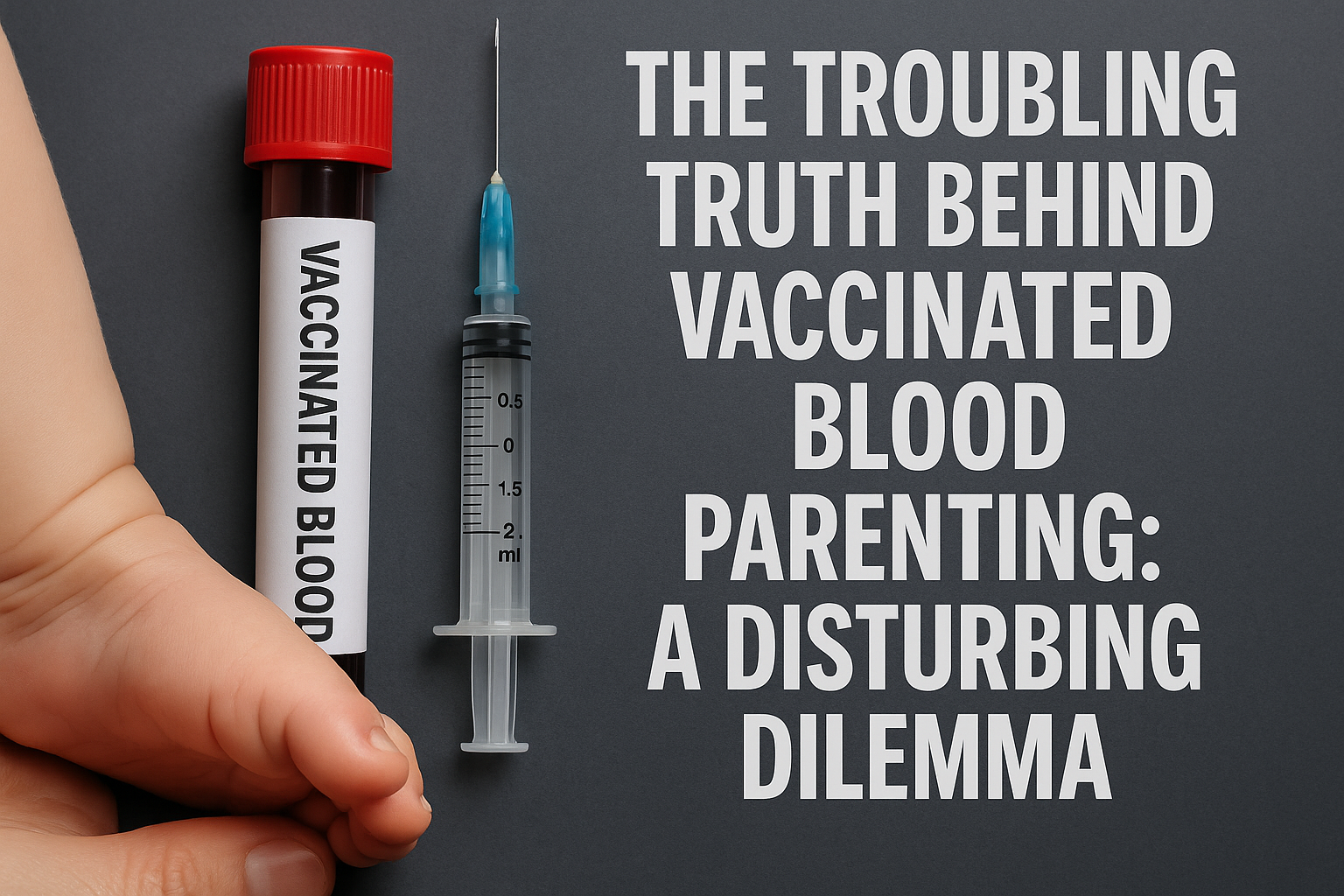
In the world of parenting, few topics ignite as much passion and controversy as vaccination. Recently, a story has surfaced that exemplifies the extremes to which some parents will go to protect their beliefs regarding their children’s health. It revolves around a mother who, in an alarming display of fear and entitlement, insisted on finding an unvaccinated blood donor for her critically ill daughter. This situation not only raises questions about medical ethics and parental rights but also reflects a deeper societal anxiety surrounding vaccines and public health.
The Background: A Life or Death Situation
Imagine being in a hospital waiting room, completely helpless as your child fights for their life. This is the reality for many parents, and for one mother, this moment became compounded with an unusual request. When her daughter required a blood transfusion, she demanded that hospital staff find a donor who had not received any vaccinations. This reaction was likely fueled by a mix of fear, misinformation, and extreme dedication to her beliefs about vaccines.
The distressing nature of this story resonates with many on a visceral level. Parents often feel an overwhelming instinct to protect their children at any cost. However, this situation introduces a complicated twist — the mother’s refusal to accept vaccinated blood could have dire consequences. The crux of the matter raises alarming questions: How far will some parents go to uphold their beliefs? And what happens when those beliefs put their children’s lives at risk?
Understanding Vaccinated Blood Parenting
“Vaccinated blood parenting” is a term that can be used to describe the mindset of parents who refuse blood transfusions from vaccinated donors, often stemming from fears about the safety of vaccines. This phenomenon taps into a larger trend of vaccine hesitancy that has gained traction over the past few years. While vaccines have been proven to be safe and effective, some parents are influenced by conspiracy theories and misinformation online, leading to decisions that can endanger their children.
Data over the years has indicated that vaccine uptake is directly linked to improved public health outcomes. In contrast, a refusal to vaccinate can have serious implications not just for individual children, but for community health as well. Parents who seek unvaccinated blood for their children are not just rejecting medical advice; they are also contributing to a broader public health crisis by perpetuating myths that vaccines are dangerous.
The Ethical Dilemma in Medical Decision-Making
This case raises significant ethical questions around parental rights and medical decision-making. On one hand, parents have the right to make choices for their children, particularly when it comes to health care. On the other hand, medical professionals have an obligation to provide the best care possible, which includes using all available resources to save a child’s life.
In this specific situation, doctors faced a dilemma: Should they honor the mother’s request for unvaccinated blood, potentially putting the child’s life at further risk? Or should they disregard her wishes for the sake of her daughter’s health? This is not just a matter of medical consent but also a matter of child welfare.
Public Reaction: The Outrage and the Support
Stories like this often elicit strong reactions from the public, and this case is no exception. Many people were outraged by the mother’s demands, viewing them as an extreme example of parental entitlement that endangers children. Social media platforms buzzed with debate, with some users expressing anger over the mother’s refusal to accept medical advice, while others sympathized with her fears regarding vaccines. (See: CDC Vaccination Basics.)
Critics of the mother argue that her request is not just unreasonable; it is dangerous. The argument against such extreme positions is well-supported by evidence that vaccinated blood does not pose a threat to unvaccinated individuals. Medical experts have consistently stated that blood transfusions are safe and that the benefits of receiving vaccinated blood far outweigh any unfounded fears.
The Role of Misinformation in Vaccine Hesitancy
At the heart of this issue lies the pervasive misinformation surrounding vaccines. In the age of the internet, myths about vaccines spread like wildfire, often outpacing scientific evidence. Many parents turn to various online communities where anti-vaccine sentiment thrives, exchanging anecdotes that fuel their fears about vaccines. This phenomenon is particularly troubling, as it can lead to life-or-death decisions, just like the one in this case.
For instance, a study published in the journal Pediatrics found that vaccine misinformation can influence parental beliefs significantly. Parents who are exposed to false claims about vaccines are less likely to immunize their children, which can contribute to outbreaks of preventable diseases. Such misinformation creates not only individual risk but also a collective threat to public health, leading to a potential resurgence of diseases that had been under control.
The Importance of Open Dialogue
In navigating the complexities of vaccine hesitancy and its implications for parenting, open dialogue remains crucial. Parents must feel empowered to ask questions and express concerns without fear of judgment. Health care providers play a significant role in this conversation by creating a trusting environment where accurate information is shared transparently.
Engaging in discussions about vaccines should not be about shame or blame; rather, it should focus on education and understanding. Medical professionals can provide evidence-based information to help alleviate fears and misconceptions. Moreover, parents who are hesitant can be encouraged to speak with healthcare providers who can clarify doubts and provide reassurance about the safety and efficacy of vaccines.
Expanding on Vaccine Misinformation
It’s crucial to dive deeper into the types of misinformation that fuel vaccine hesitancy. Common myths include the belief that vaccines cause autism, a fallacy popularized by a now-discredited study. Despite numerous comprehensive studies disproving this link, the myth persists, creating a snowball effect of fear that leads parents to delay or refuse vaccinations altogether.
Statistics reveal alarming trends: according to the CDC, vaccine-preventable diseases like measles have seen a resurgence in areas with lower vaccination rates. In 2019, there were over 1,200 cases of measles in the U.S., the highest number since 1992, underscoring the consequences of vaccine hesitancy fueled by misinformation. Parents are not just risking their children’s health; they’re endangering entire communities.
Examples of Vaccine-Hesitant Communities
Vaccine hesitancy is not just an individual choice; it can be a community-wide issue. Certain neighborhoods or groups, often influenced by cultural beliefs or misinformation spread through social networks, can show significantly lower vaccination rates. For instance, in some urban areas where anti-vaccine sentiments thrive, the rates of measles vaccinations can drop below the herd immunity threshold of 95%. This vulnerability can result in outbreaks that affect not just the unvaccinated but also those who cannot be vaccinated due to medical reasons. (See: WHO Vaccines and Immunization Facts.)
One notable example includes pockets of communities in California, where the prevalence of vaccine exemptions has led to increased rates of preventable diseases. Health officials have had to implement strict measures to control outbreaks, such as closing schools during measles outbreaks to protect vulnerable populations. These examples serve as a stark reminder of the ripple effect that individual choices can have on public health.
Expert Perspectives on Vaccine Education
Experts agree that addressing vaccine hesitancy requires a multifaceted approach, including improved communication strategies. Dr. Paul Offit, a well-known vaccine expert, emphasizes the importance of establishing trust with hesitant parents. “You have to listen to their concerns and provide them with evidence-based answers,” he explains. “If parents feel heard, they are more likely to consider other perspectives.”
Additionally, community outreach programs that involve local leaders or trusted figures can help dispel myths and build confidence in vaccines. For example, some health departments have collaborated with churches or local organizations to host educational events that provide accurate information about vaccines, fostering an environment of trust and acceptance.
FAQs About Vaccinated Blood Parenting
What is vaccinated blood parenting?
Vaccinated blood parenting refers to the practice of seeking blood transfusions only from unvaccinated donors, based on fears related to vaccine safety. This mindset can stem from misinformation and conspiracy theories surrounding vaccines.
Are there any health risks associated with using vaccinated blood?
No, there are no credible health risks linked to receiving vaccinated blood. Medical experts agree that blood transfusions are safe and that vaccinated blood does not pose a danger to unvaccinated individuals.
What can be done to combat vaccine misinformation?
Combating vaccine misinformation requires a collaborative effort. Health care providers can play a vital role by offering clear, evidence-based information. Public health campaigns that engage communities and utilize trusted figures can also help in disseminating accurate information and dispelling myths.
How can parents address their fears about vaccines?
Parents can address their fears by seeking information from credible sources, such as healthcare professionals or reputable health organizations. Having open discussions with doctors and asking questions can help alleviate concerns and provide reassurance about the safety and efficacy of vaccines. (See: NIH Study on Vaccine Safety.)
Understanding the Broader Implications of Refusing Vaccinated Blood
The notion of refusing vaccinated blood extends beyond individual health choices; it reverberates through public health systems. When parents make decisions influenced by misinformation, they can inadvertently affect not only their children but also the wider population. Blood banks and the systems that rely on them are designed to ensure safety and efficacy. Removing vaccinated donors may create scarcity in critical situations, potentially leading to preventable tragedies.
The Impact of Celebrity Influence on Vaccine Hesitancy
Celebrity endorsements and public figures can greatly influence public opinion about vaccines. When a well-known person espouses anti-vaccine rhetoric, it can lead to increased hesitancy among their followers. A striking instance involved a celebrity who publicly questioned vaccine safety, which resulted in a significant dip in vaccination rates in specific communities. These cases highlight the power of social influence and the critical need for celebrities to understand the weight of their words in shaping public health beliefs.
The Power of Community Leaders in Promoting Vaccination
Community leaders play a pivotal role in combating vaccine hesitancy. When trusted figures within a community advocate for vaccinations, they can sway public opinion, fostering a culture of acceptance and understanding. Programs that engage these leaders often find greater success in increasing vaccination rates. For example, initiatives that partner with local influencers to share personal stories about vaccines and their benefits have proven effective in areas deeply affected by hesitancy.
Conclusion: Striking a Balance Between Beliefs and Evidence
The case of the mother requesting unvaccinated blood for her daughter is a stark reminder of the challenges that come with parenting in a world saturated with conflicting information about health and safety. It highlights the need for a careful balance between respecting parental beliefs and ensuring that children receive the medical care they need.
Ultimately, every parent wants what’s best for their child. However, as this tragic story illustrates, decisions made out of fear and misinformation can lead to devastating consequences. In the face of such challenges, fostering open conversations about vaccines and empowering parents with accurate information are key to safeguarding the health of future generations.
“`
Trending Now
Frequently Asked Questions
What is vaccinated blood parenting?
Vaccinated blood parenting refers to the mindset of parents who refuse blood transfusions from vaccinated donors, driven by fears about vaccine safety. This trend reflects a broader vaccine hesitancy that has emerged in recent years, where some parents prioritize their beliefs over medical advice, potentially endangering their children's health.
Why do some parents refuse vaccinated blood for their children?
Parents may refuse vaccinated blood due to fear and misinformation surrounding vaccines. These beliefs often stem from a desire to protect their children, even when such decisions can have serious health implications, particularly in life-threatening situations requiring blood transfusions.
What are the risks of refusing vaccinated blood?
Refusing vaccinated blood can pose significant risks to children, especially in critical medical situations where blood transfusions are necessary. Such refusals may delay treatment and potentially jeopardize the child's life, highlighting the ethical dilemmas in balancing parental rights with medical needs.
How does vaccine hesitancy affect children's health?
Vaccine hesitancy can lead to increased health risks for children, as it may result in parents refusing necessary medical treatments, like blood transfusions from vaccinated donors. This mindset can compromise their children's health, especially in emergencies, and perpetuate misinformation about vaccine safety.
What ethical questions arise from vaccinated blood parenting?
Vaccinated blood parenting raises ethical questions about parental rights versus children's health needs. It challenges the boundaries of medical ethics, particularly when parents' beliefs may endanger their children's lives, prompting discussions about informed consent and the responsibilities of healthcare providers.
What did we miss? Let us know in the comments and join the conversation.