
“`html
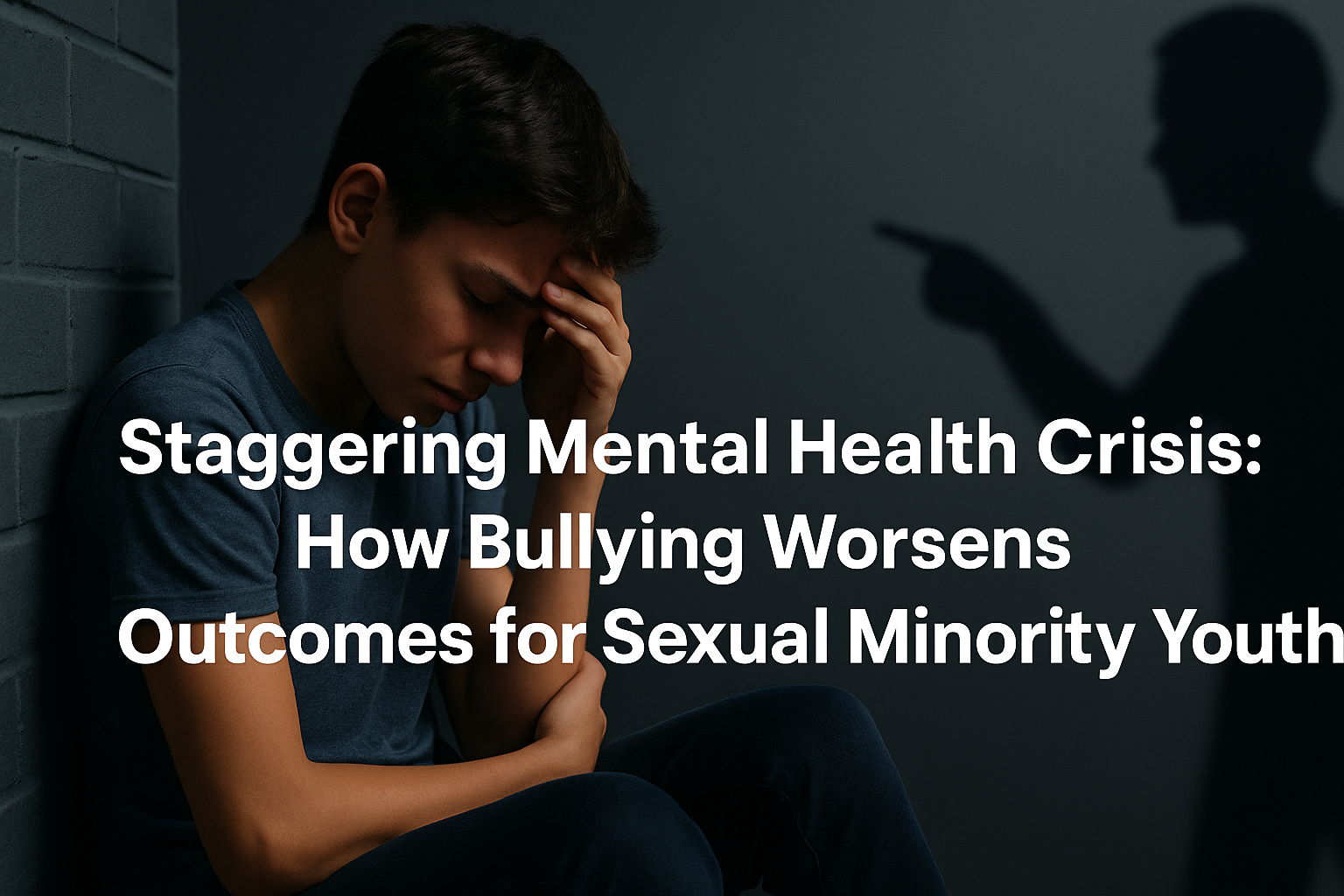
The mental health crisis among youth is a pressing issue, and recent research shines a harsh spotlight on the plight of sexual minority youth who face bullying. A study published in the Journal of Public Health reveals alarming statistics about the mental health challenges faced by these adolescents. The findings indicate that sexual minority youth experience significantly higher rates of psychological distress, self-harm, and attempted suicide compared to their heterosexual peers. The implications of this research should alarm all of us.
Understanding Bullying and Its Impact on Mental Health
Bullying has long been recognized as a major factor contributing to mental health issues in young people. It can take various forms—verbal, physical, emotional, or cyber—and its effects can be devastating. For sexual minority youth, the stakes are even higher. The study suggests that bullying is independently associated with a substantially increased likelihood of severe mental health problems. This means that for LGBTQ+ youth, bullying doesn’t just add to their challenges; it amplifies them.
To put it into perspective, all sexual minority groups in the study had three to four times higher rates of high psychological distress and self-harm or attempted suicide when compared to heterosexual youth. The situation is particularly dire for bisexual and gay/lesbian adolescents, who showed a staggering five to seven times higher prevalence when all three mental health issues occurred simultaneously. These statistics paint a grim picture of the mental health landscape for sexual minority youth—one that can’t be ignored.
The Connection Between Identity and Mental Health
It’s important to understand why bullying affects sexual minority youth so severely. Many LGBTQ+ adolescents are already grappling with their identities in a world that can often feel hostile. When they face bullying on top of this, it can lead to feelings of isolation, worthlessness, and despair. These feelings are compounded by societal stigma and discrimination, which unfortunately are still prevalent.
As a result, sexual minority youth may be less likely to seek help, fearing further judgment or ostracization. This reluctance to reach out for support exacerbates their conditions. The combination of bullying and the struggle for identity can create a toxic environment for mental health, leading to a cycle of distress that can be difficult to break.
Real-Life Consequences: Stories of Resilience and Pain
To truly understand the impact of bullying on mental health in sexual minority youth, we must listen to their stories. For instance, consider a teenager named Alex. Identifying as bisexual, Alex faced relentless bullying throughout middle and high school. Classmates would mock him, both in person and online, leading to severe depression and anxiety.
Despite these harrowing experiences, Alex found strength in a supportive community later in life, which allowed him to advocate for LGBTQ+ rights and mental health awareness. But not all stories end positively. Many sexual minority youth do not have such support systems and struggle with the weight of their emotional pain alone, which tragically can lead to self-harm or suicidal thoughts. (See: CDC on LGBTQ+ youth health.)
The Role of Schools and Communities
Schools play a crucial role in addressing bullying and supporting the mental health of all students, especially those from sexual minority groups. Comprehensive anti-bullying policies that include specific protections for LGBTQ+ students are essential. However, merely having policies in place isn’t enough. Schools must actively implement these policies, providing a safe and affirming environment for all students.
Educators and staff should receive training on the unique challenges faced by sexual minority youth, including appropriate interventions and resources. Support groups, mental health services, and inclusive curricula can contribute to a more welcoming atmosphere, reducing the incidence of bullying and its associated mental health risks.
The Importance of Family Support
Family dynamics also play a crucial role in the mental health of sexual minority youth. Research consistently shows that supportive families can significantly mitigate the negative effects of bullying. Families that openly accept and affirm their children’s identities provide crucial emotional support that can lead to improved mental health outcomes.
Conversely, rejection from family can exacerbate feelings of isolation and despair. For instance, youth who are rejected by their families are more likely to experience depression, substance abuse, and suicidal thoughts. Creating a nurturing environment at home can significantly impact a young person’s resilience against bullying and its mental health effects.
Moving Forward: Strategies for Support and Advocacy
Addressing the pressing issue of bullying and mental health in sexual minority youth requires a multifaceted approach. Here are several actionable strategies that can help:
- Education and Awareness: Initiate educational programs in schools to teach students about diversity and inclusion. Understanding can foster empathy and reduce bullying behaviors.
- Support Services: Ensure that mental health services are readily available and accessible. Schools should provide on-site counselors trained in LGBTQ+ issues.
- Peer Support Groups: Establish peer-led support groups where sexual minority youth can share their experiences and feelings in a safe environment.
- Parental Involvement: Encourage families to engage in open discussions about sexual orientation and identity to foster acceptance and understanding.
- Advocacy: Get involved in local and national advocacy efforts aimed at creating legislative protections for LGBTQ+ youth against bullying and discrimination.
Statistics and Facts on Bullying and Mental Health
Understanding the scale of the issue is vital. According to a survey conducted by the National Center for Educational Statistics, approximately 20% of students aged 12-18 reported being bullied during the school year. However, studies show that this percentage is significantly higher among LGBTQ+ youth. For example:
- 42% of LGBTQ+ youth reported feeling unsafe at school due to their sexual orientation.
- One study found that LGBTQ+ students are more than twice as likely to be bullied compared to their heterosexual peers.
- According to the Trevor Project, 40% of LGBTQ+ youth seriously considered attempting suicide in the past year, with more than half of transgender and non-binary youth contemplating suicide.
These statistics highlight the urgent need for effective interventions and support measures directed at sexual minority youth. It’s clear that bullying has a direct impact on mental health outcomes, making it a public health issue that requires immediate attention.
Expert Perspectives on Bullying and Mental Health
Experts in psychology and social work emphasize the need for a comprehensive understanding of bullying’s impact on mental health. Dr. Michael D. McIntosh, a clinical psychologist specializing in adolescent mental health, states, “Bullying can have long-lasting effects on a young person’s psyche. For sexual minority youth, the compounded effects of social rejection and bullying can lead to chronic mental health issues if not addressed early.” His perspective underscores the importance of early intervention and support. (See: NIMH statistics on LGBTQ+ youth.)
Furthermore, Dr. Emily Schwartz, an advocate for LGBTQ+ youth mental health, points out the positive correlation between community support and resilience. “When LGBTQ+ youth are surrounded by accepting peers and mentors, their mental health improves significantly. It’s crucial we create more inclusive spaces—both in schools and communities—to foster acceptance.” The insights from these experts serve as a reminder that change is possible with the right resources and support systems in place.
FAQs on Bullying and Mental Health in Sexual Minority Youth
What can I do if I witness bullying at school?
If you witness bullying, it’s important to intervene safely. Speak up and support the victim by letting them know they’re not alone. Report the incident to a teacher or school counselor, and encourage the victim to seek help. Your support can make a significant difference.
How can I support LGBTQ+ friends who are being bullied?
Listening and validating their feelings is key. Offer your friendship and let them know they can talk to you about their experiences. Encourage them to reach out to a trusted adult or mental health professional for additional support.
What resources are available for sexual minority youth experiencing bullying?
There are numerous resources available, including hotlines like the Trevor Project (1-866-488-7386), which offers crisis intervention. Additionally, many local organizations provide support groups, counseling services, and safe spaces for LGBTQ+ youth.
What role can allies play in combating bullying of sexual minority youth?
Allies can play a powerful role by advocating for inclusive policies in schools, standing up against discriminatory behavior, and creating a supportive environment. Allies should also educate themselves and others about the issues faced by sexual minority youth.
Insights from LGBTQ+ Youth on Bullying and Mental Health
Listening to the voices of sexual minority youth can provide invaluable insights into the effects of bullying on their mental health. Many express feelings of alienation and fear when faced with bullying, which can be compounded by societal misunderstanding. In a survey conducted by the Human Rights Campaign, 60% of LGBTQ+ youth reported feeling sad or hopeless due to bullying, highlighting a pervasive sense of despair.
Additionally, many youth report that finding communities of support, whether through LGBTQ+ clubs at school or online forums, has been a crucial part of their coping strategy. These safe spaces allow them to connect with peers who share similar experiences, ultimately fostering a sense of belonging and reducing feelings of isolation.
The Role of Media Representation
Interestingly, media representation of LGBTQ+ youth and issues can greatly influence perceptions and experiences related to bullying. Positive portrayals in movies, TV shows, and social media can help normalize LGBTQ+ identities and reduce stigma. For example, shows like “Euphoria” and “Love, Victor” have received praise for authentically depicting the struggles and triumphs of LGBTQ+ youth, contributing to broader societal acceptance.
On the flip side, negative or harmful portrayals can reinforce stereotypes and contribute to a culture of bullying. It’s crucial for content creators to approach LGBTQ+ stories with sensitivity and authenticity, as this can significantly impact the mental health of young viewers who may see themselves reflected in these narratives.
Conclusion: A Call to Action
As the study highlights, bullying is not just a rite of passage for some youth; it has staggering consequences for sexual minority youth, affecting their mental health in critical ways. The connection between bullying and mental health issues among these adolescents is undeniable, and it’s our responsibility as a society to confront this issue head-on. By fostering safe environments, providing robust support systems, and advocating for inclusive policies, we can help mitigate the mental health challenges faced by sexual minority youth.
Ultimately, no child should have to suffer in silence due to their identity. With collective effort, empathy, and action, we can create a world where all young people, regardless of their sexual orientation, can thrive and realize their full potential.
“`
Trending Now
Frequently Asked Questions
How does bullying affect the mental health of LGBTQ+ youth?
Bullying significantly worsens the mental health outcomes for LGBTQ+ youth, leading to higher rates of psychological distress, self-harm, and attempted suicide. Sexual minority youth face unique challenges that amplify the effects of bullying, resulting in severe mental health issues compared to their heterosexual peers.
What are the statistics on mental health issues in sexual minority youth?
Research indicates that sexual minority youth experience three to four times higher rates of psychological distress and self-harm compared to heterosexual youth. For bisexual and gay/lesbian adolescents, these rates can be five to seven times higher, especially when multiple mental health issues occur simultaneously.
Why are sexual minority youth more vulnerable to bullying?
Sexual minority youth often navigate complex identity issues in a society that can be hostile. This vulnerability makes them more susceptible to bullying, which exacerbates feelings of isolation, worthlessness, and despair, leading to severe mental health repercussions.
What forms of bullying do sexual minority youth experience?
Sexual minority youth can face various forms of bullying, including verbal, physical, emotional, and cyberbullying. Each type can have devastating effects on their mental health, compounding the already significant challenges they face due to their sexual orientation.
What can be done to support sexual minority youth facing bullying?
Supporting sexual minority youth involves creating safe environments, implementing anti-bullying policies, and providing mental health resources. Encouraging open discussions about identity and offering support networks can help mitigate the effects of bullying and improve mental health outcomes.
Agree or disagree? Drop a comment and tell us what you think.