
“`html
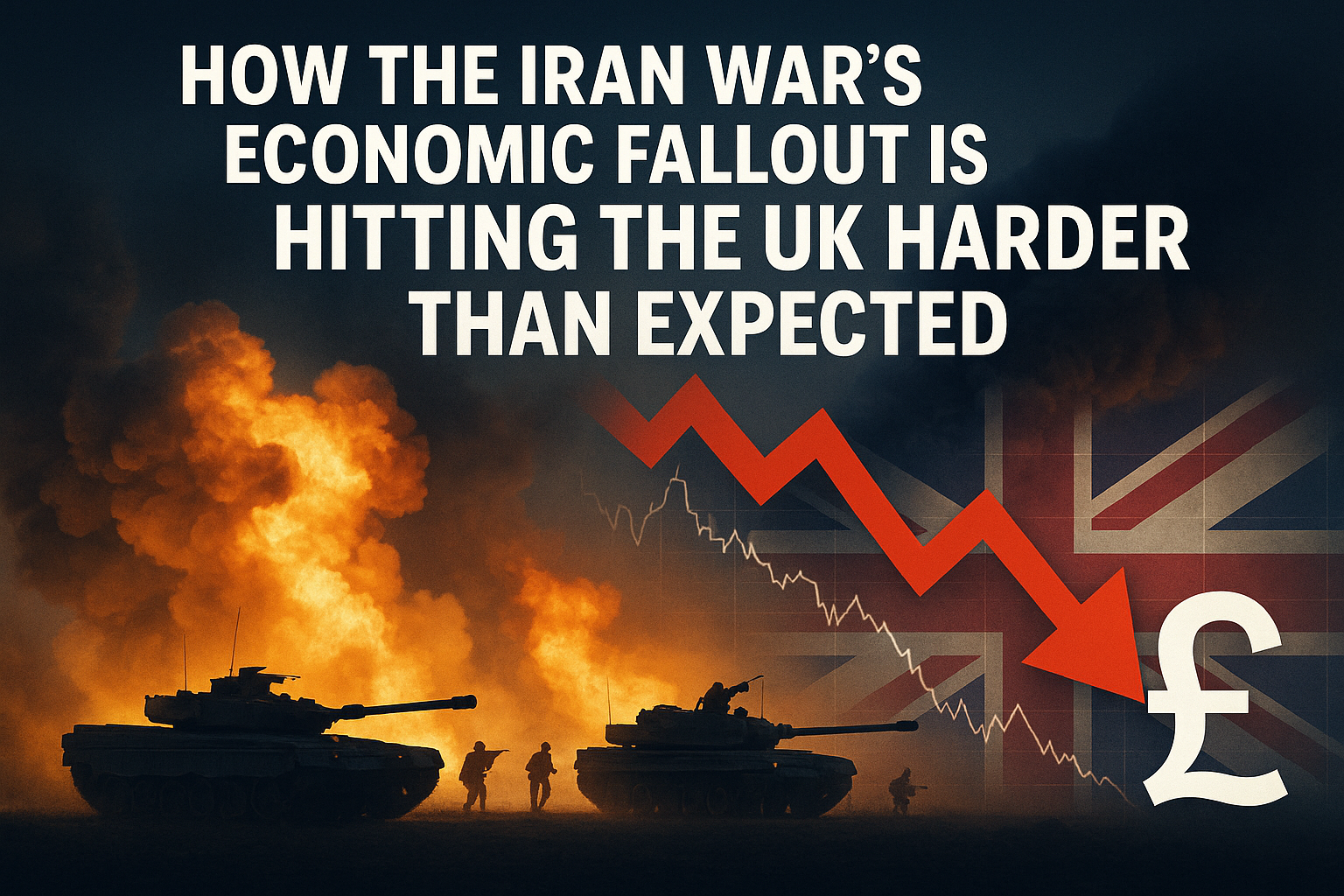
The ongoing turmoil surrounding the Iran war has sparked not only geopolitical tensions but also significant economic repercussions that the UK is grappling with. The Iran war economic impact UK is becoming increasingly clear, as disruptions in the Strait of Hormuz contribute to a global energy crisis that threatens to reshape the British economy in the months ahead. With estimates indicating a loss of between 10 million and 14 million barrels of oil per day from the market, the ramifications are profound.
Energy Disruptions: A Global Shock
At the heart of the current crisis lies the strategic Strait of Hormuz, a vital passage through which a significant portion of the world’s oil supply flows. The war in Iran has jeopardized this crucial route, leading to a dramatic reduction in oil exports. The numbers are staggering: analysts suggest that between 9 million and 12 million barrels per day are temporarily out of production. This not only tightens the global oil supply but also inflates prices, leading to a ripple effect that impacts consumers and businesses alike.
For the UK, which is already grappling with the fallout from previous economic challenges, this energy shock comes at a particularly sensitive time. Households are feeling the pressure as fuel prices surge, and businesses face increased operational costs. The energy sector, a cornerstone of the British economy, is at a tipping point where any further disruption could lead to a broader economic downturn.
Projected Economic Impacts on the UK
The forecasts regarding the Iran war economic impact UK paint a troubling picture. Experts predict that the best-case scenario for the UK economy is a growth reduction of about 0.5%. This may not sound catastrophic at first, but when considered in conjunction with rising inflation—estimated to climb by 1% to 1.5%—the stakes become much higher.
With inflation affecting everything from groceries to energy bills, the cost of living crisis is exacerbated. Households that were already stretched thin may find it even more difficult to manage day-to-day expenses. The Bank of England’s forecasts suggest that the war could lead to prolonged elevated energy prices, which could last for months, if not longer. This situation raises essential questions about the resilience of the UK economy in the face of external shocks.
The Ripple Effect of Higher Energy Prices
When energy prices rise, the effects cascade through the economy. Transportation, production, and service costs all increase, which directly impacts consumer prices. In the UK, where the average household already allocates a significant portion of its income to energy, a further rise could lead to a decrease in disposable income. This chain reaction can result in reduced consumer spending, which is a critical component of economic health.
Moreover, businesses that rely heavily on energy resources may experience tighter profit margins, leading to potential layoffs or reduced hiring. The cumulative effect could slow economic growth, creating a vicious cycle of uncertainty and stagnation. For the UK’s economy, which is still recovering from the impacts of Brexit and the COVID-19 pandemic, this is yet another hurdle to overcome.
Geopolitical Considerations: The Bigger Picture
The implications of the Iran war extend beyond just energy markets; they reflect deeper geopolitical tensions that could reshape alliances and trade routes in the future. The UK’s position in this context becomes even more precarious, particularly as it navigates its post-Brexit identity. Trade relationships with traditional allies may be tested as nations prioritize their own energy security above all else. (See: UK economy impacted by energy crisis.)
This shifting landscape necessitates a reevaluation of UK foreign policy and economic strategy. The potential for further conflict in the Middle East, especially around strategic supply routes, could prompt the UK to strengthen its energy independence initiatives or to seek new partnerships that mitigate reliance on volatile regions.
Preparing for an Uncertain Future
As the effects of the Iran war continue to reverberate through the UK economy, policymakers must prepare for a range of scenarios. One strategy is to accelerate investments in renewable energy, which can help reduce the country’s dependence on foreign oil and provide a buffer against future shocks. The UK has made strides in wind and solar power, but further commitment is needed to enhance energy security.
In addition to energy diversification, addressing the immediate cost-of-living pressures on households should be a priority. Targeted financial support for vulnerable demographics, such as low-income families and the elderly, could alleviate some of the burdens caused by rising energy prices. The government could also consider implementing measures to stabilize fuel prices, although such interventions often come with their own set of complications.
Impact on UK Industries
Different sectors in the UK will feel varying degrees of impact due to the energy crisis stemming from the Iran war. The manufacturing industry, for instance, is particularly vulnerable. Manufacturers often operate on thin margins, and rising energy costs can quickly erode profitability. A recent report from the Confederation of British Industry (CBI) indicated that over 60% of manufacturers are facing significant cost pressures due to energy price spikes. This could lead to decreased output, reduced investment in growth, and ultimately, job losses in this crucial sector.
The transportation industry is another area likely to suffer. With increased fuel prices, costs for logistics and delivery are expected to rise, which could lead to higher prices for goods across the board. Public transportation systems, which are already under financial strain, might struggle to maintain services when faced with spiraling operational costs. In urban areas, this could also lead to increased traffic congestion as people opt to drive rather than pay higher public transport fares.
Consumer Behavior Shifts
As energy prices continue to rise, consumer behavior is expected to shift significantly. Households may start prioritizing essential expenses over discretionary spending. This could lead to decreased sales in non-essential retail sectors, further exacerbating the economic strain on businesses. According to a survey conducted by the Office for National Statistics, nearly 40% of UK consumers have already expressed concerns about their ability to manage higher energy bills, indicating a broader change in consumer sentiment.
Moreover, consumers may also turn to cheaper alternatives in energy use, leading to increased interest in energy-efficient appliances and home improvements that reduce energy consumption. This trend could spur new markets and business opportunities for companies focused on sustainability and energy efficiency.
Long-Term Economic Strategies
In the wake of the Iran war and its economic fallout, the UK must consider long-term strategies to enhance its economic resilience. Diversification of energy sources is essential, but so is securing trade partnerships that can provide stability in times of crisis. The UK government may need to explore new agreements with other oil-producing nations or strengthen ties with nations that can supply alternative energy sources, such as natural gas. (See: Oil prices surge amid Iran conflict.)
Investing in domestic energy production, including both fossil fuels and renewables, should become a critical focus. The UK has significant offshore wind resources and the potential for expanding natural gas production in the North Sea. Creating a balanced energy portfolio that supports job creation while ensuring energy security is vital for long-term stability.
FAQ: Understanding the Iran War’s Economic Impact on the UK
What is the main economic impact of the Iran war on the UK?
The main economic impact is the surge in energy prices due to disruptions in oil supply, which leads to higher inflation and reduced consumer spending.
How do rising energy prices affect UK households?
Rising energy prices reduce disposable income for households, making it harder for them to manage everyday expenses and potentially leading to a decrease in overall consumer spending.
What sectors are most affected by the Iran war’s economic impact?
The manufacturing and transportation sectors are significantly affected due to higher operational costs, which may result in job losses and decreased growth potential.
What measures can the UK government take to mitigate these impacts?
The government can invest in renewable energy, provide targeted financial support for vulnerable populations, and explore new trade agreements to ensure energy security.
How will the Iran war affect the UK’s future energy policies?
The conflict may prompt the UK to accelerate its transition to renewable energy sources and strengthen its energy independence to protect against future geopolitical shocks.
The Role of International Trade in the Economic Impact
The interconnectedness of global trade means that the effects of the Iran war extend beyond the immediate energy sector. The UK relies on imports and exports of various goods and services, many of which are influenced by energy prices. For example, agricultural products, which are sensitive to fuel costs for transportation, could see price increases, ultimately affecting food security and inflation rates. (See: Impact of energy crisis on public health.)
In particular, the UK’s agricultural exports to Europe might suffer if production costs escalate due to rising fuel prices. Reports indicate that UK farmers are already struggling with input costs, and with energy prices expected to rise, this situation could worsen, impacting the supply chain and food prices in supermarkets.
Potential for Economic Innovation
While the immediate outlook may seem bleak, there is a silver lining. The energy crisis could drive innovation in the UK economy. As businesses and consumers seek alternatives to high energy prices, investment in technology and new practices could emerge. For instance, companies may invest in more efficient machinery or adopt innovative energy-saving technologies, ultimately leading to enhanced productivity. The trend toward green technology and sustainable practices could be accelerated as consumers become more aware of energy costs and their environmental impact.
Research and development in renewable energy technologies could be significantly boosted as both the public and private sectors look for long-term solutions. This could position the UK as a leader in the global transition to a more sustainable energy future, creating jobs and economic growth in the long run.
Conclusion: The Long-Term Economic Landscape
The Iran war economic impact UK is profound, shaping not only the immediate economic landscape but also influencing longer-term strategies for energy security and economic resilience. As the UK grapples with potential growth losses and higher inflation, the way forward will require a careful balance between immediate relief measures and long-term structural changes.
The war in Iran serves as a stark reminder of how interconnected our world is. The impacts of one region can send shockwaves across the globe, reminding us all of the importance of strategic planning in uncertain times. If the UK can leverage this moment to transition towards a more sustainable and independent energy strategy, it may emerge from the crisis not only intact but even stronger.
“`
Trending Now
Frequently Asked Questions
How is the Iran war affecting the UK economy?
The Iran war is causing significant economic repercussions for the UK, primarily through disruptions in the Strait of Hormuz, which have led to reduced oil exports and inflated prices. This energy crisis is expected to result in a growth reduction of about 0.5% and an increase in inflation, exacerbating the cost of living crisis.
What are the economic consequences of the Iran conflict for the UK?
The ongoing Iran conflict is leading to a global energy crisis that has profound economic consequences for the UK, including increased operational costs for businesses and rising fuel prices for households. Experts predict a potential growth reduction and an inflation increase of 1% to 1.5%, significantly impacting the cost of living.
Why are oil prices rising due to the Iran war?
Oil prices are rising due to disruptions in the Strait of Hormuz, a crucial passage for global oil supply, which has seen a dramatic reduction in exports. With estimates of 9 to 12 million barrels per day out of production, this tightens global supply, inflates prices, and impacts economies worldwide, including the UK.
What is the predicted inflation rate in the UK due to the Iran war?
Experts predict that inflation in the UK could rise by 1% to 1.5% as a direct consequence of the economic fallout from the Iran war. This increase in inflation will affect everyday costs, from groceries to energy bills, contributing to the ongoing cost of living crisis.
How is the energy sector in the UK impacted by the Iran war?
The UK energy sector is facing significant challenges due to the Iran war, with rising fuel prices and increased operational costs for businesses. As the sector is a cornerstone of the British economy, further disruptions could lead to broader economic downturns, exacerbating existing economic difficulties.
Agree or disagree? Drop a comment and tell us what you think.