
“`html
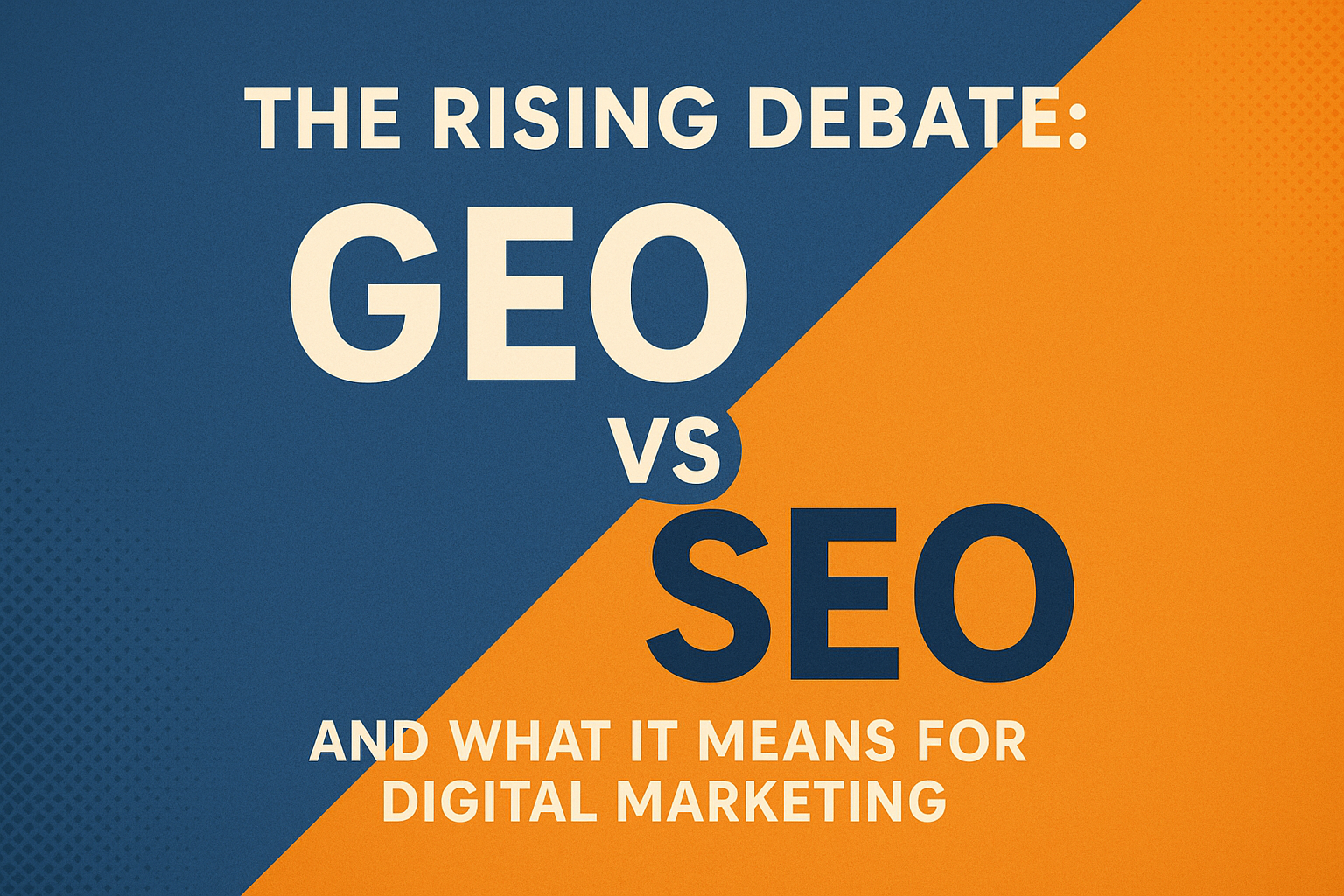
The digital marketing landscape is constantly shifting, but few things are creating as much buzz as the discussion surrounding GEO vs SEO. As Google’s AI Overviews begin to reshape the way users find information online, we’re entering a new era where traditional search engine optimization (SEO) strategies might need a serious overhaul. In this article, we’ll explore the implications of this technological evolution and what it means for marketers, publishers, and creators.
1. Understanding the Basics: What Are GEO and SEO?
To unpack the discussion around GEO vs SEO, it’s essential to first understand what each term means. SEO, or search engine optimization, refers to strategies and techniques aimed at increasing the visibility of a website in search engine results pages (SERPs). It encompasses everything from keyword research to on-page optimization, link-building, and user experience. Its ultimate goal? To drive organic traffic to your site.
On the other hand, GEO, or geographic optimization, focuses on tailoring content and marketing efforts to specific geographical locations. This strategy is crucial for local businesses that want to attract customers in their area. Both methods have their advantages; however, as technology evolves, their relevance may shift dramatically.
2. The Impact of AI on Information Discovery
The rise of Google’s AI technology has transformed how users discover and consume information online. With AI-generated overviews, users can now receive direct answers to queries without ever having to click through to a website. This shift poses a significant challenge for traditional SEO practices, as it threatens to diminish the traffic that websites receive.
Marketers and content creators are understandably concerned. If users can obtain the information they seek directly from AI without visiting their sites, the potential for traffic loss grows. According to recent studies, a marked decrease in click-through rates has already been observed, leading to a reevaluation of what effective digital marketing strategies will look like in the future.
3. The Fear of Traffic Loss
As the debate on GEO vs SEO heats up, the fear of traffic loss looms large in the minds of many marketers. For businesses that rely heavily on web traffic for their revenue—think e-commerce sites, blogs, and news outlets—losing clicks can have devastating financial implications.
In an environment where AI can provide instant answers, brands might need to rethink their entire approach to content creation. Are they creating content that is engaging enough to encourage clicks, or are they merely filling the web with SEO-optimized fluff? The challenge ahead is not only to maintain visibility in search results but to create genuine value that motivates users to seek out the brand’s content rather than relying solely on AI-generated summaries.
4. Marketers’ Reactions: Adapting to Change
In light of the emerging GEO vs SEO paradigm, marketers are beginning to adapt their strategies. Many are focusing on enhancing user experience, creating highly engaging content, and integrating multimedia elements to capture attention in a way that AI simply cannot replicate. For instance, incorporating videos, infographics, and interactive content can drive engagement and encourage users to click through to the site.
Additionally, marketers are beginning to leverage data analytics to understand user preferences better. By utilizing tools that track user behavior, they can pinpoint what types of content resonate most with their audiences and optimize accordingly. The key lies in going beyond traditional SEO and finding innovative ways to engage users, which AI may struggle to replicate. (See: Search engine optimization overview.)
5. Content Quality vs. Quantity
With AI reshaping the landscape, the debate around content quality versus quantity has taken center stage. In the past, many marketers focused on pumping out high volumes of content to capture search rankings. However, as AI-generated answers become more prevalent, the emphasis is shifting toward creating high-quality content that provides real value.
Quality content not only drives traffic but also builds trust and credibility. Brands that invest in exceptional content are more likely to withstand the impact of AI in the long run. This means conducting thorough research, providing well-crafted insights, and addressing user needs effectively. In a world where AI might give quick answers, those who can provide depth and context will shine.
6. The Role of Local SEO in the Age of AI
Local businesses have a unique position in the GEO vs SEO conversation. While AI may alter the way information is presented, local SEO remains crucial for attracting customers in specific geographical areas. With the rise of mobile searches, many users turn to their devices to find local services and products. This is where geographic optimization can play a pivotal role.
By optimizing for local search queries, businesses can ensure they remain visible to their target audience, even in the age of AI. This includes strategies like claiming Google My Business listings, utilizing local keywords, and gathering customer reviews. Incorporating these elements can help local businesses maintain their competitive edge while navigating the changes brought by AI.
7. The Future: Balancing GEO and SEO
As we look ahead, the balance between GEO vs SEO will likely require ongoing adjustments. Marketers must remain flexible and open to experimentation with their strategies. Embracing AI as a tool rather than viewing it solely as a threat is crucial. For instance, integrating AI analytics into marketing efforts can provide insights that refine SEO strategies and enhance content quality.
The future of digital marketing will not be without its challenges, but those who can adapt and innovate will undoubtedly thrive. By focusing on quality, user engagement, and local optimization, marketers can carve out a space for themselves even as AI continues to shape the online landscape.
8. Statistics That Matter
Understanding the impact of AI and the competition between GEO and SEO isn’t just theoretical; it’s backed by some compelling statistics. For instance, according to a 2022 study by HubSpot, 61% of marketers consider AI to be the most important aspect of their current marketing strategies. Additionally, a survey by Search Engine Journal found that 67% of SEO professionals believe AI-generated content will play a significant role in the future of content marketing.
Moreover, local searches have shown a high intent to convert. Google’s data indicates that 76% of people who search for something nearby visit a business within a day. This reinforces the importance of combining GEO and SEO strategies to maximize visibility and engagement.
9. Expert Perspectives: What Do the Professionals Say?
Industry experts are weighing in on the GEO vs SEO debate. According to Rand Fishkin, co-founder of SparkToro, “The way people search is evolving with AI. It’s essential for marketers to pivot their strategies to accommodate for how consumers are changing their behavior.” Many professionals emphasize that while SEO remains fundamental, integrating geographic elements can create more personalized experiences for users. (See: Geographic optimization in public health.)
Conversely, Neil Patel, a digital marketing expert, believes that local SEO will thrive even with the rise of AI. He states, “Businesses that can leverage local SEO will continue to attract their target audience effectively, as people still prefer local solutions to their problems.” This combination of expert insights underscores the need for a balanced approach in your marketing strategies.
10. Challenges and Opportunities
As the GEO vs SEO conversation unfolds, it’s essential to recognize the challenges and opportunities that lie ahead. One significant challenge is the competition for local search visibility. With more businesses optimizing for local traffic, distinguishing your brand requires creativity and innovation.
However, this also presents an opportunity for brands to leverage their unique selling propositions (USPs). By focusing on local culture, customer service, or unique product offerings, businesses can appeal to their community and stand out in a crowded marketplace. Additionally, the integration of AI tools can streamline marketing efforts, making it easier to analyze data and target specific demographics effectively.
11. Frequently Asked Questions (FAQ)
What is the main difference between GEO and SEO?
The primary difference lies in their focus: SEO aims for broader visibility in search engine results, while GEO emphasizes optimizing for local searches and targeting specific geographic locations.
How can businesses adapt their strategies to incorporate both GEO and SEO?
Businesses can adopt a hybrid strategy by optimizing their content for national keywords and localized terms. Using tools like Google My Business, ensuring consistent NAP (Name, Address, Phone Number) listings, and creating localized content can help merge both approaches.
Will AI eventually replace traditional SEO methods?
While AI will continue to influence SEO practices, it’s unlikely to replace them entirely. Traditional SEO methods will evolve, necessitating a blend of quality content creation and AI-driven insights.
Can small businesses benefit from GEO optimization?
Absolutely! Small businesses can significantly benefit from GEO optimization as it allows them to compete in local markets effectively, driving foot traffic and online engagement through localized content.
What role does content quality play in the future of SEO?
Content quality will play an increasingly vital role in the future of SEO. As users seek valuable insights, brands that focus on delivering exceptional content will stand out and continue to attract visitors despite the rise of AI-generated responses. (See: Impact of AI on search technology.)
12. The Importance of User Intent
Understanding user intent is crucial in the GEO vs SEO landscape. User intent refers to the motivation behind a search query. Are users looking for information, trying to make a purchase, or searching for a service nearby? This understanding can significantly impact how you structure your content and optimize for keywords.
For instance, local queries often indicate high intent to purchase. A study by Google found that 28% of searches for something nearby result in a purchase within a day. Marketers should tailor their GEO strategies to capture this intent by focusing on local keywords and ensuring that their content aligns with what users are looking for. For example, a coffee shop might optimize for queries like “best coffee near me” or “coffee shops open now” to directly meet user needs.
13. The Integration of Voice Search
As voice search technology gains popularity, the GEO vs SEO dynamic is shifting again. Voice searches tend to be more conversational and often entail local queries. This means businesses must optimize for voice search by using natural language and focusing on local SEO tactics.
According to a report by Comscore, 50% of all searches will be voice searches by 2025. This trend underlines the importance of adjusting your SEO and GEO strategies to cater specifically to voice search. Businesses should consider implementing conversational keywords and phrases in their content to remain competitive. For instance, instead of just focusing on “pizza delivery,” a local restaurant might want to optimize for “where can I find pizza delivery near me?”
14. Case Studies: Success Stories in GEO and SEO
Examining successful implementations of GEO and SEO strategies can provide valuable insights. One notable case is that of a small bakery that optimized its website for local searches. By utilizing keywords relevant to their geographic area, claiming their Google My Business listing, and encouraging satisfied customers to leave positive reviews, they increased foot traffic by 40% within six months.
Another example is a national home services company that successfully blended GEO and SEO by creating localized landing pages for each service area. This strategy allowed them to target specific regional keywords while still maintaining their broader SEO efforts. As a result, they saw a 30% increase in organic search traffic and a 25% boost in conversions within a year.
“`
Trending Now
- our breakdown of 7 essential ways scaffolding can boost executive function development
- the complete explanation
- this guide on unlocking student potential: a teacher’s guide to scaffolding in competency-based education
- Unlocking the Secrets of Pragmatics in Language Development: A Parent’s Essential Guide
Frequently Asked Questions
What is the difference between GEO and SEO?
GEO, or geographic optimization, focuses on tailoring marketing efforts to specific locations, making it vital for local businesses. In contrast, SEO, or search engine optimization, involves strategies to improve a website's visibility in search results. Both approaches have their advantages, but their relevance may shift as technology evolves.
How is AI changing digital marketing strategies?
AI technology is reshaping digital marketing by providing users with direct answers to queries, potentially reducing the need to visit websites. This evolution challenges traditional SEO practices, as marketers must adapt to maintain traffic and engagement amid changing user behaviors.
Why is geographic optimization important for businesses?
Geographic optimization is crucial for businesses that rely on local customers, as it helps tailor content and marketing strategies to specific areas. This targeted approach can increase visibility and attract more relevant traffic, ultimately driving sales and customer engagement.
What challenges does AI pose for traditional SEO?
The rise of AI-generated content poses significant challenges for traditional SEO by potentially decreasing website traffic. As users receive direct answers from AI without visiting sites, marketers must rethink their strategies to maintain visibility and engagement in the changing digital landscape.
What should marketers consider with the rise of AI in search?
Marketers should consider how AI influences user behavior and information consumption. Adapting strategies to focus on user experience, creating high-quality content, and exploring new engagement methods will be essential to thrive in the evolving landscape shaped by AI technologies.
What did we miss? Let us know in the comments and join the conversation.