
“`html
Understanding AI Prompting Techniques
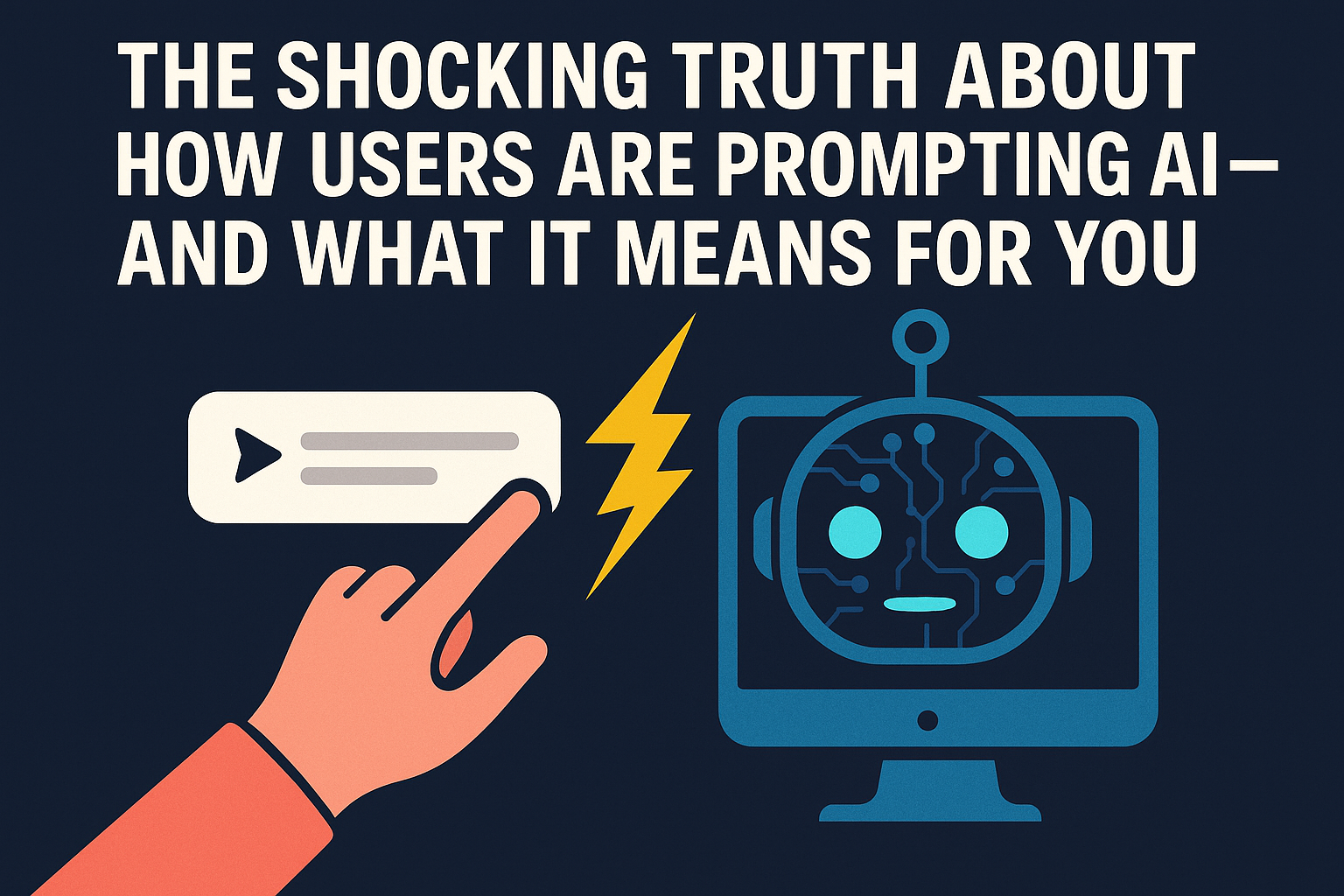
As artificial intelligence (AI) continues to permeate everyday life, the way users interact with these systems is evolving rapidly. One key area of focus is AI prompting techniques, which refer to how individuals formulate their queries to get the most effective responses from AI systems. It’s more than just typing a question; it’s about how specific and contextual those inquiries can be, ultimately reshaping the user experience.
The Rise of AI Searches
AI search is becoming a daily habit for millions. Users are increasingly relying on AI models for assistance, trusting these systems to provide recommendations tailored to their personal circumstances. This trust signals a significant shift in how search engines function. Unlike traditional search engines like Google, where users often ask broad questions, AI prompting encourages a more nuanced exchange. It’s this change that has sparked interest among marketers and everyday users alike.
The Data Behind AI Prompting
Recent studies have revealed some striking statistics about how people are prompting AI. For instance, about one-third of all prompts contain personal attributes such as budget, location, profession, age, health concerns, or life stage. This level of detail shows that users are comfortable providing AI with context that they wouldn’t typically share in a traditional search setting. It’s almost as if they are opening a window into their lives, allowing AI to suggest options that are not only relevant but deeply personalized.
Length of Prompts
Interestingly, despite the trend toward personalization, the average length of prompts remains relatively short – typically ranging from 4.2 to 8.7 words. This suggests that while users are providing more context, they still favor a concise approach reminiscent of classic search queries. The balance between brevity and detail is critical, and it highlights an ongoing evolution in how we communicate with technology.
The Familiar Yet Invasive Nature of AI
AI prompting techniques present a fascinating dichotomy. On one hand, users find the process familiar because it mimics traditional search engines; on the other hand, it can feel invasive. When you type in personal information, is it a query or an unwitting confessional? This juxtaposition is what makes AI search both intriguing and alarming. The willingness to share private information with AI systems raises questions about data privacy and user consent that cannot be ignored.
Implications for Marketers
The insights garnered from how users prompt AI can provide invaluable information for marketers. Understanding the nature of AI prompting techniques allows marketers to tailor their strategies. By recognizing the types of personal information users are willing to share and how they formulate their prompts, marketers can optimize their content to align with user needs more effectively.
Personalization at Scale
One of the most significant implications of this shift is the opportunity for personalization at scale. Marketers can utilize AI to create targeted campaigns that resonate with individual users. For example, if a user frequently prompts AI about health-related topics, personalized content surrounding wellness products or services can be developed. This approach not only improves engagement but also builds trust with the audience.
Strategies for Effective AI Prompting
Whether you’re a marketer or an everyday user, understanding effective AI prompting techniques can enhance your interaction with AI systems. Here are some strategies to consider: (See: AI prompting techniques in detail.)
- Be Specific: The more detail you provide, the better the AI can tailor its responses to your needs. Instead of asking for “restaurants,” specify “Italian restaurants in downtown with vegan options.”
- Include Context: Share relevant background information. If you have dietary restrictions, mention them in your prompt to get suitable recommendations.
- Use Natural Language: Speak to AI like you would to a human. This can lead to more natural and relevant interactions.
- Experiment with Length: Don’t hesitate to vary the length of your prompts. Sometimes a shorter prompt can be more effective, while other times a detailed query yields better results.
The Future of AI Prompting Techniques
As AI technology continues to evolve, so too will the methods users employ to interact with these systems. The trend toward more personalized and context-aware prompting is likely to grow. This evolution is not just about improving AI performance but also about reshaping the very nature of human-computer interaction.
Building a Trustworthy Relationship
Moving forward, establishing a trustworthy relationship between AI systems and users will be crucial. As users become more aware of the data they share, transparency will be paramount. AI developers must ensure that users understand how their information is used and stored. This understanding will foster a more secure environment where users feel confident in sharing their data.
Common Misconceptions About AI Prompting Techniques
As with any emerging technology, misconceptions abound regarding AI prompting techniques. Let’s clarify some of the most common myths:
- AI Can Read Minds: While AI is sophisticated, it cannot predict your thoughts. It relies on the prompts you provide. If you want better responses, you need to give clear and detailed instructions.
- Longer Prompts Are Always Better: Length doesn’t always equate to quality. Sometimes a succinct prompt can yield more relevant information than an overly detailed one.
- AI Understands Context Automatically: AI has improved in understanding context but still requires users to provide relevant details for the best results.
FAQs About AI Prompting Techniques
What are AI prompting techniques?
AI prompting techniques refer to the specific ways users formulate their queries to interact with AI systems effectively. It encompasses the level of detail, context, and language style used in prompts.
Why is it essential to be specific in prompts?
Being specific helps the AI generate more accurate and relevant responses. The more precise your prompt, the better the AI can understand your needs and provide tailored suggestions.
How can marketers benefit from AI prompting techniques?
Marketers can use insights from AI prompting to create personalized content and targeted advertising strategies that resonate with individual users, enhancing engagement and improving conversion rates.
Is there a risk of privacy invasion when using AI?
Yes, there are privacy concerns associated with sharing personal information with AI systems. Users should be mindful of the details they provide and understand how their data will be used.
How will AI prompting evolve in the future?
AI prompting is expected to become more intuitive and context-aware, with users likely becoming more sophisticated in their prompting techniques, allowing for even more personalized AI interactions. (See: Impact of technology on health behaviors.)
Examples of AI Prompting Techniques in Action
Let’s consider a few scenarios to illustrate how effective prompting can enhance interactions with AI.
Scenario 1: Travel Planning
Imagine you want to plan a vacation. Instead of simply asking, “What are some good vacation spots?” A more effective prompt might be, “What are some affordable beach vacation spots for a family of four in the Caribbean in July?” This prompt gives the AI a clear understanding of budget, type of destination, target audience, and time of year, allowing it to offer tailored suggestions.
Scenario 2: Job Searching
If you’re looking for a job, instead of asking, “What jobs are available?”, you could say, “What remote digital marketing jobs are available for recent graduates in the tech industry?” This specific prompt helps the AI focus its search on your qualifications and preferred job format, delivering more relevant results.
Scenario 3: Health and Fitness
For health and fitness queries, rather than asking, “What should I eat?”, a better prompt could be, “What are some high-protein meal options for someone trying to build muscle but who is also lactose intolerant?” Contextual prompts like this allow AI to provide dietary suggestions that consider both your goals and restrictions.
Real-World Applications of AI Prompting Techniques
The practical application of AI prompting techniques spans various industries, showcasing their versatility and importance. Here are some real-world examples that highlight how effective prompting can yield significant benefits.
Customer Service
In customer service, AI chatbots rely heavily on user prompts to provide relevant assistance. When a customer types, “I want to return an item,” the AI can interpret this and respond with the necessary steps to facilitate the return process. However, if the customer specifies details like “I want to return a pair of shoes bought last month,” the AI can tailor its response further, streamlining the service experience.
Education and Learning
In educational platforms, students can leverage AI by crafting specific queries. For instance, instead of asking, “Help me with math,” a student could pose, “Can you explain the Pythagorean theorem with examples?” This targeted approach allows AI to provide more focused and helpful content, enhancing the learning process.
Healthcare Consultation
AI prompting techniques are also making waves in healthcare. Patients can use AI-driven applications to ask, “What are some treatment options for anxiety that don’t involve medication?” This specific question helps the AI deliver relevant information and resources that align with patient preferences, improving the overall healthcare experience. (See: Studies on user interaction with AI.)
Challenges and Limitations of AI Prompting Techniques
While AI prompting techniques present numerous advantages, it’s essential to acknowledge some challenges and limitations that still exist.
Misinterpretation of Prompts
One challenge is the potential for misinterpretation of prompts. AI systems may not always grasp the nuances of human language, leading to responses that miss the mark. For example, if a user types, “How do I improve my writing?” the AI might return generic advice rather than personalized tips suited to the user’s writing style. This demonstrates the need for continuous improvements in AI natural language processing capabilities.
Over-Reliance on AI
Another limitation is the risk of users becoming overly reliant on AI for decision-making. While AI can provide valuable insights and recommendations, it’s crucial for users to maintain critical thinking skills and not blindly follow suggestions without further research or consideration. Striking a balance between utilizing AI assistance and personal judgment is vital.
Data Privacy Concerns
As previously mentioned, privacy remains a significant concern. Users must navigate the fine line between sharing enough information for personalized responses and safeguarding their private data. Companies developing AI systems need to prioritize user privacy, implementing robust security measures and transparent data usage policies.
Conclusion
The way we prompt AI is changing, reflecting broader trends in personalization and user engagement. By understanding AI prompting techniques, both users and marketers can create more meaningful interactions. As the line between user and machine continues to blur, being mindful of the information shared and how it’s used will be essential in shaping the future of digital experiences.
“`
Trending Now
Frequently Asked Questions
What are AI prompting techniques?
AI prompting techniques refer to how users formulate their queries to obtain effective responses from AI systems. This involves crafting specific and contextual inquiries that enhance the user experience, moving beyond simple questions to more nuanced exchanges.
How is AI search different from traditional search engines?
AI search differs from traditional search engines like Google by encouraging more personalized and detailed interactions. Users provide contextual information, leading to tailored recommendations, contrasting with the broader, less specific queries typical of traditional search.
What statistics show about how users prompt AI?
Recent studies indicate that about one-third of AI prompts include personal attributes such as budget, location, and health concerns. This highlights users' willingness to share detailed context with AI for more relevant and personalized responses.
What is the average length of AI prompts?
The average length of AI prompts typically ranges from 4.2 to 8.7 words. This suggests that while users are providing more contextual information, they still prefer concise queries, balancing brevity with necessary detail.
Why are users trusting AI for personalized recommendations?
Users are increasingly trusting AI for personalized recommendations because these systems can leverage detailed contextual information to provide tailored suggestions. This shift reflects a growing reliance on AI as a valuable resource in everyday decision-making.
What did we miss? Let us know in the comments and join the conversation.