

“`html
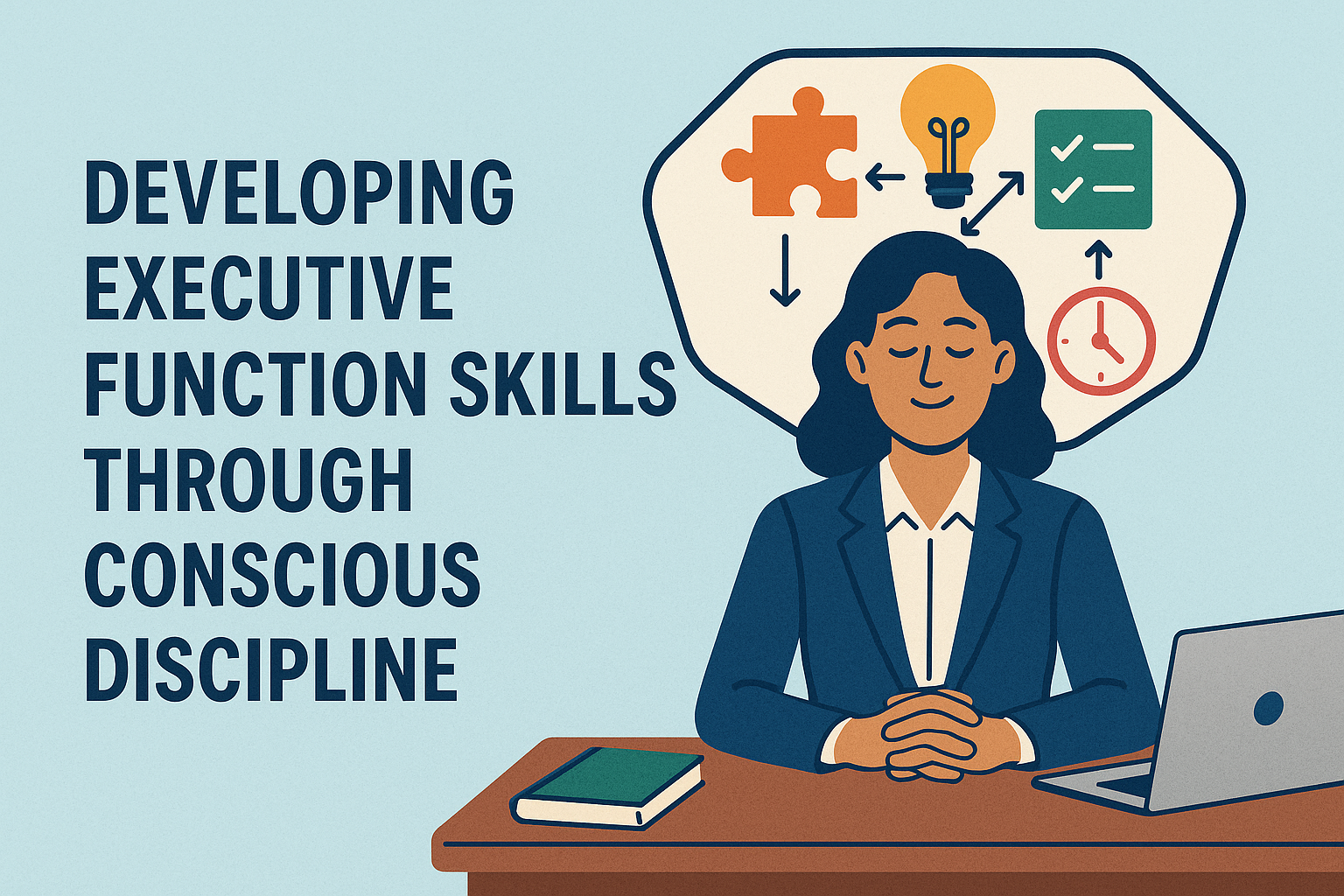
In the realm of child development, the term executive function skills often comes up as a crucial component in a child’s ability to navigate life effectively. These skills encompass a range of cognitive processes, including working memory, cognitive flexibility, and inhibitory control. The good news is that these skills can be developed and enhanced through intentional strategies. One of the most effective frameworks for fostering these skills is Conscious Discipline, an approach designed to integrate social-emotional learning with self-regulation and discipline. This article delves into how Conscious Discipline can cultivate executive function skills in children, providing practical insights and current relevance.
Understanding Executive Function Skills
Before diving into the relationship between Conscious Discipline and executive function skills, it’s essential to understand what these skills entail. Executive function skills are often described as the mental processes that enable us to plan, focus attention, remember instructions, and juggle multiple tasks successfully. These skills are akin to a conductor orchestrating an entire symphony — they help manage various cognitive processes and ensure they work together harmoniously.
Research shows that executive function skills are crucial for academic success, social interactions, and emotional well-being. A child with strong executive function skills is more likely to excel in school, handle stress effectively, and develop healthy relationships. Conversely, those with underdeveloped skills may struggle with impulsivity, attention issues, and emotional regulation.
The Role of Conscious Discipline
Conscious Discipline is a comprehensive, trauma-informed approach developed by Dr. Becky Bailey. It focuses on teaching children self-regulation, emotional intelligence, and relationship skills through a systematic and intentional framework. The program emphasizes the importance of creating a safe, nurturing environment where children can learn and grow.
At its core, Conscious Discipline is built on the premise that discipline should be about teaching rather than punishment. By integrating social-emotional learning with discipline strategies, it provides educators and parents with tools to foster supportive relationships and promote emotional well-being.
The philosophy underlying Conscious Discipline is rooted in neuroscience, understanding that children’s behavior is often a reflection of their emotional state. When children feel safe and connected, they are more receptive to learning and developing essential skills, including executive function skills.
Key Components of Conscious Discipline to Enhance Executive Function Skills
Conscious Discipline encompasses several key components that directly contribute to the development of executive function skills. Let’s explore these components:
- Safety: The first step in Conscious Discipline is establishing safety. Children need to feel physically and emotionally safe to learn effectively. When children perceive their environment as safe, they are more likely to engage in learning and self-regulation.
- Connection: Building strong, positive relationships is another cornerstone. Children learn best through relationships. When they feel connected to adults, they are more likely to engage in positive behaviors and develop self-regulation skills.
- Self-Regulation: Conscious Discipline provides strategies for teaching self-regulation. Techniques such as breathing exercises, mindfulness, and emotional check-ins empower children to manage their emotions and behaviors, which are vital aspects of executive function skills.
- Problem-Solving: The approach encourages children to become problem solvers. By offering opportunities to explore solutions and make choices, children learn to think critically and adapt to different situations, enhancing cognitive flexibility.
- Choice and Consequence: Instead of traditional discipline methods, Conscious Discipline emphasizes the importance of choices and their consequences. This element teaches children about responsibility and helps them develop inhibitory control.
Practical Insights: Implementing Conscious Discipline at Home and in the Classroom
Implementing the principles of Conscious Discipline is not just limited to the classroom; parents can also adopt these strategies at home to nurture executive function skills. Here are practical insights for both educators and parents: (See: Child development and learning.)
1. Create a Safe Environment
Whether at home or school, establishing a safe environment is the first step. This could involve setting clear expectations, providing emotional support, and ensuring that children know they are valued. For instance, teachers can create a classroom charter that outlines behavior expectations and encourages a sense of community. At home, parents can foster safety by openly discussing feelings and encouraging children to express their emotions without fear of judgment.
2. Foster Connections
Building strong relationships with children is vital. Educators can take time each week to connect individually with students, while parents can schedule regular family meetings to check in with each other’s feelings and experiences. When children feel connected, they’re more likely to engage with learning and exhibit self-regulation.
3. Teach Self-Regulation Techniques
Integrating self-regulation techniques into daily routines can have profound effects. Educators can incorporate mindful moments into their lessons, allowing students to practice deep breathing or visualization techniques. Similarly, parents can model and practice these techniques during stressful situations. For example, when a sibling conflict arises, parents can guide their children through calming exercises to manage their emotions before problem-solving together.
4. Encourage Problem-Solving
Instead of providing immediate solutions, guide children to brainstorm their own. This not only enhances their critical thinking skills but also fosters independence. In classrooms, teachers can present real-life scenarios for students to work through collaboratively. At home, parents might encourage children to think of solutions to daily challenges, like how to divide chores or resolve conflicts with friends.
5. Implement Choices and Consequences
Giving children choices empowers them to take responsibility for their actions. In the classroom, teachers can allow students to choose between tasks or projects. At home, parents can let their children make decisions about their daily activities, reinforcing the idea that their choices have consequences. This approach directly ties into developing inhibitory control, a key component of executive function skills.
Current Relevance: The Need for Executive Function Skills in Today’s Context
Today’s world presents unique challenges that require strong executive function skills. With the rise of technology and increasing academic demands, children must navigate distractions, manage their time effectively, and develop resilience in the face of setbacks. The COVID-19 pandemic has particularly highlighted these needs, with many children experiencing disruptions in their learning and social interactions.
As education evolves, so does the necessity for frameworks that address not only academic performance but also social-emotional growth. Conscious Discipline provides a relevant approach to equip children with the skills they need to thrive in an increasingly complex environment. Its emphasis on emotional intelligence and self-regulation is more important than ever as children face stressors that can impact their mental health and academic success.
Expert Perspectives on the Integration of Conscious Discipline and Executive Function Skills
Educational experts and psychologists have increasingly recognized the value of integrating social-emotional learning with academic instruction. Dr. Becky Bailey’s work on Conscious Discipline has received endorsements from various educators and mental health professionals, emphasizing the program’s effectiveness in fostering executive function skills.
Dr. Daniel Siegel, a renowned psychiatrist and author, explains that strengthening executive function skills ultimately enhances children’s ability to succeed in life. He advocates for practices that encourage emotional regulation, problem-solving, and resilience — all key aspects of Conscious Discipline. (See: Research on executive function and learning.)
Additionally, schools adopting Conscious Discipline report improvements not only in student behavior but also in academic performance. By creating an environment where students feel safe and connected, educators have witnessed enhanced engagement and motivation, leading to better learning outcomes.
Measuring the Impact of Executive Function Skills on Academic Success
Numerous studies highlight the correlation between strong executive function skills and academic performance. Research from the University of Pennsylvania found that children with better-developed executive function skills tend to perform better in math and reading, indicating the crucial role these skills play in learning outcomes. Another study published in the journal Child Development demonstrated that children with strong executive function skills exhibit improved focus, leading to higher grades and test scores. See also child development insights.
In fact, a longitudinal study conducted by the National Institute for Early Education Research found that children who developed executive function skills in preschool were more likely to graduate high school and attend college. This underscores how early interventions, like those promoted in Conscious Discipline, can create long-lasting benefits.
FAQ: Understanding Executive Function Skills and Conscious Discipline
What are executive function skills?
Executive function skills include cognitive processes like working memory, flexible thinking, and self-control. These skills help individuals plan, organize, and manage their time effectively.
How can I assess my child’s executive function skills?
Parents can observe their child’s ability to follow multi-step directions, manage daily routines, and regulate their emotions. Additionally, educators often use standardized assessments to measure these skills in school settings.
At what age do executive function skills begin to develop?
Executive function skills begin to develop in early childhood, typically around ages 3 to 5. However, they continue to mature into the late teens and early adulthood.
Can executive function skills be improved?
Yes, executive function skills can be improved with consistent practice and training. Techniques like mindfulness, structured routines, and problem-solving activities, such as those found in Conscious Discipline, can greatly enhance these skills.
What role does technology play in the development of executive function skills?
While technology can present distractions, it can also offer tools for improving executive function skills. Educational apps that require planning and strategy can help children practice these skills in a fun and engaging way.
Strategies for Parents to Support Executive Function Skills at Home
Parents play a pivotal role in nurturing executive function skills at home. Here are some strategies to support this development:
- Establish Routines: Consistent daily routines provide children with a sense of structure and help them manage their time. Regular mealtimes, homework schedules, and bedtime rituals can improve their ability to plan and execute tasks.
- Use Visual Aids: Charts and lists can help children visualize their tasks and responsibilities. For example, a family calendar can keep track of important dates, helping them prioritize and schedule their time effectively.
- Encourage Reflection: After completing tasks or facing challenges, encourage children to reflect on what worked well and what didn’t. This practice promotes cognitive flexibility and problem-solving skills.
- Promote Healthy Habits: Physical health impacts cognitive function. Encourage regular physical activity, balanced nutrition, and sufficient sleep, all of which can enhance executive function skills.
The Future of Executive Function Skills Development
As we move further into the 21st century, the importance of executive function skills in education and child development cannot be overstated. With the increasing complexity of modern life, these skills are becoming essential for success. Policymakers and educators are beginning to recognize this, leading to a growing integration of social-emotional learning into curricula nationwide.
Future educational frameworks will likely place even greater emphasis on resilience, emotional intelligence, and critical thinking — all facilitated by enhancing executive function skills. This shift will prepare children not just academically but also as responsible, adaptable adults capable of navigating an ever-changing world.
Conclusion: The Path Forward
Developing executive function skills through Conscious Discipline is not just a strategy; it’s a holistic approach to child development. As we navigate an increasingly chaotic and demanding world, the ability to regulate emotions, make decisions, and adapt to change becomes paramount. By implementing Conscious Discipline’s principles, parents and educators can create supportive environments that foster these essential skills.
Ultimately, investing in executive function skills through Conscious Discipline is an investment in the future. Children equipped with these skills will not only thrive academically but also emerge as resilient, empathetic, and capable adults ready to navigate the complexities of life.
“`
Trending Now
Frequently Asked Questions
What are executive function skills?
Executive function skills are cognitive processes that enable individuals to plan, focus attention, remember instructions, and manage multiple tasks. They are essential for academic success, social interactions, and emotional well-being, helping children navigate challenges effectively.
How can executive function skills be developed in children?
Executive function skills can be developed through intentional strategies, such as those found in Conscious Discipline. This approach integrates social-emotional learning with self-regulation, teaching children vital skills like working memory and inhibitory control.
What is Conscious Discipline?
Conscious Discipline is a trauma-informed framework created by Dr. Becky Bailey that focuses on teaching self-regulation, emotional intelligence, and relationship skills. It emphasizes creating a safe environment for children to learn and grow their executive function skills.
Why are executive function skills important for children?
Executive function skills are crucial for children as they contribute to academic success, effective stress management, and the development of healthy relationships. Strong executive function skills help children navigate life’s challenges more successfully.
How does Conscious Discipline help with emotional regulation?
Conscious Discipline helps children with emotional regulation by teaching them self-regulation strategies and emotional intelligence. Through structured activities and a supportive environment, children learn to manage their emotions and reactions effectively.
Agree or disagree? Drop a comment and tell us what you think.



