
“`html
In recent years, the conversations surrounding education have increasingly included the concept of mindfulness in elementary classrooms. As teachers and administrators search for methods to cultivate emotional intelligence, reduce anxiety, and build resilience among students, mindfulness has emerged as a vital tool. Not only does it foster a more nurturing environment, but it also equips children with the skills they need to manage stress and navigate their emotions. This article explores the benefits, strategies, and practical applications of mindfulness practices tailored for young learners.
Understanding Mindfulness
Before delving into mindfulness in elementary classrooms, it’s crucial to understand what mindfulness actually means. At its core, mindfulness is the practice of being present in the moment and fully engaging with one’s thoughts, feelings, and surroundings without judgment. This simple yet profound practice encourages individuals to cultivate awareness and acceptance of their experiences.
Research has shown that mindfulness can have a significant impact on mental health and well-being. A study conducted by the University of California, Berkeley, found that practicing mindfulness can lead to improved focus, emotional regulation, and resilience in children. Given the increasing rate of anxiety and depression among young students, incorporating mindfulness in elementary classrooms serves as a proactive approach to mental health.
The Benefits of Mindfulness in Elementary Classrooms
The integration of mindfulness practices within elementary education offers numerous advantages that extend beyond the individual student. Here are some key benefits:
- Enhanced Focus and Attention: Mindfulness exercises, such as short meditations or breathing techniques, can improve students’ ability to concentrate. A quieter mind allows children to absorb lessons more effectively and engage more deeply in classroom activities.
- Emotional Regulation: Mindfulness helps children develop skills to manage their emotions. By acknowledging their feelings without judgment, students learn to respond to challenges in healthier ways. This can result in fewer outbursts and a more harmonious classroom environment.
- Improved Relationships: When students practice mindfulness, they become more empathetic and aware of others’ feelings. This heightened awareness can lead to better peer relationships and a greater sense of community within the classroom.
- Stress Reduction: Mindfulness techniques can effectively reduce anxiety and stress levels among students. This is particularly relevant in an age where academic pressures and social dynamics can be overwhelming.
- Increased Resilience: Teaching children how to bounce back from setbacks is crucial. Mindfulness fosters resilience by encouraging a growth mindset, where challenges are seen as opportunities for learning and growth.
Practical Mindfulness Strategies for Educators
Implementing mindfulness practices in the classroom doesn’t require extensive training or resources. Here are several practical strategies that teachers can adopt:
1. Mindful Breathing Exercises
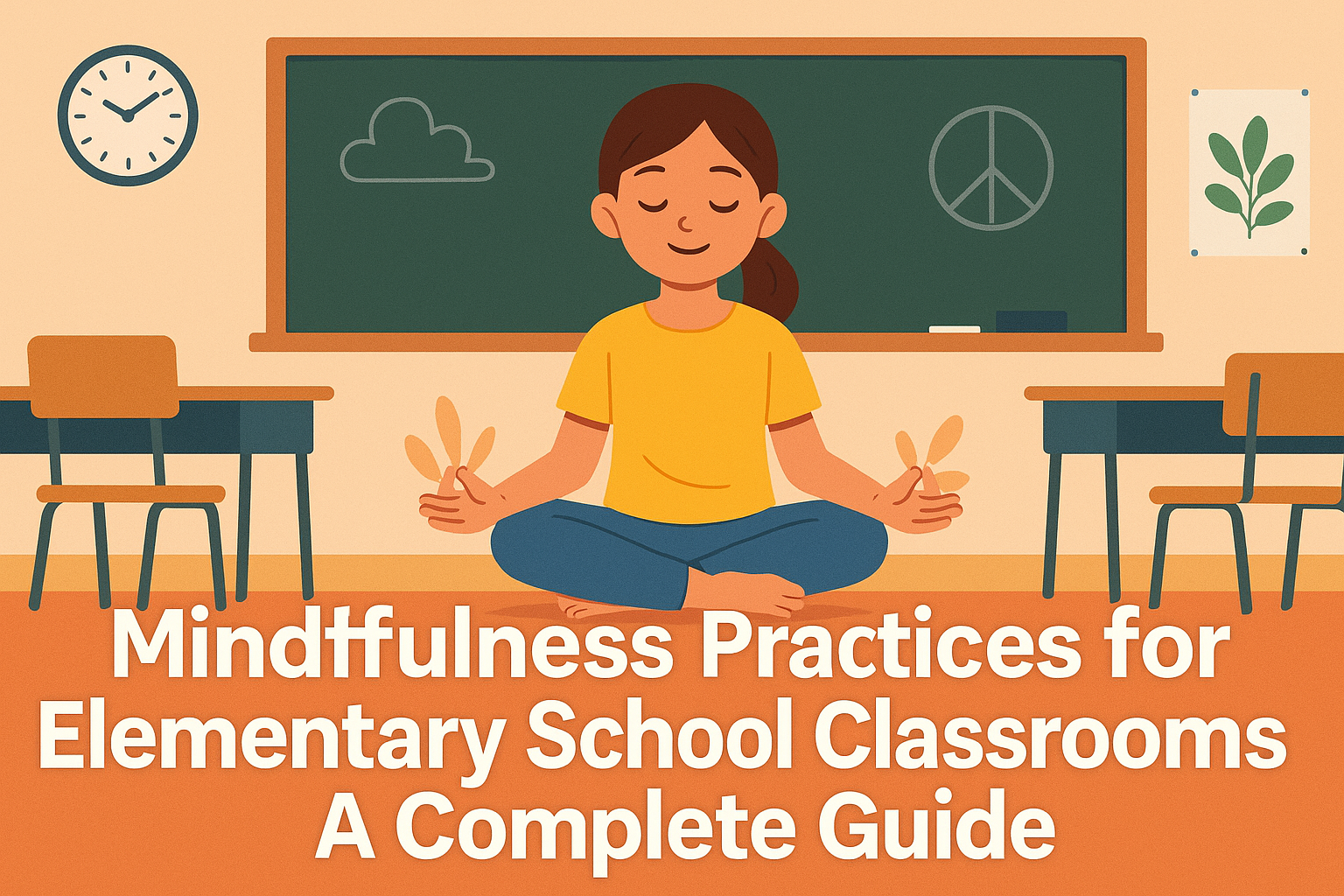
One of the simplest and most effective mindfulness techniques is focusing on breathing. A quick breathing exercise can help center students before transitioning between activities or during stressful moments. For example, ask students to sit comfortably, close their eyes, and take deep breaths in and out. They can count their breaths or visualize their worries as clouds that drift away as they exhale.
2. Incorporating Mindfulness into Daily Routines
Integrating mindfulness into daily classroom routines can create a culture of awareness. Consider starting each day with a moment of silence for students to reflect on their intentions. Additionally, using a mindfulness minute before tests or challenging tasks can help calm nerves and enhance focus. (See: Mental Health and Mindfulness.)
3. Mindful Movement Activities
Physical activity can be combined with mindfulness through gentle yoga or movement exercises. Simple stretches or yoga poses can encourage students to connect with their bodies and release tension. These activities can be particularly beneficial during lengthy periods of sitting or concentration.
4. Mindfulness Journals
Encouraging students to maintain mindfulness journals can promote reflection and self-awareness. Students can write about their feelings, experiences, or lessons learned through mindfulness practices. This can also serve as a tool for teachers to gauge students’ emotional well-being over time.
Challenges to Implementing Mindfulness in Classrooms
While there are significant benefits to incorporating mindfulness in elementary classrooms, some challenges can arise. Understanding these potential obstacles can help educators navigate them effectively.
- Time Constraints: With packed curricula and standardized testing pressures, finding time for mindfulness practices can be difficult. However, integrating short mindfulness activities into existing routines can mitigate this issue.
- Resistance from Students: Some children might be skeptical or uncomfortable with mindfulness practices at first. It’s essential for educators to create a safe space where students feel free to express their feelings and gradually ease into mindfulness.
- Insufficient Training: Not all educators may be trained in mindfulness techniques. Offering professional development workshops focused on mindfulness in the classroom can equip teachers with the necessary skills and confidence.
Case Studies: Successful Implementation of Mindfulness in Schools
Several schools across the United States have successfully adopted mindfulness practices, yielding promising results. For example, the Mindful Schools program in California implements mindfulness curricula specifically designed for children. Schools that have embraced this initiative report increased emotional regulation, improved classroom behavior, and heightened student engagement.
Another inspiring example is the implementation of mindfulness in the Chicago Public Schools. After introducing mindfulness programs, teachers noted a significant decrease in disciplinary incidents and an increase in student satisfaction. These case studies highlight that when mindfulness is prioritized in educational settings, both students and educators experience positive transformation.
Current Relevance and Future Directions
The significance of mindfulness in elementary classrooms cannot be overstated, especially in light of the ongoing challenges faced by students worldwide. The COVID-19 pandemic has placed unprecedented stress on both educators and students, making the need for emotional support and mental health resources more critical than ever.
As schools continue to adapt to the changing landscape of education, mindfulness in elementary classrooms will undoubtedly play a role in promoting overall well-being. Some future directions for mindfulness practices may include:
- Integration with Technology: Digital mindfulness apps tailored for children offer guided meditations, breathing exercises, and interactive activities. As technology becomes increasingly prevalent, these tools can complement traditional mindfulness practices.
- Family Involvement: Engaging families in mindfulness practices can reinforce techniques learned at school. Schools might consider hosting workshops for parents to learn about mindfulness and share practices with their children.
- Research and Development: Ongoing research into the effectiveness of mindfulness in educational settings will continue to shape how schools implement these practices. Collaborative studies between educators and mental health professionals can provide insight into best practices and measurable outcomes.
The Science Behind Mindfulness
Understanding the science of mindfulness can further validate its importance in educational contexts. Neuroimaging studies have shown that regular mindfulness practice can lead to structural changes in the brain, particularly in areas related to attention, emotion regulation, and empathy. For instance, the amygdala, which is responsible for processing emotions, tends to be less reactive in individuals who practice mindfulness regularly. This means that kids who engage in mindfulness may handle stressors more effectively, contributing to a calmer classroom atmosphere. (See: Mindfulness and Mental Health.)
Additionally, a study conducted by the American Psychological Association found that mindfulness practices can lead to measurable reductions in negative behaviors, such as aggression and impulsivity, while simultaneously increasing positive social behaviors. As schools aim to create inclusive environments, the implications of these findings are profound.
Mindfulness Activities for Every Day
Let’s look at some specific mindfulness activities that can be incorporated into daily classroom routines:
- Nature Walks: Take students on a short walk outside, encouraging them to observe their surroundings. Ask them to listen to sounds, notice colors, or feel the textures of different plants. This can heighten their awareness of the present moment.
- Mindfulness Art: Integrate art projects that focus on mindfulness. Students can create mandalas or practice coloring intricate designs while focusing on their breath, helping them to center their minds.
- Gratitude Circles: Regularly conduct gratitude circles where students share one thing they’re grateful for. This practice fosters positivity and encourages children to focus on the good in their lives.
Expert Perspectives on Mindfulness in Education
Educators and psychologists alike emphasize the value of mindfulness in student development. Dr. Daniel Siegel, a renowned psychiatrist and author, has spoken extensively about the importance of mindfulness in education, asserting that it empowers children to understand their own minds, leading to better self-regulation and relationship skills. Similarly, Dr. Jon Kabat-Zinn, the creator of the Mindfulness-Based Stress Reduction program, advocates for mindfulness in schools as a means to enhance emotional intelligence and resilience.
The consensus among experts is clear: when children learn mindfulness, they gain essential life skills that extend beyond the classroom. These skills can help them navigate personal challenges, build relationships, and foster a sense of community.
Frequently Asked Questions about Mindfulness in Elementary Classrooms
Q1: Is mindfulness suitable for all age groups in elementary schools?
Absolutely! Mindfulness practices can be adapted for various age groups. For younger children, simple breathing exercises or storytelling focused on being present can be effective. As students grow older, they can engage in more complex practices like guided meditations or mindfulness discussions.
Q2: How long should mindfulness sessions last in the classroom?
Mindfulness sessions don’t need to be lengthy. Even five to ten minutes can be beneficial. The key is consistency. Short daily practices can yield significant results over time.
Q3: Can mindfulness practices be integrated with other subjects?
Yes, mindfulness can easily complement other subjects. For instance, during a science lesson on ecosystems, teachers can encourage students to mindfully observe the environment. In language arts, they might write about their feelings or experiences related to a mindfulness exercise.
Q4: How can teachers measure the effectiveness of mindfulness practices?
Teachers can track student behavior, emotional responses, and engagement levels before and after implementing mindfulness strategies. Surveys, journal entries, and behavioral observations can provide insights into the changes in students’ attitudes and emotional well-being.
Q5: What are some common misconceptions about mindfulness in schools?
One common misconception is that mindfulness is merely a relaxation technique. While it does promote calmness, its true essence lies in self-awareness and presence. Another misconception is that mindfulness is a “quick fix” for deeper issues. In reality, it’s a skill that requires ongoing practice and integration into daily life for lasting impact.
Q6: How can schools overcome resistance to mindfulness practices?
Overcoming resistance starts with education and communication. Schools can hold informational sessions for parents and staff to explain the benefits of mindfulness. Additionally, involving students in the decision-making process about mindfulness activities can foster a sense of ownership and willingness to participate.
Conclusion
Embracing mindfulness in elementary classrooms is not just a trend; it is a necessary evolution in education. As we strive to support the whole child—academically, socially, and emotionally—mindfulness offers a pathway to cultivate resilience, emotional awareness, and connection among students. By integrating mindfulness practices into the daily fabric of education, we can create nurturing environments that foster growth, understanding, and well-being. The journey toward mindful classrooms is well worth the effort, as it prepares our children not just for academic success, but for life itself.
“`
Trending Now
Frequently Asked Questions
What are the benefits of mindfulness in elementary classrooms?
Mindfulness in elementary classrooms enhances focus and attention, reduces anxiety, and promotes emotional regulation. It helps students manage stress and navigate their emotions, fostering a nurturing environment that supports mental health and resilience.
How can teachers implement mindfulness practices in the classroom?
Teachers can implement mindfulness practices through short meditations, breathing exercises, and mindful movement activities. Incorporating these techniques into daily routines can help create a calming atmosphere and improve students' overall well-being.
What is mindfulness and why is it important for children?
Mindfulness is the practice of being present and fully engaged in the moment. For children, it is important as it cultivates awareness, emotional intelligence, and resilience, helping them cope with stress and enhancing their mental health.
Can mindfulness reduce anxiety in students?
Yes, mindfulness has been shown to significantly reduce anxiety in students. By encouraging relaxation and emotional regulation, mindfulness practices help children manage stress and develop coping strategies for challenging situations.
What mindfulness techniques are suitable for young learners?
Suitable mindfulness techniques for young learners include deep breathing exercises, guided imagery, body scans, and mindful listening activities. These techniques can be adapted to fit the attention spans and developmental levels of elementary-aged children.
What’s your take on this? Share your thoughts in the comments below — we read every one.