Art Education

15 Activities for Teaching Peter Rabbit

1. Story Reading: Begin by reading the classic tale of Peter Rabbit by Beatrix Potter aloud to your students. Encourage them to follow along in their own copies of the book or display the pages on a screen.

2. Vocabulary Building: After reading the story, create a list of vocabulary words that are relevant to the story and have your students learn their meanings. Some examples may include burrow, lettuce, and mischief.

3. Character Analysis: Have your students discuss and analyze the various characters in Peter Rabbit, including Peter himself, his siblings, Mr. McGregor, and Mrs. Rabbit.

4. Creative Writing Prompt: Ask your students to write a new adventure for Peter Rabbit, either as a sequel or an alternate storyline.

5. Art Project: Have your students create illustrations for their favorite scenes from Peter Rabbit using colored pencils, crayons, or watercolor paints.

6. Puppet Show: Divide your class into small groups and provide materials for creating finger puppets of the characters. Then have them practice retelling the story of Peter Rabbit through a puppet show.

7. Gardening Activity: Teach your students about gardening by having them help grow some of the plants featured in Peter Rabbit’s adventures like carrots, lettuces, and radishes.

8. Nature Walk & Observation: Take your students on a nature walk around your school or nearby park to observe and discuss different types of plants and animals they see along the way.

9. Hopping Race: To get your students active and engaged in physical activity, organize a hopping race where they pretend to be rabbits while racing from one point to another.

10. Compare & Contrast: Introduce other rabbit-themed stories like “The Velveteen Rabbit” or “Winnie-the-Pooh” to compare and contrast with Peter Rabbit.

11. Map Making: Have your students create a map based on the story’s setting, including Mr. McGregor’s garden and Peter Rabbit’s home.

12. Costume Design: Invite your students to design and create costumes for their favorite characters from Peter Rabbit, using fabric, paper, or other materials.

13. Cooking Activity: Teach your students how to make a healthy rabbit-inspired snack, like carrot sticks with hummus or a lettuce wrap with fresh vegetables.

14. Dramatic Play: Have your students act out key scenes from Peter Rabbit, giving them the opportunity to take on different roles and practice their acting skills.

15. Story Discussion & Reflection: After completing all these activities, lead a group discussion with your students to reflect upon the lessons learned from Peter Rabbit. Encourage them to share their favorite moments from the book and activities—and how they can apply these lessons to their own lives.

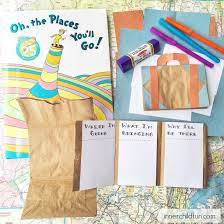
We Love These “Oh, the Places You’ll Go!” Classroom Projects

Introduction:

Dr. Seuss’s beloved book, “Oh, the Places You’ll Go!” has left an indelible mark on generations of young readers. Rooted in the themes of hope, imagination, and determination, it encourages children to explore their wildest dreams and face challenges head-on. In celebration of this timeless classic, we’ve put together a list of inspiring classroom projects that bring the magic of Dr. Seuss’s words to life.

1. Create Your Own Map:

Inspire your students to visualize their hopes and dreams by creating personalized maps! Provide each child with a blank sheet of paper and let them draw a map showing all the places they’d like to go – both literally and figuratively. Encourage them to get creative with the illustrations, adding roads, cities, landmarks, and even fictional places from their favorite books or movies.

2. Balloon Adventure:

“Oh, the Places You’ll Go!” features balloons as a symbol of freedom and limitless possibilities. Start by reading the book out loud to your class. Then, give each student a helium-filled balloon with a removable string attached. Have them write down their wish or dream on a small card and tie the card to the balloon string. At a designated time, have everyone release their balloons into the air to symbolize their dreams taking flight.

3. Collaborative Wall Mural:

Transform your classroom walls into a magical landscape full of whimsical scenes inspired by “Oh, the Places You’ll Go!” Guide your students in painting enchanting mountains, valleys, cities, and buildings on large sheets of butcher paper or directly onto your classroom walls using washable paint. Display their vibrant work for all to enjoy and for daily reminder of endless possibilities.

4. Dreamsets:

Inspired by Dr. Seuss’ visionary illustrations in “Oh, the Places You’ll Go!”, invite your students to design and build their own miniature dream world. Provide each student with a cardboard box, scissors, glue, markers, and any other craft materials you have available. Allow them to let their imaginations soar as they create landscapes, dwellings, and characters that represent their dreams.

5. Lions and Tigers and Bears!:

Dr. Seuss was known for creating whimsical creatures that delighted readers of all ages. Encourage your students to dive into the book’s magical world by asking them to invent their own Seussian creatures. Have the children sketch and color their creatures, then write a short story about them embarking on an adventure in the spirit of “Oh, the Places You’ll Go!”

Conclusion:

These “Oh, the Places You’ll Go!” classroom projects not only foster creativity but also help your students embrace the importance of following their dreams. By bringing Dr. Seuss’ timeless wisdom into your curriculum, you provide a fun, engaging learning experience that will leave a lasting impact on their lives. Happy teaching!

16 Action-Packed Martial Arts Books for Kids

Introduction:

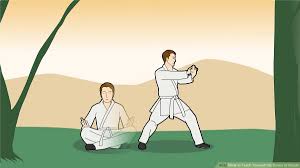
Martial arts is not only about self-defense and discipline, but it also teaches various life lessons such as respect, confidence, perseverance, and focus. These 16 action-packed martial arts books for kids combine exciting stories with valuable lessons in an entertaining and engaging way.

1. “The Way of the Warrior” by Chris Bradford – The first book in the Young Samurai series tells the story of a young English shipwreck survivor taken in by a legendary samurai who trains him in the ways of the warrior.

2. “Black Belt Bunny” by Jacky Davis – This cute and funny tale follows the journey of a bunny aiming to become a black belt in martial arts.

3. “The Karate Mouse” by Geronimo Stilton – In this adventure-packed story, Geronimo Stilton learns martial arts to help protect his family from threats.

4. “Kung Fu Panda: The Dragon Warrior” by Tracey West – Based on the popular animated movie, this book explores the origins of Po as he trains to become the legendary Dragon Warrior.

5. “American Girl: McKenna, Ready to Fly!” by Mary Casanova – This martial arts story combines gymnastics and friendship, as McKenna Brooks overcomes obstacles to compete in both sports.

6. “Sideways Stories from Wayside School” by Louis Sachar – The character of Bebe Gunn practices martial arts, inspiring other students at Wayside School to do the same.

7. “Ninja Boy Goes to School” by N.D. Wilson – This amusing picture book shows how Ninja Boy navigates everyday challenges at school using his special skills learned through martial arts.

8. “The Octopus Rises” by Ryan Boudinot – Featuring stories of young ninja Ronin training with an octopus sensei, these tales address issues like bullying through the perspective of martial arts.

9. “The Three Ninja Pigs” by Corey Rosen Schwartz – This creative retelling of the classic Three Little Pigs story incorporates martial arts to resolve conflicts.

10. “Masterminds & Wingmen: Helping Our Boys Cope with Schoolyard Power” by Rosalind Wiseman – This book discusses social dynamics among boys, with a focus on the benefits of practicing martial arts.

11. “The Legend of Ninja Cowboy Bear” by David Bruins and Hilary Leung – A fun picture book that teaches kids about friendship, inclusivity, and the importance of martial arts training.

12. “Red Belt for a Rookie: A Karate Adventure” by Annie Rodriguez – Follow the journey of a young karate student overcoming adversity and finding his true potential in martial arts.

13. “Flat Stanley’s Worldwide Adventures #6: The African Safari Discovery” by Jeff Brown- Flat Stanley encounters martial artists in Africa in this exciting installment of the beloved series.

14. “Magic Tree House #37: Dragon of the Red Dawn” by Mary Pope Osborne – Jack and Annie use their ninja skills to rescue a famous samurai in ancient Japan.

15. “Batman: Nightwalker” by Marie Lu – A young Bruce Wayne hones his martial arts skills to save Gotham City from a new enemy.

16. “Nancy Drew and The Hardy Boys: The Big Lie#1″ by Anthony Del Col – Both Nancy Drew and The Hardy Boys use their respective martial arts skills to solve an elaborate crime together.

Conclusion:

These 16 fantastic martial arts books for kids deliver thrilling stories while instilling discipline and essential life values such as perseverance, respect, and confidence. Introduce your young reader to the exciting world of martial arts through these entertaining and captivating books!

Create Your Own Flexible Seating Book Stool

Introduction:

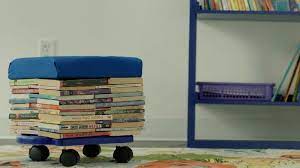
Flexible seating is a classroom concept that has recently gained popularity due to its numerous benefits. It provides an innovative learning environment, encourages creativity, and improves student focus and participation. This article will guide you through the steps needed to create your very own flexible seating book stool.

Materials Needed:

1. 3-5 hardcover books that vary in size

2. Adhesive (such as strong glue or velcro strips)

3. Durable fabric or cushion for seat padding

4. Scissors/vinyl cutter

5. Sewing materials (thread, needle or sewing machine)

6. Tape measure

7. Staple gun

Steps to Create Your Flexible Seating Book Stool:

1. First, gather your materials and ensure you have a clean workspace.

2. Stack the books from largest to smallest. This arrangement will provide a leveled sitting surface.

3. Apply adhesive of your choice between each book to firmly hold them together in a stack. You may use strong glue or secure velcro strips around the books’ edges.

4. Allow the adhesive to dry according to the manufacturer’s instructions.

5. Measure the dimensions of your largest book, which serves as the stool’s top surface.

6. Cut the durable fabric or cushion based on the book’s measurements while adding a few extra inches on each side for wrapping purposes.

7. Place the cut fabric or cushion onto the top book, ensuring even stacking for comfort and security.

8. Begin to sew along the edges of the material, stretching it tightly across all sides to prevent creases.

9. Secure the fabric onto the bottom edge of the top book using a staple gun.

10. Round off any excess fabric with scissors or leave a hemline if desired.

Your flexible seating book stool is now complete! Move this eye-catching piece of furniture around easily and enjoy reaping its benefits. Not only will this addition to your classroom stand out, but it also contributes to a relaxed learning environment that fosters creativity and engagement. Happy creating!

Awesome Art and Writing Activities for the New School Year

Introduction:

As the new school year approaches, it is essential to start it off on the right foot by inspiring and engaging your students. Integrating art and writing activities into your lesson plans can foster creativity and encourage self-expression. This article presents several awesome activities that will help you kickstart the year and get your students excited about learning.

1. Vision Board Collages:

Let students create their own roadmap for the year by designing a vision board collage. Using magazines, newspapers, images printed from the internet, or hand-drawn illustrations, students can express their academic goals, extracurricular interests, and personal aspirations. This activity also provides a great opportunity to practice goal setting and encourages introspection.

2. Six-Word Memoirs:

This writing exercise allows students to summarize their stories in just six words. After discussing what makes an engaging narrative, challenge your students to craft their own six-word memoirs reflecting either their summer break experience or their aspirations for the school year. Display these memoirs in the classroom as a reminder of everyone’s unique journey.

3. Art Journaling:

Art journaling combines visual elements with written reflections, creating a personal space for students to record their thoughts, ideas, and feelings. Encourage your class to maintain an art journal throughout the year, incorporating different themes or subject matter according to your curriculum. Periodically share your journals as a way to connect with one another on a deeper level.

4. Group Storytelling:

Collaborative storytelling is an excellent way to engage the entire class in creative problem-solving while practicing writing skills. Arrange students into small groups and give each group a theme or prompt for their story. Each student writes one sentence or paragraph of the story before passing it along to the next group member until everyone contributes. The final stories can be read aloud to demonstrate how diverse perspectives forge exciting narratives.

5. Magazine Making:

Students can create their own class magazine by contributing articles, interviews, stories, artwork, and photography based on a central theme or topic. This project engages students in research and communication skills and encourages collaboration. At the end of the school year, your class will have a collection of magazines chronicling their experiences and achievements.

6. Word Collages:

Have students choose a word that best describes their mood or aspiration for the new school year. Each student should look for or create images, symbols, and illustrations that represent their chosen word. Assemble visual elements to create a unique word collage to display in the classroom. This activity promotes vocabulary development and helps students explore emotions.

Conclusion:

The beginning of a new school year is full of possibilities, and incorporating art and writing activities into your lesson plans can help make it an enriching experience for all. By encouraging creativity, collaboration, and self-expression, these activities will foster a positive learning atmosphere where students feel empowered to reach their highest potential.

25 Picture-Perfect Gifts for Art Teachers

Art teachers play a vital role in shaping the creative minds of our children, and as such, deserve to be celebrated! Whether it’s their birthday, a holiday, or simply a thank-you gift to express your appreciation for their efforts, here are 25 picture-perfect gift ideas that any art teacher will adore.

1. Customized Palette Keychain – Personalize a mini painting palette keychain with their name or initials for a unique surprise.

2. Artistic Coffee Mug – Help them start their day right with an inspiring and colorful art-themed mug.

3. Thank-You Note Set – Specially designed stationery featuring famous paintings and artists can be a charming way to convey your gratitude.

4. Art-Inspired Socks – Keep their feet cozy and fashionably artsy with paint splatter or painterly-patterned socks.

5. Apron with Pockets – A practical gift that can help protect clothes from splatters and spills while they work.

6. Desk Organizer Set – Add some art classroom flair to their desk with organizers portraying famous works of art.

7. Art History Memes Book – Bring laughter into their lives with a hilarious collection of art history-inspired memes and jokes.

8. Sketchbook/Journal – A beautifully embossed sketchbook is perfect for chronicling creative ideas, doodles, or lesson plans.

9. Color Wheel Watch – This stylish accessory features color swatches in place of numbers on the watch face.

10. Inspirational Quote Canvas – Choose an uplifting or witty artist quote to be printed on canvas as unique wall decor for their workspace.

11. Paintbrush Storage Roll – A handy tool that keeps brushes organized and ready for use.

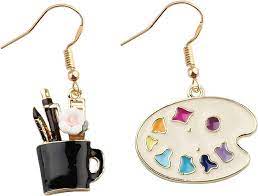
12. Watercolor Palette Earrings – Fashionable and lightweight earrings replicating miniature watercolor palettes will add artistic flair to any outfit.

13. Personalized Nameplate – Gift this customizable sign for their classroom, featuring their name and a paint palette.

14. Art Subscription Box – Surprise them with a monthly box filled with curated art supplies and creative prompts.

15. Gallery Wall Set – Frame a collection of prints from their favorite artists, creating a perfect display for their home or office.

16. Paint Palette Cheese Board – A fun and functional gift that merges their love for art and entertaining.

17. Pencil Roll Case – Help them keep their pencils in order with this convenient and stylish case.

18. Art History Calendar – Give them a daily dose of inspiration with an art-themed calendar featuring famous masterpieces.

19. Stained Glass Window Clings – Add beauty to their workspace with these colorful, easily removable decorations for windows or glass doors.

20. Art Book Collection – Curate a set of books on art history, famous artists, or artistic techniques for endless hours of knowledge and inspiration.

21. Mini Easel Phone Stand – A playful phone stand that resembles an artist’s easel adds creativity to any desk.

22. Portable Sketching Kit – A compact set of drawing supplies perfect for sketching on the go.

23. Beverage Tumbler with Illustration – Choose an artsy design they’ll like to keep their drink cold or hot during long studio sessions.

24. Color Theory Puzzle – This vibrant puzzle challenges their knowledge of color theory while providing hours of entertainment.

25. Virtual Art Class – Gift an online art class or workshop in their preferred medium to help advance their artistic skills.

With these 25 picture-perfect items, spoil your favorite art teacher with a thoughtful, creative gift they’re sure to cherish!

Making Mandalas: The Ultimate Art-Math-Meditation Combo

The art of making mandalas is an ancient practice that has been used in various cultures throughout history to promote spiritual growth, focus the mind, and express creativity. Mandalas are intricate, geometric designs within a circular or square format, often representing the universe or symbolic patterns found in nature. This sacred art form not only creates visually stunning pieces but also helps to cultivate mindfulness and is infused with mathematical principles. It’s no wonder that making mandalas have become highly regarded as the ultimate art-math-meditation combo.

The Artistic Aspect of Mandalas

Mandalas possess a rich artistic significance across various cultures. These mesmerizing patterns often contain repetitive shapes and designs that radiate from a central point. They can also incorporate various colors and meanings assigned by the artist. In Buddhist and Hindu traditions, mandalas are spiritual symbols representing the universe or divine order, while Native American tribes have used sand paintings to portray healing and community interconnectedness.

Creating a mandala can be a meditative process, allowing for self-expression and tapping into one’s subconscious. Many artists view making mandalas as an exploration of their inner world through color, shape, and design – revealing personal insights, emotions, or life stories in aesthetically captivating ways.

The Mathematical Components of Mandalas

While mandalas might seem like purely artistic creations at first glance, they inherently involve mathematical components as well. The geometric symmetry, radial balance, and careful proportions exemplify the precise nature of mathematics embedded within these intricate designs.

Radial symmetry is one of the most distinguishable features of a mandala. Reflected in many natural environments like snowflakes or flowers, this balance around a central point demonstrates fundamental mathematical principles such as reflection, rotation, and translation. Moreover, patterns within mandalas showcase Fibonacci sequences or golden ratios – highlighting the subtle relationship between art, mathematics, and the natural world.

Mandalas as Meditation Tools

The contemplative aspect of creating or engaging with mandalas is much more than just their visual appeal. The process of making a mandala is inherently mindful, requiring focus, concentration, and self-reflection. As such, many find that drawing or coloring mandalas serve as effective relaxation or stress-relief techniques.

When engaging with mandalas as meditation tools, individuals can choose to focus on the repetitive process of drawing the pattern or reflect on the symbolic meaning behind each design element. In this way, mandalas allow those practicing meditation to cultivate mindfulness in a unique manner – integrating creativity and mental clarity into their spiritual journey.

Embrace the Art-Math-Meditation Combo

Making mandalas is truly a multifaceted endeavor that combines artistic expression, mathematical principles, and meditative practices. This blend of disciplines makes the creation of mandalas an intriguing and rewarding experience for those curious about art, math, or meditation. Whether you choose to create your own designs or simply enjoy their beauty and symbolism, mandalas undoubtedly offer an exceptional opportunity for self-exploration and mindfulness. So dive into this ancient art form and embrace the powerful combination it provides for personal growth and spiritual development.

I Overcame a School Year from Hell (And You Can Too)

Introduction:

The school year can be challenging for many students, but some years feel like they’re straight out of a nightmare. Filled with trials and tribulations, setbacks, and emotional turmoil, these school years can push a student to their absolute limit. However, it is possible to overcome even the worst of school years – as I’ve personally discovered. In this article, I’ll share my experience and tips on how anyone can also conquer a hellish school year.

A Rough Start:

My school year from hell started with a lethal combination of personal issues and academic challenges. As new teachers came onboard, their rigorous expectations piled onto the pressure. Sports teams and extracurricular activities demanded my constant involvement. My personal relationships went through difficult times as well, magnifying stress. The situation felt unbearable.

Recognize and Address the Problems:

The first step toward overcoming the hardships was recognizing problems that needed solving. For me, it meant acknowledging the truth about my mental health struggles and understanding which factors genuinely affected my academic performance.

Create A Support Network:

Building a support network became crucial for me to manage my school year from hell. Sharing my experiences with friends and family allowed me to feel less alone in this difficult time. Taking advantage of resources such as guidance counselors and mental health professionals also provided valuable insights into adapting coping strategies.

Prioritize Self-Care:

In desperate times, self-care habits may become neglected. During that dreadful school year, I had to rediscover how important it was to take care of myself – physically, emotionally, and mentally. Incorporating exercise into my routine, focusing on maintaining a reasonable diet, and setting aside time for hobbies became essential grounding points in my daily life.

Implement Time Management Techniques:

Procrastination only added fuel to the fire of an already chaotic school year. By employing time management techniques such as goal-setting, creating a study schedule, and breaking larger tasks into smaller, manageable tasks, I regained control over my academic life.

Develop Resilience:

Building resilience was among the most critical components of overcoming my school year from hell. By adopting a positive mindset and remaining committed to my goals, I could gradually bounce back from setbacks and failures.

Celebrate Small Victories:

During difficult times, it’s essential to appreciate small accomplishments. Each success reminded me of my progress and boosted my morale. Acknowledging the milestones also helped put the larger goal of overcoming the school year from hell into perspective.

Conclusion:

Though the road was rough, I successfully overcame my school year from hell by tackling issues systematically and never giving up. By recognizing your situation’s unique challenges, creating a support network, prioritizing self-care, implementing time management techniques, developing resilience, and celebrating small victories – you too can conquer your school year from hell.

Drowning in Teacher Supplies? A Guide for Clearing the Clutter

Introduction:

As a teacher, it’s essential to have all the necessary materials at hand to enhance learning experiences. However, it’s easy to become overwhelmed by the sheer number of supplies filling up your classroom. Clutter can negatively affect both your mental well-being and your students’ focus. In this article, we’ll explore effective strategies for clearing the clutter and achieving a tidy, well-organized classroom.

1. Categorize and prioritize:

Start by sorting your supplies into categories such as stationery, art materials, books, electronics, and teaching aids. Carefully review each item and decide which are essential for your daily activities, which can be stored away for occasional use, and which are redundant or no longer needed.

2. Set up designated storage areas:

Once you’ve categorized your items, assign a specific location in the classroom for each category. Use labeled containers, shelves, or cupboards to keep similar items together. Make sure that essential items are easily accessible when needed while those used less frequently are safely stored out of sight.

3. Optimize wall space:

Maximize vertical space by using wall-mounted shelves or pegboards to store teaching aids and other materials. This will free up counter space and make the room feel more spacious.

4. Declutter surfaces daily:

Take a few minutes at the end of each day to clear away any supplies that have accumulated on desks or countertops throughout the day. This simple habit can go a long way in maintaining a clutter-free environment.

5. Encourage student responsibility:

Teach your students routines for organizing their own personal belongings as well as shared resources like textbooks or art supplies after use. Explain why it’s important to maintain a tidy workspace and role-model behavior by keeping your own teaching area neat.

6. Regularly assess and update inventory:

At least once a term, review your classroom storage and inventory. Remove any broken, outdated, or irrelevant materials to ensure your classroom remains streamlined and functional. This is also an opportunity to replenish supplies as needed.

7. Use digital resources:

When possible, embrace digital tools that can replace physical resources such as textbooks, worksheets, and lesson plan binders. Not only will this reduce clutter in the classroom, but it can also provide more engaging experiences for students and expand the range of available resources.

Conclusion:

Maintaining a tidy and organized classroom is important not just for appearance’s sake but also for promoting a focused and productive learning environment. By decluttering your teaching supplies and implementing ongoing organization strategies, you’ll be well on your way to cultivating a clutter-free classroom where both you and your students can thrive.

How to Make an “All About Me” Photo Book for Your Class (and Save 50%)

Introduction:

Creating an “All About Me” photo book for your class is a fantastic way to introduce everyone and build a sense of community. Not only will it serve as a fun, interactive project, but you can also save money by following these simple steps to make your photo book at 50% off!

Step 1: Gather Photos and Information

The first step is to collect photos and information from each student. Ask them to bring in pictures featuring themselves, their family, friends, or hobbies. Additionally, ask each student to complete a brief questionnaire with their favorite things and personal interests.

Step 2: Choose a Platform

Select an online platform to create your photo book. There are many options out there, such as Shutterfly, Mixbook, and Snapfish. Compare their prices and features before choosing the one that works best for you. Keep an eye out for special seasonal discounts – this is where most of the savings will come from.

Step 3: Design Your Layout

Most online photo book platforms provide pre-made templates and themes that you can customize. Choose a template that best fits the theme of your class’ “All About Me” photo book, then personalize it by adjusting colors, fonts, and page layouts.

Step 4: Organize Your Pages

Once you’ve chosen a template, start organizing your pages. Assign one page per student and arrange the photos and information sections as desired. Be sure to include student names and fun facts from the questionnaires they filled out earlier.

Step 5: Proofread Your Work

Take the time to review the entire photo book carefully. Check for any typos or mistakes on each page and ensure all photos are displayed correctly. Making sure your book is error-free is essential for a professional final product.

Step 6: Order Your All About Me Photo Book at 50% Off!

When you’re happy with your photo book’s design, search for a promo code or discount coupon to save 50% off on your order. Many online platforms offer seasonal promotions, flash sales, or discounts to new customers – take advantage of these deals while they last.

Step 7: Share the Final Product

Once you’ve received your “All About Me” photo book, share it with the class and allow students to take turns browsing through the pages. Celebrate each student’s unique stories and interests while fostering a sense of community and inclusion in your classroom.

Conclusion:

Creating an “All About Me” photo book for your class is an engaging and personal project that promotes community-building among students. By following these steps, not only will you create a memorable keepsake for the entire class, but you’ll also save money by taking advantage of 50% off deals. Happy creating!