Art Education

10 Cool Ways for Teens to Celebrate Earth Day

Introduction:

Earth Day is a time for people of all ages to show appreciation and take action to preserve our planet. This year, why not make it extra special by engaging in fun and creative activities? Check out these 10 cool ways for teens to celebrate Earth Day and make a positive environmental impact.

1. Plant a Tree

One of the simplest yet effective ways to celebrate Earth Day is by planting a tree. You can join local tree planting events or plant one in your backyard. Trees provide fresh air, combat climate change, and contribute to biodiversity.

2. Upcycle Your Fashion

Instead of purchasing new clothes that contribute to fast fashion, upcycle old clothes or shop at thrift stores. Get creative and turn your worn-out garments into trendy, personalized fashion statements.

3. Organize a Park Clean-Up

Gather your friends or classmates and organize a park clean-up. This is an excellent way to show love for your community while keeping the environment free from litter.

4. Create Earth Day Art with Recyclables

Get creative by using recyclable materials like newspapers, cardboard, plastic bottles, and aluminum cans for your next art project. Show off your masterpieces on social media or exhibit them at school to raise awareness about recycling.

5. Green Your Transportation

Choose eco-friendly ways of transportation on Earth Day and beyond. Walk, bike, skateboard, or carpool to minimize air pollution and carbon emissions.

6. Start a School Green Club

Form an environmental club at school focused on promoting sustainability initiatives such as recycling programs, water conservation efforts, and energy-saving campaigns.

7. Switch Off Lights during Earth Hour

Observe Earth Hour on April 22nd by switching off lights from 8:30 p.m. to 9:30 p.m., local time. Inspire others to participate in this global movement for climate change awareness.

8. Learn About Indigenous Environmental Practices

Discover how Indigenous communities around the world have been practicing sustainable, Earth-friendly ways of living for centuries. Be inspired by their traditions and consider incorporating some of their practices into your daily life.

9. Watch Environmental Documentaries

Educate yourself and your friends about pressing environmental issues by watching informative documentaries. Some popular titles include “An Inconvenient Truth,” “Chasing Ice,” and “The 11th Hour.”

10. Make a Pledge for the Planet

Create a list of eco-friendly habits you want to start practicing beyond Earth Day. Common pledges include reducing plastic use, conserving water, supporting local farmers, eating less meat, and composting food scraps.

Conclusion:

Celebrate Earth Day in a big way by engaging in these cool activities that not only help the environment but also bring joy and fulfillment to your life. Remember, every little action counts, and together we can make our beautiful planet thrive for generations to come.

How I Use Pop Culture to Teach History (And You Can, Too!)

As a history teacher, one of the greatest challenges I face is keeping students engaged in the subject matter. While some students inherently love history, others may see it as a dull recitation of names, dates, and events. That’s where pop culture comes in handy. By using pop culture to teach history, I’ve found that students are more engaged and excited about learning. In this article, I’ll share my experiences and offer tips on how you can do the same.

1. Incorporate primarily television and movies into lessons.

Our students live in a world dominated by visual media. As a result, incorporating television shows and movies into lessons can be an effective way to get their attention. For example, when discussing the civil rights movement of the 1960s, I might incorporate an episode of “The Twilight Zone” that deals with racial prejudice or show clips from the groundbreaking film “Guess Who’s Coming to Dinner.” These visual aids help contextualize historical events and make them more relatable to students.

2. Use music to explore historical eras.

Music is another powerful tool for teaching history through pop culture. By exploring popular songs from different time periods, students can gain insight into the prevailing attitudes and social issues of those eras. For instance, when studying the Vietnam War, I might have students analyze protest songs like “Fortunate Son” by Creedence Clearwater Revival or “Give Peace a Chance” by John Lennon. Not only does this approach make history more engaging, but it also fosters critical thinking skills as students grapple with interpreting lyrics within their historical context.

3. Engage with comic books and graphic novels.

Comic books and graphic novels offer another avenue for incorporating pop culture into history lessons. For example, Art Spiegelman’s “Maus” tells the story of the Holocaust through a unique visual medium, making a difficult subject more accessible and engaging for students. Similarly, teaching about the Civil Rights Movement could include using March, a graphic novel series by Congressman John Lewis that recounts his experiences during the fight for racial equality.

4. Use current pop culture to discuss historical events.

Nothing engages students more than relating history to their current interests. Help students draw parallels between historical events and contemporary social issues, politics, or pop culture. For example, when discussing the women’s suffrage movement, compare it to current conversations surrounding gender equality and representation, such as the #MeToo movement or the increased attention given to the work of female artists in film and television.

5. Encourage students to create their own historical pop culture content.

Finally, give students an opportunity to create their own pop culture content based on historical events. This could include writing a song about a specific era or creating a comic strip that represents an important event. By allowing students to put their stamp on history using popular mediums, they become more invested in the material, and gain a deeper appreciation for its relevance in their daily lives.

In conclusion, using pop culture to teach history is not only beneficial in capturing student interest but also encourages critical thinking and analysis of historical events. By incorporating various mediums such as television, movies, music, and comics into lessons, history becomes relatable and exciting for all students. Give this approach a try and experience the rewards of bringing history to life through pop culture!

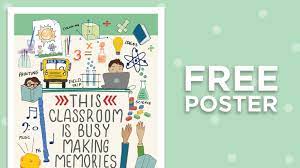
Free Poster: This Classroom Is Busy Making Memories

Introduction:

Every teacher knows that a classroom is not just a place for learning and development, but also a space where memories are made. In this article, we will discuss the importance of creating memorable experiences in the classroom and introduce a free, downloadable poster titled “This Classroom Is Busy Making Memories” to help inspire teachers and students alike.

Creating Memorable Experiences in the Classroom:

Studies have shown that when children associate their learning experiences with joy and fun, they are more likely to retain information long-term. This is why creating engaging, memorable experiences in the classroom is essential for both students’ education and personal development.

Here are some tips on how teachers can create memorable experiences in their classrooms:

1. Make lessons interactive and hands-on:

Incorporate various teaching methods like group activities, experiments, and hands-on learning to keep students engaged throughout the lesson.

2. Foster a safe and inclusive environment:

Encourage open communication, respect, and collaboration amongst classmates to build trust and long-lasting relationships.

3. Encourage creativity:

Give students opportunities to express themselves creatively through artistic projects or extracurricular activities.

4. Celebrate special events and milestones:

Mark important events like birthdays, holidays, or academic achievements with small celebrations to create lasting memories.

5. Support emotional well-being:

Acknowledge students’ emotional needs by providing support during difficult times and teaching them coping strategies for stress management.

6. “This Classroom Is Busy Making Memories” Poster:

To inspire teachers in their quest of creating memories in the classroom, we have designed a free poster titled “This Classroom Is Busy Making Memories.” The poster features vibrant colors and uplifting illustrations that capture the essence of a lively learning environment.

With phrases such as “A place where curiosity thrives,” “Here we celebrate successes,” and “Where laughter fills our hearts,” this poster serves as a constant reminder of the positive impact educators can have on their students’ lives.

How to Use the Poster:

1. Download and print the poster (available in various sizes) or contact a professional printing service for high-quality versions.

2. Display the poster prominently in your classroom, staff room, or school hallways.

3. Encourage students to share their favorite classroom memories or create a memory wall where they can add photos and notes recalling special moments.

4. Use the poster as a springboard for discussions on the importance of creating lasting memories in the classroom.

Conclusion:

The educational journey is filled with meaningful moments that, when carefully curated, can positively impact students’ lives forever. By creating an environment that fosters learning, collaboration, and emotional well-being, educators are shaping the future of their students one memory at a time. Remember to download and display the “This Classroom Is Busy Making Memories” poster today to inspire your own classroom’s memory-making journey.

3 Clever Uses for Pumpkin Seeds in the Classroom

Introduction:

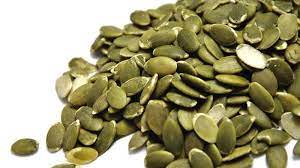
Pumpkin seeds are not only a healthy and delicious snack, but they can also be a versatile and engaging learning tool in the classroom. With their unique shape, texture, and nutritional value, pumpkin seeds offer numerous educational opportunities for students across different subjects. Here are three clever ways to incorporate pumpkin seeds into your classroom activities.

1. Math Manipulatives:

One of the simplest yet effective ways to use pumpkin seeds in the classroom is as math manipulatives. These seeds provide a cost-effective alternative to traditional counters or small objects used for counting, sorting, and performing arithmetic operations.

For counting and sorting activities, have students group the pumpkin seeds by ones, tens, and hundreds or sort them by different criteria such as size or color. Encourage students to use the seeds for tactile practice with addition, subtraction, multiplication, and division problems. Incorporating pumpkin seeds as math manipulatives not only brings excitement to mundane math lessons but also helps develop fine motor skills in younger students.

2. Science Exploration:

Pumpkin seeds offer a myriad of opportunities for hands-on science exploration in the classroom. Begin by discussing the life cycle of a pumpkin plant and demonstrate seed germination using a transparent container filled with soil. This will allow students to observe the entire process from seed to sprout over several days.

Another interesting lesson involves discussing the nutritional value of pumpkin seeds, which are rich sources of zinc, magnesium, and healthy fats. Encourage students to research other types of seeds and their nutritional benefits as well as compare and contrast them to those found in pumpkin seeds.

Finally, consider using pumpkin seeds for investigations into seed dispersal mechanisms or adaptations that help plants survive. This could lead to a broader discussion about local ecosystems and human impact on plant populations.

3. Artistic Expressions:

The unique shape and color of pumpkin seeds make them an appealing medium for artistic exploration in the classroom. Task students with creating mosaics or collages using the seeds, which can be dyed different colors for added visual interest.

Alternatively, you could use pumpkin seeds to create buttons or other adornments for textile projects. Have students glue the seeds onto clothing items, bags, or hats to create intricate patterns or motifs. Pumpkin seed art projects not only spark creativity but also promote discussions on upcycling and resourcefulness.

Conclusion:

Incorporating pumpkin seeds into your classroom activities is an innovative way to engage students across a variety of subjects. Math lessons become more hands-on, science explorations bring learning to life, and artistic expression takes on a new dimension with these versatile seeds. So why not bring some pumpkin seeds to your classroom and discover their educational potential today?

7 Wacky Ways to Feature Teacher Photos in Your School Yearbook

A school yearbook is a treasure trove of memories, and it’s essential to inject some fun and creativity into its pages. One way to liven up the yearbook is by featuring teacher photos in unique ways. To make your yearbook stand out, try these seven wacky ideas for showcasing the beloved faculty members of your school.

1. The Superhero Treatment

Transform teachers into their favorite superheroes by incorporating colorful graphics and masks on their photos. This amusing depiction allows teachers to showcase their superpowers, while students enjoy the sight of their instructors in superhero attire.

2. A Blast from the Past

Give students a glimpse of their teachers’ past by featuring their childhood or high school pictures alongside their current photos. This blast from the past not only brings a dose of nostalgia but also helps students see their teachers through a different lens.

3. Morphing Madness

Merge images of two or more faculty members using photo editing software to create morphed teacher photos. Combine these hybrid images with funny captions for an engaging twist on traditional staff portraits.

4. Game Night Gala

Turn teacher photos into game board pieces, such as Monopoly tokens, chess pieces, or Scrabble tiles. Students will love poring over these imaginative pages that depict the faculty as participants in a larger-than-life game night.

5. Out-of-Character Costumes

Spice up teacher portraits by having them dress up as iconic figures from pop culture, literature, or history. Photograph your science teacher as Albert Einstein or your English teacher as Shakespeare to shatter stereotypes and add an element of surprise.

6. Teachers in Their Element

Capture candid shots of instructors immersed in their hobbies outside the classroom and feature them alongside traditional portraits. Showcasing teachers in action enriches students’ understanding of them and strengthens connections between faculty and pupils.

7. Animated Alter Egos

Create hand-drawn or digital caricatures of teachers, capturing their unique features, style, and persona. Place these illustrations next to real-life photos for a memorable yearbook page that highlights the creative talents of the school community.

Experiment with these seven wacky ways to feature teacher photos in your school yearbook. By thinking outside the box, you’ll create an innovative keepsake that celebrates both teachers and students alike.

You’re Going to Want This Free Emotions Bulletin Board Kit

Introduction:

In today’s fast-paced world, it can sometimes feel challenging to keep up with our emotions. The hustle and bustle often leave us struggling to identify and express how we truly feel. This is where the Free Emotions Bulletin Board Kit steps in, offering an innovative and interactive tool that helps individuals of all ages understand and communicate their emotions effectively.

Why You Need the Emotions Bulletin Board Kit:

1. Encourages Emotional Awareness: Understanding one’s feelings is crucial in navigating personal connections and experiences. The Emotions Bulletin Board Kit offers a fun and engaging way to aid self-exploration, creating a safe space for people to recognize, validate, and communicate their emotions.

2. Enhances Learning: By providing visual cues for various emotions, the kit helps learners grasp abstract concepts more naturally. Vibrant images depicting different feelings capture attention quickly, making it an excellent tool for teaching emotional literacy.

3. Inclusive Design: The Emotions Bulletin Board Kit boasts a diverse range of characters displaying various emotions suitable for all ages and backgrounds. This inclusive approach supports an empathetic understanding of others’ feelings.

4. Easy to Use: The kit includes everything you need – emotion cards, word cards, poster templates, customizable charts, and helpful guides – all designed for easy assembly and usage.

5. Suitable for Various Settings: Perfectly adaptable for classrooms, therapy centers, or even at home, the kit offers valuable resources tailored for each environment’s unique needs.

How Can You Use the Emotions Bulletin Board Kit?

1. Classroom Setting: Teachers may install the bulletin board in their classrooms as a visual aid to enrich discussions about emotions or use it as a starting point for lesson plans on emotional intelligence.

2. Therapy Centers: Therapists can employ the kit as part of their intervention strategies with clients grappling with emotional challenges or seeking to improve their emotional understanding.

3. Home: Parents can leverage the Emotions Bulletin Board Kit to initiate conversations with their children about feelings, enabling open communication and fostering emotional intelligence.

4. Community Centers: By placing the Emotions Bulletin Board Kit in common areas, community centers create inviting spaces that promote emotional awareness within their communities.

Get Your Free Emotions Bulletin Board Kit Today!

Make emotional literacy and awareness an integral part of your personal, educational, or therapeutic journey by downloading the Free Emotions Bulletin Board Kit today. Reap the benefits of enhanced self-understanding and improved communication as you embrace this exceptional tool for personal growth. Don’t miss out on this opportunity to enrich your emotional landscape – get your hands on this fantastic resource today!

5 Visual Storytelling Projects That Teach Art and Writing

Visual storytelling is a powerful teaching method that engages students in creative thinking and encourages them to express their ideas through both art and writing. By incorporating visual elements into their stories, students can strengthen their narrative skills, enhance their artistic abilities, and develop a deeper understanding of the storytelling process. Here are five visual storytelling projects that can help teach art and writing in an engaging, interactive way:

1. Picture-Book Creation

In this project, students create their own illustrated storybooks by combining images with written text. They can begin by brainstorming ideas for characters, settings, and conflicts in their stories. Next, they develop a storyline and draft the text for their picture books. Finally, they combine illustrations with the written narrative to create a captivating visual story that can be shared with others.

2. Comic Strip Adventures

Students develop a short comic strip or graphic novel to tell a compelling story while practicing both writing and artistic skills. They start by creating a plot outline and designing characters that will star in their adventures. After the storyline has been finalized, students sketch out each panel of the comic strip or graphic novel and fill it with engaging dialogue that enhances the narrative.

3. Movie Storyboards

In this project, students learn about the movie-making process by creating storyboards for a short film. They begin by brainstorming film ideas and writing a script for their movie. Then they sketch out visual representations of each scene in the form of storyboards, noting camera angles, lighting, and character positioning as they visualize their script coming to life on-screen.

4. Digital Storytelling

Using digital tools such as PowerPoint or multimedia software (like Adobe Spark), students create visually-enticing digital stories that combine images, text, video clips, and audio narration to convey a compelling narrative. This project provides an opportunity for students to practice using various multimedia elements while developing their storytelling abilities in writing.

5. Collaborative Mural Design

In a collaborative mural design project, students work together to create a large-scale visual representation of a shared story. They begin by discussing and agreeing upon the core elements of the story, such as characters, setting, and central plot points. Each student is then responsible for designing and painting a section of the mural that represents a particular scene from the story. Once all sections are complete, they are assembled together to form a cohesive, visually engaging narrative.

Incorporating visual storytelling in the classroom not only supports students’ development in art and writing skills but also fosters creativity, critical thinking, and collaboration. These five projects offer diverse opportunities to engage learners in visual storytelling while enhancing their literacy and artistic abilities.

Say Goodbye to Boring Yearbook Photos: 10 Ideas to Use Instead

Tired of seeing the same, generic portraits in the yearbook every year? It’s time to switch things up and make your yearbook photos memorable and unique. Your school yearbook should reflect the creative, diverse students it represents. Whether you’re part of a yearbook committee or simply want to supply stunning photos for your school, we’ve got you covered. Here are some fun and innovative ideas that can serve as an inspiration for your yearbook photo transformations.

1. Themed attire: Encourage students to dress up according to their favorite characters from books, movies, or TV shows. This will spotlight their interests, while also injecting some fun into photo day.

2. Candid captures: Instead of posed shots, try snapping candid moments throughout the school year. This will provide more natural, authentic expressions that truly reflect students’ personalities.

3. Quote companions: Have students hold a chalkboard or small sign displaying their favorite inspirational quote. This adds an intellectual touch while showcasing individuality.

4. Spirit gear: Embrace your school’s spirit by photographing students in their sports uniforms or club attire. This showcases their involvement in extracurricular activities and pride for their school.

5. Costume couture: Let students unleash their creativity by wearing costumes that reflect their hobbies, goals, or aspirations. Future astronauts, veterinarians, or artists can proudly display their passion through their attire.

6. Pet pals: Invite students to bring their pets along for yearbook photos and make it a furry friend edition! This adds a heartwarming touch while showcasing the love they have for their animal friends.

7. Group pictures: Break away from individual photos and capture students with their friend groups instead. This can create lasting memories of the bonds they’ve developed throughout the years.

8. Environment immersion: Take photos of students in settings that complement their interests. A dancer can be photographed in a ballet studio, while an athlete can pose on the field. By connecting the student with their environment, these photos tell a deeper story.

9. Color explosion: Provide props such as colored smoke bombs or vibrant backdrops for students to engage with during photo shoots. This creates eye-catching, dynamic images that are far from boring.

10. Silhouette style: Experiment with lighting techniques to create silhouettes of students. This offers an artistic and mysterious twist on traditional portraits while still showcasing their individuality.

These ten ideas can rejuvenate your school yearbook and capture the essence of each student in a captivating manner. Embrace creativity and say goodbye to those monotonous, cookie-cutter yearbook photos!

The IFAW World of Animals Art Contest

Introduction:

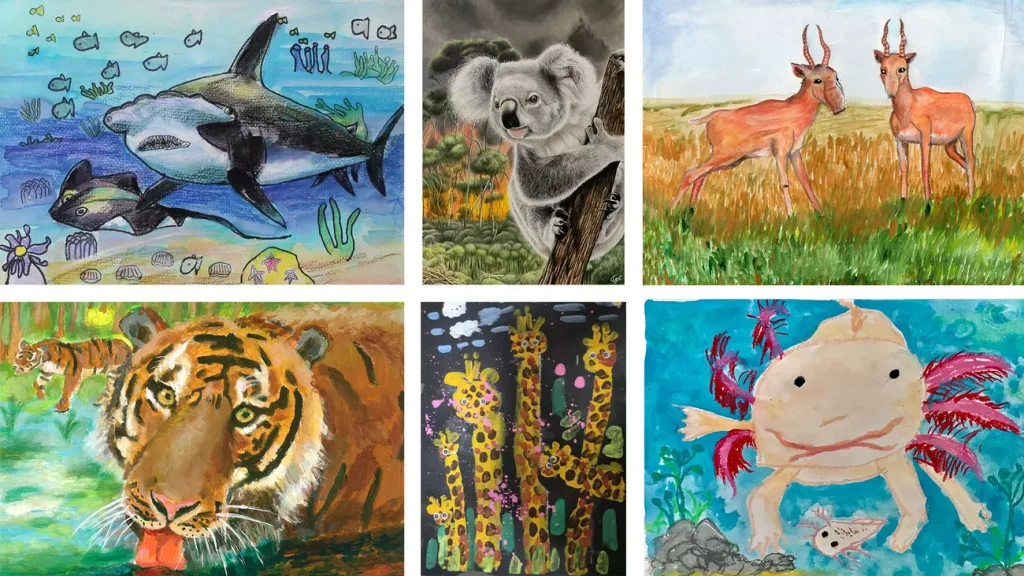
The International Fund for Animal Welfare (IFAW) World of Animals Art Contest is an annual global event that aims to raise awareness about the importance of wildlife conservation through artistic expression. It invites talented artists from around the world to submit their unique animal-themed artworks, showcasing their creativity while addressing pressing wildlife-related issues.

Establishing a Harmonious Relationship with Nature:

The IFAW believes that humans and animals can coexist in harmony without causing disruption to the delicate balance of ecosystems. The art contest offers an excellent platform for artists to express their passion for wildlife and nature preservation. The submitted artworks not only raise awareness but also inspire others to make an effort towards protecting the environment.

Innovative and Unique Themes:

The IFAW World of Animals Art Contest provides freedom to participants when it comes to selecting unique themes to produce breathtaking works of art. While there is usually a central theme every year, such as endangered species or climate change, artists are encouraged to choose personal topics that are close to their hearts, spawning a wide array of artistic techniques and styles.

Eligibility and Participation:

The contest is open to all artists worldwide, irrespective of age, ethnicity, or experience. This inclusivity encourages participation from various backgrounds, resulting in diverse perspectives on themes related to animals and their habitats. Amateur artists can participate alongside professionals and nurture their skills while gaining recognition for their talents.

Judging Criteria and Prizes:

A panel of experts in the fields of art and conservation evaluates each submission based on several criteria such as creativity, relevance to the theme, technical execution, and overall impact. Winners receive accolades and a cash prize which varies depending on the category they compete in. In addition, winning artworks may also be featured in IFAW promotional materials or exhibitions around the globe.

Benefits Beyond Borders:

By engaging a global audience in the conversation about wildlife preservation through art, the IFAW World of Animals Art Contest fosters cultural exchange and encourages participants to learn more about various animal-related issues. This increased awareness often leads to significant policy interventions and conservation programs worldwide, which help protect endangered species and their ecosystems.

Conclusion:

The IFAW World of Animals Art Contest perfectly combines art and activism, using the power of creative expression to generate awareness about pressing wildlife conservation concerns. As a result, it has become a platform for communities worldwide to unite and make a tangible difference in the lives of animals under threat. By participating in the contest or supporting its cause, we can contribute to a world where both wildlife and humans can thrive together.

Come Home to Soup Simmering in the Slow Cooker

There’s nothing quite like coming home after a long, tiring day to the tantalizing aroma of soup simmering in your slow cooker. As you step through the door and the smell of comforting flavors wafts through your home, you immediately feel a sense of calm and warmth wash over you. The beauty of using a slow cooker is that it does all the hard work for you; all that’s left to do is sit back, relax, and indulge in a bowl of delicious soup.

Crockpots, or slow cookers, have been around for decades, and they’ve certainly proved their staying power. With the ability to cook food over an extended period at lower temperatures, slow cookers offer busy individuals a convenient way to enjoy home-cooked meals without spending hours in the kitchen. One of the most satisfying dishes you can whip up is soup – perfect for warming up on chilly nights and providing nourishment to your body and soul.

To get started on creating your divine soup masterpiece with a slow cooker, follow these simple steps:

1. Choose Your Soup Recipe: The first step in creating your comforting soup is selecting the recipe that speaks to you. Whether you’re craving something rich and creamy like potato leek or a lighter option like vegetable minestrone, there are endless recipes available online that cater to various taste preferences and dietary restrictions.

2. Prepare Your Ingredients: Before placing everything into the slow cooker, it’s recommended to prep all your ingredients by chopping vegetables and measuring out spices. This not only saves time but also ensures consistency in flavor throughout the cooking process.

3. Layering Is Key: To ensure your ingredients meld together seamlessly, it’s essential to layer them appropriately within the slow cooker. Start by placing firm vegetables at the bottom, followed by proteins such as lentils or meat. Then add any soft vegetables and finally your liquids and seasonings to bring it all together.

4. Set It & Forget It: One of the greatest features of slow cookers is their simplicity. Once you’ve layered all your ingredients, simply set the cooking time depending on the recipe, usually ranging from 4 to 8 hours, and let the magic happen. You’ll come home to a fully cooked, flavorful soup that took minimal effort on your part.

5. Finishing Touches: To elevate your soup even further, consider adding in some final touches once it’s done cooking. Fresh herbs or a squeeze of citrus juice can brighten up flavors and provide an extra layer of complexity to your meal.

The beauty of soups made in a slow cooker comes from their effortless combination of wholesome ingredients that meld together over time to create rich, deep flavors. Embrace this timeless cooking method and treat yourself to a warm bowl of homemade soup – the perfect antidote to life’s daily stresses. So, come home to soup simmering in the slow cooker and enjoy the ultimate comfort food experience.