Behavior Management

9 Ways to Respond When a Student Shuts Down

As educators, we’ve all faced situations where a student becomes disengaged and shuts down. However, it’s crucial to take the right approach and find the most effective strategies to help students overcome these barriers. Here are nine ways to respond when a student shuts down, rekindling their interest and motivation in the learning process.

1. Show Empathy and Understanding

When a student shuts down, it’s crucial not to judge or dismiss their emotions. Start by understanding how they feel and expressing empathy by letting them know that you’re there to support them – listen carefully, make eye contact, and validate their feelings.

2. Build Trust

Building trust between teachers and students is essential for creating an engaging learning environment. Establish clear expectations and remain consistent in your classroom policies. Make sure students feel supported by maintaining open communication lines and working together to resolve conflicts.

3. Create a Safe Learning Environment

A safe learning environment allows learners to take risks and try new things without fear of ridicule or failure. Encourage open discussions and foster an atmosphere of respect where every student in the classroom feels valued.

4. Find Motivational Triggers

Each student has different interests that can be used as motivational triggers. Identify these interests and incorporate them into your teaching materials or activities to re-engage the student with tailored assignments they find compelling.

5. Utilize Peer Support

Encouraging positive peer interactions can alleviate disengagement, as friends can offer different perspectives that resonate with the struggling student. For instance, assign cooperative projects where small groups work together towards a common goal or have students share their insights in class discussions.

6. Offer Choices

Offering choices can give students more control over their educational experience which may rekindle their enthusiasm for learning. Provide options within assignments or projects – allowing them to select topics that resonate with their interests or define their specific goals in the learning process.

7. Establish Short-term Goals

Breaking down overwhelming tasks into smaller, achievable goals can help students regain confidence in their abilities. Start by identifying specific short-term goals and work together to develop a roadmap towards success, celebrating progress along the way.

8. Integrate Hands-On Activities

For some students, traditional classroom lessons might not foster engagement. Incorporate innovative teaching methods that require active participation like hands-on activities, role-playing games, or field trips to keep them motivated throughout their learning journey.

9. Encourage Self-Discovery

When a student shuts down, help them develop resilience by encouraging self-discovery. Assist them in identifying their strengths and weaknesses and emphasize continuous growth and improvement.

In conclusion, remember that each student is unique and may require personalized strategies to address their disengagement. Be patient, caring, and consistent in your efforts to connect with your students – fostering long-term trust and empathy to create a conducive learning environment for all.

Need Behavior Reflection Sheets? Grab Our Free Bundle

Understanding and managing student behavior can be a challenge for educators. Misunderstandings or lack of appropriate coping mechanisms can often lead to disruptions in the classroom. One useful tool that teachers can implement is Behavior Reflection Sheets. We’re excited to offer our free bundle, which includes a variety of templates to help support your students and improve the classroom environment.

What Are Behavior Reflection Sheets?

Behavior Reflection Sheets are a structured way for students to reflect on their behavior and understand the consequences of their actions. These sheets encourage students to think critically about their actions and consider alternative behaviors that will promote a positive learning environment. They typically include prompts for students to describe the situation, how it could have been handled differently, and what they will do moving forward.

Benefits of Using Behavior Reflection Sheets

1. Encourage Self-Reflection

By providing students with an opportunity to reflect on their behavior, they develop essential skills such as self-awareness, emotional intelligence, and empathy. This can help them better understand their emotions and recognize their triggers.

2. Develop Problem-Solving Skills

Considering alternatives or ways to approach a situation more effectively nurtures problem-solving skills in students. They learn to think critically about situations and contemplate new methods for resolving potential issues.

3. Promote Responsibility

Behavior Reflection Sheets provide students with a platform to take responsibility for their actions while reinforcing the importance of adhering to classroom rules and respecting their peers.

4. Strengthen Student-Teacher Relationships

The process of filling out these sheets allows for open communication between teachers and students, fostering a trusting relationship beneficial for overall growth and development.

5. Save Time

Teachers can quickly address behavioral issues using these sheets without needing extensive one-on-one time with each student experiencing difficulty, allowing more focus on teaching content.

Introducing Our Free Bundle

We have created a free bundle of Behavior Reflection Sheets tailored for different grade levels and situations. With an assortment of designs, our templates are customizable and can be easily modified to suit the specific needs of your students.

– Elementary School Behavior Reflection Sheets

– Middle School and High School Behavior Reflection Sheets

– Incident-Specific Reflection Sheets (e.g., bullying, inappropriate language)

By utilizing these Behavior Reflection Sheets in your classroom, you can support your students in developing essential life skills, promoting positive behavior, and fostering a more conducive learning environment. Grab our free bundle now and unlock the full potential of your students’ personal growth!

20 Engaging Conflict Resolution Activities for Middle School

Introduction

Conflict is inevitable in every aspect of life, including the middle school environment. Helping students navigate and resolve conflicts effectively is essential for their growth. Conflict resolution activities can be an effective way to teach middle schoolers valuable skills, such as communication, empathy, and problem-solving. In this article, we will explore 20 engaging conflict resolution activities designed specifically for middle school students.

1. Role-playing: Have students act out different conflict scenarios to understand different perspectives and practice communication skills.

2. Team-building games: Activities like “Human Knot” or “Trust Fall” can help foster trust and teamwork among students, reducing conflicts in the process.

3. Peer mediation: Train a group of students as peer mediators who can step in and help their classmates work through conflicts.

4. Active listening exercises: Teach students how to genuinely listen to one another, recognizing non-verbal cues and validating each other’s feelings.

5. Collaborative art projects: Encourage teamwork and compromise by having students work together on a mural or other art projects.

6. Group discussions: Facilitate regular discussions where students can share their thoughts and feelings about conflicts they’ve experienced at school or home.

7. Feelings wheel: Introduce a feelings wheel or emotion cards for students to use when they are struggling to express their emotions during conflicts.

8. The hot seat: Allow one student to sit in the “hot seat,” while others ask questions about their beliefs or actions relating to a conflict situation.

9. Dialogue circles: Arrange chairs in a circle to create a safe space for open, honest conversations about conflicts among the group members.

10. Debate club: Organize a debate club to teach respectful disagreement and promote critical thinking skills through structured debate.

11. Conflict journaling: Encourage students to write about their emotions and thoughts regarding conflict situations; they could later share with peers or teachers for feedback.

12. Write a letter: Teach students to write letters to those they are in conflict with, explaining their feelings and stating potential solutions to the problem.

13. Problem-solving steps: Break down the conflict resolution process into manageable steps, guiding students on developing empathy, talking, listening, and compromising.

14. “I” statements: Train students in using “I” statements to express their emotions and needs during conflicts, without accusing or blaming others.

15. Empathy activities: Incorporate activities like reading about other cultures or interviewing classmates to develop empathy toward the experiences of others.

16. Conflict resolution puzzle: Create a puzzle with different conflict resolution strategies; have students work together to solve the puzzle while discussing possible solutions.

17. Time-out corner: Provide a designated area in the classroom where students can briefly step away from conflicts, cool off, and reflect before addressing the situation.

18. Mood meter check-in: Use a mood meter for daily check-ins, allowing students to share their feelings openly with their classmates and teacher.

19. Read books about conflict resolution: Offer a diverse selection of age-appropriate literature for students to read about navigating conflicts and understanding various perspectives.

20. Teach forgiveness & apologize skills: Help students understand the importance of forgiving others and apologizing when appropriate, fostering healthier relationships within the classroom community.

Conclusion

By implementing these engaging conflict resolution activities in your middle school classroom, you can foster an environment where students feel heard, valued, and equipped to handle disagreements constructively. Teaching conflict resolution skills early will empower your students to develop strong social-emotional intelligence that will benefit them throughout their lives.

TikTok Teachers Reveal the Unfortunate Truth About Students Destroying Classrooms

In recent times, TikTok has become more than just a platform for dance challenges and pranks. Educators across the globe have been using this social media app to share their experiences inside the classroom, including the distressing reality of students damaging school property.

Teachers are taking to TikTok to publicize the disheartening phenomenon of students destroying classrooms, including vandalism, broken furniture, scattered books, and more. These videos showcase the negative impact this behavior has on both educators and fellow students who take part in their learning environment seriously.

One probable reason behind students’ unruly behavior is the “Devious Licks” trend that went viral on TikTok. This trend encouraged students to steal or vandalize school property while documenting their acts. Although TikTok has since removed content related to the trend and disabled hashtags associated with it, this dangerous fad has already made its mark on schools everywhere.

Educators on TikTok have shared their stories by comparing before-and-after photographs of their classrooms or narrating incidents of deliberate destruction. These posts give outsiders a glimpse into how teachers grapple with these issues daily – struggling to maintain a conducive learning space amidst chaos.

However, not all is lost. A silver lining in this situation is that many people – including parents, other teachers, and empathetic students – express their support on these posts. They offer words of encouragement and gratitude toward teachers battling against these challenges.

Various school districts are now looking into implementing stricter disciplinary measures in an attempt to curb such behavior. It is essential for schools and educational institutions to prioritize creating a positive environment where students respect both property and each other.

TikTok, as a powerful multimedia platform, can be utilized positively by educators to communicate learning material and build communities dedicated to education. While these incidents of classroom destruction may appear disheartening, they also serve as an essential reminder for all stakeholders in education to prioritize fostering a culture of respect and responsibility among students.

In conclusion, the distressing trend of students destroying classrooms, popularized by viral TikTok challenges, brings to light the challenges that teachers face daily. However, this situation also unites the community in supporting educators in their mission to create safe and nurturing learning environments for everyone. It is a call to action from parents, teachers, and students alike to collectively ensure that education remains a respected institution in our society.

Principal Hotline: How Can I Manage Teacher Cell Phone Use?

Introduction

Cell phone usage has become deeply ingrained in our lives, both on a personal and professional level. While they can be indispensable tools for communication, their effective usage in education and the workplace remains a topic of debate. As a principal, it is critical to strike the right balance in regulating teacher cell phone use in school while acknowledging technology’s increasingly essential role in our lives. This article aims to provide insights and suggestions on how you can manage teacher cell phone use within your educational institution.

Developing a Clear Policy

One of the most effective ways to manage teacher cell phone use is by establishing a well-defined policy. The policy should outline acceptable uses of cell phones during school hours, as well as strict guidelines regarding in-class usage. Teachers should be informed that cell phones should be used primarily for instructional purposes or emergencies, and personal use should be kept at a minimum.

Some guidelines to consider include:

1. Designate specific times or areas where cell phone use is allowed, such as during lunch breaks or preparation periods.

2. Encourage teachers to keep their cell phones on silent mode or stowed away during class time.

3. Provide clear instructions for appropriate ways to use mobile devices for educational purposes.

4. Outline consequences for violations of the established policy.

Encouraging Communication

Stay connected with your faculty by being open to discussions and feedback related to cell phone usage policies. This approach facilitates better understanding between administrators and teachers and ensures that everyone is aware of which practices are prohibited or accepted during school hours. The key here is maintaining an open dialogue and addressing concerns in a timely manner.

Utilizing Technology for Educational Purposes

Embrace technology’s potential benefits by encouraging teachers to integrate its use into their lesson plans whenever it augments the learning experience. For instance, some schools have initiated Bring Your Own Device (BYOD) programs, where teachers and students use their personal devices as learning tools. Such initiatives not only help bridge the digital divide but also promote responsible usage of technology.

Offering Professional Development

A proactive approach in educating teachers on how to find the balance between personal and professional cell phone usage can provide long-term benefits. Offer continual training workshops and seminars dedicated to responsible technology use, focusing on specific tools that can aid in classroom instruction and highlighting ideal methods for non-disruptive personal use during school hours.

Monitoring and Enforcement

Regularly monitor compliance with your cell phone policy to ensure its effectiveness and make necessary adjustments or interventions when required. During classroom visits, observe whether teachers follow the prescribed guidelines and maintain a record of instances where policy violations occur. Consistent enforcement of the policy reinforces its importance and keeps everyone accountable.

Conclusion

Managing teacher cell phone use in schools is a challenging task that requires a thoughtful approach. By implementing a clear policy, maintaining open communication, promoting responsible technology usage, offering professional development opportunities, and ensuring effective monitoring, principals can strike a balance that maximizes the benefits of technology while minimizing distractions in the educational environment.

Trauma-Informed Classroom Giveaway

Introduction:

In today’s dynamic educational landscape, teachers play a crucial role in supporting students who have experienced trauma. Recognizing this need for empathy and understanding, the Trauma-Informed Classroom Giveaway aims to provide educators with access to valuable resources tailored to meet the unique challenges faced by these students.

Creating Safe Spaces:

At the heart of the Trauma-Informed Classroom is the concept of creating a safe space where students feel valued, respected, and supported. This goes beyond physical safety; it includes emotional, psychological, and social safety as well. Teachers who participate in our giveaway will be equipped with tools and materials designed to foster an environment where students can build resilience, develop coping skills, and thrive academically.

Resource Packages:

Eligible teachers have a chance to win one of our comprehensive resource packages that include:

1. Trauma-Informed Activities: A collection of activities and games designed to promote self-awareness, self-regulation, and social engagement among students.

2. Educators’ Guide: A step-by-step guide covering best practices for creating a trauma-informed classroom, addressing individual student needs, and understanding neurobiological responses to trauma.

3. Visual Aids: Posters featuring key concepts and themes related to resilience and empathy, perfect for cultivating a nurturing atmosphere within the classroom.

4. Online Training: Access to expert-led webinars that help educators better understand the impact of trauma on learning and enhance their ability to support affected students.

How to Enter:

To be eligible for the Trauma-Informed Classroom Giveaway, please follow these simple steps:

1. Share your story: In 500 words or less, describe your experiences working with traumatized students and why you believe trauma-informed teaching is essential in today’s schools.

2. Complete the entry form: Fill out the required information on our website, including contact details and your 500-word story.

3. Spread the word: Share news about the giveaway on social media using the hashtag #TraumaInformedClassroomGiveaway to spread awareness and encourage fellow educators to participate.

Making a Difference:

The Trauma-Informed Classroom Giveaway believes in the power of education to transform lives. By providing teachers with the resources they need, we aim to create a lasting impact on both educators and their students. Join us in our mission to support trauma-affected students by entering our giveaway today!

Behavior Referrals Plummeted While Attendance Skyrocketed in This District. Here’s Why…

In the heart of a thriving suburban district, administrators, teachers, and students alike are all experiencing and appreciating an unforeseen positive shift. Behavior referrals have plummeted dramatically, while attendance has skyrocketed to new heights. What is the secret behind this massive improvement? Read on to explore the causes and how this district changed for the better.

The first element that contributed significantly to this transformation was implementing a comprehensive social-emotional learning (SEL) program. In an effort to address behavioral issues and improve school climate, the district integrated SEL into their curriculum. This approach focuses on fostering essential life skills such as self-awareness, self-management, responsible decision-making, relationship-building, and social awareness. By teaching these skills explicitly in class and incorporating them in day-to-day activities, students learned how to manage their emotions effectively, leading to decreased behavior referrals.

Another factor that played a considerable role in reducing behavioral issues was addressing mental health concerns early on. The district hired additional counselors and psychologists to provide consistent support for students struggling with anxiety, depression or other mental health challenges. With access to appropriate interventions and targeted assistance in managing psychological stressors, these students achieved improved mental well-being which translated into better behavior within classrooms.

Moreover, the district prioritized parental involvement and established strong communication channels with families. Parents were encouraged to participate in various school initiatives and decision-making processes, giving them a better understanding of their children’s educational environment. This stronger relationship between parents and schools served as a crucial platform to address any concerns or challenges that might have impacted student behavior or attendance.

Furthermore, the introduction of an inclusive restorative justice approach as an alternative to traditional disciplinary measures was highly successful. Traditionally punitive measures have often caused alienation and dissolution for involved students; however, restorative practices focus on repairing relationships between affected individuals and building mutual understanding. This new approach encouraged students to take responsibility for their actions while fostering empathy, paving the way for decreased behavior referrals.

Lastly, the district recognized the importance of extracurricular activities and enrichment programs in maintaining high attendance figures. These opportunities offered students the chance to explore and nurture their passions outside the classroom, giving them more reasons to look forward to coming to school. By investing in diverse after-school initiatives, such as clubs, sports teams, art programs, and academic support resources, the district provided an engaging atmosphere that instilled interest in attending school consistently.

In conclusion, this district’s extraordinary success in lowering behavior referrals and increasing attendance rates can be attributed to several factors. A comprehensive SEL program, early intervention for mental health issues, parental involvement, restorative justice practices, and extracurricular opportunities all contributed heavily to this positive transformation. By focusing on promoting emotional intelligence, nurturing a supportive environment, and encouraging engagement beyond the classroom walls – other districts could benefit significantly from following this inspiring example.

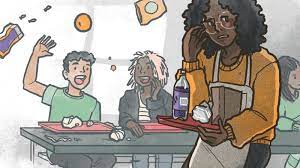
Principal Hotline: How Do I Manage School Cafeteria Behavior?

Introduction

Managing student behavior is a key responsibility for school administrators, and the cafeteria is no exception. With the wide variety of personalities and social dynamics at play, it can be challenging to maintain a positive environment where students can both enjoy their meal and engage in healthy social interactions. In this article, we’ll explore some effective strategies for managing school cafeteria behavior and creating an environment that promotes a sense of belonging, respect, and cooperation among students.

1. Establish Clear Expectations

To cultivate a positive atmosphere within the cafeteria, it’s crucial to set clear expectations for student behavior. Communicating these expectations consistently is key – consider adding posters or signage to reinforce the rules, and hold regular assemblies or class discussions to address specific behaviors.

Some rules might include:

– Using inside voices

– Staying seated while eating

– Cleaning up after oneself

– Showing respect to peers and staff members

2. Implement Seating Arrangements

Structured seating arrangements can go a long way toward preventing behavioral issues. Assigning students to specific tables encourages them to develop relationships with their peers and promotes inclusivity. Additionally, assigned seats permit easier monitoring of individual students’ behavior.

3. Staff Presence and Supervision

Dedicated staff should be present in the cafeteria at all times to enforce rules and model appropriate behavior. This provides students with reliable sources of authority to look up to, and they’ll be more likely to comply with behavioral expectations as a result.

4. Implement a Rewards System

Positive reinforcement can be highly effective in promoting good behavior in the cafeteria. For instance, you could introduce a rewards system that acknowledges good behavior on an individual or class level – perhaps by awarding points for cleanliness or politeness. As points accumulate, students could earn specific privileges or rewards.

5. Provide Purposeful Activities

Implementing purposeful activities during lunch breaks can help keep students engaged and ensure that excess energy is directed positively. Activities might include supervised games, access to computers or reading materials, or even clubs that meet at lunchtime.

6. Encourage Student Involvement

Empowering students to take ownership of their cafeteria experience is a powerful way to promote positive behavior. Involve students in decision-making processes by seeking their input on food choices, decorations, and even new strategies for fostering appropriate behavior.

7. Evaluate and Adjust

Periodically assess your cafeteria management plan to identify areas for improvement or adaptation. This might involve conducting surveys, soliciting feedback from staff and students, or monitoring behavioral trends over time.

Conclusion

Managing school cafeteria behavior is a complex task that requires ongoing effort and attention. By implementing clear expectations, providing adequate supervision, offering activities and rewards, and involving students in the process, administrators can foster an environment where positive behaviors are reinforced, and every student has the opportunity to thrive during their lunch break.

What Is PBIS? An Overview for Teachers and Schools

Introduction:

Positive Behavioral Interventions and Supports (PBIS) is a proactive, school-wide approach aimed at improving the overall school climate by teaching and reinforcing positive behaviors. By employing evidence-based strategies and focusing on positive reinforcement, this framework aims to create an environment where all students can thrive both academically and socially. This article will provide an overview of PBIS for teachers and schools, discuss the main components of the program, and outline its potential benefits.

What is PBIS?

PBIS is a framework designed to help schools enhance their disciplinary approach and promote a more positive school environment by implementing research-backed practices. It promotes the use of consistent expectations and consequences, data-driven decision making, and ongoing monitoring of student progress. This framework integrates behavioral and academic support systems and spans across three tiers to cater to different levels of student needs.

The 3 Tiers of PBIS:

1. Tier 1 – Universal Interventions: This tier focuses on primary prevention techniques targeting all students within a school. The main goal is to establish clear, consistent behavioral expectations, which are displayed throughout the school campus. Comprehensive lesson plans are provided to teach these expectations, with regular assessments conducted to measure students’ progress.

2. Tier 2 – Targeted Support: The second tier targets students who may need additional support or interventions beyond what is provided in Tier 1. At this level, schools implement group-based interventions such as social skills training or conflict resolution programs tailored to the unique needs of these students.

3. Tier 3 – Intensive Support: This tier addresses the needs of students with more severe or chronic behavioral challenges. It involves individualized support plans through functional behavior assessments, personalized interventions, and progress monitoring.

Benefits of Implementing PBIS:

1. Improved School Climate: Implementing PBIS leads to the development of a safe, positive learning environment where students and staff feel valued, respected, and supported.

2. Reduced Behavior Issues: By focusing on the prevention of problem behaviors and equipping students with essential life skills, schools can reduce the occurrence of disciplinary incidents and improve academic performance.

3. Enhanced Academic Achievement: With a positive school climate and fewer behavior problems to deal with, teachers can dedicate more time to teaching, and students can better focus on learning.

4. Increased Collaboration: The PBIS framework encourages collaboration among school staff, families, and community members, thus promoting shared responsibility for the holistic development of students.

Conclusion:

PBIS is an evidence-based framework that helps schools create a more inclusive and conducive learning environment for all. By implementing the three-tiered support system, schools provide a range of interventions designed to meet diverse student needs. Adopting PBIS paves the way toward improved school climate, reduced behavior issues, enhanced academic achievement, and increased collaboration among stakeholders.

I Don’t Want To Teach In A Classroom Without Fart Jokes

Introduction:

Teaching in today’s fast-paced, high-tech world is not without its challenges and rewards. However, one aspect of teaching remains the same: the importance of laughter and humor in the classroom. While some may argue that crude, childish humor like fart jokes have no place in the educational environment, I strongly disagree. In fact, I would go as far as to say that I don’t want to teach in a classroom without a healthy dose of fart jokes.

The Importance Of Laughter And Humor In The Classroom:

Laughter has long been touted as an essential element of learning. It helps establish a relaxed atmosphere, makes learning enjoyable, and makes students more willing to take risks. Humor can help create stronger rapport between teacher and students, making it easier for them to ask questions and engage with the material.

Welcoming All Kinds Of Humor:

It is essential to acknowledge that humor comes in many forms. Students come from diverse backgrounds, each with their personal experiences and unique sense of humor. By embracing all forms of comedy – including the often frowned upon fart jokes – we allow children to express themselves, build confidence, and create meaningful connections with their classmates.

Fart Jokes And Cognitive Development:

One might argue that fart jokes hold no educational value due to their crude nature. However, this simplistic view ignores the potential cognitive development benefits associated with humor and laughter. As children participate in humorous activities such as telling silly jokes or sharing stories with comedic content, they are exercising various skills like language processing, critical thinking, creativity and understanding subtlety.

Fostering Emotional Intelligence:

Embracing a diverse range of humor also contributes to growing emotional intelligence in children. Emotional intelligence involves understanding one’s own emotions and those of others. Although at first glance fart jokes might seem unrelated to emotional intelligence development; they are in fact, tools that can help students explore self-expression, empathy, and social interaction skills.

Breaking Through Barriers:

A well-timed fart joke can be the icebreaker needed to engage a diverse group of students that may have difficulty connecting or collaborating. Humor is universal; a shared laugh can provide common ground for students who have very distinct backgrounds and perspectives.

Conclusion:

Although there are numerous ways to incorporate humor in the classroom, including the use of fart jokes should not be discounted. By welcoming laughter in various forms, we can create warm, inclusive learning spaces to help foster relationships, cognitive growth, and emotional intelligence among students. While fart jokes may not be everyone’s preferred form of humor, they hold a valuable place within the educational setting. In the end, I wouldn’t want to teach in a classroom without them.