Classroom Management

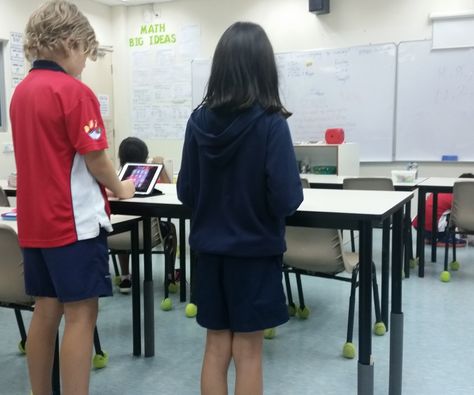
Win Stand-Up Desks for Your Classroom!

Introduction:

It’s time to revolutionize the way we design our classrooms. With the growing concerns about student health and the rise of sedentary lifestyles, one way to encourage a healthier, more active environment in schools is by implementing stand-up desks. As you continue reading this article, you’ll discover the benefits of using stand-up desks in the classroom and how you might win them for your school.

Advantages of Stand-Up Desks:

1. Improved Health:

Stand-up desks promote better posture, keeping students from slouching while seated, which can lead to chronic back pain. Additionally, students standing at their desks burn more calories than sitting, reducing the risk of obesity.

2. Increased Focus:

Researchers have found that transitioning between standing and sitting improves blood flow to the brain, enhancing cognitive function and focus. This helps students maintain their concentration on lessons and tasks for more extended periods.

3. Enhanced Collaboration:

Stand-up desks allow for greater flexibility in classroom arrangements and foster cooperation among students. They encourage active participation in group work, creating an innovative classroom atmosphere.

4. Better Classroom Management:

With stand-up desks maintaining students’ energy levels and focus throughout the day, teachers often notice an improvement in classroom disciplinary issues.

5. Versatile Learning Environment:

Providing students with a choice to sit or stand depending on how they feel most comfortable promotes different learning styles and accommodates special needs more effectively.

How to Win Stand-Up Desks for Your Classroom:

Many schools may not have the budget to purchase stand-up desks for every classroom but worry not; there are several ways to win these ergonomic marvels for your school:

1. Funding Opportunities:

Keep an eye out for grant programs offered by local organizations, businesses, or foundations specifically aimed at improving classroom ergonomics.

2. Parent-Teacher Organizations (PTOs):

Get involved with your school’s PTO or establish one if it doesn’t exist. Lobby for the inclusion of stand-up desks in budget proposals and work together to raise funds for them.

3. Online Contests:

There are online contests organized by various companies that involve submitting essays, videos, or project proposals to win classroom upgrades, including stand-up desks. Enter your school in these contests and mobilize the school community to support the entries.

4. Crowdfunding Campaigns:

You may launch a crowdfunding campaign on platforms such as GoFundMe or DonorsChoose to rally your community and raise funds for purchasing stand-up desks.

Winning stand-up desks for your classroom will be a victory for both students and faculty members, improving health outcomes and educational success. Embracing an active learning environment leads to a brighter future for our children while creating meaningful change in their educational experiences. So gear up for this exciting opportunity to make a difference in the lives of young learners!

The Teacher Report: Classroom Management Tricks to Keep Game-Based Learning Running Smoothly

Introduction

Game-based learning has significantly impacted the way students learn, as it combines both educational content and entertaining gameplay. This innovative approach fosters a fun and interactive classroom environment which can boost student engagement, motivation, and promote collaborative problem-solving skills. However, to effectively integrate game-based learning into the curriculum, teachers must have effective classroom management strategies in place to ensure smooth implementation. In this article, we will be sharing some practical and proven classroom management tricks that can help make game-based learning an enjoyable and fruitful experience for both teachers and students.

1. Establish Clear Rules and Expectations

Before introducing game-based learning in the classroom, it is essential for teachers to set clear rules and expectations for students. This could involve guidelines on how to interact with peers during gameplay, appropriate behavior while playing games, and taking turns. Teachers should communicate these expectations clearly and consistently to create a safe and supportive gaming environment.

2. Choose the Right Games for Your Students

Selecting the right games for your students is vital since not all games are suitable for every age group or skill level. Teachers must research and choose games that are age-appropriate, align with the curriculum objectives and meet the diverse needs of their students.

3. Balance Competition with Collaboration

To encourage teamwork while still maintaining a sense of competition among students, teachers can create a balanced environment where collaborative activities are integrated into competitive gameplay. It would help if you encouraged students to work together toward common goals to foster cooperation while still keeping a spirit of playfulness in the air.

4. Monitor Student Progress

During game-based learning activities, it is crucial for teachers to monitor student progress continually. Encourage weaker students or those who might be struggling with certain aspects of the game by providing additional guidance or support as needed without overly interrupting the flow of gameplay.

5. Facilitate Classroom Discussions

After the completion of the game-based learning activities, teachers should facilitate a classroom discussion where students can share their experiences, discuss strategies they used during gameplay, and reflect on any new knowledge or skills they acquired. This reflection process fosters a deeper understanding of the material and helps students make connections between the game and the learning objectives.

6. Encourage Responsible Gaming

Promote responsible gaming habits by setting time limits on gameplay and reminding students of the importance of taking breaks to avoid eye strain or mental fatigue. Balance screen time with other non-digital assignments or activities to provide a well-rounded learning experience.

7. Providing Feedback

Regular feedback from teachers is essential for the successful integration of game-based learning in a classroom. Helps students understand their strengths and weaknesses in gameplay, and offers guidance on how to improve and develop critical thinking, problem-solving, and collaboration skills.

Conclusion

Game-based learning can lead to increased student engagement and motivation if appropriately managed. By implementing effective classroom management practices, teachers can create a conducive environment that encourages positive gaming experiences while reinforcing educational objectives. Ultimately this will lead to improved learning outcomes for students while preparing them for real-life challenges through the form of engaging games.

16 Uplifting May Bulletin Boards for Classrooms

Introduction

As the school year comes to a close, it’s essential to keep students engaged and motivated. One way to do this is by refreshing your classroom decor with uplifting May bulletin boards. These bulletin boards will not only showcase the accomplishments of your students but also celebrate the joys of the season. Here are 16 fantastic ideas for May bulletin boards that will brighten up your classroom and inspire your students.

1. Blooming Growth Mindset: Encourage a growth mindset by showcasing blooming flowers, each adorned with an inspiring quote or mantra.

2. Sunshine and Positivity: Create a radiant sun surrounded by rays, where each ray represents a student’s positive thought or affirmation.

3. We’re “BEE”-yond Proud: Show off your students’ accomplishments with a bee-themed board displaying their work, awards, or milestone moments.

4. Butterfly Metamorphosis: Highlight the power of change and growth with a board dedicated to the life cycle of butterflies.

5. A Garden of Gratitude: Encourage students to express their appreciation by planting paper flowers or leaves, each holding a grateful message from them.

6. We’ve Reached Our Goals: Celebrate goals achieved during the school year with a sports-themed board, featuring students’ academic and personal milestones.

7. Mother’s Day Appreciation: Showcase students’ handwritten messages, drawings, or crafts dedicated to their mothers or motherly figures in their lives.

8. Marvelous May Moments: Capture memorable events in May such as class outings, project presentations, or fun activities with photographs arranged in an eye-catching display.

9. Planting Seeds of Knowledge: Portray the knowledge acquired throughout the year with flowers or trees; each petal or leaf represents essential lessons learned.

10. Sailing Towards Summer Break: Illustrate your students as sailors on a ship, steering towards a treasure island filled with their favorite summer activities.

11. May the Fourth Be with You: Commemorate Star Wars Day by inviting students to create their own Star Wars-themed artwork or writings for display.

12. A Literary Garden: Celebrate National Children’s Book Week by crafting a garden where each flower features a student’s favorite book or book quote.

13. Around the World in May: Introduce your students to different cultures by dedicating a bulletin board to worldly festivals and holidays taking place in May.

14. Environmental Champions: Honor Earth Day and environmental stewardship with a board focused on conservation tips, recycling techniques, and student-driven initiatives.

15. Fiesta Fun: Celebrate Cinco de Mayo with colorful decorations, traditional symbols, and an opportunity for students to share their Hispanic heritage or learn about Mexican traditions.

16. Springtime Masterpieces: Encourage creativity by displaying students’ spring-inspired artwork, poetry, or creative writing pieces on a bright and flowery backdrop.

Conclusion

Uplifting May bulletin boards inspire your classroom and celebrate the achievements of your students. By incorporating these fun themes into your daily learning environment, you’ll create an engaging space that nurtures personal growth and intellectual exploration for your students as they wind down the school year.

We Found All the Best Classroom Deals in Prime Early Access Sale

Introduction:

As educators, we know it can be challenging to find high-quality classroom materials at affordable prices. That’s why we’ve taken the time to thoroughly explore the Prime Early Access Sale, discovering all the best deals specially suited for classroom needs. Ranging from essential supplies to cutting-edge technology, we’ve compiled a list of must-have offers that will help you enhance the classroom experience for both you and your students.

1. AmazonBasics Whiteboard Dry Erase Markers

A staple in every classroom, these AmazonBasics Whiteboard Dry Erase Markers come in a 12-pack with six vibrant colors. At an amazing discount, you’ll want to stock up on these markers to facilitate an engaging and interactive learning environment.

2. HP OfficeJet Pro Wireless All-in-One Printer

This all-in-one printer is perfect for educators looking for efficient printing solutions for their classrooms. The HP OfficeJet Pro offers wireless capabilities and compatibility with various devices, making it a valuable asset during this Prime Early Access Sale.

3. Amazon Echo Dot (4th Gen)

Bring the power of voice control to your classroom with the Amazon Echo Dot. This versatile device can help you schedule appointments, set timers, or even assist in answering students’ questions—making it a great addition to any educational setting.

4. Anker Portable Projector

Transform your lectures and presentations with this Anker Portable Projector, featuring 1080p resolution and compatibility with various devices. With an incredible discount during the sale, don’t miss out on this opportunity to upgrade your classroom’s visual resources.

5. BIC Mechanical Pencils & Ballpoint Pens Combo Pack

Keep your students prepared for note-taking and exams with this combo pack of BIC Mechanical Pencils and Ballpoint Pens, available at unbeatable prices in the Prime Early Access Sale. Stock up now to ensure you’re ready for the upcoming school year.

6. AmazonBasics Heavy-Duty Paper Cutter

In need of a durable and precise paper cutter for your classroom? Look no further than this AmazonBasics Heavy-Duty Paper Cutter, currently available at a fantastic sale price. It’s perfect for educators who require precise cutting and trimming for their class materials.

Conclusion:

These are just a few of the incredible deals we’ve found in the Prime Early Access Sale, perfect for enhancing your classroom experience. Don’t miss out on the opportunity to secure high-quality products at unbeatable prices. Help your students excel with these essential deals that cater to every educator’s needs during this limited-time sale event.

7 Ways to Creatively Fund a Classroom Makeover

1. Crowdfunding: One of the most popular ways to raise money for classroom makeovers is through crowdfunding. There are many platforms such as GoFundMe, DonorsChoose, and Kickstarter that you can use to create a campaign to fund your project. Be sure to include pictures, videos, and a detailed description of your planned makeover to get people excited about donating.

2. Grants: Many organizations offer grants specifically for education projects or classroom improvements. Search online and locally for grant opportunities that match your needs. Once you find potential funders, review their guidelines and submit a well-prepared application showcasing the benefits of your classroom makeover project.

3. PTO/PTA Fundraisers: Reach out to your school’s Parent-Teacher Organization or Parent-Teacher Association for help organizing fundraisers specifically dedicated to your classroom makeover. Ideas can include bake sales, garage sales, or even a fun run event where students collect pledges based on miles they run.

4. Local Sponsorships: Approach local businesses and see if they would be willing to sponsor your classroom makeover in exchange for branding visibility or recognition in school materials like newsletters, website, or social media channels. You may also want to consider teaming up with another teacher or class for a larger sponsorship opportunity.

5. Donations of Materials and Labor: Save on costs by asking nearby hardware stores, interior design centers, or other relevant businesses if they’d be willing to donate materials or provide discounted labor for your project.

6. Alumni Support: Contact former students who may be interested in giving back by contributing financially or with their time and expertise towards your classroom makeover project.

7. Social Media Campaigns: Use social media channels like Instagram, Facebook, and Twitter to create buzz around the makeover project, document progress along the way, and seek support from followers who may want to contribute with donations or sharing the campaign with their networks.

By exploring these creative funding options, you can turn your dream classroom makeover into a reality while involving the community and generating excitement around education.

A Student Guide to College Applications and Admission (Free Poster)

The college application and admission process can be an overwhelming task for students, as they navigate through a sea of requirements, deadlines, and forms. This guide is designed to help simplify the process and provide you with valuable information on how to approach your college applications and admission journey. Plus, don’t forget to download our free poster to keep the important dates and steps right in front of you!

1. Research Colleges & Programs

The first step in your college application journey is to identify which colleges and programs best match your interests, academic goals, and preferences. Consider factors such as location, size, campus culture, financial aid options, and extracurricular opportunities when making your list. Attend college fairs and visit campuses if possible to gather more information about each institution on your list.

2. Gather Materials & Information

Before you begin filling out applications, gather all required materials such as transcripts, standardized test scores (e.g., SAT or ACT), letters of recommendation, personal essays, and a list of extracurricular activities. Keep these materials organized so you can refer back to them while completing multiple applications.

3. Understand Deadlines & Application Types

Familiarize yourself with different application deadlines such as regular decision (usually around January 1), early action/decision (typically between November 1-15), and rolling admissions (accepted anytime). Identify if your prospective colleges use the Common Application or Coalition Application or require their specific application forms.

4. Complete Applications

Carefully follow instructions for each application platform (e.g., Common App or Coalition) to ensure that all sections are completed accurately. Be sure to proofread your essays for grammatical errors and check that all necessary documents are uploaded before submitting your applications.

5. Apply for Financial Aid

Several financial aid programs could significantly reduce tuition costs. Complete the Free Application for Federal Student Aid (FAFSA) and explore additional scholarship opportunities available through the colleges of your choice, professional organizations, community foundations, etc.

6. Await Decisions & Responses

Most colleges will notify applicants of their decisions in mid-to-late March or early April. Be prepared for different scenarios – acceptances, waitlists, or rejections. It’s essential to remain patient during this waiting period but start creating a backup plan in case things don’t work out as hoped for.

7. Review Acceptance Offers & Make a Decision

Once you receive all your offers, carefully review the academic programs, financial aid packages, and campus environment at each institution. Weigh the pros and cons and consult with family members before making your final decision to enroll.

8. Register and Prepare for Enrollment

After choosing the right college for you, confirm your enrollment by submitting a deposit before the deadline (usually May 1). Attend orientation events and register for courses as soon as possible. Congratulations – you’re now officially part of a college community!

Remember to download our free poster to help you stay organized throughout the entire process. Good luck with your college applications and admission journey!

Check Out Our Favorite Money-Saving Classroom Hacks

As teachers, we’re always on the hunt for effective and affordable ways to enhance our classrooms. Budget constraints can make it difficult to acquire the necessary resources, which is why we’ve compiled a list of our favorite money-saving classroom hacks. These creative solutions allow educators to create a productive and engaging learning environment without breaking the bank.

1. DIY Whiteboards: Save money on expensive whiteboards by covering old clipboards or cardboard pieces with clear contact paper. Students can use dry erase markers on these makeshift surfaces, making them perfect for collaborative activities or individual practice.

2. Reuse Old Calendars: Have an old calendar lying around? Transform it into a decorative wall display by cutting out the pictures and using them for thematic displays, bulletin boards, or even as teaching aids.

3. Collaborative Materials Sharing: Get together with other teachers and create a shared pool of classroom supplies and materials. This way, each teacher contributes a portion of their resources and everyone has access to more variety without having to spend too much.

4. Use Plastic Tablecloths as Bulletin Board Backgrounds: Instead of continually purchasing fabric or paper for bulletin board backgrounds, consider buying reusable plastic tablecloths. They are affordable, come in many colors, and are easy to clean.

5. Organize with Recycled Containers: Save money on storage containers by repurposing items like coffee cans, shoeboxes, or plastic food containers. These can hold everything from pencils to manipulatives and can be easily labeled.

6. Dollar Store Finds: Hit your local dollar store for affordable classroom decor items, basic supplies like pencils and notepads, or even small prizes for student incentives.

7. Create Your Own Anchor Charts: Instead of purchasing expensive pre-made anchor charts from educational stores, make your own! Use large sheets of butcher paper or flip chart paper to create custom visual aids tailored specifically to your students’ needs.

8. Share Online Resources: Tap into the wealth of free online resources available to educators. Share websites and digital tools with fellow teachers, creating a network of cost-effective resources.

9. Hold a Classroom Supply Swap: Organize a classroom supply swap with other educators in your school or district. This allows teachers to exchange unwanted or surplus items for things they need, at no cost.

10. Seek Donations: Reach out to your community for support when it comes to acquiring new classroom materials. Many local businesses and organizations are happy to donate items when they know it’s for a good cause.

By implementing these money5. Organize with Recycled Containers:

  1. Dollar Store Finds:
  2. Create Your Own Anchor Charts:
  3. Share Online Resources:

-saving hacks in your classroom, you’ll be able to create an engaging and resourceful learning environment on a budget. These creative solutions help teachers provide quality education without spending a fortune on supplies, decor, or materials. Happy teaching!

10 New Teacher Tips Every Rookie Wants Answered

Starting a career as a new teacher can be both exciting and nerve-wracking. As a rookie, you probably have endless questions buzzing through your mind. To help you get started on the right foot, we’ve compiled a list of 10 tips every new teacher wants answered.

1. Establish a Classroom Management Plan

Having clear expectations for behavior and routines can make classroom management more manageable. Set expectations from day one, communicate them to your students, and enforce them consistently.

2. Embrace Collaboration

Collaborate with colleagues to share ideas, resources, and support. Reach out to veteran teachers for advice on creating lesson plans, managing the classroom, or providing constructive feedback to your students.

3. Connect with Parents

Establishing strong lines of communication with parents can foster positive relationships and enhance student success. Keep them informed about their child’s progress through regular conferences, newsletters, or email messages.

4. Create Engaging Lesson Plans

Students learn better when they’re actively engaged in the learning process. Develop lessons that encourage critical thinking and collaboration among your students.

5. Effective Time Management

A teacher’s workload can become overwhelming without effective time management skills. Stay organized by regularly planning your tasks and setting daily priorities.

6. Reflect on Your Teaching Practices

Take the time to assess your effectiveness as a teacher by reflecting on lessons, student assessments, and feedback from colleagues or mentors. Continually refine your teaching methods based on these observations.

7. Develop a Support System

Surround yourself with people who understand the joys and stressors of teaching, from colleagues at school to friends or family members outside of work who can provide encouragement during tough times.

8. Be Flexible

Every day will bring its own challenges in the classroom; be ready to adapt while maintaining structure and consistency. Adjusting lesson plans based on student needs may lead to improved learning outcomes.

9. Cultivate Diversity and Inclusion

Recognize the unique backgrounds, abilities, and interests of your students. Encourage open dialogue and foster a classroom environment that embraces diverse perspectives.

10. Take Care of Yourself

Maintain a healthy work-life balance to prevent burnout and maintain energy for your students. Prioritize self-care by carving out time for exercise, hobbies, or relaxation.

As you begin your teaching journey, keep these tips in mind for a successful start to your career. Remember that growth comes with experience, so allow yourself room to learn and improve along the way.

18 3rd Grade Classroom Management Tips and Ideas

1. Set Clear Rules and Expectations: Begin the school year by establishing clear rules and expectations for your students. Discuss the rules as a classroom, allowing students to provide their input. Clearly display the rules so that students can refer to them as needed.

2. Use Visual Schedules: A visual schedule helps students understand the daily schedules and activities. Clearly display the daily routine so that students can anticipate transitions and know what is expected of them throughout the day.

3. Implement a Consistent Morning Routine: Start each day with a consistent morning routine. This might include greeting each student, reviewing the day’s schedule, leading a morning meeting, or completing an opening activity.

4. Establish Routines for Transitions: Create simple routines for transitioning between activities or subjects during the day. These routines could include a countdown timer, a call-and-response chant, or lining up in alphabetical order.

5. Foster a Positive Classroom Environment: Encourage kindness, respect, and inclusivity in your classroom by setting a positive tone from day one. Praise good behavior and model respectful interactions.

6. Implement Group Work: Third graders benefit from opportunities to collaborate and learn together. Use group work activities to help students improve social skills, communication skills, and problem-solving abilities.

7. Integrate Technology: Incorporate technology into your classroom to engage students and support learning goals. Utilize interactive whiteboards and tablets for educational games, research projects, or presentations.

8. Use Student Interest as Motivation: Tap into your students’ interests to create engaging lessons and motivate learners. Familiarize yourself with their likes, dislikes, hobbies, and favorite subjects.

9. Valuable Feedback: Provide timely feedback on student work through verbal comments or written notes on assignments. This will help students improve their understanding of concepts and learn from mistakes.

10. Encourage Movement Breaks: Break up long periods of seated work with movement breaks and physical activities. These can help students refocus and improve concentration.

11. Designate Quiet Spaces: Create designated quiet areas within your classroom to provide students with a calming space for individual work or reflection.

12. Celebrate Success: Regularly celebrate students’ achievements and progress, whether in academics, behavior, or personal growth.

13. Builds Strong Relationships: Connect with students individually and learn about their interests, strengths, and challenges. Use this information to help tailor lessons or identify additional supports for each student.

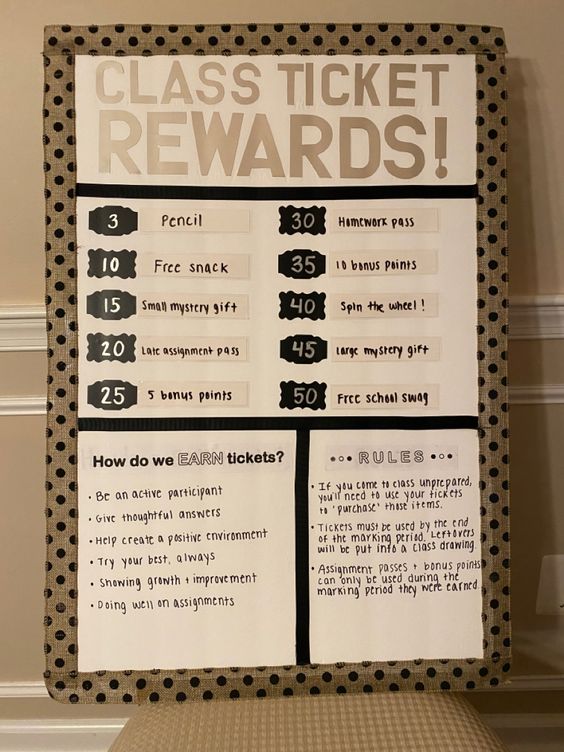
14. Develop a Rewards System: Implement a classroom rewards system to reinforce positive behavior and hard work. This can be through the use of points, stickers, or special privileges.

15. Communicate with Parents: Maintain regular communication with parents or guardians to keep them informed about their child’s progress, behavior concerns, or upcoming events.

16. Utilize Student Jobs: Assign classroom jobs to each student to promote responsibility and ownership in maintaining a clean and supportive learning environment.

17. Set Academic Goals: Help students set achievable academic goals that align with their individual abilities and challenges. Regularly check in on progress and adjust these goals as necessary.

18. Emphasize Growth Mindset: Encourage a growth mindset by emphasizing the power of perseverance and recognizing that mistakes contribute to learning and improvement.

By following these 18 third grade classroom management tips, you’ll create an effective learning environment where students feel supported and engaged throughout the school year.

17 5th Grade Classroom Management Tips and Ideas That Work

1. Establish a routine: Creating a consistent daily schedule helps students know what to expect and builds good habits for time management.

2. Set clear expectations: Clearly communicate your classroom rules and behavioral expectations from day one. Make sure students understand the consequences of not following the rules.

3. Use a positive reinforcement system: Implement a system that rewards good behavior in the classroom, such as a token economy or a star chart.

4. Display visuals: Use visual aids to illustrate concepts, reinforce rules, and serve as reminders for students.

5. Rotate seating arrangements: Changing seating arrangements periodically can help alleviate social issues and keep students engaged.

6. Use classroom jobs: Assigning specific responsibilities to students encourages responsibility and gives them a sense of ownership in the classroom.

7. Have a quiet signal: Teach your students a nonverbal cue that signals when it’s time to be quiet and listen, such as raising your hand or flickering the lights.

8. Teach self-regulation strategies: Encourage students to practice self-control through mindfulness exercises, such as deep breathing or counting down from ten when they feel overwhelmed.

9. Utilize small group activities: Break larger tasks into smaller groups to foster collaboration and communication among students.

10. Encourage peer tutoring: Pair more advanced students with struggling peers to provide individualized support and promote teamwork.

11. Provide choice in assignments: Allowing students to choose topics or projects that interest them will increase their engagement level in the learning process.

12. Implement Class Meetings: Regular class meetings can help address any challenges or issues that arise while promoting open communication between teachers and students.

13. Offer brain breaks: Incorporate small breaks throughout the day where students can stretch, move around, or engage in quick activities that help refocus their attention on learning.

14. Communicate with parents consistently: Regular communication with parents is crucial for maintaining understanding and cooperation in managing student behavior and academic progress.

15. Use technology effectively: Utilize technology tools to keep students engaged, differentiate instruction, and streamline assessments.

16. Be approachable and build relationships: Show genuine interest in your students’ lives outside of school and be available for one-on-one conversations when needed.

17. Reflect on classroom management strategies regularly: Continually evaluate what is working and what isn’t in order to adapt and modify your techniques for maximum effectiveness.