EdTech & Innovation

What is Minecraft: Education Edition And How Does It Work For Teachers?

Introduction

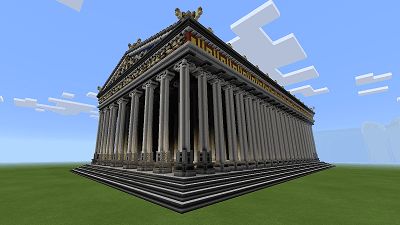
Minecraft: Education Edition is a unique version of the popular game, designed specifically for use in educational settings. This iteration provides teachers with a creative and engaging platform that facilitates learning across various subjects and grade levels. Teachers who want to incorporate this educational tool into their curriculum may wonder how it works and what benefits it offers. This article aims to provide insight into Minecraft: Education Edition, its features, and how it can be incorporated into the classroom as an effective teaching aid.

What is Minecraft: Education Edition?

Minecraft: Education Edition is a collaborative sandbox-based game that promotes creativity, teamwork, and problem-solving among students. Mojang Studios and Microsoft developed this version to leverage the existing popularity of Minecraft while also meeting the learning objectives of educators. The game introduces an immersive interface that engages students in activities ranging from literacy and numeracy to programming and engineering concepts.

Key Features:

1.Classroom Mode

Teacher tools such as Classroom Mode enable real-time monitoring and communication, ensuring smooth in-game experiences for both instructors and students alike.

2.Coding Integration

This edition of Minecraft integrates with Code Builder, enabling students to learn coding basics in both block-based and text-based languages such as Scratch or JavaScript.

3.Curriculum Library

Minecraft: Education Edition boasts an extensive Curriculum Library filled with lesson plans and activities categorized by subject matter. These downloadable resources provide guidance for specific learning objectives.

4.Multiplayer

Multiplayer mode allows up to 30 club participants or classmates to work collaboratively on solving puzzles, completing projects, or exploring new worlds.

How Does It Work For Teachers?

Integration:

Incorporating Minecraft: Education Edition into your existing curriculum is relatively simple. First, teachers must create an account on education.minecraft.net using their Office 365 credentials. They will then have access to the game’s features such as Classroom Mode, Code Builder, and the Curriculum Library.

Lesson Planning:

Educators can create custom lessons by incorporating elements from the Curriculum Library along with their personal modifications. They may choose to adapt an existing lesson, collaborate with fellow educators, or submit their unique plans to share with others.

Classroom Management:

Teachers control their classroom in Minecraft: Education Edition by utilizing features such as chat moderation and the ability to freeze or mute students. They are also able to teleport category participants to various locations in the game, encouraging peer collaboration.

Assessment & Evaluation:

Success and progress can be measured through in-game achievements and reports in addition to traditional assessment methods like quizzes and projects. Students can demonstrate knowledge through virtual creations, written documents created in-game, or by presenting completed lessons to classmates.

Conclusion

Minecraft: Education Edition not only harnesses the creative potential of its widely successful predecessor, but also provides an engaging environment that promotes learning for various age groups and subjects. Teachers who adopt this innovative teaching tool have access to classroom management features and a diverse library of lesson plans, ensuring a seamless integration into their curriculum. By utilizing this resource, educators can foster a fun and collaborative learning experience for students while meeting academic standards and objectives.

Assembly – SENCology

Introduction:

The fascinating world of SENCology includes various aspects related to the assembly and operation of electronic and nanotech devices. The goal of this field is to push technological boundaries and provide innovative solutions for a range of applications that require high precision, efficiency, and customization. This article delves into the essence of assembly in SENCology, its challenges, and its promise for the future.

The Importance of Assembly in SENCology:

The assembly process is crucial in both electronic and nanotechnology fields. It involves the arrangement of various components or modules that interact to create functional systems. In SENC technology, this can include uniquely designed nanoscale structures integrated with electronics for powerful, distinct performance.

Challenges in Assembly:

The principal challenge in SENCology is assembling intricate components at nano and microscales accurately. The alignment between elements needs to be precise to enable flawless communication between different sub-systems.

Moreover, a well-crafted assembly process must encompass techniques suitable for a variety of materials relevant to the specific device’s performance. These may require delicate handling or have unique conditions that must be met during assembly.

Another hindrance lies in creating customizable designs for specific applications without compromising efficiency or increasing fabrication costs.

Assembly Techniques in SENCology:

Various techniques are applied within SENCology to overcome assembly obstacles:

1.Self-assembly: Certain components have naturally occurring properties that encourage them to form predictable patterns or structures under certain environmental conditions. This technique takes advantage of these properties to craft nanostructures without external guidance or force.

2.Directed self-assembly: A more sophisticated version of self-assembly; external factors such as temperature control, chemical functionalization or specialized templates are employed to guide nanoscale components into desired configurations.

3.Top-down fabrication: Often employed when high precision is needed for tailor-made designs; lithographic methods, focused ion beams, or scanning tunneling microscopy can manipulate and cut materials into required shapes.

4.Bottom-up approaches: This technique involves the synthesis of materials and assembly of atomic or molecular structures to create desired components, devices, or systems.

5.Hybrid techniques: Combination approaches like robotic picking-and-placement may also be applied based on the specific requirements of the assembly process.

The Future of Assembly in SENCology:

With continuous advancements in both electronic and nanotechnology domains, SENCology has a bright future. Further refinement in assembly techniques, coupled with advances in materials science and computational modeling, will enable more precise, effective, and potentially customizable solutions for a range of applications.

From healthcare to aerospace, the possibilities are limitless. The role of assembling these advanced electronic-nanotech hybrid systems is paramount to unleash untapped potential and deliver cutting-edge technology that transforms industries for a brighter future.

“We Love Science Teachers” $500 Gift Card Giveaway!

Introduction:

We are excited to announce our “We Love Science Teachers” $500 Gift Card Giveaway! This event is designed to show our appreciation for dedicated and passionate science teachers everywhere. We recognize the incredible impact they have on students’ lives, fostering curiosity and a love for scientific discovery.

Eligibility:

To be eligible for the giveaway, participants must be:

1. A certified K-12 science teacher from an accredited school.

2. A legal resident of the United States.

3. At least 18 years of age at the time of submission.

How to Enter:

To enter our “We Love Science Teachers” giveaway, follow these simple steps:

1. Like and follow our social media pages (Facebook, Instagram, and Twitter).

2. Tell us in 300 words or less why you love teaching science and how it positively impacts your students. Share either as a direct message on one of our social platforms or email your entry to [email protected].

3. Tag three other science teachers who inspire you.

Please note: By entering this giveaway, you agree that we may share your submission publicly with credit given to you as the author.

Selection Process:

After the submission deadline, five finalists will be selected by a panel of judges based on their entry’s articulation of passion for teaching science and demonstrated impact on students. The selected finalists will be featured on our social media platforms, website, and newsletter.

Public Voting:

The winner will be chosen through public voting after the finalists are announced. The finalist with the highest number of votes will receive the grand prize – a $500 gift card!

Important Dates:

1. Submission Deadline: Entries must be received by 11:59 PM PST on [Date].

2. Finalists Announcement: The top five finalists will be announced on [Date].

3. Public Voting Opens: Voting will begin on [Date].

4. Voting Closes: Voting will close at 11:59 PM PST on [Date].

5. Winner Announcement: The winner will be announced on [Date].

Show your appreciation for science teachers by participating in our “We Love Science Teachers” $500 gift card giveaway. Get inspired, spread the word, and seize the opportunity to celebrate science education and its pivotal role in shaping future generations of innovators and researchers!

School Pride Assemblies: Why Your District Should Have Them

Introduction

School pride assemblies are events held in educational institutions to bring together students, staff, and the community for the purpose of recognizing and celebrating a school’s achievements, values, and culture. These gatherings aim to foster a sense of belonging and shared identity among all stakeholders. In this article, we will discuss the various reasons why school districts should consider implementing school pride assemblies.

1. Enhancing Student Engagement

One of the primary reasons for organizing school pride assemblies is to increase student engagement. When students participate in such events, they tend to feel more connected to their school, teachers, and peers. This increased level of connection helps promote active involvement in academics and extracurricular activities, leading to better overall performance.

2. Developing School Culture

School pride assemblies play a vital role in developing and maintaining a positive school culture. By recognizing achievements in various areas such as academics, sports, arts, and community service – these events help instill a sense of accomplishment and pride among students and staff members. Additionally, assemblies offer opportunities for schools to reinforce their core values and traditions.

3. Fostering Social Connections

Assemblies provide students with opportunities to interact with fellow classmates whom they may not have the opportunity to interact with during regular school hours. These interactions help build friendships and collaborations that can support personal growth as well as academic success.

4. Encouraging Positive Behavior

When schools celebrate positive behavior during pride assemblies, it encourages students to continue demonstrating good character traits such as respect, responsibility, and perseverance. Recognizing these traits can motivate other students to adopt similar behavior patterns.

5. Boosting Community Involvement

By involving community members such as parents, alumni, and local organizations in planning and attending pride assemblies, schools can strengthen community ties and encourage active participation in future events. This increased community support can bolster school funding efforts and foster connections that benefit students and staff alike.

6. Improving Mental Health

Participation in school pride assemblies can help mitigate the negative effects of stress and anxiety, which are common issues faced by students today. Celebrating achievements and creating a positive atmosphere contributes to improved mental well-being for everyone involved.

7. Highlighting Diversity and Inclusion

School pride assemblies can showcase the various talents, backgrounds, and experiences within a student body. By celebrating this diversity, schools create a more inclusive environment where every student feels valued and included.

Conclusion

Given the myriad of benefits associated with school pride assemblies, it is evident that such events are essential for fostering a strong sense of community, promoting student engagement, and encouraging personal development. Therefore, school districts should prioritize the implementation of pride assemblies to create positive learning environments that support the success of all students.

How I Keep 25 Kids From Getting Distracted With Their Computers

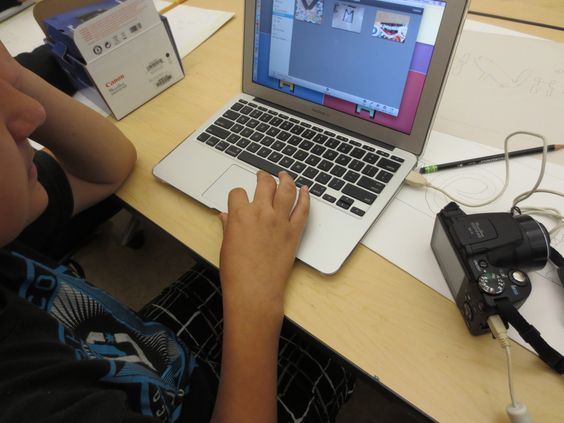
In today’s classrooms, technology has become an integral part of the learning experience. However, when used incorrectly, it can serve as a major source of distraction for students. As a teacher of 25 kids, I have developed strategies to ensure my students stay focused when working on their computers. Here are my top tips on keeping your classroom attentive and engaged during times of technological utilization.

1. Set clear expectations:

Establish a set of rules and expectations for computer usage in the classroom from day one. Ensure that your students understand what is considered appropriate use of technology and what is not. By setting these boundaries early, you can help establish a culture of responsible computer usage amongst your students.

2. Monitor screens:

As a teacher, it is essential to physically position yourself in a way that allows for easy visibility of your students’ computer screens. Periodically check on what they are doing to ensure they are on task. Encourage the use of full-screen mode for required tasks to reduce the temptation to multitask or switch between tabs.

3. Block unnecessary websites:

To minimize distractions, use website blocking and filtering software to limit access to unproductive websites during school hours. With such restrictions in place, you can reduce time spent on social media, gaming or other online distractions.

4. Establish tech-free zones:

Designate certain areas of the classroom as “tech-free zones”. These can be beneficial during group discussions or collaborative work periods when devices may inhibit productive exchanges between students.

5. Timed breaks:

Schedule short breaks at regular intervals that allow your students to step away from their computers and reset their focus. Encourage them to stand up and stretch or engage in other non-digital actvities during these breaks.

6. Teach time management skills:

Equip your students with time management techniques such as setting goals, creating schedules and prioritizing tasks. This helps them stay on track and become more efficient when working on their computers.

7. Encourage self-monitoring:

Teach your students how to keep themselves accountable for staying focused during computer use. Suggest methods such as setting a timer or using productivity apps that track their time spent on various tasks.

8. Reward positive behavior:

Reinforce responsible computer use by praising and rewarding students who exhibit appropriate behavior. Positive reinforcement will encourage continued diligence with technology.

9. Collaborate with parents:

Partner with the parents of your students to establish a shared understanding of the role of computers in your classroom. Encourage parent-teacher communication to address any concerns or issues related to digital distraction.

10. Lead by example:

Model responsible computer usage in your own work habits. Students are more likely to follow your guidelines if they see you practicing what you preach.

In conclusion, while technology has the potential to be a powerful tool in education, it can also be a significant source of distraction if not managed properly. By implementing these strategies, you will be well on your way to fostering a focused and productive learning environment – even with 25 kids!

Back to School Deals Laminator

As summer comes to a close, parents and teachers alike are starting to prepare for the upcoming school year. One essential item on many back-to-school shopping lists is a laminator. Laminators are invaluable tools for preserving important documents, enhancing the durability of learning materials, and making classroom displays more visually appealing. With numerous back-to-school deals available, it’s the perfect time to invest in this versatile tool for your home or classroom.

Benefits of Laminating

1. Durability: Laminating documents can drastically increase their longevity by preventing tears, smudges, and water damage. This ensures that essential items like report cards, lesson plans, and activity sheets remain in pristine condition throughout the school year.

2. Professional Look: A well-laminated document has a polished and professional appearance. This makes a great impression during parent-teacher meetings or when presenting materials to students in class.

3. Reusability: Laminated resources can be reused multiple times, reducing waste and saving money in the long run.

4. Easy Maintenance: Since laminated materials can be easily cleaned with a damp cloth or sanitizing wipe, they offer a more hygienic option for items that are frequently handled.

Factors to Consider Before Purchasing a Laminator

1. Size: Consider the size of the documents you plan on laminating most frequently before choosing a laminator. Many personal laminators handle documents up to 9 inches wide while larger models are designed to accommodate wider formats.

2. Speed: Some laminators warm up faster than others or laminate at different speeds. If you expect to laminate large volumes of materials frequently, higher speed options may be more convenient.

3. Pouch Thickness: For extra durability and protection, choose a laminator compatible with thicker pouches.

4. Pricing: Back-to-school deals will significantly impact pricing. Keep an eye out for discounts or bundle offers to ensure you get the best value for your investment.

Top Laminator Deals

1. AmazonBasics Thermal Laminator Machine: Designed for home or office use, this budget-friendly laminator accommodates documents up to 9 inches wide with two heat settings and quick warm-up times.

2. Scotch Pro Thermal Laminator (TL906): Offering professional-quality lamination at an affordable price, this laminator boasts multiple temperature settings and quick warm-up times that make it ideal for teachers on the go.

3. Fellowes Saturn3i 125 Laminator: For those in need of a larger laminator, the Fellowes Saturn3i can handle documents up to 12.5 inches wide and is compatible with various pouch thicknesses.

Final Thoughts

Investing in a high-quality laminator will enhance the aesthetics of your materials, improve durability, and ultimately save money over time. With back-to-school deals providing significant savings on these tools, there’s no better time to add this versatile addition to your classroom or home office setup.

The Teacher Report: How RTI Boosts Standardized Test Scores

Introduction:

Standardized tests are a key component in today’s educational systems, frequently used to assess students’ academic growth as well as evaluate teachers and schools. With such importance placed on standardized test scores, educators are continually seeking strategies to improve student performance. One technique that’s gained significant attention is the Response to Intervention (RTI) approach. In this article, we’ll explore how RTI can boost standardized test scores and demonstrate its efficacy in supporting students’ academic progress.

What is RTI?

The Response to Intervention (RTI) model is a multitiered instructional approach designed to identify and support students with learning or behavioral challenges. It integrates assessment, instruction, and progress monitoring to help educators pinpoint struggling students early on and provide targeted interventions. RTI consists of three tiers of instruction, each offering a different level of support based on individual student needs.

How Does RTI Work?

1. Tier 1: Universal Instruction – This foundational level includes high-quality, evidence-based instruction that meets the needs of most students in the class through differentiated instruction and scaffolding.

2. Tier 2: Targeted Intervention – Students identified as at risk for learning difficulties receive additional support through small group instruction or targeted interventions aligned with their specific needs.

3. Tier 3: Intensive Intervention – Students who continue to exhibit significant academic or behavioral difficulties may require more intensive personalized interventions, often involving one-on-one support from educators, specialists, or other school staff.

How RTI Boosts Standardized Test Scores:

Several factors contribute to the success of RTI in improving standardized test scores:

1. Early Identification – The ongoing progress monitoring within the RTI framework allows educators to identify students at risk of underperformance before they fall too far behind. This timely intervention helps prevent an achievement gap from widening.

2. Tailored Interventions – By assessing students’ specific needs, RTI enables educators to deliver targeted support. This customized approach ensures that each student gets the help they need, making it more likely they’ll succeed on standardized tests.

3. Progress Monitoring – RTI involves ongoing data collection and analysis of student performances to measure the effectiveness of interventions and make necessary adjustments. This continuous evaluation process helps ensure that students are on track to meet or exceed expectations on standardized tests.

4. Collaborative Efforts – The RTI model encourages collaboration among teachers, specialists, and other school staff who work together to address individual student needs. This cooperative approach often results in more effective instruction and intervention strategies, ultimately leading to improved test scores.

Conclusion:

The RTI framework has shown great promise in enhancing the educational experiences of students from diverse backgrounds and proficiency levels. Its proactive approach not only helps struggling learners receive timely, targeted assistance but also promotes overall academic growth. By implementing effective RTI strategies, schools can optimize their students’ potential for success on standardized tests and bolster their reputation as high-quality educational institutions.

22 MORE Things We Found on Share My Lesson That We Just Love!

1. STEM Experiments: Explore easy-to-create experiments that enable students to learn about science, technology, engineering, and mathematics (STEM) principles in a fun, hands-on way.

2. Mindfulness Exercises: Introduce mindfulness exercises like deep breathing, visualization, and meditation into your lessons to help students manage stress and improve focus.

3. Indigenous History Lessons: Enhance your history curriculum with rich multimedia resources that shed light on the diverse experiences of Indigenous peoples throughout history.

4. Civics Projects: Help students understand the complexities of our political system with hands-on activities and simulations that promote critical thinking and problem-solving skills.

5. Art Appreciation: Browse an extensive collection of famous artwork to inspire students’ creativity and foster a deep appreciation for visual arts.

6. Escape Room Activities: Utilize educational escape room scenarios designed to foster teamwork, critical thinking, and problem-solving skills while making learning entertaining.

7. Virtual Field Trips: Transform your classroom with virtual field trips that transport students to unique locations around the world for immersive, interactive learning experiences.

8. Financial Literacy Games: Build learners’ understanding of fundamental economic concepts through interactive games that simulate real-world financial decision-making.

9. Environmental Sustainability Lessons: Encourage environmental stewardship by incorporating lessons on sustainability, conservation efforts, and the impacts of climate change into your classroom.

10. Multilingual Resources: Expand your collection of instructional materials for ESL students with engaging multilingual resources aimed at enhancing language acquisition.

11. Social Justice Activities: Facilitate discussions on social justice topics using engaging activities and resources designed to cultivate empathy and understanding among students.

12. Virtual Reality Learning Opportunities: Encourage immersive learning experiences with cutting-edge virtual reality content that can transport students to different cultures, ecosystems, or even outer space!

13. Resources on Mental Health Awareness: Provide much-needed support with targeted lesson plans designed to start conversations about mental health, self-care, and the importance of seeking help when needed.

14. Interactive Science Videos: Enhance your science curriculum with entertaining and informative videos that engage students and foster curiosity for learning.

15. Team-Building Games: Strengthen relationships within your classroom by incorporating team-building games and activities that encourage collaboration and mutual respect.

16. Project-Based Learning Initiatives: Foster real-world connections to classroom concepts by implementing project-based learning initiatives that promote inquiry, innovation, and critical thinking.

17. Historical Document Analysis: Equip students with the tools to analyze primary source materials and understand the historic context in which they were created.

18. Classroom Scavenger Hunts: Energize your students by adding interactive scavenger hunts to your instruction, reinforcing learning objectives in a fun and engaging way.

19. Public Speaking Exercises: Provide structured practice opportunities for students to improve their public speaking skills and build confidence in their abilities.

20. Poetry Workshops: Inspire your students’ creativity with engaging workshops centered on reading, writing, and discussing poetry from a variety of cultures and time periods.

21. Digital Citizenship Courses: Teach essential 21st-century skills by showing students how to be responsible digital citizens in a rapidly evolving technology landscape.

22. Geocaching Challenges: Add adventure to your lessons with geocaching challenges that promote exploration, problem-solving, and teamwork while helping students learn about geography.

5 Reasons You Should Be a PBS LearningMedia Digital Innovator

Introduction:

In today’s rapidly evolving world, technological innovations play a key role in shaping the future of education. Educators are continuously challenged to stay current in order to provide students with the most relevant and engaging learning experiences. For this reason, the PBS LearningMedia Digital Innovator Program was established to recognize outstanding educators who excel in utilizing digital resources for teaching and learning. In this article, we will discuss five compelling reasons you should consider becoming a PBS LearningMedia Digital Innovator.

1. Access to Quality Digital Resources:

By joining the PBS LearningMedia Digital Innovator Program, you gain access to an extensive library of high-quality digital resources that cover a wide range of subjects and grade levels. These resources are designed to be easily integrated into classroom instruction, helping you create innovative lesson plans that cater to diverse learning needs and spark curiosity among your students.

2. Professional Development Opportunities:

As a PBS LearningMedia Digital Innovator, you’ll have the opportunity to participate in professional development programs designed exclusively for this community. Through webinars, workshops, and online summits, you’ll learn practical strategies for incorporating digital media into your teaching practice, while connecting with like-minded peers from different geographical regions.

3. Recognition and Networking:

Being recognized as a PBS LearningMedia Digital Innovator brings prestige and credibility to your profession, demonstrating your commitment to staying current in the field of education. Moreover, being part of this exclusive community allows you to expand your network with other innovative educators nationally and build connections that can open doors to new professional opportunities.

4. Potential Leadership Opportunities:

PBS LearningMedia Digital Innovators often become leaders within their schools or districts by sharing their expertise with colleagues. By serving as a model for others interested in using digital tools effectively for teaching and learning, you can help transform your school or district into a more innovative learning environment.

5. Make A Positive Impact on Students’ Learning:

One of the primary reasons to become a PBS LearningMedia Digital Innovator is the positive impact you’ll have on your students’ learning experiences. By embracing digital technology in the classroom and utilizing the wealth of resources offered by PBS LearningMedia, you can help create unforgettable learning moments that will stay with your students for years to come.

Conclusion:

Becoming a PBS LearningMedia Digital Innovator is a powerful way to elevate your teaching practice, expand your network, and make a meaningful difference in your students’ lives. By incorporating digital resources into your curriculum and fostering an innovative approach to education, you can contribute to shaping the future of learning for the better.

Lesson Plans for Key Stage 2: Olympic Island

Introduction

Olympic Island is a fantastic theme to incorporate into lesson plans for Key Stage 2 students. Linking sports with geography, history, and even art in the context of the Olympics provides an engaging and interdisciplinary approach to learning. This article will outline several lesson plan ideas covering different subjects related to Olympic Island, designed specifically for Key Stage 2 students.

Lesson Plan 1: Olympic Geography

Objective: To explore the geographical aspects of the Olympics, from host cities to participating countries.

Activity: Start by having students research and discuss the continents and countries that have hosted past Olympic Games. Using a world map or globe, have them locate and label these countries on a printable map. They can then compare the distances between different host cities. Ask students to research which countries have been most successful in various events and why this might be the case.

Extension: Have students create a colorful collage using country flags of those that have sent athletes to the Olympic Games.

Lesson Plan 2: History of Olympic Games

Objective: To discover the origins of the Olympics and understand its evolution over time.

Activity: Begin with a discussion about the origins of the Olympic Games in Ancient Greece. Then encourage students to research and present on key milestones in modern Olympic history. Students can learn about significant figures such as Pierre de Coubertin, Jessie Owens, or Nadia Comaneci. Divide students into smaller groups to work on short presentations or posters about certain decades or specific games.

Extension: Explore how historical events or social changes impacted specific Olympic games (e.g., boycotts or protests).

Lesson Plan 3: Olympic Sports and Events

Objective: To identify various sports and events showcased at the Olympic Games, as well as their rules and scoring systems.

Activity: The class will brainstorm all known sports they can think of that are present at the Olympics. Students will then choose one sport to research in-depth and present its rules, scoring systems, and any interesting facts about the sport. Classes can also try their hand at modified versions of classic Olympic sports – such as an indoor relay race, or a table tennis tournament.

Extension: Invite a guest speaker (perhaps a local athlete or coach) to share their experiences in their chosen Olympic sport.

Lesson Plan 4: Olympic Art

Objective: To explore art inspired by the Olympics and create an original piece of Olympic-related artwork.

Activity: Investigate different ways the Olympics have inspired art throughout history, from ancient Greek pottery to official Olympic posters. Encourage students to share their favorite examples, discussing style, techniques, and medium. Have them create their own piece of art using the example pieces as inspiration; this could be in the form of drawing, painting or mixed media.

Extension: Organize an art show featuring students’ artwork and other objects related to Olympic Island.

In Conclusion

Integrating sports, geography, history, and art into your Key Stage 2 lesson plans through the theme of Olympic Island will engage your students on multiple levels. These cross-curricular activities inspire creativity and teamwork while fostering a deeper understanding of the wide-reaching impact that sports can have on our world.