EdTech & Innovation

Enter For A Chance To Win Yamaha Audio Solution

Are you tired of the mediocre sound quality from your current home audio system? Do you crave a more immersive, dynamic, and crystal-clear audio experience while watching movies, streaming music, or playing video games? Look no further! We are thrilled to announce an exclusive giveaway that could totally transform your home entertainment space. Enter for a chance to win a premium Yamaha Audio Solution!

Yamaha is renowned for its cutting-edge audio technology that caters to both audiophiles and casual listeners. Their top-of-the-line audio systems not only boast unparalleled sound quality but also blend seamlessly into your interior design, making them the perfect addition to any living space.

By entering this sweepstakes, you stand a chance to win the following Yamaha audio components, each specifically chosen to create an unmatched entertainment experience:

1. Yamaha AV Receiver

This high-end AV receiver features the latest in sound and video performance, ensuring that all your entertainment sources are reproduced with astonishing realism. With support for Dolby Atmos, DTS:X, and 4K Ultra HD video, it guarantees an immersive and engaging audiovisual experience.

2. Yamaha Soundbar

For those who prefer a less complicated setup yet crave superior sound quality, Yamaha’s award-winning soundbars deliver room-filling audio with added depth and dynamic range. Effortlessly integrate it into your existing setup or use it as a sleek alternative in smaller spaces.

3. Yamaha Wireless Speakers

Experience the freedom of wireless connectivity with these versatile speakers. Connect multiple speakers throughout your home for synchronized multi-room audio or set up surround sound effortlessly with their plug-and-play functionality.

4. Yamaha Hi-Fi Systems

Enjoy high-resolution audio playback from various sources – including CDs, vinyl records, digital files, and streaming services – with Yamaha’s premium Hi-Fi systems. Designed to deliver rich and detailed sound without compromise, they’re perfect for audiophiles who appreciate crystal-clear audio reproduction.

Entering the contest is simple – just complete the online form on our website and you’ll be automatically eligible for the draw. Be sure to share the giveaway with your family and friends, as well as through your social media channels, to increase your chances of winning!

Don’t miss this incredible opportunity to elevate your home entertainment experience with the finest Yamaha has to offer. Enter now for a chance to upgrade your audio system to next-level excellence!

20 Imaginative Role Play Activities for Kids

1.Shopkeeper & Customer: Set up a play store, encouraging your child to be either the shopkeeper or customer. This activity helps enhance counting and money management skills.

2.Superhero Adventures: Let your kids create their own superhero character and enact adventures together, helping them build creative thinking and cooperation skills.

3.Chef & Diner: Fake a small kitchen and restaurant setup, enabling children to explore different roles in the food industry.

4.Doctor & Patient: Encourage kids to play as a doctor treating different patients. This activity fosters empathy and understanding for others’ well-being.

5.Astronaut & Space Explorer: Build a makeshift spacecraft and let them explore various planets, helping them learn about space and hone their scientific curiosity.

6.Detective & Mystery Solver: Kids can try solving various mysteries by following clues around the house or neighborhood.

7.Pirates & Treasure Seekers: Engage kids in a pirate-themed adventure to find hidden treasure using maps and riddles.

8.Farmer & Harvest Helper: Set up a small garden where children can grow their own produce, teaching them about agriculture and patience.

9.Fashion Designer & Model: Encourage kids to express their creativity through designing outfits for each other and organizing a fashion show.

10.Firefighter & Rescue Team: Children team up to extinguish fires and save people or animals, promoting teamwork and problem-solving skills.

11.News Reporter & Interviewee: Set up a mock newsroom where children interview each other on various topics to help develop communication skills.

12.Teacher & Students: Encourage kids to pretend they are teaching their peers or younger siblings about different subjects, instilling leadership qualities and critical thinking skills.

13.Librarian & Reader: Foster reading habits by pretending to visit different sections of a library, exploring new stories together.

14.Zookeeper & Animal Lover: Set up a play zoo where children can observe and tend to the needs of various stuffed animal species.

15.Archaeologist & Artifact Discoverer: Create a dig site for children to unearth hidden artifacts, piquing their interest in history and ancient civilizations.

16.Painter & Art Critic: Invite your kids to create paintings and display them in an art gallery; they then take turns critiquing each other’s work.

17.Travel Agent & World Explorer: Plan visual trips to different countries together, allowing children to research and learn about various cultures around the world.

18.Weather Forecaster & Meteorologist: Introduce kids to weather forecasting by asking them to study sky patterns, clouds, and temperatures while also teaching them how to use metrological instruments.

19.Marine Biologist & Ocean Explorer: Convert your living room into an underwater world, letting children explore and protect varied marine species.

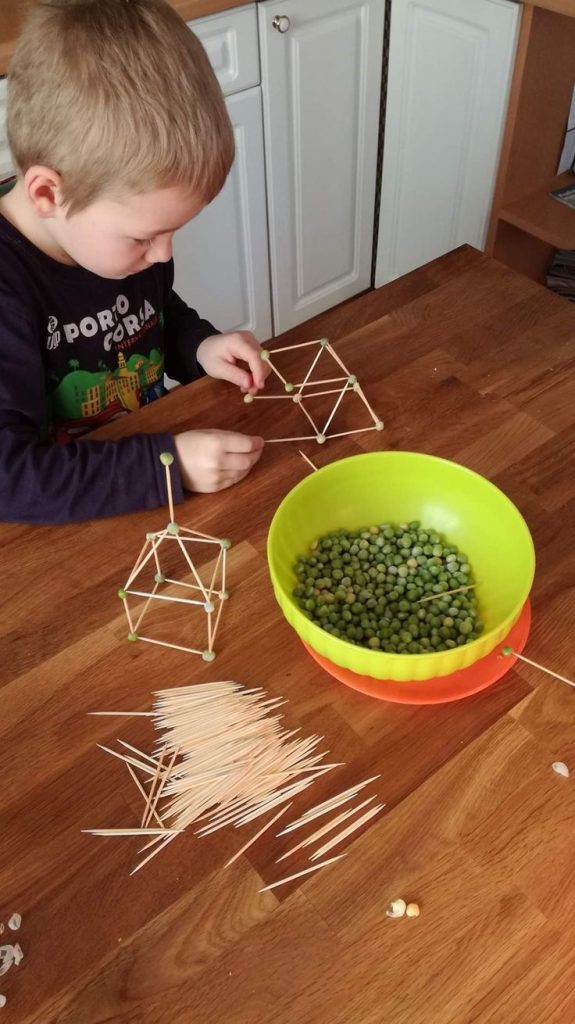
20.Architect & Builder: Unleash your kids’ creativity by planning and constructing buildings using LEGO blocks or other materials. Encourage them to explain the design process along the way.

Try It Now: Pass Your Colleague a Note

In today’s fast-paced and tech-savvy world, communication among colleagues has dramatically advanced as we’ve shifted to emails, instant messaging services, video calls, and productivity apps. However, there’s still something alluring about the age-old tradition of passing notes – especially in the workplace.

If you’ve never considered passing a note to a colleague (or haven’t done it in years), read on. Here’s why you should give it a shot, plus some tips for crafting the perfect note-passing experience.

# Reconnect with the Basics

As mentioned earlier, modern technology has simplified our lives and increased efficiency at work. However, these advancements can sometimes come at the expense of human connection. By passing a handwritten note to a colleague, you can reestablish rapport with them in an intimate and thoughtful way.

A physical note has texture and penmanship, which are personal touches that digital communication often lacks. It can be refreshing to receive or pass along written words rather than staring at another screen filled with typefaces and emojis.

# Make it Fun

Passing a note to your colleague can be both productive and entertaining. Think of it like a brief intermission from the chaotic digital world. Amidst mundane work routines or endless meetings, imagine the excitement your coworker may feel if they receive an unexpected note from you.

Jot down lighthearted jokes, comics, or funny anecdotes that can brighten their day or create inside jokes within your team. Laughter is known for increasing job satisfaction and strengthening teamwork, so embrace this opportunity to foster camaraderie within your workplace by keeping things fun and engaging.

# Provide Specific Details

While playful banter may engage coworkers well, passing notes could also serve as an effective means for providing specific feedback or details regarding tasks. Thoughtfully-written notes with constructive information allow recipients to absorb said content at their own pace, minimizing miscommunication.

This approach can be especially useful in large meetings or brainstorming sessions where people might feel shy to speak up. Passing a note is a discreet way of sharing ideas without necessarily drawing attention to oneself.

# Be Mindful and Respectful

Regardless of how fun or helpful note-passing can be, remember to be mindful of both content and timing. Be sure to respect your coworkers’ personal boundaries by sticking to work-related subjects or light humor. Avoid sensitive topics that may potentially offend or upset someone.

Moreover, choose appropriate moments for passing notes. It’s essential to stay respectful during critical discussions or when someone is presenting information. Unnecessary interruptions in such situations might hurt your professional reputation.

# Conclusion

Passing notes might seem like an outdated method of communication, but it still has the potential to provide valuable experiences. It promotes authentic human connection in the workplace and reinvigorates team dynamics through light-hearted interactions. So, why not try it out? Write that note with purpose and pass it on to a deserving colleague today.

Why Canva is the Best Learning Tool for Education

Introduction

In today’s digital age, educational tools play a significant role in enhancing the learning experience for both students and educators. Among the plethora of e-learning tools available, Canva has emerged as the go-to platform for educators and students alike. This article explores why Canva is the best learning tool for education, taking into consideration its user-friendly interface, extensive resources, and versatility that cater to diverse teaching styles and learners’ needs.

1.User-friendly Interface

Canva’s intuitive user interface makes it incredibly easy to navigate and create customized designs. The drag-and-drop functionality ensures that anyone, regardless of their graphic design experience, can utilize Canva to create visually appealing educational materials in just a few minutes. This ease of use enables educators to focus on tailoring content based on their students’ needs rather than grappling with complicated design software.

2.Extensive Library of Resources

Canva boasts an extensive library of millions of images, fonts, templates, illustrations, and other elements that cater to various subjects and grade levels. The accessibility of these resources allows educators to incorporate visual aids seamlessly into their lesson plans or presentations. Furthermore, these customizable resources make it easier for educators to diversify their content and maintain students’ interest throughout the semester.

3.Collaborative Features

Canva encourages collaboration among teachers and students by providing features such as team folders and live editing. Educators can easily share Canva pages or projects with their peers or students through a simple link or by inviting them to join their workspace.

4.Versatility

The versatility of Canva makes it a valuable resource across different subjects and grade levels. Whether you’re creating lesson plans for math, science, history, or English language arts (ELA), Canva has tailor-made templates and elements that cater to specific educational domains. Educators can customize these templates according to specific learning objectives, making it an all-encompassing platform to support various curricula.

5.Accessibility and Compatibility

As a cloud-based platform, Canva enables users to access their work from any device with internet access. This feature ensures that educators can easily update their lesson plans and other materials on-the-go or share them with students in real-time, creating a seamless experience.

Conclusion

In conclusion, Canva’s user-friendliness, extensive library of resources, collaborative features, versatility, and accessibility make it the best learning tool for education. By incorporating Canva into the educational experience, both educators and students can benefit from a more engaging, visually appealing platform that fosters creativity and collaboration.

Grit Ladders: Setting Low Achievers on the Path to Success

Introduction

Success is often associated with intelligence, talent, and resources. However, there are numerous cases where individuals with seemingly less potential have outperformed their higher-achieving peers. The missing key that unlocks this potential is “grit” – the perseverance and passion needed to attain long-term goals. By incorporating the concept of grit ladders, we can help low achievers find their path to success.

Understanding Grit

Grit is a combination of determination, resilience, and the ability to maintain focus on a goal even in the face of setbacks and difficulties. It differs from intelligence or talent because it focuses on an individual’s internal drive to succeed, rather than their innate abilities or existing knowledge. Studies have shown that grittier individuals are more likely to achieve success in various aspects of life – from education and career advancement to overcoming personal challenges.

The Importance of Grit Ladders for Low Achievers

Low achievers often encounter negative stereotypes and a lack of belief in their capabilities. This mindset can result in them failing to see themselves as capable or worthy of success – ultimately leading them into cycles of underperformance and low self-esteem. Grit ladders provide a framework that encourages growth by scaffolding smaller achievements into larger ones gradually. This incremental approach enables low achievers to overcome obstacles they once considered insurmountable by breaking them down into manageable steps.

Creating Grit Ladders: A Practical Approach

1. Set manageable yet challenging goals: Help low achievers identify specific objectives they wish to work toward gradually. These goals should be attainable but still require effort and dedication.

2. Identify the steps: Break each objective down into manageable sub-tasks or milestones that can serve as stepping stones towards the ultimate goal.

3. Focus on incremental progress: Encourage ongoing development by celebrating each step completed along the way, no matter how small.

4. Provide a supportive environment: Encourage open communication and offer guidance, reassurance, and emotional support throughout the process. This helps to build a growth mindset and cultivates resilience when faced with setbacks.

5. Foster passion and interests: Encouraging the individual to seek out activities they find meaningful and enjoyable can strengthen their grit, allowing them to pursue their goals with increased enthusiasm.

6. Reflect and adjust: Regularly evaluate progress, analyze what worked well, and identify areas for improvement. This enables low achievers to learn from their victories and setbacks, ultimately enhancing their overall approach to reaching their objectives.

Conclusion

Grit ladders offer a valuable approach to helping low achievers overcome barriers to success. By adjusting expectations, breaking down goals into achievable steps, and providing ongoing support, we can create an atmosphere that cultivates growth for those with untapped potential. Not only does this help these individuals acquire a sense of accomplishment, but it also paves the way for them to develop essential life skills such as perseverance and resilience – crucial components for thriving in today’s fast-paced world.

Enrichment Activity: Primary to Secondary Transition

Introduction

The transition from primary to secondary education is a critical phase in a student’s academic journey. This period presents an opportunity for learners to grow and develop as they progress from one stage to another. Enrichment activities offer an ideal approach in facilitating smooth adaptations into new learning environments, providing students with a well-rounded educational experience.

In this article, we will explore the concept of enrichment activities and examine how they can effectively support students during their primary to secondary transition.

What are Enrichment Activities?

Enrichment activities are extracurricular programs designed to complement and expand upon the standard curriculum. These activities promote holistic development by enhancing cognitive, social, emotional, and physical skills. By participating in enrichment activities, students can explore their interests, develop their talents, and cultivate essential soft skills required for success in the 21st-century workforce.

Benefits of Enrichment Activities during Primary to Secondary Transition

1.Boosting Self-confidence: As students advance from primary to secondary education, they often face challenges such as increased academic expectations and peer pressure. Enrichment activities provide opportunities for students to conquer personal challenges and grow their self-confidence.

2.Enhancing Social Skills: Students entering secondary school need to forge new friendships and adjust to new social dynamics. Enrichment programs encourage teamwork, collaboration, and communication—essential tools for building positive peer relationships.

3.Nurturing Emotional Well-being: The primary-secondary transition can bring about emotional stress; thus, it is vital that students receive mental health support during this pivotal period of their lives. Enrichment activities like mindfulness exercises or stress-relief workshops can help students manage their emotions effectively.

4.Expanding Academic Horizons: Enrichment activities inspire curiosity, creativity, and innovative thinking among young learners—qualities that enhance their academic achievements. Through practical experiences or project-based learning, students can explore and understand topics beyond the classroom.

5.Fostering a Sense of Belonging: Participation in clubs, groups, or societies fosters a spirit of camaraderie among students, which in turn contributes to a healthy learning environment. Students’ sense of belonging increases as they bond with peers who share common interests.

Examples of Enrichment Activities

1.Clubs and Societies: From academic societies to cultural groups and sports clubs, these organizations serve as platforms for students to develop their skills and pursue their passions.

2.Art, Drama, and Music Programs: These activities encourage creative expression and build self-confidence while enhancing critical-thinking abilities.

3.Community Service Projects: Volunteering opportunities enable students to develop empathy and make a positive impact on their communities.

4.Field Trips and Workshops: Educational trips provide hands-on learning opportunities, while workshops expose students to practical skills essential in today’s world.

5.Mentorship Programs: Engaging with mentors from diverse fields enables students to receive guidance, support, and career insights.

Conclusion

Easing the transition from primary to secondary education is crucial for students’ success both academically and personally. Enrichment activities not only supplement classroom learning but also promote holistic development by addressing specific needs that arise during this transition period. By integrating enrichment activities into the educational system, schools can ensure that their students enjoy well-rounded experiences that set them up for lasting success.

5 Tips to a School Newsletter That People Look Forward to Reading

Introduction:

A school newsletter is an essential tool for keeping the school community informed and engaged. However, crafting a newsletter that people genuinely look forward to reading can be a challenge. To help you create an exciting and informative school newsletter, here are five practical and useful tips.

1. Know Your Audience and Set Goals

Understanding your target audience is the first step in creating a compelling school newsletter. Are you targeting parents, students, teachers, or all three groups? Knowing who will read your newsletter will help you define your goals and tailor the content to suit their interests. Your goals may be to inform, entertain, educate, or create a sense of community.

2. Provide Valuable Content

To make your newsletter engaging, focus on providing content that adds value to the reader’s life. Some examples include updates on school events, student achievements or awards, informative articles about education trends or parenting topics, class schedules or announcements of upcoming activities. Including high-quality images and graphics can also make your newsletter visually appealing.

3. Keep It Simple and Organized

A well-structured and easy-to-read newsletter will encourage more engagement from your audience. Make use of headings, subheadings, bullet points and numbered lists to make content easily digestible. Break lengthy articles into shorter sections with engaging headlines to maintain the reader’s attention. Keep your sentences short and concise while using clear language that everyone can understand.

4. Encourage Participation from All Members

Involve students, teachers, and parents in the creation process of the newsletter for a more relatable experience. Feature interviews with students or teachers about their accomplishments or personal projects. Share stories or testimonies from parents on how they overcame challenges in their child’s education journey. Including multiple perspectives helps build trust and fosters a sense of community.

5. Maintain Consistency

To keep your audience engaged, establish a consistent publishing schedule for your newsletter. Whether it’s weekly, bi-weekly, or monthly, consistency will help your readers know when to expect new content and look forward to reading it. Similarly, maintain a consistent visual layout and tone throughout each issue to create familiarity and strengthen your newsletter’s identity.

Conclusion:

Creating an engaging school newsletter may require time and effort, but the benefits are worth it. By knowing your audience, providing valuable content, keeping your layout simple and organized, encouraging participation from everyone in the community, and maintaining consistency, you can develop a newsletter that people truly look forward to reading. Happy writing!

Why We Need to Redefine Success for Students

It’s high time we reevaluated the way society measures student success. For far too long, the primary indicators of success for students have been grades, standardized test scores, and acceptance into prestigious colleges or universities. Although these achievements are commendable, they do not holistically represent the abilities and talents of our young people. There is a growing need to redefine success for students in a way that acknowledges their creativity, problem-solving skills, resilience, grit, soft skills, and overall personal growth.

The Limitations of Traditional Success Metrics

Traditional metrics of success like grades and test scores only capture a snapshot of a student’s understanding of a specific subject or concepts at a particular moment in their educational journey. As such, standardized assessments cannot adequately measure critical thinking, collaboration, or creativity – all vital skills required for succeeding in today’s rapidly evolving job market.

Constantly striving for the highest grades also cultivates an atmosphere of ruthless competition among students, leading to extreme stress and deteriorating mental health. Moreover, young people who don’t excel in exams often face social stigma and can experience self-esteem issues caused by being labeled as “underachievers” or “failures.” To foster healthy learner development, we need to provide students with diverse avenues for showcasing their competencies and passions.

A Wider Definition of Success

To redefine success and paint a more comprehensive picture of student achievement, here are some indicators that should be taken into consideration:

1. Creativity: This includes the ability to think outside the box and devise novel solutions to complex problems. Schools should encourage students to use their imagination and creativity in course projects or extracurricular activities.

2. Problem-solving: Proficiency in identifying problems, analyzing data or information, designing strategic plans, and executing them effectively is indispensable in any field. Opportunities can be provided through group projects where students need to collaboratively tackle real-world challenges.

3. Emotional Intelligence: This encompasses qualities such as empathy, interpersonal skills, and self-awareness – all essential components of successful personal and professional relationships. Programs dedicated to developing these skills in students should be incorporated into school curriculums.

4. Grit and Resilience: Learning to face setbacks, adapt to change, and bounce back stronger is vital for long-term success. Students who demonstrate grit and resilience in their academic journey should be recognized and celebrated for their courage and determination.

5. Collaboration: In our increasingly interconnected world, teamwork is crucial to accomplish common goals effectively. By offering students various opportunities to collaborate on group assignments, presentations, or volunteer work, they can develop essential team-building skills.

6. Community Involvement: Contributing to the community instills a sense of civic responsibility, compassion, and social awareness among students. Engaging in volunteer work or community service projects can be a significant indicator of success.

A Holistic Approach Going Forward

Redefining success for students involves dismantling the primacy of traditional performance measures while embracing multiple new indicators centred around holistic development. It’s time educators actively work towards incorporating all these facets into curricular and extracurricular decisions to create an environment that fosters the comprehensive growth of every student. By doing so, we can empower the upcoming generation with abilities and values that not only enable individual accomplishments but also contribute meaningfully to society as a whole.

Happy #FeetUpFriday: Our Favorite Teacher Links This Week

It’s that time of the week again, where teachers around the world are looking forward to kicking off their shoes and relaxing with a well-deserved break. #FeetUpFriday is here, and we’re celebrating by sharing our favorite teacher-related links this week. From inspiring stories to helpful resources, these articles are just what you need to get into a great #FeetUpFriday mood!

1. 10 Inspiring TED Talks for Teachers

There’s nothing quite like listening to an inspiring TED talk to get us feeling motivated and ready to tackle new challenges. This list of 10 incredible talks from educators and thought leaders is bound to inspire any teacher. Topics include building relationships, fostering creativity, and empowering students. Watch them all here: [LINK]

2. Classroom Management Tips from Seasoned Teachers

Every teacher knows that effective classroom management can make or break a learning environment. In this article, experienced teachers share their tried-and-tested techniques for creating a respectful and organized classroom. Read on for expert advice that you can put into practice today: [LINK]

3. How Music Can Improve Your Students’ Learning Experience

Did you know that incorporating music into your lessons can have a major impact on student engagement and learning outcomes? This fascinating piece explores the benefits of music in the classroom and provides practical tips on how to use songs and melodies as teaching tools. Discover the power of music in education here: [LINK]

4. Five Creative Writing Prompts for Your Classroom

Encouraging students to write creatively can be challenging – especially if they’re struggling with writer’s block or limited by their own experiences. These five engaging writing prompts will spark imagination in your classroom, helping students develop their storytelling skills while having fun in the process. Check out these ideas now: [LINK]

5. Teacher Appreciation: Stories of Gratitude from Students

We all know that teachers have a lasting impact on the lives of their students, but it’s always heartwarming to read about these transformations firsthand. This collection of thank-you letters from students to their former teachers highlights the profound difference that educators can make. Grab some tissues and prepare to be reminded of why you love your job: [LINK]

As you kick back and relax this #FeetUpFriday, take a moment to browse through these articles and consider how you might apply some of these ideas or resources into your own teaching practice. The world of education is continually changing, and staying informed and inspired is essential for any successful teacher. Happy reading!

30 Jack and the Beanstalk Activities for Preschool

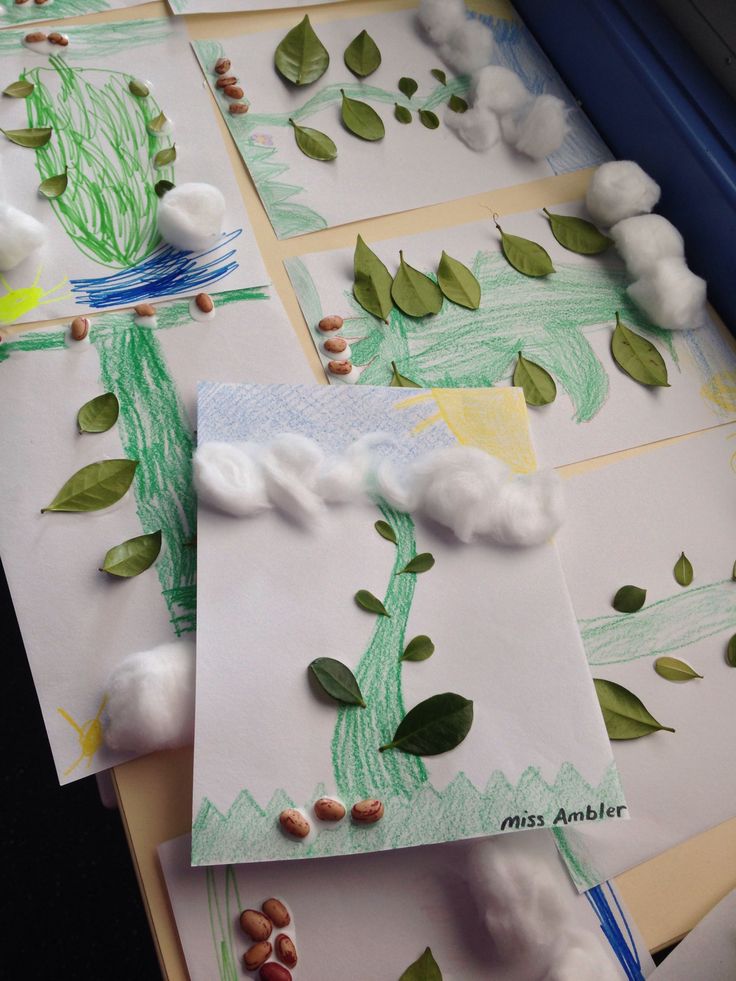
1.Bean Planting: Teach children how to plant beans and watch them grow, just like in the story.

2.Story Retelling: Have children use puppets or figurines to retell the story of Jack and the Beanstalk.

3.Dramatic Play: Encourage children to dress up as characters from the story and act out their favorite scenes.

4.Magic Bean Sorting: Provide different types of beans for children to sort and count by color, size, or shape.

5.Bean Mosaics: Using glue and dried beans, have children create images or patterns inspired by the Jack and the Beanstalk story.

6.Giant’s Footprint Tracing: Prepare large cutouts of a ‘giant’s’ footprints and have children trace them with crayons.

7.Cloud Dough Sensory Play: Make cloud dough for children to play with while discussing the concept of clouds in the story.

8.Sound Effects Exploration: Use various musical instruments or objects to create sound effects that can accompany the story narration.

9.Sequencing Activity: Print out illustrations of key events from the story and have children arrange them in order.

10.Build a Beanstalk: Provide pipe cleaners or craft sticks for kids to create their own beanstalks.

11.Fairy Tale Collages: Help children make collages using images from various fairy tales, including Jack and the Beanstalk.

12.Felt Storyboard: Create a felt storyboard with characters from the story for kids to manipulate and retell the tale.

13.STEM Challenge: Use blocks, bricks, or LEGO pieces to build a sturdy structure representing a giant’s castle.

14.Cooking Activity: Bake ‘giant’ cookies or bread together, discussing size and measuring ingredients as you go.

15.Scavenger Hunt: Hide golden eggs around your play space for kids to find and collect, just like Jack did in the story.

16.Magic Bean Estimation: Fill a jar with beans and have children guess how many are inside.

17.Music and Movement: Sing songs or play games related to the Jack and the Beanstalk tale.

18.Label the Giant: Teach kids about body parts by labeling a giant’s cutout or drawing.

19.Compare and Contrast: Discuss similarities and differences between Jack and the Beanstalk and other fairy tales.

20.Story Writing: Have children create their own version of Jack and the Beanstalk or create a new adventure for Jack.

21.Cow Crafts: Make cow-themed crafts, inspired by Jack’s cow Milky-white.

22.Cloud Art: Use cotton balls or different painting techniques to create cloud artwork.

23.Group Mural: Encourage kids to collaborate on a large mural that tells the story of Jack and the Beanstalk.

24.Snack Time Fun: Make simple treats like ‘magic beans’ (jellybeans) or ‘giant’s popcorn’ to enjoy while discussing the story.

25.Story Journaling: Give children writing prompts related to the story, allowing them to express their thoughts and ideas about it.

26.Measure the Giant: Use rulers or measuring tapes to measure just how tall a giant might be in the classroom or outdoors.

27.Design a Treasure Map: Encourage children to design treasure maps featuring items from the story, such as golden eggs, harp, and hen.

28.Creative Dance: Choreograph a dance inspired by Jack’s adventures up and down the beanstalk.

29.Castle Design Challenge: Have children design their ideal castle using crayons, markers, or craft materials.

30.Thematic Book Display: Set up a book display with various fairy tales, encouraging children to explore other classic stories similar to Jack