EdTech & Innovation

This Teacher is Transforming Her Neighborhood and School with Books, Food, and Bikes

Every so often, we come across tales of remarkable individuals whose passion for their community and positive change have a profound impact. One such story is that of a dedicated teacher who has taken it upon herself to transform her neighborhood and school by integrating books, food, and bikes.

Jane Smith, a seasoned educator in a suburban community, has embarked on an ambitious journey to sow the seeds of literacy, well-being, and environmental consciousness amongst her students and residents alike. Fueled by the desire to make a tangible difference, Jane employs three critical tools – books, food, and bikes – which would not only provide intellectual stimulus but also promote wellness and a greener lifestyle.

The seed for Jane’s brainchild was sown when she realized that many of her students lacked access to quality reading materials at home. To address this gap, she launched a unique initiative called “Books on Wheels.” As part of this program, Jane mobilizes her resources to collect used books from within the community and disseminates them among needy students using her trusty bicycle. Her enthusiasm for cycling serves as an inspiration for others to adopt this environment-friendly mode of transportation.

Determined to make comprehensive changes in her community, Jane expanded her focus to encompass food security and nutrition. After identifying underprivileged families struggling with access to essential groceries, she established the “Powered by Veggies” campaign. Collaborating with local farmers and volunteers, Jane now provides fresh fruits and vegetables free of charge to these families twice a month.

Moreover, Jane invested time in organizing culinary workshops at her school where children are taught how to cook healthy meals. These sessions not only equip the students with practical skills but also encourage them to develop good eating habits early in life.

Having addressed both literary enrichment and physical nourishment aspects within her community, Jane set her sights on incorporating the third essential element – exercise. Creating the “Pedal & Empower” program, she has now inspired many of her students to ride bikes instead of relying on motor vehicles for mundane tasks. The fact that this initiative helps to nurture a greener environment while promoting physical well-being makes it even more valuable.

Slowly but steadily, Jane’s persistence and hard work have transformed her school and neighborhood into a hub of learning, nutritious living, and eco-consciousness. Her relentless pursuit of change represents an eternal beam of hope that one person can indeed inspire an entire community to thrive together, proving once again that nothing is impossible if we have the determination and faith to take that first step.

Free Nonfiction Reading Lessons

Introduction:

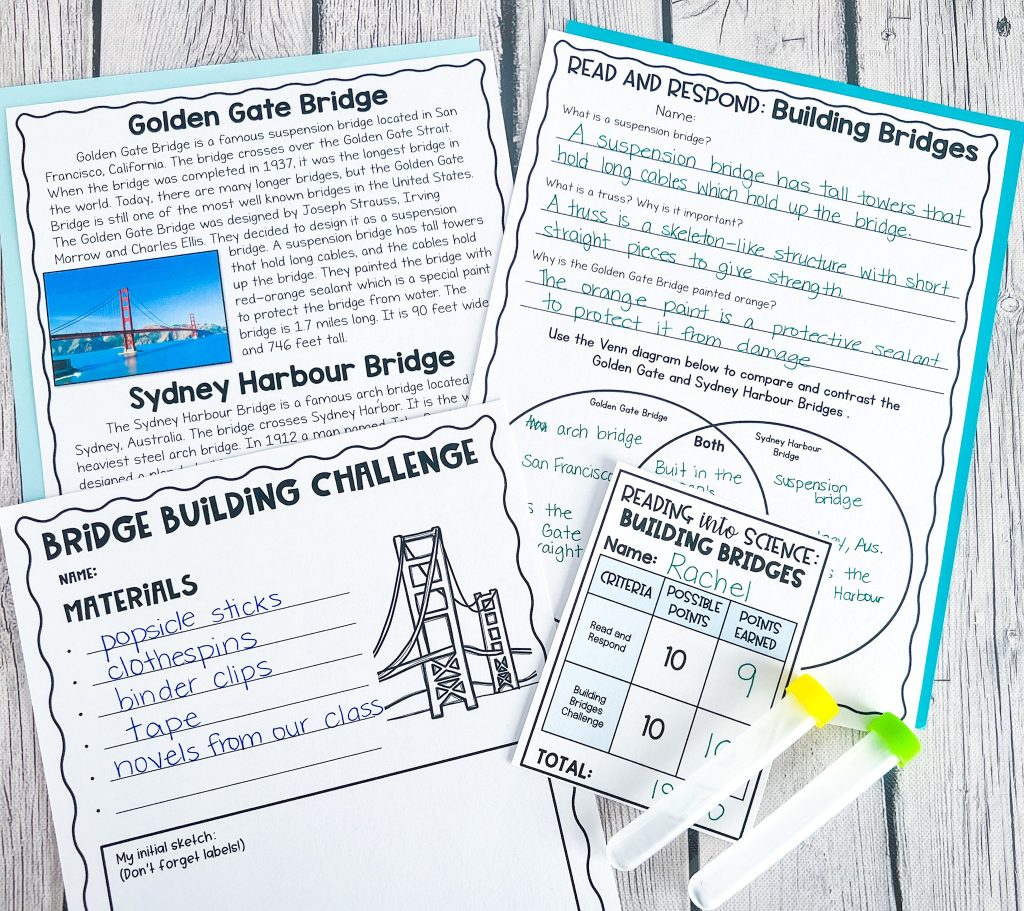
As educators, we often strive to create an environment where curiosity reigns supreme, and the desire to learn is self-motivated. One way we can do this is through exposing students to free nonfiction reading lessons. Nonfiction text presents readers with factual information, helping them to become informed and knowledgeable about the world around them. In this article, we’ll explore the benefits of utilizing free nonfiction reading lessons in the classroom and discuss some resources where you can find engaging content for your students.

Benefits:

1. Enhance Critical Thinking Skills: By engaging with nonfiction texts, students are challenged to think critically about the content presented. They must separate facts from opinions, determine credibility of sources, and discern underlying themes or biases.

2. Expand Vocabulary: Nonfiction texts generally contain a wealth of domain-specific vocabulary that can enhance a student’s expressive and receptive language skills.

3. Develop Research and Analytical Abilities: The nature of nonfiction content often necessitates research or further investigation into topics. This not only spurs on continued learning but also helps to develop valuable skills like evaluating evidence and drawing conclusions.

4. Foster Real-World Connections: As nonfiction texts are rooted in reality, they carry real-world implications. Making connections between the text and their own lives can help students perceive knowledge as relevant and applicable beyond the classroom.

5. Encourage Curiosity: When students feel empowered by knowledge, they’re more likely to pursue their interests and engage in self-directed learning.

Resources for Free Nonfiction Reading Lessons:

There are several reputable resources available for educators seeking high-quality nonfiction reading materials for their classrooms:

1. ReadWorks (https://www.readworks.org/): Readworks offers a vast selection of grade-appropriate nonfiction articles across numerous subject areas such as science, history, and current events. They also provide question sets and vocabulary activities to accompany each article.

2. Newsela (https://newsela.com/): Newsela provides news articles that have been adapted to various reading levels, allowing the same content to be accessible for readers of different abilities. The site also includes quizzes for comprehension assessment, making it an excellent resource for differentiation in the classroom.

3. CommonLit (https://www.commonlit.org/): CommonLit is another valuable resource for educators, offering a variety of nonfiction texts, including contemporary and historical articles, primary source documents, and scientific articles. Accompanying each text are text-dependent questions and supplementary materials to facilitate critical thinking.

4. National Geographic Kids (https://kids.nationalgeographic.com/): National Geographic Kids offers engaging articles on a wide range of topics such as animals, geography, and history; perfect for sparking curiosity in younger students. The website also contains multimedia resources like videos and interactive maps to enhance the learning experience.

Conclusion:

Free nonfiction reading lessons not only provide students with rich content, but they also help to develop essential 21st-century skills such as critical thinking, research abilities, and real-world connections. By incorporating nonfiction texts into your classroom curriculum, you’ll be cultivating well-rounded learners who are eager to explore the world around them.

5 Ways to Make BYOD Work For You

Introduction:

In today’s ever-evolving digital landscape, companies are continuously looking for ways to improve productivity and reduce costs. One such strategy that has proven to be successful is the implementation of Bring Your Own Device (BYOD) policies within the workplace. BYOD allows employees to use their personal devices for work purposes, thus increasing employee satisfaction and reducing overhead costs for businesses. However, there are challenges and risks associated with this approach. In this article, we will explore five ways companies can make BYOD work for them, ensuring a seamless integration and a secure working environment.

1. Develop a Comprehensive BYOD Policy

The first step in implementing a successful BYOD program is developing a comprehensive policy that clearly outlines expectations, responsibilities, and compliance requirements. The policy should address topics such as acceptable use, device eligibility, security measures (like device encryption and password requirements), app restrictions, and data management.

2. Ensure Robust Security Measures

Security is a top concern when it comes to BYOD, as personal devices may not always have the same level of protection as corporate-owned devices. Companies should focus on implementing robust security measures such as mobile device management (MDM) or enterprise mobility management (EMM) solutions to protect their data and minimize the risk of cyberattacks or data breaches.

3. Provide Adequate Technical Support

As employees bring their own devices into the workplace, IT departments must adjust their support system accordingly. This includes providing technical support to manage an array of different devices, operating systems, and software applications. Proper training should also be provided to IT staff teams so they can efficiently troubleshoot issues across various platforms.

4. Establish Clear Expectations Regarding Performance and Work-Life Balance

One potential downside of BYOD policies is that employees may feel like they are constantly on call since their personal devices are being used for business purposes. However, this issue can be addressed by setting clear expectations regarding performance, availability, and the importance of maintaining a healthy work-life balance. Managers should ensure they communicate these expectations to employees regularly.

5. Monitor and Assess the BYOD Policy Regularly

Lastly, BYOD policies should be continually monitored and assessed to ensure effectiveness and identify any areas for improvement. Companies should stay updated on evolving technologies, security threats, and best practices related to BYOD so that they can adapt their policies as needed to maintain a successful program.

Conclusion:

When implemented correctly, a BYOD policy can improve employee satisfaction and significantly reduce costs for businesses. By developing a comprehensive policy that addresses security concerns, providing technical support, setting clear expectations, and continually monitoring the policy’s effectiveness, companies can make BYOD work for them while minimizing risks and creating a productive workplace environment.

Explore, Play, and Learn This Year With Wonder Workshop

As you venture into the new year, it’s essential to prioritize growth, discovery, and fun. Wonder Workshop offers a unique opportunity to nurture curiosity and creativity in children through a combination of engaging STEM activities and exciting learning experiences. Embrace this chance to explore, play and learn with your kids!

Unleashing Creativity with Wonder Workshop

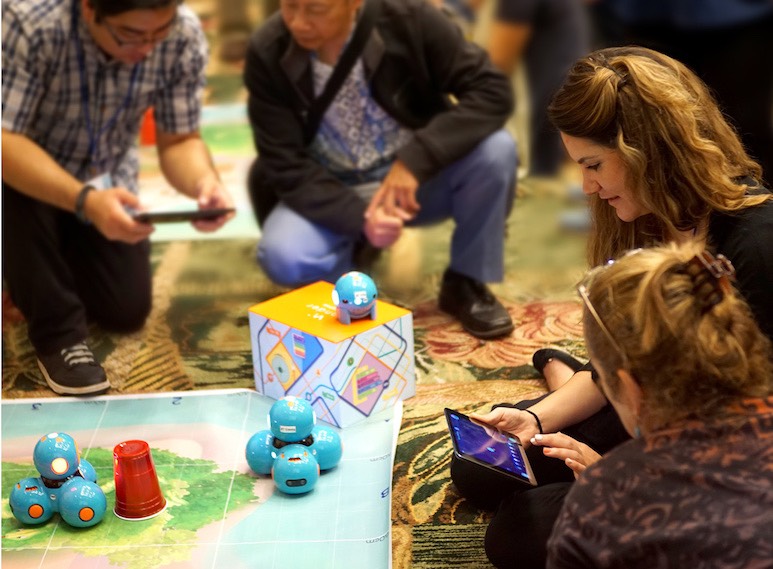
Wonder Workshop understands the importance of stimulating young minds through active learning. The company creates interactive robots and learning resources that help foster creative thinking, problem-solving, and collaboration among children. With cutting-edge technology and age-appropriate activities, kids will embark on an educational adventure like never before.

Meet the Wonder Workshop Robots

Wonder Workshop offers a range of delightful robot companions to help bring STEM concepts to life for children. Here are just a few you can explore with your child:

1. Dash: With multiple sensors and abilities, Dash encourages hands-on exploration. It enables children to learn about coding by programming the robot’s movements, sounds, and lights.

2. Dot: A compact robot with endless possibilities! Dot sets the stage for exciting storytelling projects that promote creativity and imagination using modular accessories.

3. Cue: An advanced robot designed for more mature learners. Cue challenges older kids to delve deeper into robotics and programming through its dynamic capabilities.

Transformative Learning Experiences

The power of Wonder Workshop lies in its ability to combine coding lessons with interactive robot companions. As children program their robots to complete various tasks or respond to voice commands, they develop vital problem-solving skills and enhance their understanding of STEM concepts.

Additionally, Wonder Workshop integrates seamlessly into existing curriculums by offering cross-curricular connections across art, science, language arts, mathematics, physical education, and more.

A Platform for Educators

Wonder Workshop is not just for home use – it’s an incredible resource for educators too! The company’s Class Connect platform enables teachers to track student progress, offer personalized feedback, and assess learning outcomes. With a wealth of curriculum materials and lesson plans available for all grade levels, educators can efficiently integrate Wonder Workshop into their classrooms.

Get Involved with the Wonder League

The Wonder League is a global community of budding young coders, educators, and parents passionate about innovation and learning. Participate in annual competitions like the Wonder League Robotics Competition to gain access to exclusive resources, unique challenges, and exciting prizes.

Embark on Your Wonder Workshop Adventure!

This year, don’t miss the opportunity to spark curiosity in your children with a captivating fusion of technology, creativity, and play. Explore the fascinating world of robotics together, create heartwarming memories, and foster a lifelong love for learning through the wonders of Wonder Workshop.

Overcoming Classroom Apathy: 20 Dynamic Tips To Engage Students

Introduction:

Apathy, or the lack of enthusiasm and interest among students, is a common issue faced by educators worldwide. Overcoming classroom apathy is an essential step to create an engaging and interactive learning environment. Here are 20 dynamic tips to help reduce apathy and encourage student participation.

1.Set clear expectations: Establish rules and guidelines so that students know what is expected of them right from the beginning.

2.Build relationships: Develop a personal connection with your students to foster trust, understanding, and respect.

3.Encourage teamwork: Promote group activities that encourage collaboration, communication, and problem-solving skills.

4.Use real-world examples: Relate subject matter to real-world scenarios to demonstrate relevance and spark interest.

5.Gamify learning: Introduce elements of play, competition, and rewards in lesson plans to make learning more engaging.

6.Offer choice: Allow students to choose topics or projects they are passionate about, increasing their motivation to learn.

7.Encourage questions: Foster a classroom environment where students feel comfortable and open to asking questions.

8.Provide timely feedback: Offer constructive feedback on assignments promptly, guiding students on how they can improve their work.

9.Utilize technology: Leverage digital tools like educational apps or video resources to support and enhance learning experiences.

10,Vary teaching methods: Employ different instructional techniques such as lecturing, discussions, and hands-on activities to cater to different learning styles.

11.Create a positive environment: Encourage open communication, embrace diversity, and promote positivity in the classroom.

12.Teach with passion: Demonstrate enthusiasm for the subject material as it will likely inspire your students to reciprocate the earnestness.

13.Incorporate storytelling: Use anecdotes and stories related to your subject matter as an engaging teaching tool that keeps students connected.

14.Break down lessons: Divide information into smaller, digestible chunks that are easier for students to process.

15.Encourage active learning: Engage students through interactive activities that involve critical thinking, problem-solving, and reflection.

16.Utilize group work: Formulate assignments in a way to encourage group discussions, collaboration, and peer instruction.

17.Set realistic goals: Establish attainable learning objectives that offer opportunities for growth and improvement.

18.Challenge students: Inspire students to challenge their limits through rigorous coursework tailored to their capabilities.

19.Monitor progress: Maintain regular checkpoints to assess and recognize individual progress among your students.

20.Celebrate success: Praise achievements, both large and small, to boost morale and encourage perseverance in learning goals.

Conclusion:

Overcoming classroom apathy is no easy feat, but with these 20 dynamic tips, educators can create an engaging environment that encourages active student participation and enhances the overall learning experience. Remember that every student is unique; therefore, a combination of various strategies might be necessary in fostering a sense of curiosity and passion for learning in each one of them.


10 Best Portable Voice Amplifiers for Teachers

As a teacher, it’s essential to communicate effectively with your students. A reliable and high-quality portable voice amplifier can be a game-changer. With the right tool by your side, you don’t have to strain your vocal cords or worry about students not hearing you. In this article, we’ve compiled a list of the 10 best portable voice amplifiers for teachers that will help you project your voice clearly and confidently.

1.WinBridge S92 Pro:

WinBridge S92 Pro is a leading choice among teachers because of its powerful sound amplification, long-lasting battery life, and compact design. With a maximum output power of 25-watts, this device can cover areas up to 2600 m².

2.Giecy Voice Amplifier:

Giecy’s impressive 30W power output makes it perfect for teachers who need to project their voices in large classrooms or lecture halls. The device boasts an ultra-light design and comes with an adjustable waistband.

3.SHIDU Voice Amplifier:

This versatile device offers a stylish design with five different color options. It features an easy-to-navigate control panel and a powerful 25W speaker that delivers clear and crisp audio at all volume levels.

4.Zoweetek Portable Rechargeable Mini Voice Amplifier:

Zoweetek’s mini amplifier is both compact and lightweight, making it perfect for teachers on the go. It packs 10-watt audio output power and offers a battery life of up to 15 hours per charge.

5.Croove Rechargeable Voice Amplifier:

Croove’s rechargeable voice amplifier features excellent sound quality with minimal distortion and feedback, making it ideal for teaching in various environments. It comes with USB charging capabilities and an auxiliary port for music playback.

6.M800 from MAONO:

M800 is an attractive option because of its MP3 player compatibility, SD card slot, and a responsive microphone. This 20W amplifier can last up to 12 hours when fully charged and provides crystal-clear audio output.

7.DuaFire Voice Amplifier:

DuaFire offers an easy-to-use interface, MP3 playback capabilities, and dedicated volume controls for adjusting the input sound. With a 10-watt speaker, the device can serve large classrooms while maintaining excellent audio quality.

8.VoiceBooster by TK Products:

Teachers looking for a water-resistant voice amplifier should consider VoiceBooster by TK Products. It’s designed to withstand sweat and light rain and delivers 20-watt audio power for clear sound projection.

9.Behringer Europort MPA40BT-PRO:

This portable amplifier is perfect for teachers who also require musical accompaniment in their lessons. The device comes with built-in Bluetooth compatibility, allowing you to stream music or cater to multimedia presentations with ease.

10.FIFINE K037B Wireless Microphone System:

FIFINE’s wireless microphone system eliminates the need for cords while providing high-quality sound amplification. The device comes with a sturdy design and user-friendly features like rechargeable batteries and adjustable volume control.

Investing in the right portable voice amplifier can make your teaching experience more enjoyable and less strenuous on your vocal cords. We hope this list of the 10 best portable voice amplifiers for teachers helps you find the perfect device that meets your specific needs and requirements.

13 Hands-On Activities Inspired By Maslow’s Hierarchy Of Needs

Introduction

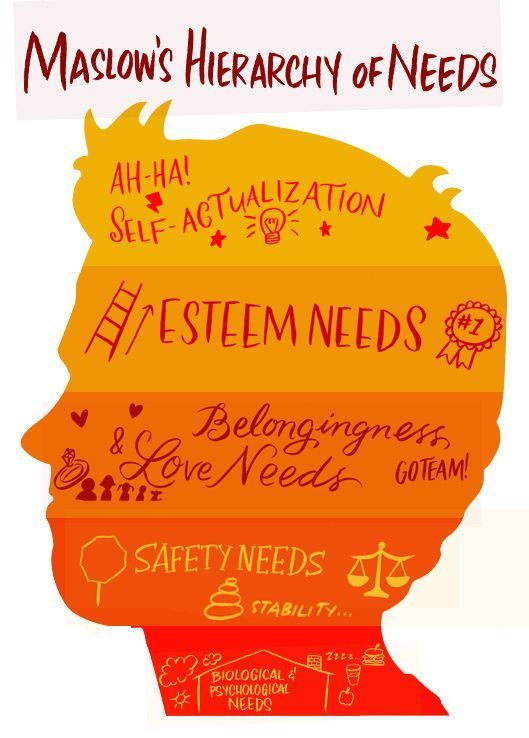
Maslow’s Hierarchy of Needs is a psychological theory proposed by Abraham Maslow in 1943. It comprises a five-tier model of human needs, often depicted as hierarchical levels within a pyramid. These needs range from the most basic (physiological) to the highest (self-actualization), and the theory emphasizes that individuals must fulfill lower-level needs before addressing higher-level ones. To make learning about Maslow’s Hierarchy of Needs engaging and memorable, we have compiled 13 hands-on activities that can be employed in educational environments.

1.Physiological Needs: Breathing Exercise

Explore the importance of physiological needs by having participants practice deep breathing exercises. This activity will demonstrate the significance of a fundamental need – breathing – and how it impacts our overall well-being.

2.Safety Needs: Trust Walk

Organize trust walks to emphasize the importance of feeling safe and secure. Blindfolded participants will rely on a partner to guide them through an obstacle course, highlighting trust and safety as essential aspects of human fulfillment.

3.Love and Belonging: Team-Building Games

Encourage team-building activities like scavenger hunts or cooperative games to represent the emotional bonds people crave with others.

4.Esteem Needs: Celebrating Accomplishments

Have each person write down one personal accomplishment on a sticky note. Create an “esteem board” where participants can post their notes, allowing everyone to celebrate their achievements together.

5.Self-Actualization: Vision Boards

Set up a vision board creation session to inspire personal growth. Participants can create collages that represent their values, aspirations, or goals, fueling conversations about self-actualization.

6.Pyramid Building Challenge

Divide participants into groups and provide them with materials to build pyramid-shaped structures representing Maslow’s hierarchy. The activity becomes an interactive way to teach the theory, as each level must be strong and stable for the pyramid to remain upright.

7.Pin the Need on the Hierarchy

Create a poster-sized version of Maslow’s hierarchy, and have participants attempt to place different human needs on the correct levels while blindfolded. This activity encourages discussion about our understanding of basic versus higher-order requirements.

8.Physiological Needs: Food and Hydration Tracking

Teach participants to recognize their physiological needs by having them track their food and water intake for a few days. This activity demonstrates how easily we can neglect these essential components of our well-being.

9.Safety Needs: Emergency Preparedness Kit

Organize an emergency preparedness kit-building workshop to emphasize our safety needs, illustrating the importance of being prepared during uncertain times.

10.Love and Belonging: Sharing Life Stories

Have participants pair up and take turns sharing personal life stories with one another, fostering deeper connections and a sense of belonging among the group.

11.Esteem Needs: Skills Showcase

Host an event where participants can showcase a unique skill or talent they possess, celebrating individuals’ strengths and boosting self-esteem.

12.Personal Growth Journaling

Introduce journaling as a method for self-reflection and personal growth. Encourage regular writing practice to support progress towards higher levels in Maslow’s hierarchy.

13.Role-Playing Activities

Assign different roles that represent various positions within society to participants, simulating how others might prioritize their needs differently based on their circumstances.

Conclusion

Engaging in these hands-on activities will help educators and learners understand Maslow’s Hierarchy of Needs in an immersive way. By addressing each level on the hierarchy through interactive exercises, participants will see the importance of meeting basic needs first before moving up the pyramid towards self-actualization, providing valuable insights for personal growth and development

Win Over $30,000 in Prizes, Just for Teachers!

Are you an educator looking for an opportunity to showcase your skills and creativity? Look no more! We have great news for you! An exciting competition tailored exclusively for teachers is here, with over $30,000 in prizes at stake. This is your chance to shine and get rewarded for your passion and dedication to teaching.

The competition aims to identify and reward outstanding teachers who transform the learning experiences of their students through innovative approaches that foster student engagement and success.

How to Enter:

To participate, you need to submit a brief description of an original, creative teaching project or lesson plan that has been successful in engaging students and improving learning outcomes. Include information about the target age group, main objectives, materials used, and methods implemented.

Submissions will be evaluated based on their creativity, potential impact on students’ learning experience, feasibility of implementation in diverse classrooms, and alignment with curriculum standards.

Prizes:

Grand Prize: One outstanding teacher will win a $10,000 cash prize to be used toward continuing education or enriching their classroom resources.

First Runner-Up: Two teachers will each receive a $5,000 cash prize to help support their ongoing professional development or classroom projects.

Second Runner-Up: Four educators will be awarded a prize package worth $2,500 each, containing various educational tools and resources that can enhance the overall quality of their teaching practice.

Honorable Mentions: Ten teachers will be recognized for their exceptional work and will each receive a surprise gift package filled with valuable educational items.

An Expert Panel of judges drawn from varied educational backgrounds will assess all the entries and select the winners based on the established criteria. Winning entries will be announced at an exclusive awards gala held in honor of participating educators and their achievements.

Don’t miss this incredible opportunity to showcase your talents and bring attention to your hard work as a dedicated educator. Enter now for a chance to win big and make a difference in the lives of your students!

Remember, the deadline for submitting your entry is fast approaching. So don’t wait – apply now and join the race for over $30,000 in prizes exclusively for teachers!

Teachers: Educational Travel is for You, Too!

Introduction:

As a teacher, you spend countless hours instilling knowledge and inspiring curiosity in your students. It’s crucial to refresh and rejuvenate your teaching skills to make a significant impact on the minds of future generations. One way to achieve this is through educational travel. This article unveils how educational travel is not only beneficial to students but also a rewarding experience for teachers.

The Benefits of Educational Travel for Teachers:

1. Professional Development Opportunities

Educational travel exposes you to various international teaching methods, which can be integrated into your curriculum. Attending conferences and workshops during these trips will strengthen your teaching abilities by exposing you to new perspectives from global educators.

2. Cultural Exchange

Traveling opens doors to cultural exchange—interacting with local people, understanding their traditions, and appreciating their values helps you broaden your horizons as an educator. This experience can be channeled into the classroom, nurturing a culturally inclusive environment for your students.

3. Networking with Colleagues

Educational trips often include teachers from different schools and backgrounds. These interactions pave the way for interesting discussions about teaching methodologies and ultimately lead to the formation of meaningful connections that can extend beyond the trip.

4. Bringing History to Life

Visiting historical sites and monuments provides a firsthand experience that cannot be replicated in the classroom. By physically being present at these locations, you’ll gain a deeper understanding of world history, making your lessons more engaging and memorable.

5. Rediscovering Your Passion for Teaching

Exploring new locations and absorbing diverse cultures can reignite your love for education while providing unique experiences that can be shared with students later on.

6. Enhancing Global Understanding

Exposure to different global issues helps develop an empathetic approach toward tackling modern-day challenges in education. Participating in international projects or volunteer programs during travels will provide real-world experiences that shape your worldview as an educator.

Conclusion:

Education does not cease when the school bell rings—it extends to every aspect of life. No matter the destination, teachers can use educational travel as an opportunity for personal and professional growth. So go ahead, enrich your teaching practices and leave your mark on the world, both inside and outside the classroom.

Educators & LinkedIn: There Is a Place for You

In the era of technology and social networking, there is an ever-growing need for professionals to be active and engaged online. Educators, who play a pivotal role in shaping the future generation, should realize the potential of LinkedIn as a valuable resource for their personal and professional development.

LinkedIn – A Professional Networking Haven

LinkedIn is a powerful platform for networking and building professional relationships. It enables educators to connect with other teachers, administrators, instructional leaders, and education policy influencers.

Why Educators Need LinkedIn

1. Expanding Professional Network: By joining LinkedIn, educators immediately open doors to connections within the field of education. Establishing connections with other professionals can lead to new opportunities such as job offers, project partnerships, or even research collaborations.

2. Engaging in Professional Development: Educational groups are active on LinkedIn – sharing opinions, articles, resources, and ideas – which enriches the knowledge of educators. Joining groups related to subjects taught or education management helps educators learn from others’ experiences, best practices, and latest educational trends.

3. Enhancing Personal Branding: A well-detailed profile on LinkedIn not only showcases one’s achievements but also raises their credibility in the eyes of potential collaborators or employers. Educators should use it as a platform to document their qualifications, skills, certifications, publications, and volunteer work.

4. Job Opportunities: LinkedIn makes it easy for job seekers to find out about open positions in education institutions worldwide by customizing search preferences. Additionally, having a detailed profile means that recruiters can easily spot relevant candidates.

5. Collaborating with Peers: Educators can use this platform as a way to discuss contemporary issues in education or seek advice from experienced peers. Such collaborations can lead to joint projects or conference presentations.

Making the Most of LinkedIn

To harness the power of LinkedIn as an educator:

1. Complete Your Profile: Having an up-to-date, well-written, and comprehensive profile is key to making an impact on LinkedIn. Ensure your profile has a professional headshot, a powerful headline that represents your role, and an engaging summary that outlines your professional goals and experiences.

2. Build Connections: Begin with connecting with colleagues, mentors, former students, and other professionals in the field of education. Join relevant education groups and participate in discussions to demonstrate expertise and contribute positively towards the community.

3. Follow Influencers: Stay updated with the latest trends and thoughts in the education world by following influential administrators, teachers, researchers, or writers.

4. Share Your Expertise: Regularly post articles, share informative resources, comment on posts published by others in the community – these engagements help to not only increase visibility on LinkedIn but also demonstrate credibility as an expert educator.

5. Leverage Recommendations: Request recommendations from colleagues or students who can vouch for your abilities as an educator. By doing so, you boost your professional value on LinkedIn.

In conclusion, educators can no longer afford to ignore LinkedIn as part of their professional toolkit. It offers benefits beyond traditional networking – providing excellent ways to enhance one’s career while making meaningful connections in the industry. So if you’re an educator who hasn’t yet tapped into the potential of LinkedIn, now is the time to make that leap!