Education News

5 Unexpected Benefits of Teaching

Teaching is often viewed as an integral part of society, helping to shape the minds of future generations. While it’s clear that the profession brings countless benefits to students, one aspect that often goes overlooked is the positive impact it has on the educators themselves. Here we’ll explore five unexpected benefits of teaching that make the profession even more rewarding for those who embrace it.

1. Enhanced Communication Skills

Communication is at the very core of teaching and fostering strong verbal and non-verbal communication skills is crucial in building relationships with students, parents, and colleagues. As a teacher, you’ll continually be honing your ability to clearly convey complicated ideas by breaking them down into digestible pieces. These finely tuned communication skills will benefit you not only in the classroom but in all aspects of life.

2. Constant Learning Opportunities

To be an effective teacher, one must constantly learn and adapt. Due to evolving curriculums, innovative technologies, or simply students posing challenging questions, teachers find themselves in a continuous cycle of learning. This helps keep their minds sharp and strengthens their love for their subject matter. Embracing lifelong learning can trigger personal growth and even spill over into hobbies and interests outside your professional life.

3. Emotional Growth & Empathy

As a teacher, you serve as a role model and mentor to your students. You help them navigate through difficult situations and overcome personal obstacles, which fosters emotional growth in both parties. Helping others develops empathy and compassion – qualities that enrich your own emotional intelligence, making you better equipped to handle challenges in your own life.

4. A Sense of Accomplishment

Few professions offer such tangible results as teaching does. When you guide someone from ignorance to understanding or witness a student achieve something they once believed impossible, it provides an immense sense of accomplishment that few other jobs can rival. Moreover, knowing you played an instrumental role in shaping someone’s future adds a unique sense of purpose to your life.

5. Immunity to Boredom

One of the appealing aspects of teaching is that it’s rarely, if ever, monotonous. Each day brings new experiences with unique students, unexpected questions, and changing classroom dynamics. This constant element of surprise makes the profession fresh and engaging, never falling victim to the kind of repetitive grind that plagues many other occupations.

In conclusion, teaching goes far beyond simply educating students. While the impact on the learners is apparent, it’s worth acknowledging the surprising ways in which educators benefit from their profession as well. Enhanced communication skills, constant learning opportunities, emotional growth, a sense of accomplishment, and immunity to boredom are just some of the reasons why teaching can be an incredibly rewarding career choice that enriches both the teachers and their students.


Teachers Are Quitting Last Minute All Over the Country: A Deep Dive

Introduction:

In recent times, education systems worldwide have seen a sudden surge in teachers quitting their jobs. While some attribute this to high levels of stress and burnout, others argue that it is the result of increasingly overwhelming expectations placed upon educators in today’s fast-paced world. This article aims to explore the various reasons behind this alarming trend of teachers resigning at the last minute all over the country, and its possible implications for our society and future generations.

1. The Pandemic Effect:

The COVID-19 pandemic has significantly impacted all aspects of life, and the field of education is no exception. Teachers had to quickly adapt to new teaching methods such as virtual classrooms, which added to their workload and stress levels. Many educators struggled to balance their personal lives with increased professional demands, leading to severe burnout – pushing numerous teachers to quit their jobs without much notice.

2. Insufficient Salaries and Benefits:

A major reason why teachers are quitting their jobs is insufficient remuneration and benefits. Educators feel that they are not paid enough for the hard work they do, despite being responsible for nurturing future generations. Furthermore, constant budget cuts have resulted in many schools facing severe resource limitations, causing additional frustration for teachers.

3. Increasingly Unrealistic Expectations:

Modern-day educators are expected not just to teach but also to take on several other roles such as counselors, coaches, and mentors. Additionally, they need to keep abreast of rapidly evolving curriculums and technologies while tirelessly working to engage students with diverse learning needs. The multitude of responsibilities and expectations placed upon them often proves too taxing, causing many teachers to discard their job at the last minute.

4. Lack of Support from Administrators:

Teachers often feel overburdened due to lack of support from school administrators who may prioritize maximizing enrollment numbers over teacher wellbeing. Insufficient resources for professional growth and development may also push teachers to seek better opportunities elsewhere, even if that means quitting right before the new academic year starts.

5. Personal Circumstances:

In some cases, personal circumstances, such as family commitments or health issues, compel teachers to leave their jobs without ample notice. In a profession where emotional involvement is crucial, teachers might feel the need to prioritize their personal life over work in order to sustain their mental and emotional well-being.

Conclusion:

The sudden increase in teachers quitting last minute all over the country is indeed worrisome. Immediate consequences include disruptions in students’ education, hiring challenges faced by schools, and lasting effects on teacher morale. To sustain quality education and ameliorate this alarming trend, it is imperative for policymakers to address these root causes by providing proper salaries and benefits, more support from school administrations, and reasonable workload expectations. Moreover, creating a safe and inclusive work environment that prioritizes teachers’ mental health will go a long way toward retaining talented educators who play a pivotal role in molding our future generations.

Schools Can’t Be The Only Safety Net

Introduction:

Schools have long been seen as a safety net for children, offering an environment of learning, growth, and support. However, as our society evolves and emerges from the shadows of the COVID-19 pandemic, it has become increasingly clear that schools cannot be the sole safety net for students. This article aims to explore this issue and discuss how a comprehensive approach is needed to address students’ needs holistically.

The Limitations of Schools:

While schools play an enormous role in providing education and socialization for students, they are often unable to fully address the complex needs students face. Issues such as mental health struggles, family instability, and economic hardship extend far beyond classroom walls, complicating the task for educators who are not trained to provide specialized support.

Mental Health Challenges:

The rise in mental health issues among students can no longer be neglected. According to the National Institute of Mental Health, approximately 1 in 5 American children suffer from a diagnosable mental health disorder. Schools are simply not equipped with adequate resources to address these issues on their own – be it trained personnel or support programs.

Parents and Families:

Family dynamics impact student performance greatly but are often overlooked. Parents may be busy with work or struggling with their own issues; they might not have time or knowledge to provide their children with the necessary emotional support. While schools can provide academic support and counseling in some situations, they cannot replace parental involvement in a child’s life.

Economic Hardship:

Many schools are facing budget constraints which limit their ability in providing essential resources or programs required to meet students’ diverse needs. Economic hardship also affects students directly; those from low-income families may face hunger, malnutrition, or stress, making it challenging for them to concentrate and participate effectively in their education.

Expanding The Safety Net:

To meet the varying needs of all students and ensure their overall well-being, a comprehensive approach is necessary. The following strategies can help in expanding the safety net for children:

1. Community Collaboration: Collaborating with community organizations like mental health providers, after-school programs, public libraries, and food banks can help cater to the diverse needs of students.

2. Enhancing Parental Involvement: Schools should adopt measures that encourage parental involvement by offering resources and support to parents in need, as they play a critical role in their child’s overall development.

3. Government Support: Government policies and funding play a crucial role in creating an inclusive education system. By investing in essential resources and facilities, governments can help reduce the burden on schools and provide more effective support.

Conclusion:

The idea that schools alone can be the only safety net for students is becoming increasingly outdated. It is necessary to recognize the complex challenges faced by students today and collectively work toward fostering collaboration among various stakeholders, including schools, community organizations, families, and governments. After all, ensuring our children’s well-being and success requires a collective effort that acknowledges the fact that schools can’t be their sole line of defense.

Teachers Need Each Other Now More Than Ever

In recent times, the challenges and complexities faced by educators have grown significantly. Rapid advances in technology, the increasing diversity of student populations, and ever-changing curriculum standards are just a few of the countless demands placed on today’s teachers. Amidst these hurdles, and now more than ever, teacher collaboration is imperative for effective education.

The early stages of the COVID-19 pandemic quickly transformed face-to-face teaching into remote and online models that necessitated significant adaptations for both teachers and students. These unprecedented changes solidified the need for meaningful communication among teachers who reaped tremendous benefits from supporting one another through mutual encouragement, exchange of ideas, and resource sharing.

There are several vital aspects to teacher collaboration which demonstrate why teachers need each other now more than ever:

1. Sharing Best Practices: Different teachers have different strengths, experiences, and techniques that can be illuminating for their colleagues. By collaborating and sharing ideas, teachers can learn from each other’s successes – leading to better educational outcomes for their students.

2. Addressing Challenges: Schools often face significant individual obstacles. For instance, socio-economic disparities among student populations or inadequate resources to support specific programs or initiatives. Through collaborative efforts, schools may be able to pool resources or share strategies to surmount such barriers efficiently.

3. Professional Growth: Engaging in lively discussions with peers about pedagogy or content can improve a teacher’s understanding of trends in education. This fosters ongoing personal growth as educators continually strive to provide the best possible learning experiences for their students.

4. Emotional Support: Teaching can be a demanding profession with intense workloads and heightened emotional stress. Establishing camaraderie among staff members allows them to feel seen, heard, and valued. Socializing together outside of regular work hours helps build trust and healthy relationships among teams.

5. Feedback Exchange: By observing one another’s classrooms or sharing thoughts on lesson plans, teachers can benefit from constructive feedback that would otherwise be hard to access. This helps uncover blind spots in teaching, fosters growth for both the provider and receiver of feedback.

6. Curriculum Alignment: Collaborating with colleagues ensures that educators are on the same page within a school or district, thus unifying instructional approaches and establishing coherence across grade levels and subject areas.

In conclusion, teacher collaboration is not only an ethical responsibility for the well-being of students but also a necessity for the betterment of the teaching practice. Schools must prioritize fostering an environment where staff collaboration is encouraged and regularly implemented. As our world continues to evolve, teachers must endow each other with the tools and support necessary to remain united and resilient in facing the educational hurdles of today and tomorrow, thereby ensuring a positive impact on their students’ lives.

10 Books That Will Help You Build a Positive School Culture

Introduction:

Building a positive school culture is crucial for fostering academic achievement, enhanced mental health, and increased teacher and student satisfaction. An effective way to improve the atmosphere in your educational institution is by gaining insights from experts in the field. Here is a list of ten incredible books that offer transformative strategies to help you create a thriving school environment.

1. “The Power of a Positive Team” by Jon Gordon

In this book, author Jon Gordon explores the intricacies of teamwork and offers practical techniques for creating an environment of positivity, collaboration, and success in the school setting.

2. “Better Than Carrots or Sticks: Restorative Practices for Positive Classroom Management” by Dominique Smith, Douglas Fisher, and Nancy Frey

This book advocates for restorative practices as an alternative to traditional punitive disciplinary measures. The authors provide concrete strategies to help educators develop a culture of accountability, responsibility, and mutual respect within the classroom.

3. “Creating Emotionally Safe Schools: A Guide for Educators and Parents” by Jane Bluestein

This guide emphasizes the importance of emotional safety and its role in creating a positive school culture. Bluestein equips educators with practical tools to cultivate an atmosphere that supports students’ social and emotional growth.

4. “The Culturally Responsive Classroom: Connecting Culture to Student Achievement” by Bonnie M. Davis

Appreciating diversity is essential in building a positive school culture. In this book, Davis provides a framework that aligns teaching methods with the cultural needs of students to enhance their learning experiences and promote academic success.

5. “School Climate Change: How Do I Build a Positive Environment for Learning?” by Peter DeWitt

DeWitt outlines practical steps in transforming the school climate into one that acknowledges individual needs while fostering collaboration between educators, students, and parents.

6. “The New Principal’s Fieldbook: Strategies for Success” by Pamela Robbins and Harvey Alvy

Geared towards both new and experienced school administrators, this book offers insights to improve school culture, boost teacher morale, and focus on continuous growth.

7. “Reclaiming Our Teaching Profession: The Power of Educators to Transform Schools” by Shirley Hord and Edith Rushton

In this inspiring read, Hord and Rushton promote the value of every educator in contributing to positive change within schools, igniting a passion for teaching and improving the overall environment.

8. “The Positive Dog: A Story About the Power of Positivity” by Jon Gordon

Through an engaging story, Gordon teaches readers how adopting a positive mindset can influence all aspects of life – including education. Implementing such an outlook can deeply impact school culture and student outcomes.

9. “Activate: A Leader’s Guide to People, Practices, and Performance” by Deanna Burney

Burney shares her proven approach to transforming underperforming schools into thriving educational institutions. This guide is a valuable resource for educators seeking real-world examples of successful strategies in improving school culture.

10. “Mindset: The New Psychology of Success” by Carol Dweck

Renowned psychologist Carol Dweck introduces the groundbreaking concept of fixed vs. growth mindsets and demonstrates how embracing a growth mindset can lead to success within schools and beyond.

Conclusion:

Investing time in reading these insightful books can help you build a school culture that values every individual, enhances academic performance, fosters emotional security, and promotes lifelong learning. By implementing their recommendations, you can create a positive atmosphere that will benefit not just your students but also faculty, staff, parents, and the community at large.

The End of the Year Is Rough, But More Screen Time Isn’t the Answer

As the year draws to a close, we often find ourselves facing increased pressures at work, school, and home. It is not unusual to feel overwhelmed and exhausted during this busy time. In an attempt to unwind and find some relief from the chaos, you might be tempted to turn to screens for solace. However, more screen time may not be the answer we’re searching for.

The Side Effects of Increased Screen Time

While it can be easy to lose yourself in a digital world, whether scrolling through social media feeds or binge-watching a new series on a streaming service, increased screen time has its consequences. Studies have shown that excessive screen time can lead to increased stress levels, insomnia, and feelings of loneliness and depression.

Physical health concerns are also associated with increased screen time. Prolonged sitting and hunching over devices can contribute to a sedentary lifestyle which may result in obesity and other health issues such as heart disease and diabetes.

How To Manage Screen Time During the End of the Year

It might seem counterintuitive in our increasingly digital world, but cutting back on screen time can have profound benefits for our mental and physical wellbeing. Here’s how you can manage your screen usage during these trying times:

1. Set limits: Establish clear boundaries for screen usage by allocating certain times or durations for leisurely browsing or watching shows. Creating guidelines will help prevent mindless scrolling and ensure productive use of your time.

2. Prioritize sleep: Establishing a screen-free bedtime routine can lead to better sleep quality. Disconnect from electronic devices an hour before bedtime, as exposure to blue light emitted by screens can suppress melatonin production and interfere with your circadian rhythm.

3. Engage in physical activity: Incorporate daily exercise into your routine – not only will it help counteract the negative effects of a sedentary lifestyle, but physical activity has also been proven to reduce stress and improve mood.

4. Seek alternative relaxation techniques: Instead of turning to screens as a form of relaxation, try other methods such as meditation and deep breathing exercises, reading a book, participating in a creative hobby or spending time with loved ones.

5. Use tech mindfully: Embrace technology that promotes a healthy balance, such as apps that track screen usage or remind you to take breaks and stretch throughout the day.

The end of the year can indeed be rough, but it’s essential to remember that more screen time is not necessarily the answer to alleviate stress. By managing our screen usage and seeking alternative forms of relaxation, we can promote better mental and physical wellbeing as we face the challenges of this busy period.

While Attacks on Teachers Are Growing, Most Parents Say They’re Satisfied With Their Child’s Education

In recent times, there has been a significant increase in the number of attacks on teachers, which has raised concerns about school safety and teacher wellbeing. Despite these worrying statistics, a majority of parents still claim satisfaction with their child’s education.

Rising cases of violence against educators have gained national attention, making it imperative to analyze the factors causing this trend. Educators across the country have reported various forms of aggression ranging from verbal abuse to severe physical assaults. High-stress environments within overcrowded classrooms and inadequate resources contribute to tensions that may trigger aggressive behavior. Heightened emotional distress related to the current global situation, socio-political discourse, and financial strain may also play a role in these incidents.

While addressing these attacks is crucial for the safety and wellbeing of teachers, it is equally important to consider the impact on students’ education. Teachers exposed to such situations may experience burnout or develop mental health issues that could adversely affect the quality of education they provide.

Surprisingly, data shows that most parents are satisfied with their child’s education despite the hostile environment surrounding teachers. This satisfaction can be attributed to several factors such as increased parental involvement in their child’s learning, better access to educational resources through digital platforms, and adaptive learning approaches that cater to individual needs.

However, this general satisfaction should not overshadow the importance of addressing the rise in attacks on teachers. Educators are an essential part of society and play a significant role in shaping future generations. Therefore, working towards providing a safe and comfortable environment for them should be a top priority.

Several strategies can be implemented at various levels to ensure both teacher wellbeing and optimized education quality. First and foremost, administrations must devise policies and programs aimed at promoting a respectful culture within educational institutions. Additionally, providing mental health support for educators exposed to violence should be prioritized.

On a broader scale, governments can invest in research and data analysis to identify the root causes of this problem and develop long-term solutions. Increased funding is needed to ensure adequate resources and facilities are available for public schools, thus reducing stress levels.

In conclusion, continued parental satisfaction with their child’s education amid growing attacks on teachers reflects the resilience and adaptability of modern education systems. Still, it is important not to overlook the severity of this situation. Collective efforts from educational institutions, governments, and parents are crucial to address the rise in violence against educators and ensure an optimized learning experience for future generations.

Educators Need to Connect Now, More Than Ever

Introduction:

In today’s rapidly evolving educational landscape, educators are facing new challenges, opportunities, and unprecedented levels of uncertainty. The COVID-19 pandemic has underscored the importance of connections between educators to support one another, share resources, and foster a sense of community. In this article, we will explore the ways in which educators can and should connect with their colleagues, as well as examine the critical role that collaboration plays in supporting students during these challenging times.

The Need for Connection in Unprecedented Times:

The global pandemic has forced educators to adapt to new modes of remote or hybrid teaching at lightning speed. This shift has resulted in increased stress and anxiety for both teachers and students alike. Now, more than ever before, educators need each other’s support in order to navigate these uncharted waters successfully. By connecting with colleagues and sharing best practices and resources, they can provide one another with a much-needed sense of support and camaraderie.

Creating Virtual Learning Communities:

As schools transitioned to remote learning environments, many educators looked for ways to maintain a sense of connection with both their students and fellow teachers. One of the most effective strategies has been the creation of virtual learning communities. These online spaces provide opportunities for collaboration, resource sharing, idea generation, and socialization among educators.

Using Social Media to Foster Connections:

Social media platforms have become invaluable resources for educators seeking connection during this time. Online groups specifically focused on supporting and connecting teachers have proliferated on platforms such as Facebook, Twitter, Instagram, and LinkedIn. These groups provide spaces for resource sharing, networking opportunities, virtual meet-ups that facilitate discussion around common challenges or successes in education during the pandemic.

Connecting through Professional Development:

Another excellent way for educators to connect is through professional development activities. Virtual workshops or webinars focused on various pedagogical approaches or technological tools can help teachers improve their skills while fostering connections with other like-minded educational professionals. Additionally, virtual conferences provide an opportunity to learn from experts in the field and build relationships with colleagues from around the world.

The Importance of Collaborative Solutions:

Educators thrive on collaboration and innovation. By fostering a sense of unity among professionals, we can create an environment where cutting-edge ideas are born, and new teaching methods are tested and implemented. In order to address the challenges educators are currently facing in this time of increased uncertainty, collaboration is essential for finding solutions that will sustain student engagement and academic achievement.

Conclusion:

The COVID-19 pandemic has emphasized the importance of connection among educators now more than ever. By embracing virtual learning communities, utilizing social media platforms, engaging in professional development opportunities, and emphasizing innovative collaboration, educators can support one another through these challenging times. With a strong network of connected professionals, there is no challenge too great for education to overcome.

As a Michigan Educator, You Could Save on Insurance

Introduction:

Being an educator is a noble profession, and in Michigan, there are many benefits that come with it. One such advantage is the opportunity to save on various types of insurance policies. From auto and home to life and disability insurance, there are numerous discounts and savings programs available for Michigan educators.

Auto Insurance Discounts:

If you’re a Michigan educator, you’ll be pleased to know that several insurance companies offer unique auto insurance discounts tailored to your profession. As an educator, you’re usually regarded as a lower-risk driver compared to other professionals. As a result, you can enjoy sizable savings on your auto insurance rates. When shopping for car insurance, inquire about available discounts or special offers for Michigan educators.

Home Insurance Savings:

Home is where the heart is, and as a Michigan educator, you can save on your home insurance policy as well. Most major insurance carriers understand that educators contribute greatly to the community and therefore extend discounts on their homeowners’ insurance premiums. Make sure to shop around for home insurance quotes and ask specifically about educator’s discounts.

Life Insurance Benefits:

Life insurance plays a crucial role in safeguarding your family’s financial security. Many life insurance providers offer special benefits or unique policies tailored to the needs of educators in Michigan. These policies may include advantageous rates or additional policy features exclusive to educators.

Disability Insurance Advantages:

As an educator in Michigan, the possibility of suffering from a long-term disability should not be overlooked; therefore, disability insurance should be considered seriously. Fortunately, disability insurance providers in the state recognize the value of providing reliable coverage for this professional group. Educators may qualify for specialized policies at discounted premiums or with additional benefits tailored specifically to their profession.

Professional Liability Coverage:

As an educator, it’s essential not only to protect yourself personally but also professionally. Many companies offer professional liability coverage designed specifically for teachers and educators in Michigan. This coverage can provide the necessary protection against potential legal issues arising from your day-to-day duties as a professional educator.

Conclusion:

Michigan educators have several opportunities to save on various insurance policies, ranging from auto and home to life and disability coverage. Don’t miss out on these savings – take the time to research your options, ask for specific educator discounts, and compare quotes before choosing your ideal insurance policy. Remember, as a Michigan educator, you play a critical role in shaping the future of the young minds in your community, and you deserve to be rewarded with affordable insurance options tailored to your needs.

Get This Guide on Building Community in the Hybrid Classroom

Introduction

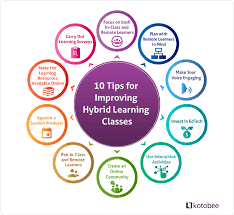
The hybrid classroom model, which combines traditional face-to-face instruction with online learning, has gained popularity in recent times as schools and institutions adapt to changes brought about by the COVID-19 pandemic. Building a strong sense of community in this new educational environment is essential for student engagement and academic success. This guide offers educators practical strategies to foster connections & build relationships, creating a thriving community within the hybrid classroom.

1. Establish Clear Communication Channels

Communicating effectively with students is vital, both online and in-person. Ensure that you use consistent platforms for communication like email, learning management systems, and messaging apps. Create an open-door policy so that students feel comfortable reaching out for assistance or discussing concerns.

2. Encourage Collaborative Learning

Foster collaboration among students to promote active learning and social interaction. Employ tools like breakout rooms during online classes or create project-based activities that require teamwork. Encouraging open discussions and shared problem-solving strengthens bonds between students.

3. Emphasize Building Relationships

Developing relationships among peers is essential for enhancing the learning experience. Start each semester by facilitating ice-breaker activities and self-introductions, both online and in-person. Allow time for casual conversations before or after class to build upon those connections.

4. Regularly Provide Feedback

Constructive feedback can contribute to a sense of community as it demonstrates genuine care for a student’s growth and development. Schedule regular check-ins to discuss progress, set goals, and provide guidance on areas of improvement.

5. Celebrate Milestones And Accomplishments

Recognizing achievements can create a supportive atmosphere where everyone feels valued and motivated to succeed. Share individual student accomplishments or celebrate group milestones on your communication platforms to boost morale and reinforce a sense of belonging.

6. Offer Opportunities For Students To Lead

Empower students by providing them opportunities to lead projects, discussions, or presentations. This encourages investment in the community and cultivates leadership skills.

7. Address Conflicts Proactively

In a hybrid environment, conflicts may arise from misunderstandings or lack of communication. Address any issues quickly and fairly, emphasizing empathy, active listening, and problem-solving skills.

8. Encourage Inclusive Learning Environment

Ensure that all students feel welcomed and valued by cultivating an inclusive atmosphere. Set expectations for respectful behavior and provide accessibility options for those with disabilities or language barriers.

Conclusion

Building community in the hybrid classroom requires intentional strategies that prioritize open communication, collaboration, relationship-building, and inclusivity. By integrating these principles into your teaching approach, you’ll create a nurturing environment where every student feels engaged and supported on their academic journey.