Education

Male Teachers: Role Models in the Classroom

Introduction

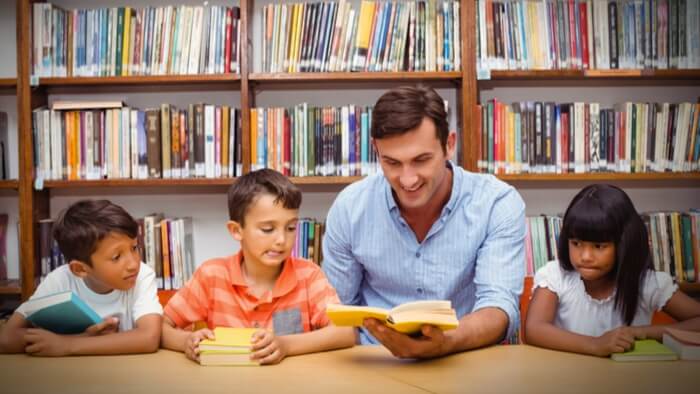
In our constantly changing world, role models play a crucial role in shaping the lives of young individuals. As children spend a significant portion of their time in educational institutions, teachers are undeniably some of the most influential figures they encounter. Male teachers, in particular, have a unique opportunity to become powerful role models in the classroom and foster growth, empowerment, and a sense of responsibility in students.

The Importance of Male Teachers in Education

Despite the evident importance of having male role models within educational settings, many schools face a shortage of male teachers. This lack of male representation, particularly at primary school levels, results in fewer reference points for boys when it comes to developing their own values and character traits. Nonetheless, research has shown that all genders benefit from exposure to both female and male educators throughout their schooling.

Positive Impact on Academic Performance

Multiple studies have demonstrated that students taught by male teachers tend to show improvements in their academic performance. Although this is most noticeable for young boys, girls have also been observed to benefit from the presence of male educators. This impact can be attributed to factors such as different teaching styles and perspectives, as well as the broadening of students’ understanding and expectations about gender roles.

Fostering Self-Confidence and Resilience

Research has highlighted how the presence of male teachers can lead to positive outcomes for students’ emotional growth and development. Through interaction with supportive male figures, students develop self-confidence and resilience. These attributes are not only crucial for navigating the challenges they face during their education but will also serve them well throughout their adult lives.

Shaping Healthy Masculinity

The presence of positive male role models is essential for shaping healthy conceptions of masculinity among young boys. For example, by demonstrating empathy, compassion, and respect towards others–attributes sometimes falsely considered “unmanly”–male teachers can actively challenge traditional gender norms. Furthermore, they can take an active part in addressing sensitive topics like mental health and self-care, thereby breaking down stigma and encouraging openness among their students.

Closing Thoughts

As role models in the classroom, male teachers have a unique opportunity and responsibility to positively impact the lives of their students. From improving academic performance to shaping healthy concepts of masculinity, they play a vital role in fostering the holistic growth of young individuals. As such, it is crucial for educational institutions to recognize this value by working towards increasing the representation of male teachers within their environments. The results will benefit not only today’s young learners but also future generations to come.

Accelerated Learning – How Quick Is It?

In today’s fast-paced world, the ability to learn quickly and efficiently is vital. The concept of accelerated learning, or rapid acquisition of knowledge, is gaining popularity as more people look for ways to improve their skills and stay on top of their professional game.

Understanding Accelerated Learning

Accelerated learning refers to the methods, techniques, and strategies employed to acquire knowledge and skills at a faster pace than traditional schooling methods. These techniques can include mental training exercises, visualization techniques, memory-strengthening exercises, focus improvement activities, and much more. But just how quick is accelerated learning? Let’s find out.

Factors Affecting the Speed of Accelerated Learning

The speed at which a person can learn using accelerated learning techniques varies depending on several factors:

1. The individual’s natural aptitude: Just like any other learning methodology, accelerated learning depends heavily on the individual’s intelligence and natural ability to learn. People with existing skills in learning quickly or a high IQ may find it easier to adapt to accelerated methods.

2. Level of interest: A person’s level of interest and passion for the subject matter contributes significantly to how quickly they are able to accelerate their learning in that area.

3. Dedication and time investment: One needs to be committed to investing the necessary hours into mastering an accelerated learning technique. A casual approach will not yield quick results.

4. Prior experience: If an individual has prior experience with a subject or skill set, it will be easier for them to advance at an accelerated pace compared to someone starting from scratch.

5. Quality of instruction: The effectiveness of an accelerated learning program depends on the quality of instruction provided. Highly skilled trainers or well-designed courses can lead to faster progress.

How Quick Can Accelerated Learning Be?

Given all these factors at play, there is no one-size-fits-all answer when it comes to determining just how quick accelerated learning is. However, it has been widely reported that accelerated learning can help individuals learn up to 2-5 times faster than traditional methods.

For example, immersive language courses that incorporate accelerated learning techniques can help individuals become conversationally fluent or even fluent in a new language within weeks or months instead of years.

Another example is the success of programming boot camps, where students can learn the core skills needed for a career in software development in a matter of months. These boot camps often employ accelerated teaching techniques and project-based curricula to fast-track people into the job market.

It’s important to note that accelerated learning is not magic; it still requires time, effort, and dedication from the learner. While it may not work for everyone or every subject, it can be an effective method for those looking to gain knowledge and skills quickly in a rapidly changing world.

Education Articles

Introduction

Education articles play a significant role in the development and enhancement of teaching and learning processes in the modern world. As the educational landscape evolves, educators, students, and parents alike seek more information to improve their understanding of various teaching methodologies, pedagogies, and best practices in education. This article delves into the importance of education articles, their impact on modern teaching and learning methods, and how these resources contribute to expanding knowledge within the education sector.

The Significance of Education Articles

1. Information Dissemination: Education articles disseminate updated information, research findings, and innovative ideas about educational technology, psychology, curriculum development, classroom management techniques, etc. These materials equip educators with the necessary tools to improve their teaching strategies and help create an engaging learning environment.

2. Exposure to Diverse Perspectives: Education articles allow for exposure to a multitude of perspectives from different scholars, experts, and educators worldwide. This diversity enables readers to gain insights into different approaches to teaching and learning while fostering a rich exchange of ideas and solutions.

3. Professional Development: Teachers can greatly benefit from reading education articles as part of their ongoing professional development efforts. Access to updated knowledge equips educators with skills to face new challenges in a rapidly changing educational landscape.

4. Parental Involvement: Parents who read education articles can better understand their child’s learning needs while gaining valuable insights into current trends in education. This awareness enables parents to support their children effectively as they navigate the complexities of the modern educational system.

Impact on Teaching Methods

1. Technology Integration: Education articles highlight emerging technologies’ potential benefits when integrated into contemporary teaching methods. As teachers read about successful case studies involving technology use in classrooms worldwide, they may feel encouraged to explore these newer opportunities in their own practice.

2. Personalized Learning: Many education articles emphasize the importance of differentiated instruction based on students’ individual needs. As teachers become aware of these approaches, they can better tailor their lessons to accommodate diverse learners in the classroom.

3. Student-Centered Approach: Education articles often advocate for student-centered teaching practices, shifting from traditional teacher-led instruction to one that prioritizes students’ active engagement and collaboration. Exposure to such articles influences teachers to promote critical thinking, problem-solving, and creativity amongst their students.

4. Inclusive Education: Articles that focus on inclusivity in education provide insights into how schools and educators can create more equitable and accessible learning environments. These resources encourage teachers to break down barriers for learners with disabilities or those coming from marginalized backgrounds.

Impact on Learning Styles

1. Awareness of Multiple Intelligences: Education articles inform readers about various theories of intelligence, urging educators to consider multiple learning styles and intelligences in their lesson planning. As a result, students benefit from more personalized instruction that respects their unique abilities.

2. Self-Directed Learning: Education articles contribute to fostering self-directed learning by empowering students with knowledge about effective study habits, metacognition skills, and the importance of embracing learning as a lifelong journey.

3. Collaboration and Social Interaction: Through exposure to education articles on collaborative learning and project-based approaches, students are inspired to work together and learn from each other’s perspectives, ultimately enhancing teamwork skills.

4. Cultivating Emotional Intelligence: As students read articles discussing emotional intelligence’s importance and ways to develop it, they are better equipped to understand their own emotions and empathize with others.

Conclusion

Education articles have an indispensable role in shaping the future of modern teaching and learning practices. They provide valuable information, expose readers to diverse perspectives, support professional development efforts for educators, and empower parents in supporting their children’s educational journey. Ultimately, education articles serve as a catalyst for continuous improvement within the education sector.

18 Marvelous M&M Icebreaker Activities

Introduction:

Breaking the ice and creating an atmosphere of camaraderie is crucial in fostering friendships, teamwork, and collaborations. M&M icebreaker activities are an excellent way to achieve this. By incorporating fun, color, and creativity, these activities can help engage people and encourage them to step out of their comfort zones. Here are 18 marvelous M&M icebreaker activities for you to try.

1. The M&M Game:

Distribute a small pack of M&Ms to each participant. Instruct them to pick a few without looking and share something about themselves based on the chosen colors.

2. Guess the Number:

Fill a jar with M&Ms and invite participants to estimate the total number. The closest guess wins the jar!

3. Color Matching Pairs:

Randomly pair participants based on matching M&M colors, encouraging conversation between new acquaintances.

4. M&M Bingo:

Create bingo cards with conversation starters instead of numbers and ask participants to find someone with a matching M&M color to complete their card.

5. Build the Tallest Tower:

Divide attendees into groups, provide them with materials like toothpicks or spaghetti, and challenge them to build the tallest tower using M&Ms as nodes.

6. Trivia Night:

Prepare a list of questions related to M&Ms or general knowledge. Participants answer questions depending on the color they pick.

7. Scavenger Hunt:

Hide M&Ms around your venue and set a timer for participants to find as many as possible – adding bonus points for specific colors.

8. Human Graphs:

Using string or tape on the floor, create a graph where attendees can place themselves based on their favorite M&M color.

9. Edible Art Contest:

Provide different colored M&Ms and ask participants to create art pieces related to a theme or word that represents the event’s purpose.

10. Blind Taste Test:

Test participants’ taste buds to identify the flavors of M&Ms while blindfolded.

11. Memory Game:

Place M&Ms on a table with specific color patterns and challenge participants to memorize and recreate them.

12. Charades:

Assign M&M colors to movie genres and have attendees act out movies corresponding to the colors they pick.

13. M&M Puzzle:

Provide each team with a bag of M&Ms and a picture to recreate by arranging the candies colorfully.

14. Odd One Out:

Ask participants to sort their M&Ms into groups, adding an interesting twist by including an odd one out – a different candy – to challenge their observation skills.

15. M&M Trivia Race:

Place a trivia question in each colored bag of M&Ms. Attendees race to collect and answer questions from every color bag.

16. Quickfire Questions:

Assign different categories (e.g., personal favorites, work life, or hobbies) to M&M colors. Participants pick colors and answer quickfire questions about their lives.

17. Colorful Conversation Starters:

Participants choose an M&M from a hat and use its color as the starting point for an engaging conversation with others.

18. Edible Movie Marathon:

In this game, participants draw random selections of themed movies based on their chosen M&M color – ensuring plenty of variety in the viewing experience!

Conclusion:

M&M icebreaker activities offer a delightful way to learn about others, bond with team members, or simply make new friends. By using colorful candies as triggers for engagement and conversation, you’ll create memorable experiences at your next event or gathering.

Making Meaning: The Art of Creating Significance in Our Lives

Introduction

In the grand tapestry of our lives, meaning is an essential thread that holds the fabric together. It gives us a sense of purpose, anchors our beliefs, and influences how we see ourselves and the world around us. Yet, creating meaning can be a challenging process, caught between our personal experiences, societal norms, and evolving landscapes. This article delves into the art of making meaning and explores different ways we can incorporate it into our lives.

Finding Your ‘Why’

One significant aspect of making meaning lies in discovering our ‘why’ – the deeper purpose underlying our actions and choices. This is often closely related to our values, passions, and aspirations. Reflecting on these aspects can help us understand what genuinely motivates us and contributes to a fulfilling life.

Some questions to consider include:

1. What are your core values?

2. What activities or pursuits make you feel alive?

3. What impact would you like to have on your community or the world?

Creating Meaning Through Relationships

Meaningful connections with others can provide a powerful sense of significance. Nurturing deep bonds with family members, friends, or romantic partners requires active listening, empathy, and unconditional love. Cultivating sincere relationships not only enriches our lives but also contributes to a thriving support system that bolsters us during difficult times.

Additionally, reaching out to those beyond your immediate circle expands your capacity for empathy and understanding. Volunteering in your community or participating in intercultural exchanges shows how extending a helping hand can lead to profound connections.

Living Authentically

Another aspect of making meaning involves living authentically – embracing our true selves without trying to fit into society’s expectations or norms. This means being honest about who we are despite any judgment from others.

Living authentically requires us to:

1. Know ourselves – exploring our strengths, weaknesses, and unique qualities.

2. Embrace vulnerability – acknowledging our imperfections and daring to be open with others.

3. Continuously evolve – seeking out personal growth and development.

Overcoming Challenges

Life is filled with challenges that test our resilience, courage, and adaptability. While these obstacles may seem daunting, they provide us with opportunities to grow and evolve.

By overcoming adversity, we develop a sense of mastery, realize our inner strength, and discover deep reserves of courage. These meaningful experiences serve as catalysts for change, empowering us to live richer, more fulfilling lives.

Conclusion

Making meaning is an ongoing process that requires alignment with our true selves, authentic connections with others, and the courage to navigate life’s inevitable obstacles. By engaging in reflection, cultivating curiosity, and staying true to ourselves, we can create a robust foundation of significance – paving the way for a life of purpose and fulfillment.

Science Lesson Plan for Key Stage 2 – Reflecting Light and Sound

Introduction:

Teaching students about the reflection of light and sound is an essential component of the Key Stage 2 science curriculum. This lesson plan is designed to introduce pupils to the concepts of reflecting light and sound, exploring how these processes work, and understanding their practical applications. Engaging activities and experiments will help students to grasp these scientific principles in a fun and interactive manner.

Learning Objectives:

By the end of this lesson, students will be able to:

1. Define reflection and identify its importance in everyday life.

2. Explain how light and sound waves reflect off surfaces.

3. Demonstrate understanding through hands-on experiments.

4. Discuss practical applications of reflecting light and sound.

Materials:

– Mirror

– Flashlight

– Flat, smooth surface (e.g., whiteboard)

– Tuning fork or sound source (e.g., speaker)

– Water basin

– Protractor

– Ruler

– Pencil and paper

Lesson Outline:

1. Introduction (10 minutes)

– Begin with a brief discussion on what reflection means and its importance in everyday life.

– Introduce the two types of waves that will be explored in this lesson: light and sound.

– Explain that both light and sound waves can reflect off surfaces when they encounter a change in medium.

2. Exploring Light Reflection (20 minutes)

– Show students how a mirror reflects light by shining a flashlight on it at various angles.

– Explain that the angle of incidence (the angle at which the light strikes the surface) is equal to the angle of reflection (the angle at which light bounces off).

– Split students into groups to measure angles of incidence and reflection using a protractor, flashlight, ruler, pencil, and paper.

3. Exploring Sound Reflection (20 minutes)

– Introduce the concept of sound waves reflecting off surfaces in a similar manner to light.

– Use a tuning fork or sound source to demonstrate sound reflection by striking it near a flat, smooth surface (e.g., whiteboard) and observing the change in volume and direction.

– Optional: Fill a water basin and show how sound waves travel through water and reflect off surfaces, creating echoes.

4. Practical Applications (15 minutes)

– Discuss different practical applications of reflecting light and sound in everyday life, such as mirrors for self-reflection, cameras capturing images, echo-location in animals, and soundproofing materials.

– Encourage students to share their own examples of using reflection in everyday situations.

5. Conclusion (5 minutes)

– Recap the key concepts covered in the lesson, including the process of reflecting light and sound waves, measuring angles of incidence and reflection, and practical applications.

– Encourage students to conduct further research on applications of reflection in science.

Assessment:

– During group activities, observe students’ understanding and ability to apply the concepts

– Hold a class discussion assessing students’ grasp on the practical applications of reflections

– Assign individual or group homework projects that require students to explore reflection further by designing their experiments or researching real-world applications.

Behaviour as Communication

Introduction

Communication is a fundamental aspect of human life and our interactions with ourselves, others, and the environment. Although we often associate communication with spoken or written language, there is another form of vital communication – behaviour. This article explores the concept of behaviour as communication and how it influences our daily interactions.

Understanding Behaviour as Communication

Behavioural communication encompasses a wide range of actions performed by individuals to express their thoughts, emotions, intentions, or needs. These actions can be nonverbal, such as body language, facial expressions, and gestures or even more subtle cues like tone of voice and eye contact. It is an essential form of human interaction that predates verbal language and existed across various species.

Importance of Behavioural Communication

1. Emotional expression: Behaviour can serve as an outlet for expressing our emotions and feelings when words fall short. For example, tears can indicate sadness while laughter signifies joy or amusement. Recognizing these behaviours allows us to empathize with others and respond appropriately.

2. Cultural context: Behavioural communication plays a crucial role in understanding cultural differences and fostering cross-cultural relationships. Nonverbal cues may differ across cultures; by being mindful of them, we can navigate these differences and communicate effectively.

3. Social bonding: Engaging in shared behaviours frequently strengthens social bonds among people. From engaging in communal activities to mirroring body language during conversations, these subtle behavioural exchanges help establish connections and develop a sense of belonging.

4. Conflict resolution: In many instances, the way we behave during conflicts can either escalate or deescalate tense situations. Being aware of our actions, tone, and body posture can contribute significantly to resolving disputes peacefully.

Improving Behavioural Communication Skills

Enhancing our ability to read behavioural cues contributes to improved communication with others. Some strategies for strengthening nonverbal communication skills include:

1. Active listening: Giving someone your full attention and maintaining appropriate eye contact demonstrates interest and respect. In turn, it encourages open communication and facilitates a better understanding of nonverbal cues.

2. Observing body language: Noticing a person’s posture, gestures, facial expressions, and other physical behaviours can provide valuable insight into their emotions and intentions.

3. Vocal nuances: Tones of voice, pitch, volume, and speech rate are influential aspects of behavioural communication that can convey the speaker’s feelings and attitude.

4. Cultivating self-awareness: Being mindful of our expressions and mannerisms allows us to communicate effectively and sincerely.

5. Practice empathy: Understanding other people’s emotions is an essential component of behavioural communication. By putting ourselves in others’ shoes, we can respond empathetically to their needs.

Conclusion

Behaviour as communication provides meaningful insights into human interactions beyond the realm of spoken words. By understanding that our actions speak volumes, one can become more socially aware and navigate environments with empathy and grace. Embracing behavioural communication leads to richer connections with others, allowing for a deeper understanding of their thoughts and emotions. So, the next time you find yourself in conversation or grappling with emotional interactions, remember – there’s more than meets the ear!

EBabysitting: Empowering the Future with the Irish Red Cross

Introduction:

The world of childcare is constantly evolving, and as parents and caregivers adapt to the modern challenges of raising children, various organizations are stepping in to provide innovative solutions. One such project is EBabysitting, an initiative launched by the Irish Red Cross aimed at empowering individuals with the necessary skills and knowledge to excel in babysitting. This article delves into the development, deployment, and benefits of EBabysitting as an invaluable resource for teaching expertise.

Development:

In response to the growing need for trustworthy and competent babysitters, the Irish Red Cross conceptualized EBabysitting to bolster their involvement in community engagement and support. Combining state-of-the-art technology with traditional methods, this program was designed to provide a comprehensive introduction to childcare techniques through an interactive, online platform. By collaborating with experienced instructors and childcare professionals, EBabysitting offers a rich learning environment that enables participants to master essential skills for successful babysitting.

Deployment:

EBabysitting incorporates a user-friendly interface that is easily accessible through any device with internet connectivity. Prospective participants simply need to register for the course via the Irish Red Cross website and follow the instructions provided. The curriculum covers a wide variety of topics related to babysitting responsibilities, such as:

1. Child development & understanding age-appropriate activities

2. Basic first aid & emergency preparedness

3. Feeding & changing diapers for infants

4. Establishing routines & bedtime rituals

5. Ensuring safety within the home environment

6. Communication skills for dealing with both parents & children

7. Ethics & professionalism

The learning process is facilitated through engaging videos, hands-on exercises, quizzes, and real-life scenarios that further reinforce crucial concepts.

Benefits:

By completing the EBabysitting program, participants can gain numerous advantages from their newly acquired skills and expertise:

1. Trustworthiness & Credibility – Having certification from the Irish Red Cross signals reliability and competence, making graduates of the EBabysitting program highly sought-after candidates for babysitting positions.

2. Confidence & Independence – Equipped with the right knowledge and tools, graduates can confidently navigate various babysitting situations and make sound judgments based on their training.

3. Enhanced Employability – As the demand for skilled childcare professionals rises, completion of the EBabysitting program can improve a candidate’s eligibility for various employment opportunities in the field.

4. Contribution to Community Welfare – Empowered with vital resources, graduates can better support families within their communities by providing top-quality childcare services.

Conclusion:

The Irish Red Cross’ EBabysitting project exemplifies an innovative approach to addressing childcare challenges in contemporary society. By leveraging technology and creative learning methods, this platform ensures participants gain invaluable expertise in babysitting while fostering a sense of trust amongst clients. As we continue to adapt to the needs of today’s families, initiatives like EBabysitting remain essential in paving the way for a brighter, safer future for both children and caregivers alike.

Gifted & Talented Update: Nurturing the Full Potential of Our Brightest Minds

Introduction

Education takes many forms, and there are many branches of learning that may be pursued to cater to a diverse range of students’ needs and abilities. One field that warrants attention is Gifted & Talented (G&T) education, which focuses on nurturing the full potential of exceptionally gifted students. This article provides an update on recent developments and trends in G&T education, recognizing the importance of fostering all skills and talents among our brightest minds.

Understanding Giftedness

Giftedness is not solely defined by a student’s IQ or intellectual ability. It encompasses a wide array of talents and aptitudes, including creativity, leadership, artistic skills, and athletic prowess, among others. By offering specialized support to gifted individuals, G&T programs ensure these exceptional students receive the appropriate level of challenge and stimulation in their education.

Challenges in G&T Education

Despite the recognition of G&T education’s importance, it still faces several challenges that can potentially hinder the development of gifted students. These challenges include:

1. Limited funding: Many schools face budget constraints that lead them to prioritize general educational expenses over G&T programs.

2. Inadequate identification strategies: The lack of standardized testing and self-reporting mechanisms makes it challenging for educators to accurately identify gifted students.

3. Teacher training: Educators require specialized training to adequately teach gifted students. Unfortunately, not all teachers have access to this type of professional development.

Recent Developments in G&T Education

Thankfully, educators and policymakers are working together to overcome these challenges through innovative strategies and initiatives. Some recent updates in G&T education include:

1. Increased awareness: There has been growing recognition about the importance of addressing the unique needs of gifted students. With more awareness comes increased advocacy for better funding and resources dedicated to G&T programs.

2. Improved identification strategies: Schools are adopting new methods and assessments to better identify gifted students from diverse backgrounds, ensuring that more children have access to G&T education.

3. Online platforms: As technology continues its rapid evolution, online platforms have emerged to provide gifted students with advanced learning opportunities and access to educational resources not available in their schools.

4. Parent and community involvement: More parents and community members are becoming involved in supporting and advocating for G&T education. This participation helps secure additional funding and resources crucial for the advancement of G&T programs.

Conclusion

The updates in G&T education highlight the importance of nurturing the potential of our most gifted young minds. By addressing the challenges associated with G&T programs and adopting innovative solutions, we can ensure that all students receive the education they deserve, tailored to their unique needs and abilities. Continued collaboration between educators, policymakers, parents, and communities will further promote the growth of G&T education and pave the way for a brighter future for our exceptional learners.

Encouraging Communication, Curiosity, and Creativity

Introduction

In today’s fast-paced world, it is essential to cultivate an environment that encourages communication, curiosity, and creativity. These three pillars not only contribute to personal growth but also to the progress of society as a whole. When we harness these qualities, we foster a world that is innovative and open to change.

Encouraging Communication

Communication is an indispensable skill that goes beyond verbal exchanges. It involves active listening, empathy, and clear self-expression. Fostering effective communication entails creating spaces for open dialogues and respectful discourse.

1. Establish a safe space: Encourage individuals to share their thoughts without fear of judgment or ridicule. This can be achieved through team-building exercises and promoting a culture of inclusivity.

2. Engage in active listening: Show genuine interest in other people’s perspectives by attentively hearing them out and asking follow-up questions.

3. Develop clear self-expression: Train yourself and others to articulate ideas succinctly through workshops, public speaking courses, or other skill-building activities.

Cultivating Curiosity

Fostering curiosity opens doors for continuous learning, innovation, and exploration of new ideas. By developing a curious mindset, individuals gain insight into different perspectives and cultivate understanding across diverse areas.

1. Encourage questioning: Foster an environment where people feel comfortable asking questions without fear of looking ignorant or foolish.

2. Make learning enjoyable: Tap into various learning resources such as books, podcasts, webinars, and seminars that cater to different interests.

3. Explore new subjects: Tackle unfamiliar topics or projects to encourage the expansion of one’s knowledge base.

Promoting Creativity

A creative mindset is crucial in solving problems effectively and pushing conventional boundaries. Unleashing creativity leads to innovative solutions that benefit both individuals and the larger society.

1. Foster experimentation: Promote environments where individuals can take risks without fear of failure for the sake of innovation. Embrace the idea that failure is part of the learning process.

2. Connect with different disciplines: Encourage interactions and collaborations across different fields to spark novel ideas by bringing fresh perspectives to the table.

3. Allocate time for brainstorming: Set aside dedicated time for individuals or groups to explore unconventional ideas, as this can fuel creativity and lead to groundbreaking discoveries.

Conclusion

By encouraging communication, curiosity, and creativity, we nurture a culture that thrives on innovation and openness to change. Developing these qualities in ourselves and others not only fosters personal growth but also creates a world that embraces new and inventive ideas. As we strive toward fostering these traits, we lay the foundation for a brighter, more innovative future.