Education

A Qualification for Life Skills Development

Introduction

In today’s fast-paced and ever-changing world, acquiring the necessary life skills has become increasingly important for individuals to adapt, grow, and achieve success in their personal and professional lives. These essential skills are not typically taught in a structured manner within traditional academic environments. Consequently, there is a growing need to develop standardized qualifications that focus on life skills development. This article covers the importance of these qualifications, key skill areas that should be addressed, and how organizations can effectively fill this void in education.

The Importance of Qualifications in Life Skills Development

Having a qualification for life skills development signifies that an individual has received structured training to efficiently navigate through various aspects of life. These essential competencies empower them to make informed decisions, improve their personal well-being, enhance self-awareness, communicate effectively, and build meaningful professional relationships. With such qualifications, individuals are better equipped to excel in an increasingly competitive job market and foster healthier connections with their peers.

Key Life Skills Areas

An effective qualification for life skills development should focus on several key areas that are crucial for personal growth and success:

1. Communication Skills – Developing efficient communication strategies allows people to express themselves confidently in verbal and written formats. These skills are necessary for success in both personal relationships and professional settings.

2. Emotional Intelligence – Understanding one’s emotions and learning how to manage them is vital for self-regulation, empathy, motivation, and establishing strong connections with others.

3. Decision-making Skills – The ability to analyze complex situations objectively, assess risks, identify solutions, and make informed decisions is essential for achieving goals and navigating day-to-day challenges.

4. Time Management – Time management strategies help individuals plan their activities effectively by prioritizing tasks based on urgency or importance.

5. Financial Literacy – Developing financial literacy enables people to make smart decisions regarding budgeting, investments, savings plans, debt management, and retirement planning.

6. Leadership Skills – Leadership training assists in developing personal traits that promote collaboration, drive, and empowerment in team-oriented environments.

7. Conflict Resolution – Effectively resolving conflict situations by finding peaceful and constructive solutions to disagreements is significant for maintaining healthy relationships and professional growth.

Bridging the Gap: Life Skills Development Qualification Programs

To address the lack of structured life skills education, organizations can develop comprehensive qualification programs focusing on essential competencies. These can be offered through workshops, seminars, online courses, or coaching services. Such programs should incorporate both theoretical concepts and practical applications to ensure participants can apply the skills they learned in real-life situations.

Institutions should also seek endorsements, like ISO certification or IACET accreditation, to provide standardized recognition of their life skills qualifications. These certifications would facilitate the acceptance of such qualifications in various sectors and ensure continuous improvement of these programs.

Conclusion

Qualifications for life skills development are crucial for individuals navigating our increasingly complex world. A standardized approach focused on key areas such as communication, emotional intelligence, decision-making skills, time management, financial literacy, leadership skills, and conflict resolution will empower individuals to achieve their short- and long-term goals. By creating comprehensive and certified qualification programs, organizations can make substantial strides toward bridging the educational gap that currently exists in this much-needed area.


Developing Independent Enquirers: Introducing Enquiry

In today’s rapidly evolving world, developing strong independent enquiry skills is of vital importance. Independent enquiry is a powerful teaching and learning tool that fosters curiosity, creativity, and critical thinking in students. This article will elaborate on the concept of independent enquirers and how educators can introduce and cultivate enquiry in their classrooms.

Defining Independent Enquirers

Independent enquirers are individuals who take the initiative to investigate and explore topics on their own. They have developed essential skills to critically evaluate information, process evidence, draw inferences, and solve problems independently. These skills are invaluable in both academic environments and real-world situations.

The Importance of Developing Independent Enquiries

1. Encourages Lifelong Learning: By becoming independent enquirers, students are more likely to engage in lifelong learning, seeking out answers on their own and continuously improving their knowledge.

2. Develops Critical Thinking Skills: Independent enquiry helps students gain valuable skills such as questioning assumptions, interpreting information, evaluating evidence, and identifying logical connections.

3. Enhances Problem-Solving Abilities: As students dig deeper into research questions or issues they encounter in their lives, they naturally develop problem-solving capabilities.

4. Builds Confidence: Engaging with new ideas and challenges independently allows students to grow more confident in their abilities to learn and make decisions.

Introducing Enquiry Into the Classroom

Educators play a pivotal role in fostering enquiry-based learning among students. Implementing a few strategies can encourage students to think for themselves:

1. Establish an Inquisitive Classroom Environment: Create a positive atmosphere in which questions are encouraged and respected. Emphasize the importance of curiosity for growth.

2. Develop Active Listening Skills: Encourage students not only to ask questions but also listen attentively to responses so they can build on one another’s ideas.

3. Guide Students through the Research Process: Teach students the steps of conducting research, from formulating questions to evaluating sources and presenting their findings.

4. Encourage Reflective Thinking: Allow time for students to reflect upon their learning experiences, analyze the strengths and weaknesses of their arguments, and develop self-assessment skills.

Implementing Enquiry-Based Learning Activities

1. Socratic Dialogue: Encourage students to engage in discussions where they ask and respond to questions in order to deepen their understanding of a topic.

2. Research Projects: Assign research projects on topics that genuinely interest your students so they will be more inclined to independently explore different facets of the issue.

3. Case Studies: Analyze real situations in which they must work together to assess evidence, identify patterns or trends, and draw conclusions.

4. Debates: Organize debates on various topics, allowing students to defend or refute arguments based on thorough examination of evidence.

In conclusion, developing independent enquirers is essential for fostering a deeply ingrained curiosity and desire for knowledge in students. Introducing enquiry-based learning in classrooms allows them to build critical thinking, problem-solving, and self-assessment skills that are crucial for success in our ever-changing world. By creating an environment that nurtures independent enquiry, educators can empower students as learners who will continue seeking answers throughout their lives.

Learning Outside the Classroom: Examining the School Grounds

Introduction:

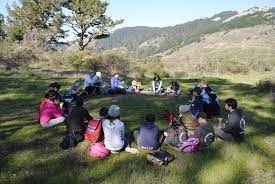
Education is not limited to the four walls of a classroom. In recent years, there’s been an increasing appreciation for learning outside the confines of a traditional academic setting. School grounds, with their diverse range of natural and built environments, offer a myriad of learning opportunities for students and educators. This article explores some benefits of learning outside the classroom and illustrates how examining the school grounds fosters holistic education.

1. Encouragement of Experiential Learning:

Experiential learning emphasizes the importance of firsthand experiences in building new knowledge and developing skills. When students explore their school grounds, they engage in observational and tactile learning, leading to deeper understanding and long-lasting memories. For instance, a biology class observing an ecosystem on campus will help students appreciate the interdependence among living organisms more effectively than just reading about it in a textbook.

2. Integration of Environmental Education:

Examining the school grounds allows students to acquire knowledge about local ecosystems, climate change, waste management, energy conservation, and more. By incorporating environmental education into everyday curriculums, schools foster responsible stewardship among learners and inspire them to develop sustainable solutions for challenges faced by our planet.

3. Promoting Physical Activity and Well-being:

Learning outdoors encourages children to be physically active while conducting educational activities. The physical health benefits include improved cardiovascular fitness, enhanced motor skills development and increased exposure to sunlight which is essential for producing Vitamin D. Moreover, research indicates that outdoor learning positively affects mental well-being by reducing stress levels and boosting concentration.

4. Development of Problem-Solving Skills:

When students are presented with authentic real-world problems in their school environment such as water conservation due to a drought or planning for seasonal planting, they learn to solve complex issues through critical thinking, team collaboration and communication. Developing these skills prepares them for future workplace challenges.

5. Cultivating Creativity and Curiosity:

Outdoor settings provide students with the chance to engage with natural elements, explore textures and colors, and notice intricate details in their surroundings. This fosters creativity while encouraging curiosity about the natural world. They learn to ask questions, make connections, and form hypotheses about their environment which is the foundation of scientific inquiry.

6. Opportunities for Cross-Disciplinary Learning:

School grounds can be an excellent platform to interconnect different subjects and create a cross-disciplinary learning experience. For instance, a math class can relate geometry concepts to architecture on campus or a history lesson can involve examining the timeline of school events by studying landmarks or commemorations present on school grounds.

Conclusion:

Exploring and learning from the school grounds offers numerous benefits that transcend traditional classroom education. Teachers and schools should consider incorporating outdoor education into their curriculums to foster experiential, holistic learning – ultimately shaping well-rounded, environmentally-conscious, and innovative future leaders.

Book Review: Challenges in Primary Science

Introduction:

“Challenges in Primary Science” is an insightful book that sheds light on the difficulties faced by primary school educators while teaching science. The book offers solutions and strategies to address these challenges, making it an indispensable resource for teachers, parents, and educational policymakers alike. This review aims to deliver an in-depth analysis of the content and recommendations provided in the book.

Content Overview:

The book is organized into various chapters that cover diverse aspects of teaching science at the primary level. Starting with a discussion on why children struggle with science during their formative years, the author proceeds to explore ways teachers can motivate and engage students in scientific learning.

Some of the key topics discussed within “Challenges in Primary Science” include:

1. Building a strong foundation for scientific knowledge through engaging and interactive activities.

2. Cultivating scientific curiosity among students and fostering a culture of inquiry-based learning.

3. Developing age-appropriate content to ensure that students are neither overwhelmed nor bored with the concepts being taught.

4. Recognizing and addressing gaps in students’ prior knowledge before proceeding with new lessons.

5. Addressing language barriers by incorporating visuals and practical demonstrations as part of the curriculum.

One fundamental aspect highlighted throughout “Challenges in Primary Science” is the importance of cultivating critical thinking skills among students. The book provides practical ideas for incorporating these skills into science lessons, thereby enabling students to go beyond rote memorization and actively participate in their education journey.

The book also emphasizes the need for collaboration between teachers, parents, specialists, and educational policymakers to create an ideal ecosystem for learning science. In doing so, it addresses systemic problems faced by educators globally, providing tangible insights on how different stakeholders can come together to improve children’s engagement and understanding of scientific concepts.

Strengths:

“Challenges in Primary Science” successfully blends theory with practical application, making it a highly useful resource for educators. The author has meticulously researched and presented complex issues in an easy-to-understand manner, accompanied by real-world examples and case studies. Additionally, the book is filled with innovative teaching strategies, checklists, and actionable tips that can be readily implemented into daily teaching practices.

Weaknesses:

One minor drawback of the book is its limited focus on specific science subjects or age groups within primary education. However, this limitation is not substantial because the principles outlined in the book can be applied across different contexts and adapted accordingly by educators according to their students’ unique needs.

Conclusion:

Overall, “Challenges in Primary Science” offers a thorough examination of the obstacles faced in teaching primary science education. Its comprehensive approach equips teachers with valuable tools and strategies to overcome these challenges, thereby supporting the growth and development of learners through effective educational experiences. Highly recommended for all primary school educators looking to enhance their science teaching techniques and parents interested in understanding why their children may struggle with scientific concepts during early education years.

Making Classroom Groups Work

Introduction

Classroom groups are an essential part of modern education. The collaborative nature of group work allows students to develop crucial problem-solving, communication, and social skills that are necessary for their future success. However, making these groups work effectively can be challenging for both teachers and students. Here is a comprehensive guide on making classroom groups work.

1. Establish clear objectives and expectations

To ensure that everyone in the group works towards a common goal and understands their roles, it is important to establish clear objectives and expectations. This includes outlining the purpose of the group work, the desired outcomes, and individual responsibilities. Teachers should also explain the criteria for evaluating the project and encourage students to ask questions to clarify any uncertainties.

2. Create diverse groups

Diversity is crucial in the formation of classroom groups as it allows students to learn from different perspectives and experiences. Teachers should consider different factors when forming groups, such as academic abilities, interests, cultural backgrounds, and learning styles. This well-rounded approach will not only improve collaboration but also create an inclusive environment in which every student feels valued.

3. Develop guidelines for effective communication

Effective communication is vital to achieving success in group projects. Encourage students to listen actively, practice empathy, and express their opinions while remaining respectful of others’ perspectives. It can be helpful to establish guidelines for effective communication at the beginning of the project and remind students periodically throughout the process.

4. Foster a positive group dynamic

A positive group dynamic is essential for collaboration and teamwork. Teachers should encourage team-building activities at the beginning of a project to help students get to know one another better while creating trust and friendships within the group. Moreover, promoting mutual support, feedback, and constructive criticism will enhance collaboration and overall productivity.

5. Encourage reflective practices

It’s important for students to reflect on their experiences during group work. Implementing reflection opportunities throughout the project encourages students to evaluate their progress, learn from mistakes, and identify areas for improvement. These reflective practices can be integrated into individual or group discussions, written assignments, or group presentations.

6. Provide timely feedback and support

Regular feedback from teachers is crucial to ensure that group work stays on track and objectives are being met. By actively monitoring groups’ progress and providing guidance when necessary, teachers can effectively address issues as they arise. It’s also vital to offer support for students who may be struggling with the demands of their role in the group or other aspects of the project.

7. Celebrate success

Once a group has completed a project, celebrating their success is an important step in instilling a sense of accomplishment and pride in their work. Recognizing individual contributions and group achievements not only boosts morale but also strengthens the relationships among team members.

Conclusion

Making classroom groups work effectively requires thoughtful planning and ongoing support from teachers. By establishing clear objectives, creating diverse groups, developing guidelines for effective communication, building a positive group dynamic, incorporating reflective practices, providing timely feedback and support, and celebrating success, both teachers and students can reap the benefits of collaborative education experiences.

10 Food-tastic Burger Activities

Are you a die-hard burger enthusiast? It’s time to explore the world of burger-related activities to deepen your love and appreciation for this beloved patty and bun combination. From tastings to cook-offs, cooking classes to festivals, here are ten food-tastic burger activities you should try.

1. Burger Tasting Crawl

Grab some friends and hop from one burger joint to another in search of the best burger in town. Enjoy different varieties of toppings and styles while discovering new favorite places.

2. DIY Burger Bar Party

Host a party that revolves around creating delicious burgers. Set up a station with various buns, patties (meat and veggie options), toppings, and sauces, allowing guests to create their unique combinations.

3. Cooking Classes

Search for local cooking schools or renowned chefs that offer hands-on burger-making classes. Learn everything from grinding your meat to creating intricate sauces while perfecting the art of crafting the perfect burger.

4. Regional Burger Tours

Go beyond your own city by taking a regional tour encompassing different states or countries specializing in burgers. Sample the distinct flavors from each region and discover mouth-watering creations.

5. Burgers & Beer Pairings

Burgers and beers go hand in hand, so why not make it an experience? Delve into the world of craft brewing by pairing each burger variation with complementary beer styles to enhance flavor profiles.

6. Food Festivals & Competitions

Attend burger festivals where restaurants showcase their signature creations while competing for titles like “Best Burger” or “Creative Burger.” Not only do you get to enjoy these masterpieces, but you become part of the judging experience.

7. Home Cook-Offs

Invite friends over for a friendly competition where everyone has to create their own unique burger recipes. Have someone act as a judge or vote as a group on which burger reigns supreme.

8. Burger-Making Workshops for Kids

Get the younger generation involved in this culinary pursuit by enrolling them in workshops tailored for kids, teaching them how to make their favorite meal and encouraging their creativity with toppings and sauces.

9. Burger Pop-up Restaurants

Keep an eye out for unique pop-up restaurants that take over unexpected spaces and serve up inventive burgers. These are often limited-time experiences that add a touch of novelty to any burger enthusiast’s repertoire.

10. Burger Food Trucks

Support local businesses by visiting various food trucks offering unique takes on the classic burger with gourmet ingredients and unexpected flavor combinations.

Exploring these ten food-tastic burger activities will deepen your love for the versatile world of burgers while creating lasting memories. So put on your most comfortable stretchy pants, gather your fellow burger buffs, and embark on a glorious burger journey!

28 Useful Cover Letter Examples for Teachers

As a teacher, creating an effective cover letter is crucial to showcase your passion for teaching and highlight your qualifications. Here are 28 useful examples to help you craft a powerful cover letter.

1. New elementary school teacher – Show off your passion for teaching young children and commitment to fostering a nurturing learning environment.

2. Experienced elementary teacher – Highlight specialty subjects, successful projects, parent communication skills, and results.

3. New middle school teacher – Focus on specific subject expertise and ability to manage preteens in a classroom setting.

4. Experienced middle school teacher – Emphasize long-term achievements in subject matter, student growth, and peer collaboration.

5. New high school teacher – Demonstrate enthusiasm for teaching a specific subject matter, as well as experience working with teenagers.

6. Experienced high school teacher – Showcase a solid track record of success directing exam preparation, student mentorship, and departmental collaboration.

7. Substitute teacher – Highlight versatility, adaptability to different classroom settings, as well as strong communication skills with both teachers and students.

8. Special education teacher – Emphasize commitment to inclusivity and adaptability in creating personalized learning plans. Discuss certifications or specialized training in special education.

9. ESL (English as a Second Language) teacher – Showcase knowledge of effective teaching methods for language learners and cross-cultural understanding.

10. Private tutor – Focus on personalized lesson plans, motivation techniques, and proven success with individual students.

11. Physical education (PE) teacher – Highlight experience directing team sports as well as individual fitness goals for students of all skill levels.

12. Music teacher – Showcase expertise in one or more instruments and emphasize commitment to fostering creativity through music instruction.

13. Art teacher – See the importance of creativity, technical skill development, and appreciation for various art forms.

14. Online/distance learning educator – Discuss your experience teaching through virtual platforms with emphasis on innovative strategies for digital engagement.

15. Early childhood education teacher – Show passion for working with young children and specialized understanding of early developmental milestones.

16. Career and technical education (CTE) teacher – Exhibit knowledge in specific trade, industry, or technical skill while highlighting your commitment to preparing students for future careers.

17. Preschool teacher – Demonstrate strong classroom management skills and a clear understanding of age-specific teaching strategies.

18. Montessori teacher – Highlight Montessori certification, as well as a dedication to holistic education methods.

19. STEM educator – Showcase expertise in science, technology, engineering, or math, along with hands-on learning approaches to encourage student curiosity.

20. Literature and reading teacher – Showcase love for literature and ability to promote engaging discussions about various texts.

21. History/social studies teacher – Emphasize knowledge of specific historical events and themes while engaging students in critical thinking discussions.

22. College/university instructor – Describe higher education teaching experience and commitment to academic research, collaboration, scholarship in specific discipline.

23. School librarian/media specialist – Highlight expertise in literature management, fostering literacy development, incorporating technology into learning resources.

24. School counselor/psychologist – Focus on empathy with genuine care for student well-being; Include certifications or specialized training related to mental health and counseling services.

25. Instructional coach – Describe prior teaching experiences as well as evidence-based coaching techniques that have driven success among peers.

26. Mentor-teacher program participant – Showcase the desire to collaborate proactively and learn from experienced professionals within anallocated mentor program.

27. Curriculum developer – Detail passion for impactful curriculum design, successful project implementations and customization based on a school’s needs/resources/student population.

28. Administrator/principal cover letter – Focus on accomplishments in educational leadership positions that exemplify vision-driven success.Apply_resolution(button=’view’)

Primary Assembly: Advent – A Time of Waiting

Introduction

Advent is a beautiful and meaningful season in the Christian calendar, focusing on the anticipation and preparation for the celebration of Christmas – the birth of Jesus Christ. The term ‘Advent’ is derived from Latin and means ‘coming.’ During this time, Christians spiritually prepare themselves for the coming of Christ, honoring the first coming at Bethlehem and also looking forward to his second coming at the end of time.

The Symbols of Advent

The liturgical color purple signifies penitence, in keeping with the contemplative nature of Advent. Churches and homes often feature an Advent wreath made up of evergreen branches with four candles – three purple and one pink – to represent the four weeks of waiting. The pink candle symbolizes joy and is lit on the third Sunday, named Gaudete Sunday.

The Meaning Behind Primary Assembly: Advent

During a Primary Assembly focused on Advent, children learn about this important time of waiting while paving the way for understanding one another’s beliefs and values. They discover that waiting is a vital part of life, but it can also be difficult at times. Advent teaches us to be patient, hopeful, and resilient during these periods.

Waiting for the Birth of Jesus

Christians believe that God’s presence became human in Jesus Christ after centuries of waiting for a divine savior. Each week during Advent, Christians read scripture that chronicles events leading up to Jesus’ birth, reminding them what happened before that monumental realization.

The Importance of Patient Waiting

During Primary Assembly, discussions about patient waiting could include other historical moments where people patiently waited for change or even personal experiences with anticipation. This allows students to understand how different aspects of their lives embody a form of waiting – be it life events, achievements or positive changes.

Embracing Hope and Resilience in Advent

Primary Assembly introduces children to the ideas of hope and resilience throughout Advent. It helps them build these qualities through engaging in acts of kindness, charity, and prayerful reflection. Being more mindful during this season helps children grow in these virtues and prepares them for the joyous celebrations of Christmas.

Conclusion

Primary Assembly: Advent encourages students to appreciate the sacredness of waiting in their lives, teaching resilience, hope, and patience. Like the first Christmas, when people awaited the birth of Jesus with bated breath, Advent demonstrates that sometimes the most exceptional things in life require time and patience. Embracing these lessons enables children to cultivate a greater sense of understanding and respect for different beliefs and values while simultaneously opening the door to self-discovery and personal growth.

Working in partnership to support vulnerable teenagers

Introduction

Vulnerable teenagers often face challenges such as poverty, mental health issues, abuse, neglect, and other unfortunate circumstances. In order to effectively address these issues and provide support for these young individuals, it is essential for various stakeholders – including schools, non-profit organizations, government agencies, and local communities – to work together in a cooperative and coordinated manner. This article outlines the importance of working in partnership, highlights the various actors involved in this collaborative process, and offers practical recommendations for fostering effective partnerships.

The Importance of Collaborative Partnerships

Collaboration between different stakeholders is paramount for a number of reasons. First and foremost, it allows for a more comprehensive approach to supporting vulnerable teenagers. By pooling resources and expertise from various sectors, stakeholders are better equipped to address the multifaceted nature of the challenges faced by young people in need. Moreover, collaboration helps minimize duplication of effort and maximizes the overall impact of assistance.

A Multi-Stakeholder Approach

There are several key players who can contribute significantly to efforts aimed at supporting vulnerable teenagers. These include:

1. Schools: Educational institutions play a crucial role in identifying vulnerable students and providing safe and supportive learning environments. Teachers can offer targeted academic support, while school counselors can help address personal issues through counseling services.

2. Non-profit organizations: Non-governmental organizations (NGOs) often possess extensive expertise in dealing with specific challenges faced by vulnerable teenagers. They can provide valuable resources such as mentorship programs, job training initiatives, or mental health services.

3. Government agencies: State and local agencies responsible for child welfare and education should also participate in collaborative efforts to support vulnerable teenagers. They can contribute resources like funding or policy recommendations based on their areas of focus.

4. Local communities: Community members – including parents, neighbors, and local businesses – have an important role to play in supporting vulnerable teenagers. They can offer valuable mentorship opportunities, provide donations to support programs, and help raise awareness about the issues faced by young people in need.

Recommendations for Fostering Effective Partnerships

In order to create successful and long-lasting partnerships that support vulnerable teenagers, the following suggestions should be considered:

1. Establish a shared vision: All stakeholders should work together to design a common framework that outlines overarching goals and specific objectives. This will not only foster collaboration but also create a sense of collective responsibility towards achieving the identified goals.

2. Communicate regularly: Open and consistent communication is critical for maintaining strong partnerships. Stakeholders should establish regular meetings or working groups to discuss progress and challenges, share information, and brainstorm solutions.

3. Allocate resources effectively: It is important for partners to pool their resources in the most efficient way possible – considering both financial and human assets – in order to maximize impact on vulnerable teenagers.

4. Monitor progress and evaluate outcomes: Regular monitoring and evaluation of partnership efforts are essential to ensure that successes are celebrated, challenges are addressed, and lessons are learned for future initiatives.

Conclusion

Working in partnership is crucial for providing comprehensive support to vulnerable teenagers. By harnessing the unique strengths and expertise of various stakeholders, we can create a more coordinated and effective response to the challenges faced by these young individuals. In doing so, we move closer toward ensuring that every teenager has the opportunity to flourish – regardless of their circumstances.

Learning How to Learn

Introduction:

In today’s rapidly changing world, the ability to learn new skills and acquire knowledge has become an essential life skill. This is especially true with the myriad of advances in technology, which require constant adaptation to stay current and competitive. However, not many of us take the time to explore how we learn and how we can optimize our learning process. Learning how to learn is a critical step in unlocking the full potential of our minds and achieving success both personally and professionally.

Understanding Your Learning Style:

The first step in mastering the art of learning is understanding your unique learning style. There are several popular models classifying learning styles, including visual, auditory, kinesthetic, and so on. By identifying which style or combination of styles suits you best, you can tailor your strategy for acquiring new information more effectively.

Active Versus Passive Learning:

There are two main approaches to learning: active and passive. Active learners are engaged in the process by asking questions, discussing concepts with peers, and applying their knowledge to real-life situations. In contrast, passive learners tend to merely absorb information by attending lectures or reading without engaging further. Moving from passive to active learning significantly enhances retention and understanding.

Chunking and Spacing:

Breaking down complex ideas into smaller digestible parts – known as chunking – makes it easier for our brains to process information. Coupled with spacing, which involves spreading out your study sessions over time rather than cramming, these techniques boost both memory retention and comprehension.

Metacognition:

Metacognition refers to being aware of one’s thought processes while problem-solving or performing a task. Developing metacognitive skills allows learners to recognize when they’re struggling, identify potential pitfalls or misconceptions, and adjust their learning methods accordingly.

Embracing Failure:

An essential aspect of mastering any skill is understanding that failure is a natural part of the learning process. Embracing failure helps us analyze mistakes and make corrections without giving in to discouragement or self-doubt. Viewing setbacks as opportunities for growth allows learners to develop resiliency and determination necessary for success.

Lifelong Learning:

Finally, becoming a lifelong learner means cultivating curiosity and maintaining a growth mindset. By regularly seeking out new experiences and challenges, you open yourself up to constant personal development and intellectual growth. This mindset not only leads to greater success but also contributes to overall happiness and well-being.

Conclusion:

Learning how to learn can feel like a daunting task at first, but investing the time and effort in mastering these strategies will undoubtedly pay off in both your personal and professional life. By understanding your unique learning style, embracing active learning, using techniques such as chunking and spacing, developing metacognition skills, embracing failure, and adopting a lifelong learning mentality, you can unlock your mind’s potential and achieve unparalleled success in any field you choose.