High School

20 of Our Favorite 11th Grade Science Projects

1.Crystal Growth Experiment: Study the science behind crystal growth and analyze factors influencing their shape, size, and colors.

2.Solar Water Heater: Build a solar-powered water heating system and evaluate its efficiency, comparing it to conventional methods.

3.Investigating Plant Growth: Examine the effects of various factors such as light, soil quality, and nutrient availability on plant growth.

4.Fermentation Process Study: Explore the process of fermentation in food production and determine what factors impact optimal outcomes.

5.Biodiesel Production: Investigate the process of making biodiesel from waste vegetable oil and determine the effectiveness of various catalysts.

6.Natural Water Filtration: Design and test a natural water filtration system using materials you can find outdoors.

7.Tsunami Modeling: Build a model to understand tsunami propagation and study potential warning signs in a coastal environment.

8.Landfill Biodegradation Analysis: Study how different waste materials decompose within a landfill environment over time.

9.Earthquake-Proof Buildings: Explore the engineering concepts responsible for creating earthquake-resistant building designs.

10.Wind Turbine Energy Output: Test the efficiency of various wind turbine designs at different wind speeds to identify optimal configurations.

11.Photosynthesis Rate Measurement: Examine how different variables, such as light intensity and carbon dioxide concentration, affect the rate of photosynthesis in plants.

12.Plastic Pollution Impact on Marine Life: Study how plastic pollution affects marine life’s behavior and overall health by observing their interaction with common types of plastic litter found in oceans.

13.Forest Fire Prevention Methods: Investigate techniques used to prevent forest fires, their effectiveness, and potential ecological impacts.

14.Robotics Applications in Agriculture: Research ways robotics can improve agricultural sustainability through precision farming techniques and automation of labor-intensive tasks.

15.Meteor Impact Craters Simulation: Create simulated meteor impacts using modeling clay or sand to study the dynamics of impact crater formation.

16.Air Quality Monitoring: Analyze the composition of air samples in various locations and identify factors contributing to air pollution in your local area.

17.Yeast Population Growth: Study the population growth of yeast under different environmental conditions, such as temperature and nutrient availability.

18.Stargazing Apps Evaluation: Review stargazing applications and compare their accuracy and responsiveness for identifying celestial bodies.

19.DNA Extraction from Fruits: Perform hands-on DNA extraction experiments using everyday fruits like strawberries, kiwi, and bananas to discover more about molecular biology concepts.

20.Effect of Music on Plant Growth: Investigate the effects of different types of music on plant growth and identify potential influences on overall plant health and development.


20 Growth Mindset Activities for High School Students

Introduction:

In today’s fast-paced world, it is essential for students to develop a growth mindset – an attitude which embraces challenges and perceives failures as opportunities to learn and grow. Encouraging a growth mindset in high school students can set them up for life-long learning, resilience, and success. Here are 20 growth mindset activities perfect for high school students.

1. Goal-Setting Sessions:

Encourage students to set challenging yet achievable goals and formulate step-by-step plans to achieve them. Regularly revisit these goals and assess progress.

2. The Power of ‘Yet’:

Have students list skills or concepts they haven’t mastered ‘yet’ and brainstorm strategies to overcome the obstacles they face.

3. Journaling Prompts:

Suggest introspective writing prompts that help students reflect on their learning experiences and identify opportunities for personal growth.

4. Book Clubs:

Select books with themes related to growth mindset and facilitate discussions about characters overcoming adversity through effort and perseverance.

5. S.M.A.R.T Goals:

Teach students how to create Specific, Measurable, Achievable, Relevant, and Time-bound (S.M.A.R.T) goals that support their larger objectives.

6. Peer Teaching:

Encourage collaboration by having students teach each other about concepts they’ve grasped, reinforcing their own understanding while helping others learn.

7. Gratitude Practices:

Prompt students to regularly express gratitude for their achievements, support systems, and opportunities that have aided in their personal development.

8. Growth vs Fixed Mindset Discussions:

Engage in guided discussions or debates comparing the benefits of a growth mindset over a fixed mindset.

9. Reflective Practice:

Introduce regular reflection practices where students assess learning experiences, recognize patterns in their thought processes, and devise new strategies for overcoming challenges.

10. Guest Speakers:

Invite professionals from various fields who can share their experiences of overcoming setbacks and embracing challenges to succeed.

11. Visualization Techniques:

Guide students through visualization exercises, imagining themselves working through various scenarios and embodying a growth mindset.

12. Skill-Building Workshops:

Offer workshops that teach students new skills, emphasizing the value of consistent effort and practice in achieving mastery.

13. Inspirational Quotes:

Decorate classrooms with quotes promoting a growth mindset, resilience, and perseverance, serving as constant reminders for students.

14. Role-Playing Exercises:

Design role-playing activities that allow students to act out perseverance and resilience in hypothetical situations.

15. Study Groups:

Encourage students to form study groups that foster collaborative learning and creative problem-solving skills.

16. Growth Mindset Awards:

Recognize and celebrate students who have demonstrated exceptional efforts in overcoming challenges or exhibited a strong growth mindset.

17. Mentorship Programs:

Connect students with mentors who can guide them on their journeys of personal and academic growth.

18. Mindfulness Practices:

Integrate mindfulness activities to promote self-awareness, emotional regulation, and improved focus in the learning process.

19. Social Media Campaigns:

Organize school-wide social media campaigns promoting a growth mindset, sharing inspiring stories, quotes, and resources with the school community.

20. Self-Compassion Training:

Teach students self-compassion techniques, helping them to not be overly critical of themselves when faced with setbacks or failures but maintain a growth-focused approach instead.

Conclusion:

These 20 growth mindset activities offer diverse ways to foster an environment where high school students embrace challenges, learn from failure, and develop resilience. Empower your high school learners with these tools to ensure they stay motivated and committed to cultivating their full potential throughout their lives.

20 Science & Geometry Prism Activities For High School Learners

Introduction:

Prisms are a fundamental concept in both geometry and science, making them an excellent subject for exploration and learning in high school. This article presents 20 engaging and educational science and geometry prism activities designed specifically for high school learners.

1.Prism Construction: Using a variety of materials like cardboard, straws, or pipe cleaners, students can build their own prisms and explore their properties.

2.Prism Classification: Students can categorize prisms based on attributes such as their base shape, number of faces, vertices, and edges.

3.Light Refraction Experiment: By shining a light through different prisms, students can observe how the angle of incidence affects the path of light.

4.Calculating Prism Surface Area: Teach students to calculate the surface area of various types of prisms using appropriate formulas.

5.Calculating Prism Volume: Teach students to determine the volume of different types of prisms using applicable formulas.

6.Exploring Prism Nets: Have students create nets for different prisms to visualize how the 2D shapes fold into 3D objects.

7.Making Holographic Prisms: Using plastic film and cardboard, students can create their own holographic prisms for visual effects.

8.Dissecting Prisms: In this activity, students split a prism into its constituent parts to understand its structure better.

9.Optical Illusions with Prisms: Investigate how prisms can create optical illusions by refracting and reflecting light.

10.Prism Art Project: Encourage students to create artwork inspired by prismatic shapes and patterns.

11.3D Modeling Software: Students can use programs like Tinkercad or SketchUp to design and create virtual prisms on computers or tablets.

12.Prism Scavenger Hunt: Assign pupils with a scavenger hunt task that involves finding real-world examples of various prismatic objects.

13.Kaleidoscope Exploration: Examine the prism-like structure of a kaleidoscope and explore how it creates its distinctive patterns.

14.Solar Prisms: Study the science behind solar prisms and their application in collecting and concentrating sunlight for renewable energy.

15.Triangular Prism Surface Area & Volume Race: Organize relay races where students must solve surface area and volume problems of triangular prisms before passing on the baton.

16.Investigating Snell’s Law: In this activity, students use prisms to learn about Snell’s Law and understand light refraction as a scientific principle.

17.Prismatic Photographs: Teach students how to capture stunning, colorful photographs using prisms and natural light sources.

18.Constructing a Prism Spectroscope: Students can build their own prism spectroscope to analyze light and uncover its hidden secrets.

19.Geometry Treasure Hunt: Set up a treasure hunt containing problems about different geometric figures, including prisms, to challenge students’ knowledge in exciting ways!

20.Comparing Real-Life Prism Applications: Research various industries relying on prisms such as optics, telecommunications, and astronomy, to discover the diversity of real-world applications of prismatic structures.

Conclusion:

These 20 science and geometry prism activities for high school learners encompass a wide range of concepts, encouraging students to broaden their understanding of both subjects. Not only do these activities help reinforce learning but they also ignite curiosity, making prisms a fascinating topic to explore in high school classrooms.

Win The Wall Street Journal High School Program For Your School

Every year, The Wall Street Journal offers high school students across the United States the opportunity to participate in their prestigious High School Program. Designed to educate and inspire students regarding journalism and current events, this program can be a massive asset for your school. Here’s what you need to know about The Wall Street Journal High School Program and how you can win it for your school.

About the Program

The Wall Street Journal High School Program is an immersive experience designed for high school students who are passionate about journalism, current events, finance, or business. By participating in this program, students will gain access to exclusive resources such as articles, videos, and podcasts focused on business and financial news. They will also have opportunities to connect with professional journalists, attend workshops, and engage in discussions on various topics relevant to the industry.

Why Your High School Should Participate

There are several benefits that The Wall Street Journal High School Program offers your school:

1. Enhanced Learning Opportunities: Exposure to real-world news stories and conversations with professional journalists gives participating students insight into the fast-paced world of journalism and news reporting.

2. Access to Exclusive Resources: As part of the program, students will receive a digital membership to The Wall Street Journal which contains various tools aimed at helping them understand and interpret complex topics related to business and finance.

3. Networking Opportunities: Students not only get access to professionals in their desired field but also have chances to network with other like-minded individuals from other schools across the country.

4. Boost College Applications: Participating in The Wall Street Journal High School Program demonstrates a student’s interest in journalism or business – factors that can strengthen their college applications.

How to Enter

1. Visit the Official Website: To enter your school into the running for participation, visit The Wall Street Journal High School Program’s webpage where you can find more information about entry requirements.

2. Gather Support: To achieve success, it is essential to rally support from your school’s faculty, staff, and the student body. Arrange a meeting with your school’s principal or administration to discuss participation in the program.

3. Gather Interest: Host informational sessions for students interested in journalism or business to provide an overview of the program and gauge their enthusiasm.

4. Prepare Application Materials: Develop a proposal that includes details regarding how your school would benefit from participating in the program. You may also want to provide testimonials from students, teachers, or even local journalists expressing their support for your entry.

5. Submit Your Application: Once your application materials are completed and reviewed by the appropriate parties, submit them to The Wall Street Journal High School Program for consideration.

In Conclusion

Having your high school participate in The Wall Street Journal High School Program can leave a lasting impact on your students and offer them unparalleled opportunities in their pursuit of journalism or business careers. Do not miss this chance to enrich their educational experience – apply today!

Citizenship Days at Hartford High School: A Celebration of Teaching Expertise

Citizenship Days at Hartford High School is an annual event that aims to nurture and celebrate the diverse skills and teaching expertise of educators. The event provides a platform for faculty members to share best practices, innovative teaching methods, and curriculum development ideas, fostering a strong sense of community among the staff. As a result, students benefit from an enriched educational experience that equips them with the knowledge and skills necessary to become responsible citizens in today’s global society.

Hartford High School’s Citizenship Days focuses on bringing together educators from various disciplines and backgrounds to create an immersive learning environment that cultivates creativity, critical thinking, and problem-solving. This collaborative effort ensures that teachers have access to the latest resources, pedagogies, and skills necessary to meet the diverse needs of their students.

The curriculum for Citizenship Days at Hartford High School covers a wide range of topics related to citizenship education. Faculty members present lessons on human rights, environmental stewardship, social justice issues, civic engagement, local government structures, cultural appreciation, and global awareness. These sessions offer teachers new perspectives on their subjects and enable them to incorporate these ideas into their everyday instruction.

One of the key components of this event is the active involvement of local community members and organizations. Through partnerships with these groups, teachers can access resources and insights that help them effectively incorporate practical experiences into classroom discussions. For instance, guest speakers from non-profit organizations may share first-hand accounts about their work or guide students through hands-on activities that emphasize the importance of social responsibility.

During Citizenship Days at Hartford High School, faculty members also participate in professional development workshops where they learn about new teaching strategies and classroom management techniques from expert trainers. These workshops often include interactive demonstrations, group discussions, and opportunities for teachers to reflect on their own practices – all designed to foster continuous improvement in teaching standards.

In addition to the academic benefits, Citizenship Days at Hartford High School fosters a sense of camaraderie among the educators. This shared experience lays the foundation for a strong support system that encourages both professional and personal growth. Teachers are provided with opportunities to network and build relationships with colleagues they might not interact on a regular basis otherwise.

Citizenship Days at Hartford High School is not only an opportunity for educators to refine their teaching skills but also serves as an example for students of the value of lifelong learning. Through their participation in this event, teachers model commitment to continuous improvement, curiosity, and collaboration – essential qualities that contribute to their students’ development as responsible global citizens.

In conclusion, Citizenship Days at Hartford High School is a testament to the school’s dedication to academic excellence and teaching expertise. The event helps promote civic responsibility among students while providing professional development opportunities for its educators. By engaging in this process, teachers can enhance their students’ education and foster a culture of caring, responsible citizenship that extends beyond the walls of the classroom.


Win The Wall Street Journal High School Program for Your School

Introduction:

The Wall Street Journal (WSJ) High School Program is a prestigious opportunity for schools to introduce their students to the world of business and finance. With access to comprehensive resources on business, economics, and personal finance, winning this program for your school could spark a new generation of successful entrepreneurs, investors, and financially savvy individuals. In this article, we will discuss the importance of the WSJ High School Program and guide you on how your school can have a chance to win.

What is The Wall Street Journal High School Program?

The WSJ High School Program is designed to provide high school students with an in-depth understanding of the global economy and financial markets. The program offers access to the WSJ’s vast library of articles, opportunities to participate in events or competitions, and resources tailored specifically for high school students. With this program, schools can equip their students with the knowledge and skills needed to make informed decisions about their financial futures.

Why Your School Should Participate:

1. Enhanced learning experience: By exposing students to real-world examples and case studies in business and finance, they gain a deeper understanding of economic concepts learned in class.

2. Improved critical thinking skills: Analyzing complex financial data and news allows students to sharpen their analytical and critical thinking skills.

3. Better career prospects: Students participating in the WSJ High School Program gain valuable insights that can aid them in their future careers or entrepreneurial pursuits.

4. Networking opportunities: Winning the program may open doors for your students to connect with professionals within the industry, creating opportunities for internships or even potential jobs.

How Your School Can Win:

1. Showcase strong academic achievement: Schools known for their excellence in academics might have an edge over other competitors. If your school has received awards or recognition for its performance in relevant areas such as economics, finance, or business studies, make sure to highlight these points.

2. Demonstrate student interest: Engaged students who actively participate in business or finance-related clubs and projects show the WSJ that they are ready and eager to benefit from the program.

3. Develop a comprehensive proposal: Outline how your school will utilize the resources provided by the WSJ High School Program to enhance the curriculum and enrich student experiences. Include your school’s unique approach to teaching financial literacy and plans for engaging students in relevant activities.

4. Promote active learning with external competitions and events: Students who have successfully competed in national or international business, finance, or economics competitions demonstrate their potential to be impactful participants in the WSJ High School Program.

Conclusion:

Winning The Wall Street Journal High School Program for your school is an exceptional opportunity that allows you to provide valuable financial education for your students. By showcasing strong academic achievements, demonstrating student interest, developing a comprehensive proposal, and participating in external competitions, your school can stand out as a top contender. Give your students the chance to gain unparalleled insights into the world of business and finance by striving to win this prestigious program.

17 Example Resume Ideas for High School Students

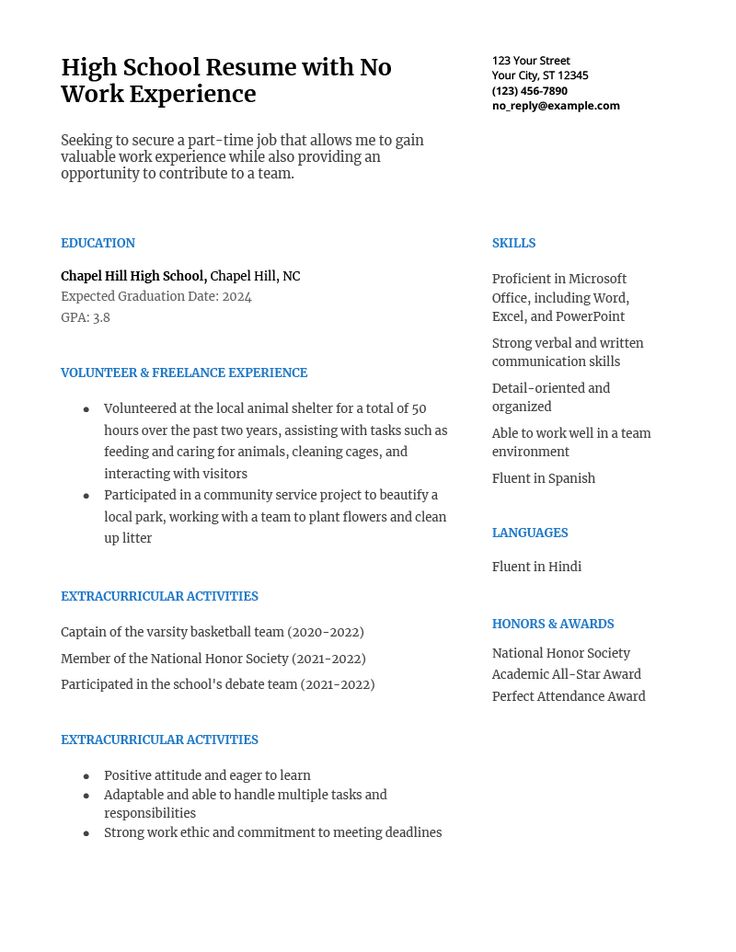
In today’s competitive job market, having a well-crafted resume is essential for high school students seeking part-time work, internships, or even preparing for college applications. Here are 17 example resume ideas to help high school students stand out from the crowd and showcase their skills, experiences, and achievements.

1.Start with a strong objective: A clear and concise objective statement showcases your career goals while highlighting the value you bring to potential employers.

2.Highlight academic achievements: Include your GPA (if it’s above 3.0), honor roll status, or any academic awards received to demonstrate your dedication and hard work in school.

3.Showcase relevant coursework: List any classes related to the field you’re interested in, such as business courses for a retail job or art courses for a design internship.

4.Detail extracurricular activities: Include clubs, sports teams, or other school-related activities in which you’ve participated to show your well-rounded interests and commitment.

5.Emphasize leadership experience: Mention any leadership roles you’ve held in school organizations to demonstrate your capacity to take initiative and manage responsibilities.

6.Feature volunteer work: Volunteering demonstrates your community involvement and commitment to helping others; always include this experience on your resume.

7.Note certifications: If you’ve earned any certifications related to the position you’re applying for (e.g., first aid/CPR certification), be sure to mention them.

8.Describe part-time jobs or internships: List any previous job experiences that may be applicable and highlight transferable skills such as teamwork, customer service, or problem-solving.

9.Create a skills section: List technical skills (e.g., Microsoft Office) or soft skills (e.g., communication) relevant to the position at hand.

10.Include language proficiency: If you’re fluent in another language besides English, mention it on your resume to emphasize your cultural adaptability.

11.Feature your hobbies and interests: Sharing your passions can help potential employers identify with you on a personal level.

12.Quantify your achievements: Use numbers to show the impact of your accomplishments, such as the number of hours volunteered or the amount of money raised in a fundraiser.

13.Utilize action verbs: Words like “led,” “coordinated,” and “achieved” showcase your initiative and drive.

14.Include relevant social media profiles: Your LinkedIn profile, or even a professional blog or website, can provide additional details about your accomplishments and interests.

15.Seek references or include a recommendations section: If you have teachers, mentors, or previous employers who can speak to your skills and character, include their contact information.

16.Keep it concise: Aim for a one-page resume that is easy to read and straightforward.

17.Proofread and edit: Always check for spelling and grammatical errors to ensure that your resume is polished and professional.

Remember that high school students may have limited work experience, but there’s plenty of other information to include on a resume. Showcase your strengths, achievements, and dedication to success by crafting a well-rounded resume that reflects who you are and what you have to offer future employers or college admissions committees.

23 Review Activities for High School: Engaging Students in Learning

With the ongoing academic challenges, finding creative ways to engage high school students in the review process is essential. The following 23 review activities aim to help educators enhance subject retention and create an engaging learning environment.

1.Jeopardy: Create a classroom version of this popular game show, using questions related to the lesson or subject.

2.Flashcards: Have students create flashcards with key terms, concepts or questions, and then partner with classmates to review.

3.Peer Teaching: Assign students in pairs or small groups to teach a specific topic or concept to their peers.

4.Mind Maps: Encourage students to create mind maps detailing connections between various concepts in the subject matter.

5.Round Robin: Have students form a circle and take turns summarizing key points from the lesson.

6.Trivia Tournament: Organize a trivia contest featuring questions about material covered in class.

7.Group Debate: Break the class into groups and assign opposing sides of an issue related to the lesson. Allow time for preparation before hosting a debate.

8.Journal Reflections: Ask students to write about how they feel about a particular lesson, what they learned, and where they can improve.

9.Speed Dating Style Reviews: Divide students into two lines facing each other. Assign a topic for discussion and rotate partners after one minute.

10.Concept Posters: Have students design posters that illustrate specific concepts or lessons taught in class.

11.Silent Gallery Walk: Hang student-created concept posters around the room and allow them to quietly walk around and take notes on their classmates’ ideas.

12.Exit Ticket: Before departing class, require students to write down one thing they learned and one question they have about the material covered in that session.

13.Bingo Review Game: Create bingo cards filled with key terms or questions from the lesson, then call out definitions or answers, prompting students to mark their cards accordingly.

14.Jigsaw: Divide the class into groups, assign a specific topic to each group, and have them research and present their findings to the class.

15.Pop Quiz Relay: Organize students into teams. Ask questions that require the team to work together to answer correctly in a relay race format.

16.Memory Chain: Have students stand in a line and challenge them to repeat important points made earlier by the teacher or classmates by building on what the person before them said.

17.Slam Dunk Summary: Instruct students to write a concise summary of the lesson using only ten words or less.

18.Comic Strip Review: Encourage creativity by inviting students to create a comic strip summarizing the main points of a lesson.

19.Four Corners Game: Label each corner of the room with answer choices (A, B, C, D) and ask students multiple-choice questions, prompting them to move to their chosen answers.

20.Kahoot! Quiz: Use online tools like Kahoot! for engaging review quizzes.

21.Skits: Assign small groups different topics from the material being reviewed and have them produce skits depicting key concepts.

22.Speed Quizzing: Conduct rapid-fire questioning rounds where students compete for points based on speed and accuracy of responses.

23.Thumbs Up/Thumbs Down: As you discuss key concepts from your lessons, ask students to give a thumbs up or down depending on their understanding of each concept.

Incorporating these fun review activities into your high school curriculum can lead to more engaged learners and improved academic performance. Be sure to diversify these activities so that every student’s learning style is catered to for maximum effectiveness.

An Open Letter From a Teenager to High School Teachers Everywhere

Dear High School Teachers,

As a teenager, I believe it’s important for me to express my thoughts and opinions so that you, our respected mentors, can better understand our unique perspectives while navigating the challenges of modern-day teaching. My intention is to foster a stronger bond between us and help us collaborate more effectively. With that said, I present to you an open letter on behalf of my fellow high schoolers across the country.

First and foremost, I want to extend my heartfelt gratitude for your unwavering dedication and commitment to helping us learn and grow. Your passion for teaching is apparent in the classroom, where you consistently strive to provide an enriching environment for us to explore new ideas and accumulate valuable knowledge.

Despite these commendations, there are a few areas in which we can enhance our mutual understanding and better communicate with each other. One such area concerns the significance of mental health within the high school community.

As teenagers, we face unique obstacles that impact our mental well-being – from social pressures to judgmental peers and high expectations from parents. Coupled with workload stress, these factors can leave many students feeling overwhelmed and demoralized. We humbly request that you exhibit empathy when dealing with these issues. Not every student handles pressure the same way, and acknowledging this fact will go a long way in fostering a more supportive learning environment.

Another area we would like some consideration is in striking a balance between conventional curriculum objectives and critical life skills applicable outside the classroom. While traditional subjects are undoubtedly essential for success within current academic institutions, augmenting lessons with practical guidance on personal finance, interpersonal communication, and coping mechanisms would prove invaluable in our lives beyond high school.

Additionally, we must address the importance of embracing diversity within our schools. Encouraging open-mindedness towards differences – whether racial, cultural, or socio-economic – will establish an inclusive classroom environment where everyone can thrive. This extends not only to the content we study but also to the manner in which we discuss and debate those topics. Through exposure to a broader range of perspectives, we will develop the ability to adapt, collaborate, and empathize with others.

Lastly, as technology continues to play an ever-increasing role in our education, it is crucial for both teachers and students to adapt accordingly. Emphasizing digital literacy and technological competency within the high school curriculum will prepare us for college, careers, and life in an increasingly connected world.

In conclusion, I hope that this open letter serves as a basis for constructive dialogue between us. By engaging with each other as partners in education and valuing our unique perspectives, we can contribute towards enhancing our school experiences and building a better future together.

Sincerely,

A Teenager

20 SEL Activities for High School

Introduction

Social and emotional learning (SEL) is an essential aspect of education that goes beyond academic performance. In high school, students face challenges ranging from peer pressure to their changing identity, making it crucial to develop their social and emotional skills. This article aims to explore 20 effective SEL activities designed specifically for high school students, helping them navigate the complexities of adolescence.

1. Mindful Journaling

Mindful journaling encourages self-reflection, making students more aware of their feelings and emotions. They can write about their daily experiences, thoughts, and emotions to help them process complex situations.

2. Role-Playing Scenarios

Role-playing real-life situations enables students to practice empathy and understand different perspectives through experiencing diverse points of view.

3. Community Service

Participating in community service projects teaches students about teamwork, civic responsibility, and empathy for others in need.

4. Classroom Meetings

Holding regular classroom meetings allows students to openly discuss issues, work on problem-solving skills, and engage in active listening.

5. Peer Mentoring

Pairing older students with younger peers allows older students to provide support and guidance while building leadership skills and empathy.

6. Gratitude Practice

Encouraging gratitude practice helps students develop a positive mindset by focusing on what they’re thankful for each day.

7. Emotional Vocabulary Building

Developing emotional vocabulary helps students articulate their feelings effectively, fostering better communication skills and self-awareness.

8. Digital Citizenship Discussions

Discussing digital citizenship promotes responsible online behavior, cyberbullying prevention, and the importance of online privacy.

9. Team-Building Activities

Partaking in team-building activities strengthens group dynamics, fosters collaboration, and enhances problem-solving skills.

10. Mindfulness Exercises

Mindfulness exercises such as meditation or deep breathing help cultivate mental focus and emotional regulation in times of stress.

11. Goal-Setting Workshops

Goal-setting workshops help students set attainable, personal goals and teach them effective strategies for achieving their objectives.

12. Conflict Resolution Practice

Practicing conflict resolution techniques ensures that students learn to approach disputes calmly and constructively.

13. Inspirational Guest Speakers

Inviting speakers to share their personal experiences fosters motivation, inspiration, and an understanding of diverse perspectives.

14. Recognizing Personal Strengths

Helping students identify and embrace their unique strengths and talents can boost self-esteem and provide a foundation for future success.

15. Creating Positive Affirmations

Encouraging students to create personal, positive affirmations helps build self-esteem and confidence.

16. Effective Communication Workshops

Teaching effective communication strategies fosters better expression of ideas, active listening, and conflict resolution skills.

17. Open Mic Sessions

Hosting open mic sessions allows students to showcase their talents while building presentation skills, self-confidence, and public speaking abilities.

18. Self-Care Activities

Encouraging self-care practices like regular exercise, proper nutrition, and adequate sleep help students prioritize their well-being.

19. Cultural Appreciation Projects

Exploring different cultures’ practices fosters global awareness, respect for diversity, and promotes inclusivity.

20. Resilience Training

Resilience training helps students develop coping mechanisms in the face of adversity, strengthening their ability to bounce back from challenges.

Conclusion

Incorporating a variety of SEL activities in high school ensures that students gain essential life skills such as empathy, communication, problem-solving abilities, and emotional regulation. By promoting social and emotional learning within the educational framework, we equip our teenagers with the tools necessary for their overall growth and well-being.