Literacy

These Fractured Fairy Tales Help Students Understand Setting  

Introduction

In the world of literature, fractured fairy tales have carved their own distinct niche. These stories take well-known and classic fairy tales and spin them into an entirely new, engaging, and educational experience. One of the many benefits of using fractured fairy tales in the classroom is to help students understand the concept of setting. This article will explore how these unique narratives are used as a tool to enhance students’ understanding of setting in literature.

The Role of Setting in Literature

Setting is a crucial element of any narrative, as it establishes the context that shapes the story’s characters, events, and themes. Beyond simply providing a backdrop for the story, a well-crafted setting can draw readers into the narrative, create mood and atmosphere, and even become a character in its own right. By analyzing the settings of various fractured fairy tales, students can develop a deeper understanding of this significant literary element.

Introducing Fractured Fairy Tales

Fractured fairy tales are unique interpretations or variations of existing fairy tales that alter some aspects such as character roles, plotlines, settings, or timeframes. Common examples include stories that change the protagonist’s perspective or gender or introduce modern-day elements into classic storylines.

Using Fractured Fairy Tales to Teach Setting

One effective way to teach students about setting using fractured fairy tales is by creating a comparison between the original story’s setting and the modified version. This method highlights how altering the setting can influence characters and events within a storyline.

For example, “The True Story of The Three Little Pigs” by Jon Scieszka is an engaging fractured version of the classic tale that shifts the perspective from the pigs to the wolf. By studying both stories’ settings alongside each other – the traditional rural landscape versus Alexander T. Wolf’s domestic environment – students can better grasp how different settings impact characters’ motivations and actions.

Discussing Multiple Settings

Some fractured fairy tales offer opportunities for students to explore multiple settings within a single narrative. This allows learners to see how different environments contribute to unique plot developments and character relationships.

A prime example is “Bubba the Cowboy Prince” by Helen Ketteman, a western twist on the Cinderella story. With the tale’s transformation from a magical kingdom to a Texan ranch, students can examine how this setting change adds new dimensions to character portrayals, such as Bubba’s rugged lifestyle and the feisty Fairy Godcow.

Creating Fractured Fairy Tales

To reinforce students’ comprehension of setting, encourage them to create their own fractured fairy tales using familiar stories. This creative process will enable them to make conscious choices about setting and observe firsthand the effects that different environments have on their narratives.

Conclusion

Incorporating fractured fairy tales into your literature curriculum is an effective way to engage students in exploring the concept of setting. By offering unique variations of well-known stories and challenging students to create their own adaptations, you can enhance their appreciation for this crucial literary element and foster deeper connections with the characters and plots they encounter in their reading.


Teaching Close Reading: Building Your Bank of Text Dependent Questions (TDQs)

Introduction

Teaching close reading is an essential skill for students in order to enhance their understanding and analysis of complex texts. One effective way to achieve this is by providing Text-Dependent Questions (TDQs) that require students to dig deep into the text and demonstrate comprehension on multiple levels. In this article, we will discuss the importance of TDQs, their various types, and how you can build your bank of TDQs to improve instruction in the classroom.

The Importance of Text-Dependent Questions

TDQs are questions that are directly linked to the text being taught and require specific evidence from the text for correct answers. These questions promote a deep level of understanding by encouraging students to analyze, infer, and provide evidence from the text itself. Through this process, students develop important skills such as critical thinking, comprehension, and argumentation.

Types of Text-Dependent Questions

1. Detail-oriented questions: These TDQs focus on specific details within a text. Students are required to find and analyze these details to answer questions correctly.

Example: In “To Kill a Mockingbird”, what gifts does Boo Radley leave for Scout and Jem?

2. Vocabulary-based questions: These focus on words or phrases within the text that may be unfamiliar or challenging for students. Answering these questions helps them build their overall vocabulary knowledge.

Example: What does the word “exacerbate” mean in this sentence?

3. Analytical questions: These questions require students to delve deeper into the structure and meaning of a text. This type of question helps students gain a better understanding of author’s intent, literary devices used and themes present.

Example: How does the author use metaphors in “The Road Not Taken” to convey a message about choices?

4. Inference-based questions: These TDQs require students to draw conclusions based on evidence from the text combined with their own prior knowledge.

Example: Why do you think the narrator in “The Tell-Tale Heart” ultimately decides to reveal his crime?

Building Your Bank of Text Dependent Questions

1. Start by selecting key passages from the text you are working with and jot down possible TDQs that can be formed from them.

2. Create a range of questions that address different types of TDQs (detail-oriented, vocabulary-based, analytical, and inference-based) to ensure students engage with the text on multiple levels.

3. Review existing resources such as teacher guides, online databases, and educational blogs for additional inspiration in crafting TDQs.

4. Adjust the complexity and difficulty level of your questions based on the grade level and proficiency of your students.

5. Continuously update your bank of TDQs as you teach new texts and evaluate the effectiveness of your questions through assessment and student feedback.

Conclusion

Text-dependent questions are a crucial component in teaching close reading skills. By building a comprehensive bank of diverse TDQs tailored to your students’ needs, you can enhance their engagement with texts, foster critical thinking, and ultimately improve their overall academic performance.

Where to Invest Your School Literacy Budget (And Where Not To)

Investing in the literacy of your students is crucial to their academic success. As a school administrator or educator, it can be challenging to decide how to allocate your school’s literacy budget effectively. In this article, we will explore where you should invest and where not to invest your school’s precious resources to help students become proficient readers and writers.

Where to Invest

1. Professional Development: Provide training for teachers on the best practices in reading and writing instruction. This will help them adapt their teaching methods according to the needs of their students and stay abreast of current educational research.

2. High-quality reading materials: Invest in a diverse range of engaging and culturally relevant books and texts for your students. Having access to a variety of materials will pique student interest and cater to different learning levels and interests.

3. Targeted interventions: Allocate funds for specific literacy interventions aimed at struggling readers, such as guided reading groups or one-on-one tutoring sessions. These focused efforts can lead to significant improvements in student outcomes.

4. Family engagement: Encourage parent involvement in their children’s learning by providing resources, workshops, and events that focus on supporting literacy at home. Strengthening the connection between home and school is critical for student growth.

5. Technology integration: Provide access to digital tools that support reading and writing skills development, such as e-books, audiobooks, speech-to-text software, online writing platforms, or personalized learning programs.

Where Not To Invest

1. One-size-fits-all programs: Avoid spending on pre-packaged curricula that don’t allow for customization based on your students’ unique needs or give teachers the freedom to adapt instructional practices.

2. Outdated resources: Don’t waste money on outdated textbooks or materials that are not aligned with current best practices or standards for effective literacy instruction.

3. Overemphasis on standardized testing: While assessment is necessary, don’t invest too heavily in test prep materials or resources that only focus on mastering test-taking skills. This approach can limit authentic learning experiences and hinder the development of lifelong reading habits.

4. Unnecessary teacher resources: Avoid spending on costly teacher resource books or materials that don’t align with your school’s instructional goals or philosophy. Instead, invest in resources with a clear vision and approach to literacy instruction.

5. Fads and trends: Be cautious of investing in the latest gimmicks, educational buzzwords, or short-lived trends that may not have a significant impact on student achievement. Stick to tried-and-true approaches backed by research for long-lasting success.

In conclusion, making purposeful and strategic decisions about where to invest your school literacy budget can lead to improved student outcomes and a greater love of reading and writing for all learners. By focusing on professional development, high-quality materials, targeted interventions, family engagement, and technology integration while avoiding pitfalls like one-size-fits-all programs or fads, your school will be well-positioned for literacy success.

Know a Middle Grade Reader Who Needs a Great New Book?

Introduction:

Middle grade readers, typically aged 8 to 12, are in a unique stage of their reading journey where they have outgrown children’s books but are not yet ready for young adult novels. It can be challenging to find engaging and age-appropriate books that capture their attention and imagination. Fear not, as we have compiled a list of fantastic new books perfect for middle grade readers!

1. The Last Cuentista by Donna Barba Higuera

This gripping novel blends science fiction with Mexican folklore, following the story of 12-year-old Petra Peña. As the last storyteller entrusted with humanity’s tales from Earth, she embarks on a quest to preserve humanity’s stories and culture while fighting against an oppressive regime.

2. The Dragon’s Path by Shveta Thakrar

In this enchanting fantasy novel, 12-year-old Ari has always felt like an outsider due to her unusual abilities. When she sets off on a journey to find her parents, she discovers her hidden ancestry and her place within a world of magic and mystical creatures.

3. The List of Unspeakable Fears by J. Kasper Kramer

Perfect for fans of historical fiction and supernatural mysteries, this book follows Essie O’Neill as she moves to an isolated asylum with her new family. Uncovering secrets from the past, Essie must confront her own fears to solve the mysteries surrounding her family and neighbors.

4. The Sea-ringed World: Sacred Stories of the Americas by María García Esperón

A beautifully written anthology that retells sacred myths from Indigenous cultures across North and South America. The Sea-ringed World transports middle grade readers on a rich journey through ancient cultures and invites them to explore the timeless power of storytelling.

5. Jaxon and the Goblin King: Moon Tree Chronicles by Lilliam Rivera

A fun, fast-paced adventure introducing the magical Moon Tree realm. Jaxon encounters mythical creatures, goblin kings and newfound allies as he seeks to protect his younger sister and their mystical world from dark forces.

Conclusion:

The world of middle grade literature has so much to offer, from thrilling science fiction to captivating folklore and magical adventures. Give your middle grade reader a gift they’ll cherish by introducing them to these fantastic new books. Happy reading!

Free Guide: Helping Your Most Vulnerable Readers

In today’s fast-paced society, literacy plays a critical role in the success and well-being of individuals. However, not everyone has equal access to resources, support, and education that can help to develop essential reading skills. This free guide is designed to assist educators, parents, and community members in supporting vulnerable readers by providing practical tips and strategies to foster a love for reading.

1. Creating an Inclusive Reading Environment

One of the first steps in helping vulnerable readers is creating an inclusive reading environment where everyone feels welcome and valued. This can be as simple as making a cozy reading corner in the classroom or library with comfortable seating, diverse book selections, and quiet spaces for independent reading. Promote inclusivity by offering materials in different languages and including stories with characters from various backgrounds and abilities.

2. Choosing Books Qualified for Different Learning Needs

Not all readers learn at the same pace. It is essential to provide appropriate material for varying reading abilities to cater to each individual’s needs. Identify struggling readers and provide them with books that are tailored to their current level while making sure there are clear paths to progress.

3. Encouraging a Reading Culture

Developing a love for reading is just as important as improving one’s skills. Foster a strong reading culture by encouraging students to talk about books they enjoyed and creating engaging events such as reading clubs or author visits.

4. Identifying Reading Challenges Early

Gauging a child’s reading capabilities early on allows educators and parents to better address any issues before they become larger problems. Monitor students’ progress through regular assessments, keeping an eye out for any consistent struggles or weaknesses.

5. Offering One-On-One Support

Some struggling readers may require individualized attention to overcome challenges they face while learning to read efficiently. Offer one-on-one tutoring sessions, coordinate with resource teachers or therapists, or assign peer mentors to provide additional support.

6. Utilizing Adaptive Technology

Many tools and resources can make reading more accessible for students with learning disabilities or other special needs. Utilize technologies such as audio books, large-print editions, or digital reading applications with adjustable settings like font size, background color, and text-to-speech options.

7. Empowering Parents and Caregivers

As a primary influence on a child’s learning, parents and caregivers should also be equipped with resources to support reading skills at home. Offer workshops for families to learn reading strategies or provide information on local reading programs and tutoring services.

8. Engaging the Community

Local organizations and businesses can be valuable partners in promoting literacy. Reach out to community groups for resources, volunteers, mentorship programs, or funding for literacy initiatives.

By following the steps outlined in this guide, you can make a significant impact on the lives of your most vulnerable readers. By offering support, fostering a love for reading, and building strong connections within your community, you can help ensure every child has the opportunity to thrive and succeed in their educational journey.

Win 50 Iconic Books for Your Classroom Library

A great classroom library is the cornerstone of a successful learning environment. It fosters a love for reading, encourages curiosity, and helps students develop essential literacy skills. With our “Win 50 Iconic Books for Your Classroom Library” contest, you have the chance to expand your classroom library with an amazing selection of books that will inspire and engage your students.

Why a Well-Stocked Classroom Library Matters

There’s no doubt that children who grow up surrounded by books have a better chance of success in school and life. A diverse classroom library provides students with access to rich literature, offering opportunities for them to immerse themselves in different worlds, cultures, and perspectives. In addition, studies show that students who frequently read independently exhibit better comprehension skills, vocabulary development, and critical thinking abilities.

Winning Iconic Books for Your Library

Our contest aims to enhance your classroom library with 50 iconic book titles spanning various genres and reading levels. These engaging and thought-provoking books have been selected carefully to appeal to students’ interests and foster their love of reading. From timeless classics to modern favorites, these books have inspired generations of readers and will surely continue to do so for years to come.

Entering the Contest

Participating in the “Win 50 Iconic Books for Your Classroom Library” contest is easy:

1. Visit our contest webpage at [web address].

2. Complete the online entry form by providing your name, email address, school information, and a brief essay (500 words or less) explaining your passion for teaching and why having an exceptional classroom library is important.

3. Click “Submit” to enter the contest.

The deadline for submitting entries is [date]. Submissions will be evaluated by a panel of judges who will choose five winners based on the quality of their essays and their dedication to fostering literacy development among their students.

Announcing the Winners

Winners will be announced on [date] via our website and social media channels. Each lucky winner will receive a set of 50 iconic books handpicked for their classroom library, as well as a personalized certificate acknowledging their dedication to fostering literacy in the classroom.

Don’t miss this fantastic opportunity to enhance your classroom library with high-quality literature that will delight and inspire your students! Join our contest today and take a step towards creating the ultimate learning environment for your students. Good luck!

We’re Talking About the Wrong Education Gap

Introduction:

The education gap is a term regularly discussed in political and educational settings. While most people refer to the achievement gap based on socioeconomic, ethnic, and other factors that influence access to quality education, the discussion has largely overlooked a vital aspect of the problem. This article shifts the focus to explore this often-neglected dimension of educational disparity and explains why acknowledging and addressing it is crucial.

Misguided Conversations Surrounding the Education Gap:

Education policies and programs are frequently designed to target achievement gaps between high-achieving and low-achieving students. These differences usually stem from socioeconomic factors or geographic location that either provide access to more educational resources or hinder it. However, a more nuanced conversation is needed for policymakers and educators to understand that there is more lurking in the shadow of these disparities than meets the eye.

The Bigger Picture: The Skills Gap

One significant area that deserves our attention is the “skills gap.” The skills gap refers to the disconnect between what students learn in school and what employers demand in terms of skills for available jobs. It’s essential to recognize that bridging this gap contributes significantly towards reducing unemployment or underemployment rates while bolstering economic growth.

Causes of the Skills Gap:

A few factors contribute to this gap:

1. Education System – Traditional education systems may not update curriculum in sync with industry demands, leaving students ill-prepared for the job market.

2. Lack of Vocational Training – Limited access to vocational training translates into fewer students who have skills relevant to specific industries.

3. Misalignment between Employers and Educators – Poor communication between employers and educators can lead to mismatches in skill sets being taught versus what industries require.

4. Tackling this crucial issue requires a collective effort from various stakeholders – students, parents, educators, policymakers, and employers alike.

Potential Solutions for Bridging the Skills Gap:

Implementing the following strategies can help in narrowing the skills gap:

1. Encourage Public-Private Partnerships – Engaging stakeholders from both educational institutions and industries can help in updating the curriculum and implementing practical training effectively.

2. Boost Vocational Education – Increasing access to vocational training programs, apprenticeships, and internships provides hands-on industry experience and focuses on developing specific skill sets.

3. Implement Soft Skills Training – Integrating soft skills training within the education system can prepare students for the challenges they’ll encounter in their careers.

4. Continuous Learning Initiatives – Promoting a culture of continuous learning, upskilling, and professional development can keep students and employees in tune with evolving industry demands.

Conclusion:

The current discussions revolving around the education gap are overly focused on traditional factors such as income, race, and neighborhood characteristics. We need to shift our conversations to include the more pressing issue of the skills gap and actively work towards targeted solutions that will benefit both students and employers in the long run. By identifying and addressing these gaps more holistically, we can better match talent with opportunity to create a stronger, more resilient workforce ready to meet ever-changing industry demands.

Literary Sidekicks That Can Help Us All Be Better Teachers

Introduction

Literary sidekicks have charmed us, engaged us, and on occasion, even made us more inquisitive about the primary characters. Instructors can draw motivation from these endearing figures to educate as well as engage their students. This article highlights some of these literary sidekicks and how their attributes can help educators become better teachers.

1. Samwise Gamgee from The Lord of the Rings

Sam is the epitome of loyalty, dedication, and support. He accompanies Frodo on a perilous journey to destroy the One Ring and never leaves his master’s side. Teachers can learn from Sam’s unwavering commitment, as they too need to be loyal and dedicate themselves to helping their students reach their full potential.

Lesson: Loyalty and dedication towards students.

2. Dr. John Watson from Sherlock Holmes stories

Dr. Watson serves as both a sidekick and chronicler of Sherlock’s adventures, which demonstrates the importance of collaboration in problem-solving tasks. As a teacher, one must collaborate with students to help them overcome learning obstacles and foster curiosity.

Lesson: Collaboration in problem-solving.

3. Hermione Granger from Harry Potter series

Arguably one of the most iconic sidekicks in literature, Hermione’s intelligence and resourcefulness bring an added layer of depth to Harry’s journey. She constantly encourages her peers to learn more and expand their horizons. Teachers can model this enthusiasm for learning and inspire their students to remain curious, no matter the circumstances they face.

Lesson: Enthusiasm for learning.

4. Sancho Panza from Don Quixote

As a wise character that offers comic relief in otherwise serious situations, Sancho Panza helps ground Don Quixote back into reality with his simple common sense wisdom. Educators can adopt this practical approach by breaking down complex concepts into simple terms that cater to each individual student’s level of understanding.

Lesson: Simplifying complex concepts.

5. Piggy from Lord of the Flies

Piggy symbolizes rational thought among the group of boys stranded on the island. He continuously reminds them of the importance of cooperation and order, vital qualities all teachers must uphold to maintain class discipline and establish a comfortable learning atmosphere.

Lesson: Importance of cooperation and classroom discipline.

Conclusion

Literary sidekicks encompass a range of attributes that make a story engaging and memorable. As educators, we can benefit from studying these characters to nurture a classroom environment that encourages creativity, critical thinking, and cooperative learning. By adopting the qualities exemplified by these beloved literary sidekicks, teachers can inspire students to reach their full potential and enjoy every step of their educational journey.

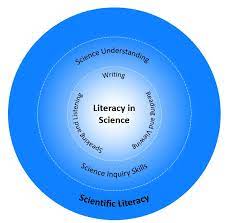
10 Ways to Infuse Literacy into Your Science Instruction

Introduction:

Integrating literacy strategies into science teaching not only encourages the development of reading skills but also promotes critical thinking and problem-solving abilities in students. In this article, we’ll explore 10 different ways to incorporate literacy into your science instruction to foster deeper understanding and meaningful learning experiences.

1. Engage in science-themed read-alouds:

Choose engaging fiction or non-fiction books related to your science topics to read aloud. This exposes students to accurate scientific concepts and vocabulary while developing their listening and comprehension skills.

2. Utilize text-based discussions:

After reading a scientific article, encourage students to engage in small-group or whole-class discussions to clarify, question, and debate information from the text.

3. Incorporate science journals:

Ask students to document their observations, questions, ideas, and reflections in a science journal. This practice helps them organize their thoughts and reinforce new concepts.

4. Use graphic organizers:

Graphic organizers, such as concept maps or flowcharts, can help students visualize the connections between science concepts and structure their understanding of the content.

5. Integrate close reading techniques:

Teach close reading strategies that enable students to extract pertinent information from complex science texts. Encourage them to highlight key words, annotate main ideas, and analyze visuals like graphs and diagrams.

6. Promote inquiry-based learning:

Have students collaborate in small groups to complete hands-on investigations that require problem solving, observation, data collection, and analysis. This process naturally fosters engagement with scientific texts and vocabulary.

7. Implement writing-to-learn activities:

Incorporate short writing assignments such as summaries or reflections about new scientific knowledge or laboratory experiments. These tasks provide opportunities for students to solidify their understanding while practicing writing skills.

8. Employ content area writing assignments:

Challenge students with longer research projects or more formal informational reports that require mastery of scientific concepts and source citation.

9. Teach note-taking and study skills:

Show students how to organize their learning, identify main ideas, and summarize information from a variety of sources, in order to facilitate comprehension and retention of scientific content.

10. Use digital tools and resources:

Introduce students to digital platforms such as educational apps or interactive simulations that can help them interact with the material more effectively and support their literacy development.

Conclusion:

Incorporating these 10 strategies into your science instruction not only cultivates a deeper understanding of scientific concepts for your students but also builds their literacy skills that are crucial for academic success across disciplines. By fostering a love of learning and ensuring strong literacy foundations, you’re setting your students up for a lifetime of achievement in both science and other subject areas.

12 Engaging Activities for Teaching Charlotte’s Web

Introduction:

Charlotte’s Web is a beloved children’s book written by E.B. White that tells the story of a young pig named Wilbur and his friendship with a barn spider named Charlotte. This heartwarming tale teaches children important lessons about friendship, determination, and the cycle of life. Here are 12 engaging activities to use while teaching Charlotte’s Web in your classroom.

1. Character Word Webs:

Have your students create word webs for the main characters in the story. Use words from the text or brainstorm adjectives to describe each character, and then connect these words using lines to form a web-like structure.

2. Vocabulary Building:

Introduce vocabulary words from the book, such as “humble,” “radiant,” and “salutations.” Have students practice using these words in context by creating flashcards or completing fill-in-the-blank activities.

3. Plot Retelling:

Have students work in pairs or small groups to retell the story in their own words, focusing on major plot points and character developments.

4. Compare and Contrast:

Discuss the similarities and differences between farm life during the time period of the novel (1950s) and today. Assign a research project or have students create a Venn diagram comparing farm life then and now.

5. Journal Writing:

Encourage daily journal writing, with prompts such as “Describe how you would feel if you were Wilbur” or “How would you handle Templeton’s selfishness?” Encourage students to think about events from their own lives that relate to those in the story.

6. Barnyard Scavenger Hunt:

Plan a scavenger hunt for items mentioned within the book, such as straw, corn husks, hay, or feathers. This can either be done outside or inside with pictures of these items hidden around your classroom.

7. Classroom Read-Alouds:

Have students practice their reading aloud skills by taking turns reading chapters from the book. Encourage expression and proper pacing to ensure comprehension and engagement.

8. Act It Out:

Create a simple script with dialogue from the story, and have your students perform a play of certain scenes from Charlotte’s Web. Assign roles and provide props, such as a spider web made from yarn or string.

9. Creative Writing Prompts:

Challenge students’ writing skills by giving them imaginative prompts like “Write an alternate ending for the story” or “Imagine you are Charlotte, create a plan to save Wilbur.”

10. Spelling Contests:

Hold weekly spelling bees using vocabulary words from the book, creating a fun and competitive environment for students to learn new words.

11. Art Projects:

Incorporate art into your lessons by having students create illustrations of their favorite scenes or characters, or designing book covers for their own versions of Charlotte’s Web.

12. Life Cycle Studies:

Explore the life cycle of spiders in science class, discussing how spiders lay eggs, molt, and grow into adults. Use visuals and diagrams to help students understand the different stages in a spider’s life.

Conclusion:

Charlotte’s Web is a timeless classic filled with valuable lessons that children can learn through creative and engaging activities. By incorporating these 12 activities into your curriculum, you’ll provide your students with memorable ways to connect with the text while building important language arts skills.