Middle School Education

20 Fun Grammar Activities to Engage Middle School Learners

Grammar can sometimes feel like a daunting subject for middle school students, as it involves learning rules and analyzing sentence structures. To make the learning process more engaging and enjoyable, here are 20 fun grammar activities that can be easily incorporated into a middle school classroom.

1. Mad Libs: Students create silly stories by filling in the blanks with appropriate parts of speech.

2. Grammar Bingo: Create a Bingo card with different grammar rules or terms, and have students mark off each one when they find an example in a text.

3. Parts of Speech Relay Race: Divide the class into teams and give each team a list of words. Students race to categorize the words by their parts of speech.

4. Sentence Scramble: Cut sentences into individual words, mix them up, and have students work together to reassemble them correctly.

5. Error Hunt: Provide students with texts containing grammar mistakes and ask them to identify and correct them.

6. Grammar Jeopardy: Divide the class into teams, and quiz them on grammar rules using the Jeopardy game format.

7. Noun Art Gallery: Have students draw pictures representing different nouns (person, place, thing) and display them around the room.

8. Verb Charades: Students act out verbs while their classmates guess which action they are performing.

9. Pronoun Skits: Students perform short skits using only pronouns to communicate.

10. Homophone Pictionary: Two teams compete to identify and draw homophones correctly.

11. Collective Noun Matching Game: Match collective nouns with their corresponding examples (e.g., flock of birds).

12. Contraction Memory Game: Create cards with contractions on one side and their separate words on the other; students work in pairs to match them correctly.

13. Adjective Fashion Show: Students dress up as adjectives, describing themselves or objects in the classroom.

14. Preposition Basketball: Students shoot small balls into baskets labeled with prepositions while describing the action (e.g., “The ball is over the basket”).

15. Active and Passive Voice Relay: Teams race to rewrite sentences in active or passive voice, depending on the teacher’s instructions.

16. Adverb Songwriting: Students create songs using adverbs to describe actions or emotions.

17. Suffix and Prefix Puzzle: Students work in pairs to find prefixes or suffixes that create new words when added to given root words.

18. Synonym and Antonym Jeopardy: Students compete to identify synonyms or antonyms of given vocabulary words.

19. Sentence Conquering: Provide students with complex sentences and have them break them into simpler sentences by identifying different parts of speech, phrases, and clauses.

20. Grammar Station Rotation: Set up various grammar activities around the room, allowing students to move from station to station, completing each activity and reinforcing different grammar rules.

By incorporating these engaging activities into your middle school classroom, you can make grammar lessons more interactive and enjoyable for your students, leading to a better understanding of how language works.

20 Highly Engaging Integer Activities for Middle School

Introduction

Middle school math can sometimes be challenging, especially when it comes to integers. To help students engage and enjoy their integer lessons, try incorporating these 20 highly engaging integer activities into your lesson plans.

1. Integer War

Using a deck of cards with positive and negative values, students compete against one another in a game of war, comparing integers to see who has the higher value.

2. Integer Bingo

Create bingo cards with integer-based problems, and as you call out solutions, have your students mark off the corresponding equation on their cards.

3. Number Line Races

Using an integer number line, have students move a game piece back and forth to practice adding and subtracting integers with a competitive twist.

4. Integer Trading Game

Students use play money or tokens representing different integer values to trade with one another based on set goals or challenges.

5. Integer Relay Races

Set up multiple integer problems at different stations around the room and have teams compete in a race format, solving problems at each station before moving on.

6. Zero Pairs Activity

Have students create visual representations of zero pairs using colored chips or counters to understand the concept of combining positive and negative values.

7. Integer Jeopardy

Utilize an online template or create your own Jeopardy-style game featuring categories related to integers for students to answer while building score accumulations.

8. Integer Scavenger Hunt

Place integer-related questions or problems around the classroom for students to find and solve independently or in groups.

9. Puzzle Piece Matchup

Mix up puzzle pieces that represent integers and provide a problem that corresponds with each solution, having students match the correct pieces together.

10. Integer Four Corners

Label each corner of the room with an integer operation; addition, subtraction, multiplication, and division. Have students choose a corner representing their answer choice when given a problem.

11. Integer Concentration

Utilize a memory-matching activity, having students uncover pairs of integer problems and their correct solutions.

12. Integer Hopscotch

Create a hopscotch board with integer problems instead of numbers and have students solve the problems as they jump through the squares.

13. Interactive Integer Board Game

Allow students to create their own board game with integer-based challenges or questions to engage in an interactive, group learning experience.

14. Integer Riddles

Test your class’ problem-solving abilities with interesting and thought-provoking integer riddles.

15. Integer Sudoku

Replace regular Sudoku numbers with integers and challenge your students to solve the puzzles individually or in groups.

16. Integer Maze

Provide students with a printable maze filled with integer operations as obstacles to reach the exit by successfully completing each operation.

17. Create Your Own Word Problems

Have students develop their integer word problems and share them with their classmates to solve, fostering creativity and collaboration.

18. Integer Skits

Give groups of students different integer scenarios for which they must create a short skit explaining the concept to the rest of the class.

19. Integer Art Project

Have students create artistic representations of integers and various operations using colors, shapes, or patterns to visually represent integers’ concepts.

20. Integer Dominoes

Adapt classic dominoes by replacing dots with either positive or negative values, encouraging players to match corresponding values when placing their pieces down.

Conclusion

By incorporating these highly engaging integer activities into your middle school mathematics curriculum, you can foster a greater understanding of integers and their operations while keeping your students interested and motivated to learn.

7 Ways to Keep Middle Schoolers Motivated in May and June

As the school year winds down and summer looms closer, middle schoolers often face an all-too-common struggle: staying motivated. With long-awaited vacations on the horizon, it can be a challenge to keep them engaged in their studies during May and June. Here are seven ways to help middle schoolers stay focused during the final stretch.

1. Set short-term goals: Break down assignments and projects into smaller, manageable tasks that can be completed quickly. This will help students experience a sense of accomplishment more frequently, keeping them motivated to finish what’s left on their plate.

2. Create a reward system: Encourage your middle schooler to set their own rewards for completing work, like choosing an after-school activity or earning extra screen time. This not only motivates them but also fosters a sense of responsibility and ownership over their academic success.

3. Keep things fun and interactive: Spice up classroom activities by incorporating games, art projects, or other engaging activities related to the subject matter. Creating an enjoyable learning environment can be just the ticket for encouraging continued enthusiasm.

4. Maintain a routine: Consistent schedules allow students to feel a sense of security and predictability in their day-to-day lives. Stick to regular routines for homework, mealtimes, and bedtime to avoid any unnecessary stressors that may hinder motivation.

5. Encourage collaboration: Group projects or study sessions with peers can help keep middle schoolers engaged in their work while fostering social connections. Collaborating on a task not only makes it more enjoyable but also holds students accountable to one another.

6. Provide positive feedback: Acknowledge your middle schooler’s hard work and celebrate their achievements, big or small. This validation not only boosts self-esteem but also encourages continued effort as they strive for more success.

7. Involve them in decision-making: Allow your middle schooler some autonomy when it comes to selecting assignments, topics, or projects. Offering a sense of choice can provide motivation as they take ownership of their learning.

In conclusion, maintaining motivation in middle schoolers during the final months of the school year can be challenging. By using these tips, parents and educators can help students stay engaged and focused as they finish off the academic year strong.

30 Teacher Recommended Horror Books for Middle School

As a middle school teacher, one of the best ways to engage students in reading is by introducing them to the thrilling world of horror books. Over the years, teachers have compiled a list of horror books that can spark the interest of middle schoolers. In this article, we will share 30 teacher recommended horror books for middle school students.

1. Coraline by Neil Gaiman

2. Goosebumps Series by R.L. Stine

3. The Graveyard Book by Neil Gaiman

4. Wait Till Helen Comes by Mary Downing Hahn

5. Doll Bones by Holly Black

6. The Lockwood & Co. Series by Jonathan Stroud

7. The House with Chicken Legs by Sophie Anderson

8. Small Spaces by Katherine Arden

9. The Girl from the Well by Rin Chupeco

10. Serafina and the Black Cloak by Robert Beatty

11. The Night Gardener by Jonathan Auxier

12. Spirit Hunters by Ellen Oh

13. Bunnicula: A Rabbit-Tale of Mystery by James Howe

14. Scary Stories to Tell in the Dark Series by Alvin Schwartz

15. School for Good and Evil Series by Soman Chainani

16. The Jumbies by Tracey Baptiste

17. Took: A Ghost Story by Mary Downing Hahn

18. Shadow School: Archimancy by J.A White

19. Slasher Girls and Monster Boys (Anthology) edited by April Genevieve Tucholke

20. Bad Girls Don’t Die series by Katie Alender

21. The Girl Who Wasn’t There  an Invisible World Series book 1 )Laura Lee Runtz

22. Hoodoo Mountain Blues(Filmitalia book series ) Francesca Lolobrigida

23.  Magic Is Normal: A Midnight Society case file #1 Eloise Midgarden

24. A Portal to another dimension:(movie Review series)Jordan Kimmel

25. Frankie Bevy’s boogeyman Catherine O’Hara

26. Unraveling Witches:young witches 1 Marisa Penrose

27. Black Heart Forest(Book club Mystery series)Sheri Wilson

28. Mary Hades series diaries Sarah Dalton

29. Gravity of terror: Dracula runs for President! Larry Delawny

30. Ghosts of Grimmsley : A Suee (The Otherside Series) Paula Rhodes

These 30 books will ignite the imagination of middle school students and transport them into the eerie world of horror stories. Most of these books have a great combination of spooky suspense, interesting characters, and captivating plots that would keep readers hooked until the last page. Teachers can use this list as a starting point to provide an entertaining reading experience for their students while exposing them to various literary elements, themes, and styles that make up the vast world of horror literature.

20 Awesome Middle School Girls Activities

In the middle school years, girls are exploring new interests and building social connections while adjusting to the challenges of adolescence. To help them thrive during this critical time, we’ve compiled a list of 20 awesome activities geared towards middle school girls. These activities are designed to help young girls learn new skills, make friends, and have fun in a supportive environment.

1. Art Club: Drawing, painting, sculpture – the possibilities are endless in an art club tailored for middle school girls.

2. Book Club: Encourage a life-long love for reading by creating a space for middle school girls to discuss their favorite books and authors.

3. Science Workshops: Empower budding scientists with hands-on learning opportunities in astronomy, biology, physics, and more.

4. Creative Writing Group: Nurture creativity and self-expression through journaling, poetry, short stories, and playwriting.

5. Theatre Arts Program: Participate in drama classes or join school productions to build confidence and discover the joy of performing.

6. Sports Teams: Soccer, basketball, volleyball – there’s no shortage of sports for middle school girls to participate in and develop teamwork skills.

7. Dance Classes: From ballet to hip-hop, dance classes provide a fun and active way for middle school girls to express themselves.

8. Music Lessons and Band/Orchestra Ensembles: Build musical skills by learning an instrument or joining a school band or orchestra ensemble.

9. STEM Club: Inspire future engineers and tech innovators through robotics, coding projects, and app development workshops.

10. Nature/Outdoor Club: Spend time exploring the great outdoors through hiking trips, nature walks, or gardening projects.

11. Yoga & Mindfulness Classes: Introduce stress-relieving practices like yoga and meditation to help middle school girls cope with daily pressures.

12. Newspaper or Yearbook Staff: Develop writing and graphic design talents while documenting memorable moments from the school year.

13. Cooking and Nutrition Classes: Foster healthy habits through hands-on cooking lessons and nutrition education sessions.

14. Entrepreneurship Club: Learn about business planning and marketing while working on a practical project like a school store or fundraiser.

15. Peer Mentoring Programs: Create connections between girls of different ages by pairing older students as mentors for younger ones, fostering lasting friendships and support networks.

16. Language Clubs: Expand cultural horizons by exploring the study of different languages, such as Spanish, French, or Mandarin.

17. Photography Club: Develop an eye for composition and learn technical photography skills through group outings and photo editing tutorials.

18. Jewelry Making and Fashion Design Workshops: Encourage creativity by teaching girls how to make their own accessories or design outfits from scratch.

19. Volunteer Opportunities: Teach middle school girls the value of giving back by helping others through community service projects like tutoring younger children, cleaning local parks, or participating in food drives.

20. Public Speaking Workshops: Hone communication skills with public speaking lessons that cover body language, speech structure, and presentation techniques.

By encouraging middle school girls to participate in these diverse activities, we can help them grow academically, socially, and emotionally—setting them up for success throughout their lives.

Teaching Social and Emotional Learning in Grades 6-12

Introduction

Social and emotional learning (SEL) is a crucial aspect of education, particularly for adolescents in grades 6-12. During these years, students experience significant cognitive, emotional, and social growth. As they navigate an increasingly complex world, it becomes imperative for educators to support their development through teaching social and emotional skills. This article will discuss the importance of teaching SEL in grades 6-12 and offer strategies for successful implementation in the classroom.

The Importance of Social and Emotional Learning in Grades 6-12

Research has consistently demonstrated the benefits of SEL for adolescents. Students who receive quality SEL instruction show greater academic success, improved mental health, better interpersonal relationships, and reduced risk of substance abuse and other negative behaviors. Furthermore, SEL also contributes to a safe and supportive learning environment by reducing bullying rates, improving school climate, and fostering a growth mindset.

Teaching SEL helps prepare students for the challenges they will face in high school, college, career readiness, and beyond. By focusing on skills such as self-awareness, self-management, social awareness, relationship skills, and responsible decision-making, educators can empower adolescents to become resilient problem solvers with strong coping strategies.

Strategies for Implementing SEL in Grades 6-12

1. Curriculum Integration: One way to incorporate SEL into the classroom is by integrating it into core content areas such as English language arts, mathematics, science, social studies/security_statements/world languages/”>world languages</a>, and physical education/health. For example, an English class can analyze characters’ emotions and motivations in literature or promote empathy-building through reading about diverse perspectives.

2. Explicit Instruction: Teachers should explicitly teach SEL skills using age-appropriate techniques. Roleplay exercises are particularly effective in teaching communication skills or resolving conflicts among peers.

3. Reflection Opportunities: Journals or reflective writing prompts can help students cultivate self-awareness and develop a deeper understanding of their emotional experiences. Integrating reflective practices into the curriculum can also encourage metacognition and personal growth.Collaborative Learning: Promote positive group dynamics by assigning cooperative learning tasks that require teamwork and interpersonal skills. Students can collaborate on projects, engage in constructive criticism, and solve challenges together.

4. Teacher Modeling: Educators should model appropriate social and emotional behaviors for their students. Providing real-life examples to demonstrate the importance of empathy, respect, effective communication, and other SEL principles can help students internalize these values.

5. Parent Engagement: Involving parents in SEL initiatives is crucial for creating a supportive home environment that reinforces the lessons learned at school. Educators can provide resources

6. School-Wide Approach: To create a consistent culture of SEL, schools should implement these principles throughout the entire campus. This includes administrative support, training for teachers/staff members, and incorporating SEL into ongoing evaluations of student progress/additional learning plans.

Conclusion

Teaching social and emotional learning in grades 6-12 is essential for nurturing well-rounded adolescents who are equipped to navigate the challenges of today’s world. Through intentional integration of SEL principles into daily lessons, educators play a critical role in fostering healthy emotional development and creating collaborative problem-solvers for future generations.

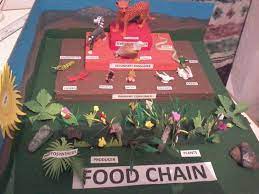
20 Fun Food Chain Activities for Middle School

Introduction: Learning about the food chain plays a crucial role in understanding the balance of life in our ecosystem. Engaging middle school students with hands-on and enjoyable activities will not only teach them valuable lessons but also create an interest in science. Here is a list of 20 fun food chain activities designed specifically for middle school students.

1. Create a Food Web: Divide students into groups, assign each group an ecosystem, and ask them to create a visual representation of the food web within it.

2. Edible Food Chains: Have students build edible food chain models using different types of snacks as representations of each organism.

3. Predator vs. Prey Tag: Play a game where some students act as predators and others as prey, relating it back to the food chain concept.

4. Food Chain Charades: Students act out roles in the food chain through classic charades rules.

5. Build-a-Biome Project: Assign different ecosystems for students to research and design their own diorama including plants and animals found there.

6. Food Chain Jenga: Customize a Jenga set with food chain facts, requiring students to state facts when they successfully remove blocks.

7. Interactive Online Simulations: Explore various food chains via virtual games that teach students about different habitats and environmental interactions.

8. Trophic Level Pyramid: Students construct a pyramid visually representing the trophic levels in an ecosystem.

9. Owl Pellets Dissection: Dissect owl pellets to examine the bones of prey species and learn their role in the food chain.

10. Research Endangered Species: Have students research endangered species in their local area and discuss ways human intervention has impacted their food chains.

11. Energy Flow Race: Organize a relay race that represents different trophic levels and energy loss at each level within a food chain.

12. Invasive Species Debate: Conduct a class debate on the impacts of invasive species on food chains.

13. Decomposition Time Lapse: Create a time-lapse video of decomposition by burying food items in a designated area and periodically observing them.

14. Food Chain Mobiles: Students create hanging mobiles representing a specific food chain using paper cutouts, string, and creativity.

15. Pond-Dipping Exploration: Organize a field trip to a pond to explore aquatic organisms and their roles in the food chain.

16. Nature Scavenger Hunt: Plan a scavenger hunt where students will identify different plants or animals involved in the food chains around the school grounds.

17. Create an Ecosystem Board Game: Students create their own board game based on the food chain interactions within a specific ecosystem.

18. Classroom Herbivore Challenge: Grow vegetable plants and discuss their role as primary producers and what it takes to support human herbivores.

19. Recycling Relay: Play a relay race where students sort trash into categories representing different trophic levels, discussing how waste affects ecosystems in return.

20. DIY Mini-Greenhouse Project: Have students build mini-greenhouses to grow plants, learning about the role of primary producers in initiating food chains.

Conclusion: With these engaging activities, middle school students will gain an understanding and appreciation of the food chain and its importance within our environment. These fun hands-on experiences make learning science enjoyable and memorable, fostering a lifelong love for ecology, nature, and sustainability.

20 Fun Water Cycle Activities for Middle School Students

1. Create a Water Cycle Diorama: Have students build a three-dimensional diorama to represent the water cycle, complete with mountains, rivers, and evaporating bodies of water.

2. Mini Water Cycle Experiment: Using a plastic container filled with water, students can create their own mini-water cycle by covering the container and placing it under a heat source.

3. Cloud in a Jar: In this simple experiment, students will see how clouds form by simulating the process using a jar, shaving cream, food coloring, and water.

4. Musical Water Cycle: Students can work together to come up with lyrics and melody to create an educational song about the various stages of the water cycle.

5. Make an Edible Water Cycle Model: Using food items like cotton candy for clouds and gelatin for water bodies, students can create an edible model of the water cycle.

6. Design a Water-Saving City: In groups, students can design a hypothetical city with features that conserve water and promote efficient use of resources.

7. Water Cycle Skits: Assign roles such as evaporation, condensation, precipitation, etc., and have students perform informative skits that explain their part in the water cycle process.

8. Create a 3D Poster: Students can design artistic posters illustrating the different phases of the water cycle using materials like clay or paper mache.

9. DIY Rain Gauge: Guide students in constructing their own rain gauge from recycled materials to measure rainfall during real-world weather events.

10. Weather Station Field Trip: Take your class on a field trip to a local weather station to connect what they’ve learned about the water cycle to real-world meteorological applications.

11. Interactive Web-Based Activities: Utilize online resources that offer virtual labs or interactive games related to the water cycle understanding process.

12. Write Haiku Poems about The Water Cycle: Encourage creativity and appreciation of the water cycle by writing haiku poems focused on its different stages.

13. Watch Water Cycle-Themed Films: Screen educational videos or documentaries that explore the intricate world of water cycles and how they affect our environment.

14. Create a Water Cycle Board Game: Students can create their own board game encompassing various elements of the water cycle, turning learning into a fun competition.

15. Write a Water Cycle Story: Allow students to compose short stories or narratives about a day in the life of a water droplet as it journeys through the water cycle.

16. Build a Solar Still: Teach students about evaporation and condensation by building a solar still, using simple materials like plastic sheeting, sunlight, and patience.

17. The Great Water Race: Organize an obstacle course based on the water cycle, with each station representing one phase of its journey.

18. Collaborative Water Cycle Mural: Combine art and teamwork by having students paint a large-scale mural depicting the water cycle in vivid detail.

19. Water Cycle Debate: Hold debates on controversial topics related to water resources, conservation, and climate change to encourage critical thinking among students.

20. Design an Infographic: Assign each student a specific part of the water cycle to research and design an infographic that, once combined, visually explains the entire process.

These engaging water cycle activities not only teach middle school students about this crucial natural process but also inspire curiosity, creativity, and environmental consciousness within their young minds.

20 Engaging Empathy Activities for Middle Schoolers

Introduction:

Empathy, a vital life skill, plays a crucial role in building strong and healthy relationships. Teaching middle schoolers empathy fosters their emotional intelligence and instills compassion for others. The following activities are designed to engage middle school students, encourage them to understand and share the feelings of others, and promote an accepting and supportive environment.

1. Role Swap: Have students swap roles with a classmate to gain insight into each other’s emotions, habits, and preferences.

2. Share a Story: Encourage students to share stories about moments when they felt empathy or when someone empathized with them.

3. Group Discussions: Facilitate group discussions on various real-life scenarios that evoke empathy and understanding.

4. Emotional Charades: Have students act out different emotions using facial expressions, body language, and gestures while others guess the emotion being portrayed.

5. Empathy Mapping Exercise: Guide students through creating empathy maps for different characters or individuals in varying situations.

6. Gratitude Journaling: Students maintain gratitude journals, documenting daily acts of kindness they have witnessed or experienced.

7. Peer Interviews: In pairs, students interview each other about personal experiences related to empathy for better comprehension and concurrence.

8. Sentence Starters: Provide sentence starters such as “I felt understood when…” or “I appreciated when…” and have students complete the statements to cultivate reflection on empathetic experiences.

9. Reading Emotions Exercise: Create flashcards with pictures of people displaying various emotions; have students identify the emotion depicted on each card.

10. Watch Movies/TV Shows: Have your class watch age-appropriate movies or TV shows that exemplify empathy themes for initiating discussions about situations displayed in this content.

11. Empathy Bracelets: Students create bracelets representing acts of kindness; they exchange these items with peers as tokens of their shared humanity.

12. Walk in Others’ Shoes: Students exchange shoes for a day with classmates and write about their experiences and gained insights from this symbolic gesture.

13. Classroom Meetings: Regularly host class meetings where students can openly discuss their feelings, challenges, and conflict-resolution strategies.

14. Acts of Kindness BINGO: Create a BINGO card featuring various acts of kindness. As students complete these actions, they mark off squares on their cards.

15. Partner Art Projects: Students collaborate on different art projects that promote themes of empathy and understanding.

16. Role-Playing Scenarios: Prepare scripts portraying everyday problems or conflicts that require empathy-based solutions and have the students participate in role-play activities.

17. Explore Cultural Differences: Have students research and present information about different cultures to foster understanding and respect for diversity within the class.

18. Book Clubs: Organize book clubs across the school year where students read literature based on empathy-related themes, enhancing their emotional intelligence.

19. Empathy Points Game: Students earn points for empathetic behaviors displayed throughout the school day, offering an incentive for actively practicing these skills.

20. Volunteering Services: Encourage students to participate in volunteering opportunities, connecting them with people or issues requiring empathy firsthand.

Conclusion:

Incorporating engaging empathy activities into the middle school curriculum promotes a more compassionate classroom environment. By fostering empathy, students develop critical life skills that help create successful, emotionally intelligent individuals prepared to navigate life’s challenges with kindness and understanding.

A Technology-Dependent Lesson Plan for Middle Schoolers

Introduction:

In an increasingly digital world, incorporating technology into the classroom is essential for maintaining student engagement and ensuring they are prepared for the future. Embracing technology within the classroom allows teachers to create a more dynamic and interactive learning experience, resulting in higher student achievement. This article will provide an overview of a technology-dependent lesson plan specifically designed for middle school students, with an emphasis on fostering collaboration, critical thinking, and technological literacy.

Objectives:

1. To engage middle school students in a technology-rich learning environment

2. To enhance teamwork and communication skills through group activities

3. To improve critical thinking skills by creating challenging tasks

4. To develop digital literacy and familiarity with various forms of technology

Materials Needed:

1. Laptops or tablets for each student

2. Internet access

3. Presentation software (e.g., PowerPoint, Google Slides)

4. Digital resource platform (e.g., Google Classroom, Edmodo)

Lesson Plan Outline:

1. Warm-Up Activity (15 minutes)

– Have students discuss in groups how they currently use technology in their daily lives

– Share experiences as a class and identify potential advantages of integrating technology into education

2. Group Research Project (40 minutes)

– Divide students into small groups

– Assign each group a specific topic related to real-world applications of technology (e.g., smart homes, self-driving cars, wearable tech)

– Students work together to research their assigned topic using their laptops or tablets

– Each group is responsible for creating an informational presentation on their findings using presentation software

3. Presentation and Peer Review (20 minutes)

– Groups present their findings to the class

– Students and teacher evaluate each presentation’s content and clarity, providing constructive feedback

4. Reflection Activity (10 minutes)

– Students individually respond to the following prompts in writing:

– How did technology help you understand your assigned topic better?

– What challenges did you face using technology during this lesson?

– How can technology improve your learning experiences moving forward?

6. Conclusion (5 minutes)

– Teacher leads a short discussion to recap the lesson and answer any remaining questions

– Encourage students to continue exploring the role of technology in society and its impact on their personal and educational lives

By implementing this technology-dependent lesson plan, middle school teachers can effectively engage their students, foster collaboration and critical thinking abilities, and cultivate digital literacy. As young learners evolve within a technologically-driven society, such skills are invaluable for preparing them for future academic and professional successes.