Middle School Education

23 Perfect Sensory Play Obstacle Course Ideas

Introduction:

Sensory play is a vital aspect of a child’s development, as it enhances their cognitive, physical, and motor skills. One engaging and interactive way to incorporate sensory play into a child’s life is through obstacle courses. Here are 23 perfect sensory play obstacle course ideas that can be easily set up at home or school to stimulate children’s senses and keep them entertained.

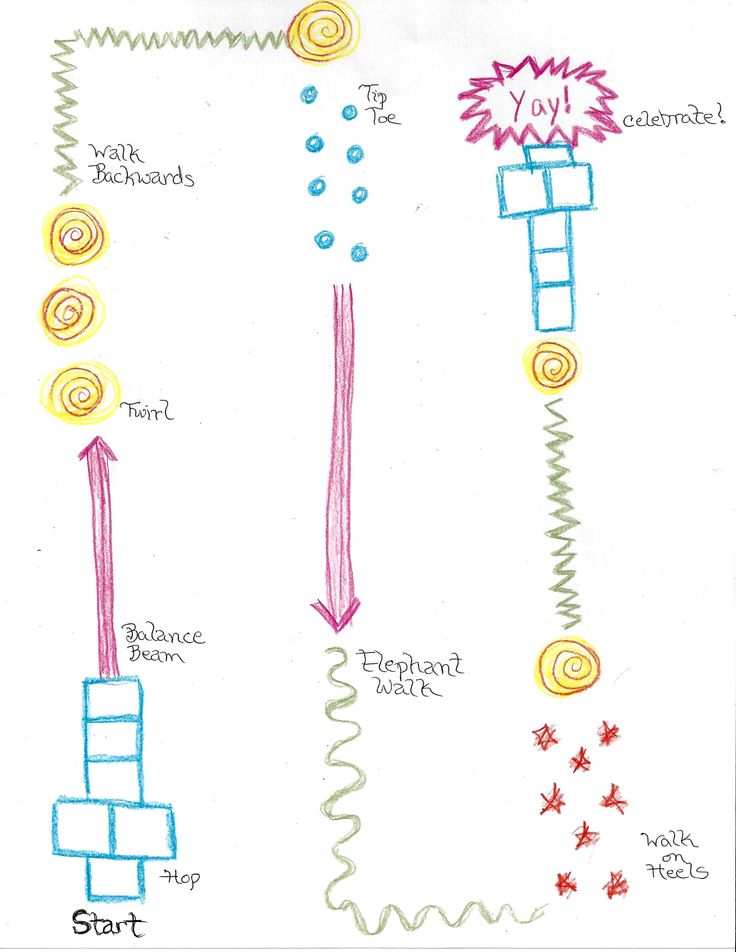
1.Bubble Wrap Runway: Lay out a long piece of bubble wrap on the floor and let children walk, crawl or jump on it to enjoy the popping sounds and sensation.

2.Water Balloon Walk: Fill small balloons with water and have children step on or squeeze them while navigating through the course.

3.Sensory Bin Crawl: Set up bins filled with different materials (sand, dry rice, water beads) that children can crawl through and explore using their hands.

4.Balance Beam: Use a sturdy plank or balance beam for children to practice balancing while walking across.

5.Scented Path: Spray various scented objects with different essential oils for kids to identify smells along the obstacle course.

6.Tactile Wall: Create stations with various textures like sandpaper, foam boards, or soft fabric for children to feel as they pass by.

7.Blindfold Walk: Blindfold the child and have them navigate through the course using only their sense of touch and guidance from others.

8.Sound Stations: Set up stations with different noise-making toys or objects for children to discover along the pathway.

9.Art Crawl: Have children use their hands/feet to paint a surface by navigating through paint-filled trays positioned along the course path.

10.Pool Noodle Maze: Create a maze using pool noodles by attaching them vertically or horizontally in various arrangements throughout the obstacle course.

11.Sticky Paper Walk: Lay down contact paper with the sticky side up and have children walk over it, feeling its stickiness and collecting objects underneath their feet.

12.Shaving Cream Walk: Fill a shallow tray with shaving cream and let your kids walk or crawl through it for a delightful sensation.

13.Silly Hat Relay: Let children wear different textured or funny hats while going through the obstacle course.

14.Flashlight Find: Place small objects throughout a darkened room and let kids navigate the course using flashlights to find them.

15.Musical Obstacle Course: Play music as children go through the obstacle course, changing the rhythm of background music to influence their speed or movements.

16.Bean Bag Toss: Set up targets throughout the course for children to throw bean bags at and promote hand-eye coordination.

17.Tunnel Crawl: Set up tunnels made of fabric or large cardboard boxes for kids to crawl through as part of the obstacle course.

18.Feather Balance Relay: Kids can balance a feather on their finger or nose while navigating the course.

.19String Maze: Create a web of string throughout the obstacle course, which children must duck under, step over, or follow to navigate.

20.Light and Shadow Play: Set up materials like colored cellophane, flashlights, and translucent objects to create captivating shadow projections throughout the course.

21.Textured Gloves: Have kids wear gloves with different textures as they go through each obstacle to engage their sense of touch more dynamically.

22.Ice Cube Station: Set up a tray with ice cubes for children to hold them with their bare hands for as long as they can while moving along the obstacle course.

23.Sensory Hula Hoop Loop: Place multiple connected hula hoops on the ground for kids to step in while simultaneously holding onto one another’s shoulders in a loop formation.

6 People That Need to Be on Every Middle School Teaching Team

Middle school is an essential stage in a child’s educational journey. It’s the time when students develop a sense of who they are, embrace more complex subjects, and forge relationships with their peers and teachers. To ensure that middle school students receive the best possible education and support, it is vital to have a strong teaching team with diverse skills and roles. Here are six people that need to be on every middle school teaching team.

1. Dedicated Principal

The success of any teaching team starts at the top. A dedicated principal sets high standards for both the students and staff while fostering a positive learning environment. They are responsible for making necessary decisions, managing resources efficiently, and ensuring that the school remains focused on its primary purpose: student growth and development.

2. Creative English Teacher

A creative English teacher can inspire students to love literature, engage with complex ideas, and develop their writing skills. By using innovative teaching strategies and incorporating technology into lessons, an English teacher can empower their students to become effective communicators—the cornerstone of success in any field or industry.

3. Engaging Math Teacher

A passionate math teacher is essential for helping students overcome their fears of numbers and equations. With an engaging approach, a math teacher can demonstrate how mathematics is a critical part of everyday life and equip students with problem-solving skills they will need throughout their academic careers.

4. Enthusiastic Science Teacher

Middle school science teachers have the opportunity to ignite students’ curiosity about the natural world around them. An enthusiastic science teacher can create fascinating experiments, teach problem-solving through scientific inquiry, and provide hands-on learning experiences that foster a love for science in their students.

5. Caring Counselor

As middle school students navigate uncertainties, emotional ups-and-downs, and significant life changes, having access to a caring counselor is crucial. Counselors support students’ mental health needs by addressing personal issues, facilitating peer mediation, and connecting with families to ensure students are feeling supported inside and outside the classroom.

6. Supportive Special Education Teacher

Inclusion is vital for all students within a learning community. A supportive special education teacher aids students with unique needs or disabilities, tailoring their instructional approaches to each student’s individual requirements. By collaborating closely with general education teachers, special educators create an inclusive environment that ensures every child has the opportunity to succeed.

In conclusion, a well-rounded middle school teaching team is composed of diverse individuals who bring their expertise and dedication to the classroom. These six people – a dedicated principal, creative English teacher, engaging math teacher, enthusiastic science teacher, caring counselor, and supportive special education teacher – are essential for developing an environment where students thrive academically and emotionally.

35 Super Fun Middle School Summer Activities

Introduction:

The sun is shining, and school is out for the summer! It’s time to make the most of these warm, sunny days. Here are 35 super fun middle school summer activities to keep your kids entertained while creating lasting memories.

  1. Play water balloon dodgeball to cool off and exercise at the same time.
  2. Host a DIY movie night in your backyard with a projector and a white sheet.
  3. Have a bike parade around your neighborhood with friends and family.
  4. Plant a garden and learn about different plants, flowers, and vegetables.
  5. Start a book club with friends and read exciting novels together this summer.
  6. Go on a nature scavenger hunt in your local park or forest.
  7. Learn to cook simple, healthy recipes with family members.
  8. Participate in volunteer activities in your community like tree planting or helping the elderly.
  9. Organize an outdoor picnic with friends at a local park or beach.
  10. Tie-dye old t-shirts or bed sheets for a fun, colorful craft project.
  11. Visit local museums and art galleries to explore arts, history, and culture.
  12. Make homemade ice cream flavors with fresh fruits and ingredients.
  13. Explore nearby hiking trails and discover different plants, animals, and landscapes.
  14. Sign up for a summer camp focused on sports, arts, or education.
  15. Create useful items from recycled materials in crafts sessions with friends or siblings.
  16. Attend outdoor concerts or festivals celebrating music, food, or cultural events.
  17. Learn essential survival skills like building fires, compass navigation, and first aid during camping trips.
  18. Have an outdoor painting session using nature as inspiration and creating beautiful artworks.
  19. Create your own board game or card game that friends can play together during hangouts.
  20. Build sandcastles on the beach to improve problem-solving and planning skills.
  21. Learn a new musical instrument or improve your skills on one you already know.
  22. Hold a garage sale, where you sell old toys, clothes, and books to fellow neighborhood kids.
  23. Write a short story, poem, or book with friends and take turns reading and discussing your works.
  24. Invent a new sport using unconventional materials and have friends join for friendly competitions.
  25. Visit monuments or historical sites in your area to learn about the history of your region.
  26. Create an obstacle course in your backyard with hula hoops, ropes, and other objects for some friendly competition.
  27. Attend outdoor theater performances in the park with family and friends.
  28. Travel to a nearby town or city with family members for a day trip adventure.
  29. Plan a local culture day – explore multicultural food joints, attend cultural events, or participate in workshops related to various traditions present in your region.
  30. Go on guided nature walks to learn about local wildlife and their habitats.
  31. Join sports leagues to stay active while socializing with peers who share an athletic interest.
  32. Participate in creative writing clubs or poetry slams to improve language skills and public speaking abilities creatively.
  33. Uncover self-defense techniques by joining martial arts classes, boxing training sessions or self-defense programs for middle schoolers.
  34. Schedule team-building activities like escape rooms with friends to strengthen problem-solving skills and teamwork abilities.
  35. Research and develop your entrepreneurial skills by creating a small business plan or starting a summer lemonade stand.

Conclusion:

Enjoying the summer doesn’t have to be expensive or complicated! With these 35 super fun middle school summer activities, your kids will have no trouble finding adventure around every corner this season while staying active and learning new things along the way!

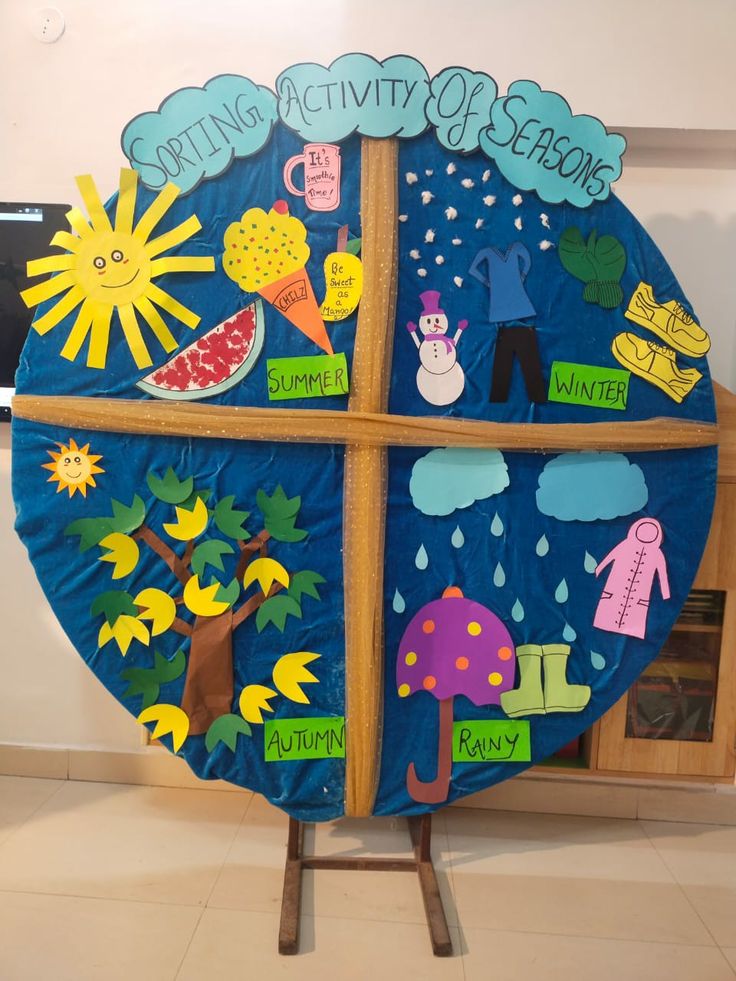
20 Seriously Fun Seasons Activities for Preschool

Introduction:

Seasons change throughout the year, bringing experiences and opportunities for youngsters to explore. Teaching preschool children about different seasons and their characteristics can be both entertaining and educational. Here are 20 seriously fun seasons activities for preschool to engage your little ones while keeping their minds active.

1.Leaf Sorting: Collect various leaves from outside and sort them according to size, shape, or color. This helps children recognize the differences among leaves in various seasons.

2.Seasonal Sensory Bins: Create sensory bins filled with items representing each season, such as snow, sand, or leaves. Sensory play improves fine motor skills while teaching about seasonal changes.

3.Weather Chart: Make a weather chart to track daily changes throughout the year.

4.Rainbow Umbrella Craft: During the rainy season, a colorful umbrella helps children learn about rainbows while providing a useful tool for those drizzly days ahead.

5.DIY Snow Globe: Design homemade snow globes with winter-themed items, such as tiny trees and glitter snowflakes.

6.Sand Playdough: Make sand-infused playdough for kids to mold into beach objects and ocean creatures during summer.

7.Apple Picking Field Trip: Organize a visit to a local apple orchard to learn about autumn’s harvest.

8.Seasonal Nature Walks: Nature walks encourage little learners to discover seasonal changes in plants and animals that live within their local surroundings.

9.Bird Feeders: Build bird feeders using eco-friendly materials and observe the unique birds attracted during different seasons.

10.Ice Melting Experiment: Explore how water transitions from solid ice to liquid by conducting an ice-melting experiment using bowls of warm water.

11.Seasonal Collage Art: Collect seasonal objects and create a collage showcasing each season’s unique aspects.

12.Pumpkin Carving and Decorating: Welcome fall by carving pumpkins and decorating them with various art supplies.

13.Grow a Seasonal Garden: Plant seasonal flowers or vegetables in small pots, teaching preschoolers about the growth of plants in the different seasons.

14.Kite Flying Fun: Fly homemade kites on windy spring days, presenting kids with a chance to decorate their creations!

15.Leaf Rubbings: Engage your avid artists with leaf rubbings to create colorful designs with crayons on paper.

16.Seasonal Scavenger Hunt: Design scavenger hunts that encourage children to search for objects representing each of the four seasons.

17.Snow Ice Cream: Make edible snow ice cream using freshly fallen snow, milk, sugar, and vanilla extract – winter fun for all!

18.Flower Pressing: Observe beautiful summer blooms by pressing flowers and leaves in books for a keepsake.

19.Butterfly Lifecycle Study: Teach children about the lifecycle and transformation of butterflies during spring with a live butterfly habitat kit.

20.Dress-up Relay Race: Create a relay race where students must wear clothing from different seasons at each point before passing the baton.

Conclusion:

Teaching preschoolers about seasons can be an engaging and hands-on experience using these 20 seriously fun activities. These activities encourage creativity, critical thinking, teamwork, and a curiosity for nature as they explore their surroundings throughout the year.

24 Theme Activities for Middle School

Introduction:

Middle school can be a challenging yet exciting time for both students and teachers. To help keep students focused and motivated during this transitional period, it is essential to incorporate engaging activities that cater to their interests and learning needs. Here, we present 24 theme-based activities designed explicitly with middle schoolers in mind. These activities are an excellent way for teachers to maintain student enthusiasm while fostering creativity, collaboration, and critical thinking skills.

1.History Through Art: Have students recreate significant historical events through various art forms such as paintings, sculptures or collages.

2.Literary Cafe: Host a gathering where students pair snacks with book-inspired dishes then discuss their favorite books in a casual setting.

3.Science Fair: Encourage students to design experiments exploring topics within their curriculum and present their findings for the school community.

4.Math Scavenger Hunt: Hide math problems around the school and challenge teams to find them and solve the problems.

5.Mock Stock Exchange: Teach students about investing by simulating a stock market experience and tracking gains or losses.

5.International Food Festival: Invite students to prepare dishes from various countries while learning about each culture’s customs and cuisine.

6.Stage a Mock Election: Teach democracy in action by holding a simulated election for class or school officers.

7.Superhero Science: Explore scientific principles through hands-on experiments inspired by superhero powers like flight, x-ray vision or telekinesis.

8.Public Speaking Workshops: Develop communication skills by organizing a workshop where students practice delivering speeches on topics of their choice.

9.Start Your Own Business Day: Students learn entrepreneurship by creating mock businesses, budgeting resources and marketing products or services.

10.Debate Competition: Encourage critical thinking by challenging teams to research topics and present opposing arguments in a debate competition format.

11.Code Breakers Club: Teach basic computer programming through interactive, collaborative coding challenges.

12.Nature Walk and Journaling: Take students outdoors to observe nature, then write reflective journal entries about their experience.

13.Engineering Challenge: Encourage group problem-solving by giving teams materials to design and build projects such as bridges or catapults.

14.TED Talk Tuesdays: Show selected TED Talks and hold discussions focused on the themes presented in the videos.

15.Poetry Slam: Provide a platform for students to share and perform their original poetry or read their favorite pieces by other poets.

16.Board Game Design Competition: Students create their unique board games based on particular themes, subjects, or historical events.

17.Green Living Day: Organize workshops where students explore environmental issues and learn ways to live more sustainably.

18.World Music Appreciation: Expand cultural horizons by introducing students to global music genres and rhythms.

19.Theater Arts Workshop: Develop creativity and expression through improvisations, playwriting, directing, or costume design sessions.

20.College and Career Exploration: Help prepare students for life after middle school by organizing activities that expose them to potential career paths.

21.Multicultural Days: Celebrate different cultures through presentations, food samplings, activities, or performances reflecting each culture’s unique traits.

22.Food Science Explorations: Learn about nutrition and culinary science by conducting kitchen experiments that dive into the origins of various foods.

23.DIY Drone Obstacle Course: Teach basic principles of physics while constructing an obstacle course for remote-controlled drones.

Conclusion:

These 24 theme-based activities provide middle school teachers with engaging ways to spark student interest across various subject areas while promoting critical thinking, problem-solving and collaboration skills necessary for success in today’s world. Your classroom will be even more dynamic and engaging with these fun educational activities!

Powerful Ways to Teach Hunger to Your Middle School Students

Introduction:

Hunger remains a critical issue across the globe even in today’s modern world. It is crucial that we teach our youth, especially middle school students, about hunger and ways to address it. Here are some powerful ways educators can teach the topic of hunger in an engaging and impactful manner.

1. Start with Storytelling

Begin by sharing real-life stories of people who experience hunger daily. Personalize the experience, so students can empathize and engage in active discussions. Incorporate multimedia sources like documentaries or news articles for a more profound understanding.

2. Use Numbers and Statistics

Expose your students to statistics about global hunger to put things into perspective. Highlight the number of people suffering from malnutrition, food shortages, and famine. A visual representation, like an interactive world map, can provide tangible insight into the severity of the issue.

3. Organize Field Trips

Arrange for a visit to a local food bank, homeless shelter, or soup kitchen to allow students real-life exposure to issues related to hunger in their community. Opportunities to serve meals or volunteer time can create powerful connections and civic engagement.

4. Integrate Hunger Themes in School Projects

Incorporate hunger themes in various subjects like math, science, social studies, and literature. For instance:

   – Math: Calculate the amount of food wasted each day

   – Science: Explore innovative farming techniques

  – Social Studies: Discuss socio-economic factors contributing to hunger

   – Literature: Read books featuring characters affected by hunger

5. Promote Problem-Solving Skills

Inspire your students to brainstorm solutions by having them participate in projects related to solving world hunger issues, like organizing canned food drives or developing a community garden program.

6. Debates and Discussions

Have your students participate in debates about topics such as nutrition policies and local initiatives designed to address hunger issues within their communities. Encourage respectful and thoughtful discussions to inspire critical thinking and engagement.

7. Collaborate with External Organizations

Invite representatives from organizations like World Food Programme or Feeding America to speak to your students about their work in combating hunger. Such interactions allow students to develop a deeper understanding of the challenges and complexities involved.

8. Set-up Learning Clubs

Establish clubs focused on fighting hunger in school, allowing students to join together and create awareness drives, organize fundraisers, or even launch a school pantry program for families in need.

Conclusion:

Teaching middle school students about hunger is an essential step in creating awareness and nurturing empathy towards disadvantaged populations. Using these powerful techniques will not only build understanding but also inspire young minds to contribute towards mitigating this global crisis.

11 Unique Middle School Electives that Students and Teachers Love

Middle school is a valuable time for students to explore their interests and discover new passions. One way they can do this is through electives, which are optional classes that allow students to delve into subjects outside the standard curriculum. These creative, unique, and engaging electives have the potential to inspire and motivate both students and teachers.

1. Robotics

Robotics gives students the chance to build, program, and operate their own robots using cutting-edge technology. This elective boosts critical thinking, problem-solving, and teamwork skills while introducing students to potential careers in engineering, computer science, and other STEM fields.

2. Film production

In film production electives, students learn about storytelling techniques and use video editing software to create their short films or documentaries. This class fosters creativity while teaching valuable skills in scriptwriting, cinematography, editing, directing, and sound design.

3. Entrepreneurship

Students with a knack for business can try their hand at entrepreneurship and learn what it takes to run a company successfully. This elective provides essential skills like market research, product creation, marketing strategies, negotiation tactics, and financial management.

4. Graphic design

A graphic design elective allows artistically inclined students to explore digital art creation using software such as Adobe Illustrator or Photoshop. Students can develop their portfolios while learning about color theory, typography, branding, layout design, and more.

5. Creative writing

Aspiring writers can hone their skills through creative writing electives that focus on storytelling across various genres: poetry, short stories, screenplays, or novels. Lessons often include workshopping participants’ pieces for constructive critique.

6. Environmental science

Environmentally-conscious students can delve into sustainability practices, climate change challenges, ecosystems management and other environmental concerns in this elective course. Activities might involve field trips to local nature reserves or green initiatives within the school.

7. World cultures

Students curious about exploring different countries, cultures, languages, and traditions can take a world cultures elective. This class can help promote global awareness and understanding while often incorporating games, crafts, music, and food from around the world.

8. Podcasting

In a podcasting elective, students learn how to create engaging audio content, conduct interviews, edit sound files and publish their podcasts. The course may also introduce podcast marketing and monetization.

9. Culinary arts

Culinary arts electives expose students to various cooking techniques, nutrition principles, global cuisine flavors, and food presentation skills. Classes often consist of hands-on learning in a kitchen setting.

10. Personal finance

In personal finance courses, students learn practical money management skills such as creating budgets, saving strategies, calculating taxes, and understanding credit. This invaluable knowledge prepares adolescents for responsible financial decision-making as they mature.

11. Service-learning

Service-learning electives combine community service experiences with relevant lessons based on reflection and critical thinking. Students not only have the opportunity to contribute to their community but also develop empathy and leadership skills.

These unique electives allow middle schoolers to expand their horizons beyond traditional subjects while developing essential life skills. Providing these opportunities can inspire lasting passions in students while fostering an engaging learning environment for both teachers and learners alike.

6 Ways Any Teacher Can Be a Positive Role Model for Middle School Students

Middle school can be a crucial period in a student’s life, as they transition from childhood into their teenage years. One essential factor that can help middle school students succeed academically and emotionally is support from positive role models. Teachers play a significant role in shaping these young minds and helping them grow into well-rounded individuals. Here are six ways any teacher can be a positive role model for middle school students:

1. Display enthusiasm for learning

When a teacher demonstrates excitement for teaching and learning, it creates an infectious atmosphere where students feel motivated to engage in the classroom activities. Enthusiasm breeds curiosity, prompting students to explore other subjects and activities outside the classroom. By exhibiting passion for education, teachers inspire students to enjoy learning and develop lifelong skills.

2.URL_PATTERN_SAFE-/values.doc”>Emphasize the importance of values

Teachers should strive to model good behavior and emphasize the importance of values such as honesty, respect, responsibility, and perseverance. By demonstrating how these values are essential in everyday life, teachers provide students with concrete examples of how they can apply such lessons to their lives outside of school.

3. Foster independence and decision-making skills

Encourage middle school students to make choices and decisions that are socially acceptable and beneficial to their personal growth. Teachers can do this by providing opportunities for students to participate actively in class, make choices about assignments or projects, and solve problems independently. This method helps build self-confidence while also equipping students with practical decision-making skills.

4. Build strong relationships with students

By forging personal connections with their students, teachers create an environment that is comfortable and safe for students to express themselves openly. Genuinely caring about each student’s well-being helps create a sense of belonging, impacting the way a student approaches learning at this critical stage in their development.

5. Maintain open communication

Transparent communication between teachers, students, and parents is vital in ensuring the best possible outcomes for each student. Maintain open lines of communication with parents to discuss student progress and offer suggestions on how to offer support at home. Listen actively to student concerns and address any issues promptly and professionally.

6. Encourage extracurricular involvement

Middle school is an excellent opportunity for students to explore different interests through involvement in extracurricular activities. Encourage students to participate in clubs, sports, or other after-school programs, which can provide essential social and emotional benefits such as teamwork, time management, communication skills, and stress relief.

In conclusion, being a positive role model as a middle school teacher requires enthusiasm for learning, modeling strong values, fostering independence and decision-making skills, developing personal relationships with students, maintaining open communication lines, and encouraging extracurricular involvement. By doing so, teachers set the foundation for their students’ successful transition into adulthood while also equipping them with valuable life skills.

What Teaching Feminism Looks Like in My Middle School Classroom

Introduction:

In today’s constantly evolving society, teaching feminism in middle school classrooms has become increasingly vital. As a classroom teacher, my role extends beyond teaching academic subjects; I also have the responsibility of guiding my students towards becoming compassionate and empathetic individuals who can understand and appreciate different perspectives. In this article, I will share my experiences and strategies for incorporating feminism into my teaching practices, ultimately fostering a more empathetic and equal world for all.

Creating an Inclusive Environment:

The first step in teaching feminism in middle school is to create a safe, inclusive environment where discussions about gender are welcomed. This is accomplished by:

1) Setting clear expectations about respectful classroom behaviors.

2) Ensuring that all students feel comfortable expressing their opinions and sharing their experiences, while acknowledging that these conversations may be uncomfortable for some.

3) Emphasizing the importance of empathy and understanding in all aspects of the curriculum.

Discussing Key Concepts:

During class discussions, it’s essential to introduce pivotal feminist concepts such as patriarchy, gender norms, intersectionality, and consent. I strive to contextualize these ideas by connecting them to events from history or current events that students can relate to. For instance:

1) Discussing the patriarchy through the lens of ancient civilizations helps students understand how established power structures impact gender roles.

2) Analyzing advertising campaigns targeting children highlights how toxic gender norms perpetuate stereotypes.

Intersectional Feminism:

Another critical aspect of teaching feminism is exploring the concept of intersectionality – understanding that different layers of personal identity can be oppressed or marginalized. Through discussions on race, socio-economic status, and sexual orientation, we unify students under the banner of fighting for equality on various fronts.

Engaging Students with Creative Projects:

To ensure that students grasp these complex ideas while remaining engaged, I assign a variety of creative projects. These assignments may include:

1) producing a podcast or short film that discusses feminism,

2) designing a collage reflecting gender stereotypes and norms,

3) crafting an original poem or essay that explores personal experiences related to feminism.

Continuing the Conversation:

Teaching feminism in middle school is not a one-time occurrence – it’s crucial to ensure the conversation continues throughout the school year. By connecting feminism to other subject areas and integrating it into the curriculum, students will continue to reflect on gender issues and foster a better understanding of societal equality.

Conclusion:

By teaching feminism effectively in middle school classrooms, we impart essential values of empathy, tolerance, and understanding. In turn, this lays the foundation for meaningful discussions about gender equality throughout their academic careers and beyond. Overall, incorporating feminist principles in my teaching practices has been an enriching experience resulting in a more insightful and inclusive classroom environment.

23 Exciting Cell Projects For Middle Schoolers

1. Edible Cell Model

Put those creative and culinary skills to use! Ask students to create an edible model of a cell using cake, candy, and various other treats.

2. 3D Printed Animal or Plant Cell

Introduce kids to technology by allowing them to design and print a 3D model of animal or plant cells.

3. Pipe Cleaner Cell Model

Using pipe cleaners, have the students craft the cellular structures and organelles.

4. Clay Cell Model

Students can use air dry or oven-bake clay to create a colorful, hands-on representation of cell organelles.

5. “Who am I?” Organelle Game

Make flashcards that contain a description or image of an organelle and have students guess what it is.

6. Recycled Materials Cell Model

Challenge creativity by urging students to use recycled materials from home to craft a cell model.

7. Digital Storytelling About Cells

Ask students to create digital slideshows or videos telling the unique story of different cell organelles.

8. Comparing Plant and Animal Cells

Students can research, diagram, and write about the similarities and differences between plant and animal cells.

9. Origami Organelles

Turn biology into a fine motor activity by having students make tiny origami models of different organelles.

10. Mitosis Animation Project

In small groups, they can create an animated video explaining and depicting mitosis process using online tools or stop-motion animation techniques.

11. Cellopoly Board Game

Devise a fun cell-themed board game that tests players’ knowledge of organelles and their functions while staying educationally engaging.

12. Create-Your-Own Super Organism

Encourage students’ imaginative side by inventing an organism (real or imaginary) with unique cells that have special abilities or features.

13. Tactile Cell Model

Craft a cell model using materials like foam, sandpaper, and other textured items to create a tactile learning experience.

14. Giant Cell Puzzle

Transform middle schoolers into budding biologists by instructing them to build jumbo-sized cell puzzle pieces, labeling each piece as the organelle it represents.

15. Science Rap Difference Challenge

Inspire students to create a fun and educational rap that explains the differences between prokaryote and eukaryote cells.

16. Cell Idea Collage

Using magazines or internet resources, students can create a collage board demonstrating different aspects of cells.

17. DIY Cell Diffusion Demonstrations

Task kids to create simple hands-on experiments that illustrate the principles of diffusion and osmosis in cells.

18. Cell Fashion Show

Combine science and fashion by directing students to design an outfit inspired by an organelle or cell function.

19. Organelle Championship

Hold a debate where pairs of children represent different organelles complete with descriptions, slogans, and reasons why their organelle is better than the others.

20. Cell Analogy Project

Students should relate cells to daily life by creating analogies comparing cells with everyday objects or structures (e.g., cell = city).

21. Online Cell Simulation Game

Assign students an online simulation game that allows them to explore different aspects of cells interactively.

22. Cell Vocabulary Skits

Assign groups of students different vocabulary words related to cells for which they must create short skits to explain their word’s meaning.

23. Cells Around Us: Field Trip or Nature Walk

Take the class on a nature walk or field trip where they can observe diverse examples of plant and animal life, encouraging them to identify various cell types in real-world contexts.