Middle School Education

21 Nervous System Activities for Middle School Students

Introduction:

The nervous system is an essential part of the human body, responsible for sending, receiving, and processing information. Teaching middle school students about the nervous system can be both engaging and enlightening. Here are 21 fun, hands-on activities to help students learn about the nervous system in an interactive way.

1.Brain Hat: Students create paper hats that illustrate different parts of the brain and their functions.

2.Reflex Tennis Ball Test: Have students test their reflexes by catching a tennis ball dropped from various heights.

3.Neuron Clay Model: Using clay, students create models of neurons to learn about their structure and function.

4.Synapse Candy Activity: Using candy and toothpicks, students build models of synapses to understand how nerve cells communicate.

5.Sensory Exploration Stations: Set up stations around the classroom for students to explore different senses (e.g., touch, smell, taste, hearing).

6.Nervous System Charades: Students act out various actions related to the nervous system while others guess the terms.

7.Optical Illusion Art Project: Have students create optical illusion art pieces to demonstrate how our eyes process visual information.

8.Create a Neuron Puzzle: Students cut out pieces of a neuron image and then reassemble them like a puzzle.

9.Blindfolded Taste Tests: Students participate in blindfolded taste tests to explore their sense of taste and nerves involved in this process.

10.Brain Hemisphere Dominance Survey: Administer a survey to determine whether students are left-brain dominant or right-brain dominant.

11.Memory Games: Students play memory games to test their short-term memory skills and observe the role of their brains in retaining information.

12.Virtual Dissection: Provide online resources where students can perform virtual dissections of the brain or other parts of the nervous system without the need for actual specimens.

13.Sensory Adaptation Experiment: Have students adapt to various stimuli (such as a weighted backpack) and then discuss their experience from the perspective of the nervous system.

14.Mirror Drawing Activity: Students attempt to draw images while only observing a reflection in a mirror, showcasing the role of hand-eye coordination.

15.Create a Nervous System Poster: Students create informational posters about different parts of the nervous system or specific functions of nerves.

16.Signal Transmission Game: Students form a line and pass on a message using a mix of spoken words, whispers, and gestures to understand how signals are transmitted through neurons.

17.Electromyogram (EMG) Demonstration: Conduct a demonstration with an EMG device to help students understand how electrical signals control muscle movements.

18.Brainstorming Session: Lead brainstorming sessions where students come up with creative ways that they can improve their own brain functions and nervous system health.

19.Nerve Cell Impulse Animation: Show animations or videos that teach students how nerve cell impulses travel throughout the body.

20.Braille Activity: Teach students about Braille, have them create their own Braille messages, and then allow them to use their sense of touch to decode them.

21.Yoga for Brain Health: End your lesson with some simple yoga exercises that promote relaxation and help improve overall brain health.

Conclusion:

Implementing these 21 nervous system activities into your middle school curriculum can create an engaging learning experience for students while helping them gain a deeper understanding of their body’s complex neural network.

20 Engaging Immigration Activities for Middle School Students

Introduction:

Immigration is a rich, complex topic that lends itself perfectly to engaging middle school students. It touches on various disciplines, including history, geography, and sociology and encourages students to develop empathy and cultural understanding. The following 20 activities can help middle school teachers to create engaging, inclusive lessons centered around the theme of immigration.

1.Immigration Timeline: Create a visual timeline of immigration to the United States with the students, highlighting key historical events that influenced immigration patterns.

2.Personal Migration Stories: Encourage students to interview family members or community members about their personal immigration stories and share them in class presentations.

3.Comparing Immigration Policies: Have students research and compare immigration policies from different countries around the world.

4.Map It Out: Ask students to create annotated maps showing where various immigrant groups have settled in the United States throughout history.

5.Food Fusion: Organize a classroom potluck where students bring in dishes representing their family’s immigrant heritage.

6. Immigration Literature: Read books such as “The Arrival” by Shaun Tan or “Inside Out & Back Again” by Thanhha Lai and discuss the themes of immigration.

7.Virtual Field Trips: Take virtual tours of Ellis Island, Angel Island, or other historical immigration sites using multimedia resources like Google Earth or virtual museum tours.

8.Role-Play Interview: In pairs or small groups, have students role-play an immigrant arriving at Ellis Island and an immigration officer conducting the interview process.

9.Push and Pull Factors: Help students understand the factors that influence migration by exploring push and pull factors in different historical contexts.

10.Immigration Reform Debates: Hold classroom debates on contemporary immigration policy issues, encouraging respectful dialogue guided by factual information.

11.Cultural Showcase: Organize a cultural showcase event where students can share aspects of their own cultures or learn about other cultures represented in their school and community.

12.Migrant Worker Field Report: Research the lives of migrant workers, such as those working in the agriculture and manufacturing industries, and engage students in discussing their challenges and contributions to society.

13.The Refugee Experience: Discuss the distinctions between immigrants and refugees, exploring the unique challenges faced by refugees resettling in new countries.

14.Family Tree Project: Have students create a visual representation of their own family’s immigration journey through a research-based family tree project.

15.Language Barrier Activity: Organize activities that demonstrate the challenges associated with language barriers and discuss ways to support newly arrived immigrants in acquiring language skills.

16.Immigration Laws: Explore the evolution of immigration laws in the United States, discussing major pieces of legislation such as the Chinese Exclusion Act or the Immigration and Nationality Act.

17.Artistic Expression: Encourage students to create art projects such as poems, paintings, or sculptures that represent their understanding of immigration and its impact on individuals and communities.

18.Guest Speakers: Invite local immigrants, historians, or community leaders to speak to your class about their personal experiences or offer historical perspectives on immigration.

19.Film Study: Screen relevant films such as “An American Tail,” “The Golden Door,” or “The Joy Luck Club” and facilitate discussions around themes related to immigration.

20.Service Learning Projects: Collaborate with local organizations assisting immigrants and refugees and develop service learning opportunities for students to engage with these communities directly.

Conclusion:

By incorporating these 20 engaging activities into your middle school curriculum, you can spark curiosity and empathy while enriching students’ understanding of immigration’s multifaceted history, challenges, and opportunities. As they explore issues surrounding immigration from multiple perspectives, your students will become more informed global citizens ready to tackle complex social issues with thoughtfulness and respect.

20 Precautionary Lab Safety Activities for Middle School

Introduction:

Lab safety is a critical aspect of science education, especially for middle school students. Engaging in precautionary lab safety activities can help students understand the importance of following safety rules and practices. Here are 20 precautionary lab safety activities that you can implement in your middle school classrooms.

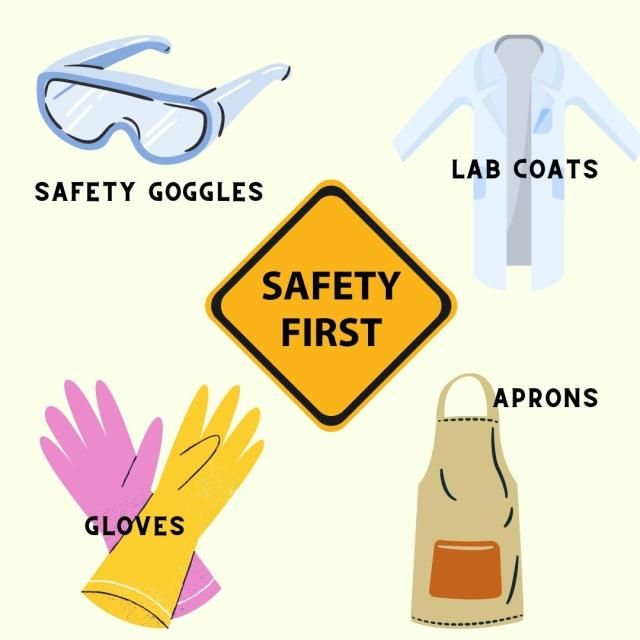
1.Safety Scavenger Hunt: Construct a scavenger hunt by hiding lab safety items around the classroom, such as goggles, gloves, and aprons. Students must locate these items and explain their purpose.

2.Safety Equipment 101: Familiarize students with essential lab safety equipment, such as fire extinguishers and eye-wash stations, explaining their usage and location in the lab.

3.Poster Creation: Assign groups to create posters featuring lab safety rules or symbols specific to your classroom, which can serve as visual reminders for your students.

4.Hazardous Substances Quiz: Develop a quiz to test students’ knowledge about the classification of hazardous substances and appropriate storage techniques.

5.Proper Lab Attire Demonstration: Showcase examples of appropriate lab attire, including long pants, closed-toe shoes, and hair tied back.

6.Role-Playing Scenarios: Create scenarios for students to act out various laboratory accidents while others identify hazards and suggest prevention methods.

7.Labeling Practice: Organize a labeling exercise where students practice identifying unlabeled containers by analyzing their contents and applying appropriate hazard labels.

8.Emergency Drill: Conduct emergency drills covering spills, fire emergencies, or accidental injury to familiarize students with necessary procedures.

9.Lab Inspection Checklist: Provide inspection checklists allowing students to assess the safety of their workspace and identify potential hazards or infractions.

10.Waste Disposal Competition: Organize a competition regarding the correct disposal of various materials while emphasizing the significance of proper waste management in labs.

11.Lab Safety Skits: Encourage students to perform skits emphasizing the importance of lab safety and potential consequences of neglecting safe practices.

12.Safety Prioritization: Engage students in discussions to brainstorm risks associated with specific laboratory activities and outline strategies to minimize such hazards.

13.Chemical Handling Lesson: Teach students the proper techniques for handling chemicals, including reading labels, measuring, mixing and pouring.

14.Science Safety Jeopardy: Play a jeopardy-style game based on lab safety topics testing students’ knowledge about procedures and precautions.

15.Safe vs. Unsafe Situations: Show images of various lab situations and ask students to identify if they are safe or unsafe, discussing the reasons why.

16.Personal Protective Equipment (PPE) Fashion Show: Organize a fashion show where students model proper PPE attire while explaining the necessity of each item.

17.Incident Reporting Practice: Offer information about reportable lab incidents and guide students through the process of reporting accidents or hazardous incidents.

18.Glassware Identification Activity: Introduce several different types of glassware common in labs and provide guidelines on their appropriate usage to prevent breakage or accidents.

19.Lab Equipment Relay Race: Organize a relay race where students must quickly identify, gather, and set up various pieces of lab equipment safely and correctly.

20.Safety Rules Pledge: Provide each student with an individualized lab safety pledge card to sign, ensuring their commitment to maintaining a safe laboratory environment.

Conclusion:

Implementing these 20 precautionary lab safety activities in your middle school science classrooms will help foster a culture of safety while promoting responsible behavior in the laboratory setting. By engaging in hands-on learning experiences, your students will be better prepared to handle both routine and unexpected events in their future science education endeavors.

20 Growth Mindset Activities for Middle School Students

Introduction:

A growth mindset is the belief that intelligence and abilities can be developed through dedication, hard work, and perseverance. This mindset encourages students to embrace challenges, learn from criticism, and take risks. Here we present 20 growth mindset activities specifically designed for middle school students to help them develop this essential life skill.

1.Goal Setting Workshop:

Organize a goal-setting workshop where students set their personal, academic, and extracurricular goals for the semester. Encourage them to focus on the process of achieving these goals rather than just the end result.

2.Encourage Collaborative Learning:

Pair up students with different skill sets and learning styles to work on projects or assignments together, fostering a sense of teamwork and mutual development.

3.Praise Effort, Not Natural Talent:

When praising a student’s work, focus on their determination, creativity, and persistence rather than their innate talent or ability.

4.Create a Growth Mindset Wall:

Designate a space in the classroom where students can share their personal growth stories and challenges they have overcome.

5.Brainstorm Solutions to Common Challenges:

As a class, discuss common challenges faced by middle schoolers and brainstorm potential strategies for overcoming these difficulties.

6.Reflective Journaling:

Encourage students to keep a reflective journal where they record their thoughts on their progress towards their goals and explore any challenges they encountered along the way.

7.Explore Historical Figures with a Growth Mindset:

Study famous individuals throughout history who demonstrated strong growth mindsets in overcoming obstacles (e.g., Thomas Edison or Marie Curie).

8.Host a Failure Party:

Invite students to share past experiences when they tried something new but didn’t succeed – reinforcing that failure is an opportunity for learning and growth.

9.Emphasize Continuous Improvement:

Implement regular self-assessment activities in which students acknowledge their progress and plan next steps to continue improving their skills.

10.Growth Mindset quotes and affirmations:

Incorporate inspirational quotes and daily affirmations related to the growth mindset into classroom walls and discussions.

11.Break Down Complex Tasks:

Teach students to break complex tasks into smaller, manageable steps to reduce anxiety and build confidence.

12.Create a Safe Space for Risk-Taking:

Foster an environment where students feel comfortable taking risks, making mistakes, and asking for help.

13.Promote Resilience through Role-Playing:

Have students participate in role-playing activities to practice handling setbacks and overcoming challenges with a growth mindset.

14.Teach Mindfulness Techniques:

Introduce mindfulness exercises, such as meditation or deep breathing, to help students stay balanced and maintain a positive outlook.

15.Encourage Ownership of Learning:

Give students opportunities to design their learning experiences by choosing projects or assignments that are meaningful to them.

16.Explore Different Learning Strategies:

Expose students to multiple learning strategies and teach them how each method caters to different strengths and weaknesses.

17.Read Growth Mindset-themed Books:

Incorporate books centered around growth mindsets, like Carol Dweck’s “Mindset” or Peter H. Johnston’s “Opening Minds,” into the curriculum.

18.Use Peer Mentoring:

Pair older middle school students with younger mentees to provide guidance and support in fostering a growth mindset.

19.Engage Students in STEM Challenges:

Design hands-on science, technology, engineering, and math challenges that can be adjusted according to student abilities, encouraging exploration and problem-solving skills.

20.Celebrate Learning Milestones:

Regularly acknowledge small achievements, recognizing the progress made by each student on their journey of personal development.

Conclusion:

Implementing these 20 growth mindset activities can create an engaging learning environment that empowers middle school students to embrace challenges.

20 Impactful Decision-Making Activities for Middle School

Introduction:

Middle school is a critical time for students to develop decision-making skills that will serve them well throughout their lives. These activities are designed to help middle schoolers practice and improve their decision-making abilities while having fun and engaging with their peers.

1.Pros and Cons List: Have students create a list of pros and cons for a given situation, such as choosing between two extracurricular activities.

2.Would You Rather: Present students with a series of “Would you rather…?” scenarios, prompting them to consider the potential consequences of each choice.

3.Role-Playing: Organize role-playing exercises where students act out different characters facing difficult decisions and discuss the potential outcomes.

4.Solution Brainstorming: Divide students into groups and have them brainstorm potential solutions to hypothetical problems or scenarios.

5.The Decision Tree: Teach students how to construct a decision tree to systematically evaluate multiple factors before making a choice.

6.Values Clarification: Have students identify their core values and discuss how these values influence their decisions.

7.Ethical Dilemmas: Present students with ethical dilemmas and ask them to debate the pros and cons before coming to a consensus.

8.The Trolley Problem: Introduce the classic trolley problem as a thought-provoking exercise in decision-making and ethics.

9.SMART Goals: Teach students the concept of SMART goals (Specific, Measurable, Attainable, Relevant, Time-bound) and have them apply it to personal decisions.

10.Team Decisions: Assign group projects where students must work together to make collective decisions.

11.Voting Exercises: Hold mock elections or debates on various issues, teaching the value of informed decision-making in the democratic process.

12.Coin Flip Consequences: Use coin flips to randomly determine decisions in hypothetical scenarios, then discuss the possible outcomes as a group.

13.The Priority Matrix: Introduce the concept of prioritization and have students develop a matrix to help them evaluate potential decisions.

14.Fact vs. Opinion: Teach students to differentiate between facts and opinions in order to make more informed decisions.

15.Decision Journal: Encourage students to keep a journal of their personal decisions, reflecting on the choices they make and their outcomes.

16.The Marshmallow Test: Conduct the famous Marshmallow Test to teach patience and delayed gratification in decision-making.

17.Decision-Making Styles: Discuss different decision-making styles (e.g., rational, intuitive, emotional) and identify which style suits each student best.

18.If-Then Planning: Teach students to create “if-then” plans for various scenarios to help them make better decisions under pressure.

19.Cost-Benefit Analysis: Introduce the concept of cost-benefit analysis and have students evaluate the trade-offs of different decisions.

20.Bucket List Exercise: Have students create personal bucket lists to teach long-term planning and goal setting in decision-making.

Conclusion:

By incorporating these 20 impactful decision-making activities into your middle school curriculum, you can help students develop life-long critical thinking, problem-solving, and decision-making skills that will set them up for success in all aspects of life.

24 DIY Activities for Middle School Students

Engaging middle school students in creative DIY activities can help them build confidence and develop an array of skills. These activities encourage collaboration, inspire learning, and foster creativity in a fun and interactive way. Here’s a list of 24 DIY activities perfect for middle school students:

1.Slime Laboratory: Create colorful and gooey slime using glue, water, and borax powder.

2.Cardboard Box Fort: Construct a fort using cardboard boxes, masking tape, and markers for decoration.

3.Solar Oven: Build a solar oven from a pizza box, aluminum foil, and black construction paper to cook s’mores using the power of the sun.

4.Newspaper Fashion Show: Design clothing out of newspapers, tape, and scissors.

5.String Art: Create beautiful geometric patterns using string, nails, and wooden boards.

6.Bottle Rocket Launcher: Launch soda bottle rockets into the sky with a PVC pipe launcher fueled by water and air pressure.

7. DIY Lava Lamp: Make your own lava lamp using vegetable oil, water, food coloring, and Alka-Seltzer tablets.

8.Painted Rocks: Decorate rocks with paint, markers or decoupage to create unique works of art.

9.Friendship Bracelets: Learn various knotting techniques to craft one-of-a-kind friendship bracelets with embroidery floss or yarn.

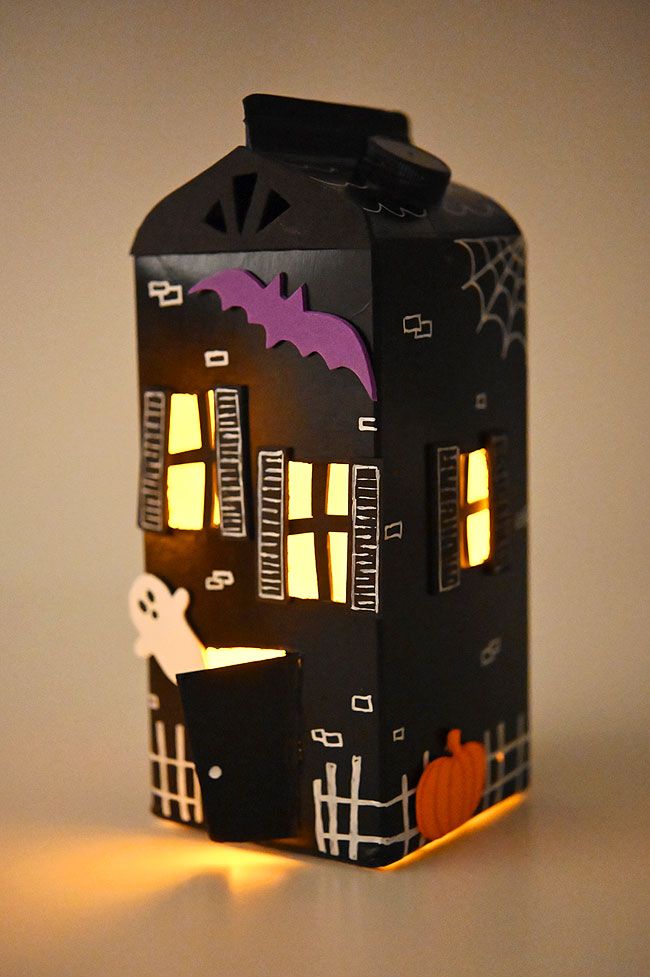
10.Recycled Planters: Turn empty milk cartons or plastic bottles into eco-friendly planters for flowers or herbs.

11.Miniature Garden: Create a miniature garden scene with tiny plants and homemade accessories inside a terrarium or glass jar.

12.Homemade Candles: Melt wax flakes and add colorants or scents to create custom candles in recycled containers.

13.Origami Creations: Master the art of paper folding by creating origami animals or modular structures like origami cubes.

14.Dream Catchers: Craft dream catchers using embroidery hoops, yarn, beads, and feathers to encourage sweet dreams.

15.DIY Bird feeder: Make bird feeders from recycled materials like plastic bottles or milk cartons to attract feathered friends to your backyard.

16.Mosaic Artwork: Break old tiles or plates into pieces and create a colorful mosaic design using glue and grout.

17.Tie-dye T-shirts: Transform plain white shirts into vibrant masterpieces with tie-dye techniques using fabric dye and rubber bands.

18.Clay Sculptures: Experiment with air-dry clay to create unique sculptures or pottery without the need for a kiln.

19.Homemade Lip Balm: Mix beeswax, coconut oil, and essential oils to make customized lip balm in small containers or repurposed lip balm tubes.

20.DIY Puzzles: Use a photograph to create a personalized jigsaw puzzle by printing it on cardstock and cutting it into pieces with a utility knife.

21.Yarn-Wrapped Bottles: Upcycle glass bottles by wrapping them in colorful yarn for decorative vases or centerpiece displays.

22.Crystal Growing: Grow crystals with household ingredients like salt, sugar, or borax to learn about chemistry in a fun way.

23.DIY Marshmallow Shooters: Construct marshmallow shooters using PVC pipes, connectors, and mini marshmallows as ammunition for some friendly competition.

24.Pop-up Greeting Cards: Design pop-up cards with intricate paper cutouts to surprise family and friends for special occasions or just because.

These 24 DIY activities offer endless opportunities for middle school students to exercise their creativity while learning new skills. By encouraging students to work together on these projects, they can foster strong friendships and create memories that will last a lifetime.

23 Fabulously Fun Main Idea Activities for Middle School Students

Introduction:

Discovering the main idea of a passage is an essential reading skill that middle school students need to master. Make learning fun and engaging with these 23 fabulously fun main idea activities specifically designed for middle school students.

1.Main Idea Jigsaw Puzzle: Cut out pieces of an article and have the students work in groups to reconstruct the article by identifying the main idea and supporting details.

2.Headline Matchup: Provide students with a list of headlines and articles. Challenge them to match the headlines to their corresponding articles based on the main ideas.

3.Main Idea Bingo: Create a bingo card with different main ideas, and have students identify passages with those ideas to mark off their cards.

4.Concept Mapping: Ask students to create a visual map illustrating the main ideas and supporting details within a passage.

5.Sentence Elimination: Have students work in pairs to eliminate sentences from a passage that do not relate to the main idea.

6.Main Idea Relay Race: Divide students into teams, and have them race against each other to correctly identify the primary idea in various passages as quickly as possible.

7.Newspaper Scavenger Hunt: Give each student a newspaper and instruct them to find articles whose main ideas correspond with predetermined themes or topics.

8.Sum It Up Challenge: Have students summarize various passages using only ten words or less.

9.Comic Strip Creations: Instruct students to draw comic strips that represent the main idea of a given passage.

10.Main Idea Songs: Encourage students to rewrite classic song lyrics using the theme of identifying key points in content.

11.Skit Development: Assign small groups different passages, with instructions to perform skits highlighting their assigned passage’s central concept.

12.Fusion Sentences: Ask students to combine two seemingly unrelated sentences and create a new sentence revealing the overarching theme connecting them.

13.Main Idea Charades: Similar to classic charades, students act out concepts while their teammates try to guess the main idea.

14.Collaborative Poster Design: Have students work together to create an informative poster displaying the main ideas and supporting details of a chosen text.

15.Balloon Pop Quiz: Fill balloons with quiz questions relating to determining the main idea of specific texts. Students pop balloons to reveal and answer questions in a race against time.

16.Trivia Contest: Organize a trivia contest for which students must provide both the main ideas and supporting details of selected passages.

17.Pyramid of Ideas: Students work in groups, constructing pyramids to represent the structure of a given passage, with the main idea as the apex.

18.Mind-Map Gallery Walk: Display student-generated mind maps illustrating conceptual relationships within texts, then have students tour the gallery and seek connections between creations.

19.Puzzle Race: Divide students into teams who compete against each other by assembling puzzles that reveal passages’ main ideas when completed.

20.Concentration Cards: Create a memory game using cards featuring sentences from texts. Students must match cards based on connections to corresponding main ideas.

21.One-word Summaries: Instruct students to summarize a selected passage by identifying just one word representing its primary concept.

22.Main Idea Haikus: Encourage artistic students by asking them to write haikus summarizing the principal ideas in various texts.

23.Talk Show Host Interviews: Assume the role of a talk show host interviewing main ideas as “guests.” Students, acting as the guests, express their take on particular topics or themes in various texts.

Conclusion:

With these 23 fabulously fun activities, your middle school students are sure to build their skills in identifying main ideas while enjoying an interactive and engaging learning experience.

27 Soothing Anger Management Activities For Middle School Students

Introduction:

Middle school can be a challenging time for students, as it is a period of significant change and development. It’s essential to address anger management skills during these formative years. To help you, we’ve gathered 27 soothing anger management activities that you can share with your middle school students.

1.Deep breathing exercises: Teach your students how to practice deep breathing to slow down their heart rate and relax their minds.

2.Positive self-talk: Encourage students to replace negative thoughts with positive affirmations.

3.Progressing muscle relaxation: Teach your students this beneficial technique that helps release physical tension.

4.Meditation: Incorporate mindfulness meditation into your daily lessons to encourage relaxation.

5.Art therapy: Create an open space for students to express themselves and their emotions through various art forms.

6.Writing a letter: Have students write a letter expressing their feelings and either keep it or share it with someone they trust.

7.Hobbies & interests: Encourage students to engage in hobbies that they enjoy and help them manage emotions, such as sports or playing instruments.

8.Time-out technique: Show students how taking a brief time-out can provide moments of respite from overwhelming situations or emotions.

9.Visualization exercises: Teach your students how imagining peaceful scenarios can help them feel calmer during moments of stress or anger.

10.Role playing: Act out potential anger-inducing situations with your students, and discuss appropriate ways to handle these instances together.

11.Yoga & stretching: Introduce calming yoga poses and stretches that will help reduce pent-up tension in the body.

12.Problem-solving skills development: Work on building problem-solving skills, which will strengthen your student’s resilience and coping mechanisms.

13.Emotional self-awareness tools: Teach your students to recognize and understand their feelings better using emotional literacy resources.

14.Preventing triggers: Encourage your students to identify and avoid potential anger triggers.

15.Reading about emotions: Provide age-appropriate literature that explores various feelings and offers coping strategies

16.Volunteer & help others: Organize opportunities for students to volunteer and give back to their community, building empathy and social skills.

17.Gratitude journal: Introduce regular gratitude journaling as a therapeutic emotional outlet.

18.Music therapy: Encourage students to listen to calming music to alleviate anger-driven emotional turmoil.

19.Assertiveness training: Train students in assertive communication skills, empowering them to express their feelings without causing conflict.

20.Conflict resolution techniques: Teach your students various strategies for resolving conflicts in a non-violent manner.

21.Group therapy activities: Try group counseling sessions that allow students to share their experiences with one another, guided by a qualified counselor or therapist.

22.Safe space room: Provide a dedicated area where students can go when they feel overwhelmed, be it a corner of the classroom or a separate room designed for calming interventions.

23.Establish boundaries & coping plans: Help each student develop personalized coping plans that outline environments, situations, or people that might trigger anger and teach them ways to manage it effectively.

24.Peer mentoring programs: Pair students up with older peer mentors who can offer support and provide positive role models for dealing with anger.

25.Physical activity & sports: Offer various sports and physical activities for students to channel their energy positively.

26.Identify feelings through games: Create games that strengthen students’ ability to recognize their feelings and learn how others might feel in different situations.

27.Emotional expression through drama & role play: Utilize drama activities or skits for exploring emotions in a safe, structured environment.

Conclusion:

Practicing these 27 soothing anger management activities will undoubtedly benefit your middle school students

20 Time Management Activities for Middle School Students

Introduction:

Time management is a crucial life skill that enables students to balance academics, extracurricular activities, and personal interests. Here are 20 time management activities that will help middle school students develop this critical competency.

1.Goal setting:

Have students set SMART (Specific, Measurable, Achievable, Relevant, Time-bound) goals for themselves. This will encourage them to manage their time effectively to achieve those goals.

2.Daily planner:

Assign students to create a daily schedule that outlines their tasks and obligations. Encourage them to set aside time for study, breaks, and personal interests.

3.Prioritize tasks:

Teach students the Eisenhower matrix technique to identify urgent and important tasks; this will help them prioritize their workload and allocate their time accordingly.

4.Time-blocking technique:

Introduce the concept of time-blocking, where students allocate specific time slots for specific tasks, preventing distractions and multi-tasking.

5.Pomodoro Technique:

Encourage students to use the Pomodoro Technique by working in focused intervals followed by short breaks, increasing productivity and maintaining focus.

6.To-do lists:

Instruct students to create daily or weekly to-do lists and cross off completed tasks—a simple yet effective time management strategy.

7.Study groups:

Organize study groups where students can complete assignments or review material together, helping each other stay on schedule.

8.Project planners:

For complex projects or assignments, have students create project plans outlining deadlines and milestones to keep them on track.

9.Task delegation:

Teach middle schoolers the importance of delegating tasks when appropriate. Encourage group projects where roles are assigned accordingly.

10.Mind maps:

Introduce mind mapping techniques for brainstorming ideas or breaking down complex tasks into smaller parts, making it easier to plan assignments.

11.Healthy habits:

Emphasize the importance of regular exercise, good nutrition, and adequate sleep for effective time management and increased productivity.

12.Digital detox:

Encourage periodic breaks from screens and social media to minimize distractions and promote better concentration.

13.Time tracking:

Introduce time tracking apps to help students understand how they spend their time and identify areas for improvement.

14.Reflection:

Encourage students to reflect on their daily accomplishments and challenges, helping them evaluate their time management strategies.

15.Classroom timers:

Use countdown timers in the classroom during assignments, helping students develop a sense of urgency for time-sensitive tasks.

16.Breaks and rewards:

Teach the importance of taking timely breaks and rewarding oneself after completing tasks, improving motivation and productivity.

17.80/20 rule:

Introduce the Pareto Principle (80/20 rule) to help students focus on the most important tasks, contributing to their overall success.

18.Calendar notifications:

Demonstrate how to set calendar reminders for upcoming events, meetings, or deadlines, ensuring that nothing is overlooked amid busy schedules.

19.Teach stress management techniques:

Show students how to manage stress through relaxation exercises such as deep breathing or meditation—important in improving focus and overall time management.

20.Lead by example:

As an educator, model effective time management strategies in the classroom, inspiring students to implement similar practices in their personal lives.

In conclusion, these 20 time management activities offer a strong foundation for middle school students as they navigate a complex array of tasks and responsibilities. Implementing these strategies will instill essential habits that not only contribute to academic success but also pave the way for future life achievements.

23 All About Me Activities For Middle Schoolers

Introduction:

Middle school is an exciting and transitional time for students. It’s a period where they’re discovering more about themselves, exploring new interests, and building connections with their peers. One way to help middle schoolers navigate this challenging stage is by engaging them in ‘All About Me’ activities that encourage self-expression, self-reflection, and personal growth. Here are 23 fun and interactive activities for middle schoolers to explore and learn more about themselves.

1.Autobiographical Collage: Have students create collages using pictures, quotes, and symbols that represent who they are.

2.Time Capsule: Students can create individual time capsules filled with personal artifacts, letters to their future selves, and predictions about the future.

3.Identity Wheel: Create a visual representation of personal identity categories such as race, religion, gender, hobbies, and values.

4.My Life in 7 Words: Challenge students to sum up their lives in just seven words.

5.Personal Coat of Arms: Design a coat of arms that represents family traditions, values, and individual characteristics.

Letters From My Future Self: Students write letters from their future selves to provide advice or encouragement.

6.Self-Portrait Art Project: Encourage creativity through drawing or painting a self-portrait.

7.Six-Word Memoir: Write a memoir using only six words to describe significant life experiences or lessons learned.

8.Family Tree Project: Research genealogy to better understand family history and connections.

9.Vision Board: Create a collage of images representing personal aspirations and goals for the future.

10.Personality Tests: Take online personality tests such as Myers-Briggs Type Indicator or Enneagram to gain insights into individual strengths and weaknesses.

11.Bucket List Creation: Compile personal lists of things to accomplish in a lifetime.

12.Values Exercise: Identify core values and discuss how they inform daily decision-making and life choices.

13.Strengths Inventory: List personal strengths and reflect on how they contribute to success.

14.Life Timeline: Construct a visual timeline of significant life events.

15.Interview With Myself: Write and answer interview questions about personal achievements, historical events witnessed, and life philosophies.

16.A Day in the Life: Document a typical day to uncover routines, preferences, and unique experiences.

17.Comic Strips: Create comic strips depicting everyday situations or important life events, showcasing personal reactions and emotions.

18.Random Acts of Kindness: Perform acts of kindness individually or as a group to foster empathy and compassion.

19.Active Listening Exercises: Work on communication skills by partnering up to share personal stories while practicing active listening techniques.

20.Role Models: Identify role models or mentors who have influenced personal development.

21.Personal Soundtrack: Curate a playlist of songs that represent various aspects of individual identity, life experiences, and passions.

22.Gratitude Journaling: Reflect on daily moments of gratitude to cultivate positivity and appreciation for life’s blessings.

Conclusion:

Engaging in these ‘All About Me’ activities can help middle schoolers better understand themselves, appreciate their own uniqueness, and improve their self-awareness. By providing opportunities for introspection, creativity, and connection with peers, educators can empower students during this crucial developmental stage in their lives.