Middle School Education

20 Engaging Civil Rights Activities for Middle School Students

Introduction:

Introducing the rich history of civil rights to middle school students can be an invaluable learning experience. Fun and engaging activities can not only help students grasp the importance of civil rights but also promote empathy, tolerance, and respect for one another. Here are 20 activities to make learning about civil rights enjoyable and memorable.

1. Timeline Activity: Have your students create a comprehensive timeline of key events in the civil rights movement. Encourage them to include visuals, quotes, and brief descriptions to bring their timelines to life.

2. Role-Playing: Select important civil rights speeches or debates and assign roles to students, who will then perform them for the class.

3. Documentary Screening: Show an educational documentary on the civil rights movement, followed by a group discussion.

4. Field Trip: Organize a field trip to a historical site or museum relevant to the civil rights movement.

5. Creative Writing: Have students write poems or short stories inspired by key events or people from the civil rights movement.

6. Artistic Expression: Allow students to express their understanding of the civil rights movement through drawings, paintings, or collages.

7. Historical Figure Biographies: Assign each student a historical figure from the civil rights movement and ask them to write a brief biography on their assigned figure.

8. Songs of Change: Teach your students the importance of music during the civil rights movement by exploring protest songs and the artists who sang them.

9. Group Presentations: Divide your class into groups and have each group prepare a presentation on a specific topic within the civil rights movement.

10. Photo Analyses: Provide students with powerful images from the civil rights era and have them analyze these images for deeper meaning.

11. Compare and Contrast Essay: Have your students write an essay comparing two historical figures from different eras involved in advocating for civil rights.

12. Virtual Reality Experience: If available, utilize virtual reality technology to allow students to experience important events within the civil rights movement.

13. Mock Trial: Have students participate in a mock trial, such as the landmark case Brown v. Board of Education.

14. Mapping Civil Rights History: Have students map out the locations of major events within the civil rights movement on a map of the United States.

15. Debates: Organize debates where students discuss and defend the opposing arguments of historical figures regarding civil rights issues.

16. Collaborative Mural: Have your class work together to create a mural depicting important events and people in the civil rights movement.

17. Social Media Campaign: Teach students about modern civil rights activism by having them create social media campaigns around contemporary issues.

18. Current Events Connection: Encourage students to relate past civil rights movements to current struggles for equality and human rights worldwide.

19. Quiz Bowl: Host a quiz bowl-style competition within the classroom, focusing on facts and figures from the civil rights era.

20. Reflective Journaling: Have your students keep a reflective journal highlighting their thoughts and feelings after learning about various aspects of the civil rights movement.

Conclusion:

By integrating these engaging activities into your middle school curriculum, you can create a dynamic, meaningful, and powerful learning experience that promotes understanding, empathy, and respect for different backgrounds and histories while nurturing future allies for justice and equality.


22 Activities for New Year for Middle School

The start of a new year is an exciting time for middle school students. It is an opportunity for them to try out new things, make new friends, and grow academically and socially. To help them make the most of this fresh start, here are 22 activities suitable for middle schoolers to engage in during the New Year.

1. Goal setting workshop: Start the year by helping students identify and map out their academic, personal, and social goals.

2. Vision board party: Encourage students to create visual representations of their goals and aspirations using magazines, personal photos, and art supplies.

3. Time capsule project: Students can create individual or class time capsules with personal items and messages to be opened at the end of the school year.

4. Team-building games: Encourage teamwork and cooperation through ice breakers and group games such as “Human Knot” and “Escape Room.”

5. Themed dance party: Host a New Year-themed dance with costume contests, mocktail bar, and fun decorations.

6. Reading challenge: Create a reading challenge where students must read a certain number of books by year’s end, including diverse genres and authors.

7. Volunteer opportunities: Organize volunteer events for students to give back to their community, such as food drives or park cleanups.

8. Talent show: Showcase student talent in areas ranging from singing to magic tricks during a school-wide talent show.

9. Cultural exploration: Organize events where students learn about different cultures through food tastings, presentations, music performances, or dance lessons.

10. STEM workshops: Expose students to science, technology, engineering, and math through hands-on workshops or guest speakers from local industries.

11. Public speaking club: Create a club that helps middle schoolers improve their public speaking skills through activities like speech writing and debate exercises.

12. Fitness challenge: Encourage students to try new forms of exercise through challenges, like a school-wide step count competition.

13. Poetry slam: Introduce students to spoken word poetry by organizing a poetry slam event where they can perform original works or recite famous poems.

14. Art showcase: Encourage creativity by offering students the opportunity to display their artwork in a special exhibit at school.

15. Peer mentorship program: Develop a program where eighth-graders mentor younger students, helping them navigate middle school and build friendships.

16. Kindness campaign: Launch a campaign promoting kindness and inclusiveness in the school community, with activities such as compliment cards or random acts of kindness challenges.

17. Film festival: Organize a film festival showcasing student-made short films on various themes or subjects.

18. Career day: Invite community professionals to share their career journeys and advice with students during a dedicated career day event.

19. Sustainability projects: Educate students about environmental issues and challenge them to come up with creative solutions for reducing waste and conserving resources at school.

20. Coding club: Teach students the fundamentals of coding through interactive workshops or online resources and encourage teamwork in completing coding projects.

21. Multilingual storytelling sessions: Promote language learning by having students present stories or personal experiences in different languages spoken in the class.

22. Buddy system: Pair up students from different grade levels to participate in various activities throughout the year, fostering connections across different age groups.

These 22 activities provide an engaging blend of educational, social, and personal growth experiences for middle schoolers during the New Year, setting them on the path to success throughout the year and beyond.

20 Awesome Book Activities for Middle School Students

Reading is not only an essential skill but also a gateway to countless adventures, new perspectives, and a world of imagination. Engaging middle school students in exciting book activities can help them develop a lifelong love for reading. Here are 20 fantastic book-related activities designed for middle school students:

1. Book Collage: Have students design a collage based on their favorite book, incorporating characters, quotes, and significant events.

2. Character Interviews: In small groups, students interview each other while role-playing as literary characters.

3. Reading Bingo: Create a bingo card filled with different genres or literary elements and have students cross off squares as they read.

4. Book Scavenger Hunt: Provide clues related to various books and have students use their knowledge of the stories to solve them.

5. Story Mapping: Students create visual representations of the story structure (setting, characters, conflict, rising action, climax, falling action).

6. Book Trailers: Students design and create video or slideshow trailers promoting their favorite books.

7. Alternate Endings: Encourage students to rewrite the ending of their favorite book and explain their reasoning behind the changes made.

8. Author Study: Research an author’s life and writing techniques and present findings through posters or presentations.

9. Story Extensions: Students write new chapters or scenes that take place before or after the events in the books they read.

10. Literary Debates: Organize formal debates on controversial topics within popular novels.

11. Collaborative Novel: As a class project, each student writes one chapter to contribute to an original novel.

12. Reader’s Theater: Adapt scenes from popular books for live performances with classmates.

13. Theme Analysis: Students analyze recurring themes in multiple books and create visual displays comparing how different authors approach similar topics.

14. Battle of the Books: Organize a friendly competition where students test their knowledge of assigned books in a quiz-style format.

15. Comic Book Adaptations: Transform favorite book scenes or characters into vibrant comic strips.

16. Podcast Reviews: Students create podcast episodes sharing book reviews, author interviews, or in-depth discussions on literary themes.

17. Book Club: Create a school or classroom book club, where students read and discuss selected titles together.

18. Reading Challenge: Encourage students to participate in reading challenges, such as reading a set number of books within a specific timeframe or completing books across various genres.

19. Literary Fusion: Combine elements from two different books to create a new story.

20. Sensory Reading Experience: Students select passages from a book that engage all five senses and use dimensional materials to create an interactive display illustrating the sensory experiences in the text.

By incorporating these awesome book activities into your middle school lesson plans, you can help students develop and strengthen their reading skills while fostering creativity and critical thinking.

20 Julius Caesar Activities for Middle School

1. Roman Senate Debate: Set up a mock Roman Senate where students can debate key issues during Julius Caesar’s time, such as the pros and cons of his rule and reforms.

2. Assassination Reenactment: Assign students roles to recreate the events leading up to and including the assassination of Julius Caesar, allowing them to experience the tension and political intrigue firsthand.

3. Latin Language Lessons: Teach students some basic Latin phrases and words relevant to Julius Caesar’s life and times, helping them better understand the Roman culture.

4. Roman Legion Training: Students can participate in a physical education class where they learn about Rome’s military strategies and replicate activities similar to those of Roman soldiers.

5. Create a Julius Caesar Timeline: Have the class create a timeline highlighting main events of Julius Caesar’s life, both personal and political.

6. Analyzing Primary Sources: Provide students with excerpts from Julius Caesar’s own writings (for example, “The Gallic Wars”) for analysis and discussion.

7. Coins and Currency: Teach students about ancient Roman coins, including designs related to Julius Caesar. Invite them to create their own coin designs featuring Caesar or other relevant historical figures.

8. Toga Party: Organize a fun activity where students can wear togas, learn about Roman fashion, and participate in various themed games.

9. The Ides of March Mystery Activity: Set up a scavenger hunt where students solve puzzles concerning Julius Caesar’s assassination to find “hidden” evidence around the classroom/school.

10. Create a Newspaper Article: Have students write newspaper articles reporting on significant events in the life of Julius Caesar as if they were contemporary journalists.

11. Dress as a Roman Citizen Day: Encourage the class to dress as ancient Romans for a day, experience their daily lives, discuss social classes, and their roles in society.

12. Gladiator Games: Host mock gladiator games in which students can participate safely and learn about Roman entertainment.

13. Roman Mosaics: Teach students about these ancient art forms and have them create a mosaic using Julius Caesar as inspiration.

14. Create a Diorama: Assign students a moment or event from Julius Caesar’s life and give them the task of creating a diorama to represent it.

15. “Friend or Foe?” Game: Divide your class into teams and give each team contrasting information about Julius Caesar’s personality, policies, and reign. Teams must argue amongst themselves to decide whether Caesar was a hero or villain from their assigned perspectives.

16. Triumvirate Theatre: Organize a play reenacting the power dynamics within the First Triumvirate (Julius Caesar, Pompey, and Crassus).

17. Gaius Julius Caesar Biography: Students can read biographies of Julius Caesar, analyze his character traits, achievements, and motivations, and present their findings to the class.

18. Roleplay Interviews: Students take turns portraying Julius Caesar or his contemporaries; other students must conduct an interview to ask relevant questions about the historical figure’s thoughts, experiences, or actions.

19. Modern Political Comparisons: Ask students to discuss how the rise of Julius Caesar compares to modern political situations and leaders.

20. Assassination Investigation: Using forensic science methods applicable for middle school students (e.g., ink analysis), examine the assassination conspirators’ motives and roles in-depth, emphasizing critical thinking and problem-solving skills.

20 Teacher-Recommended Books for Middle School Girls

Introduction:

Middle school is a significant time in a young girl’s life, and having access to inspirational and engaging literature can make all the difference. Teachers across the country recommend various novels, biographies, and classics that provide valuable insights and fuel creativity in middle school girls. Here are 20 teacher-recommended books that promise to inspire, entertain, and challenge young readers.

1. The Giver by Lois Lowry

2. Wonder by R.J. Palacio

3. Anne of Green Gables by L.M. Montgomery

4. The Hunger Games by Suzanne Collins

5. A Wrinkle in Time by Madeleine L’Engle

6. Harry Potter and the Sorcerer’s Stone by J.K. Rowling

7. Little Women by Louisa May Alcott

8. The Secret Garden by Frances Hodgson Burnett

9. To Kill a Mockingbird by Harper Lee

10. From the Mixed-Up Files of Mrs. Basil E. Frankweiler by E.L. Konigsburg

11. Esperanza Rising by Pam Muñoz Ryan

12. Holes by Louis Sachar

13. Ella Enchanted by Gail Carson Levine

14. Out of My Mind by Sharon M. Draper

15. Walk Two Moons by Sharon Creech

16. The Lightning Thief (Percy Jackson & The Olympians) by Rick Riordan

17. Brown Girl Dreaming by Jacqueline Woodson

18. The Witch of Blackbird Pond by Elizabeth George Speare

19. The Westing Game by Ellen Raskin

20. Island of the Blue Dolphins by Scott O’Dell

Conclusion:

These 20 books offer a diverse range of genres, themes, and protagonists, ensuring that every middle school girl will find a story that resonates with her unique personality and interests. Teachers recommend these books because they enrich the lives of young readers, fostering a lifelong love for reading and nurturing their aspirations for future success. Encourage the middle school girls in your life to explore these captivating stories and watch as they flourish intellectually and emotionally.

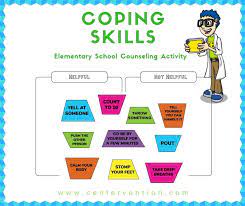
30 Helpful Coping Skills Activities for Middle School Students

In today’s fast-paced world, stress and emotional struggles are common even among middle school students. Coping skills activities can help young adolescents manage their emotions, enhance resilience, and navigate the challenges of this life stage. Here is a list of 30 helpful coping skills activities for middle school students.

1. Deep Breathing: Teach students to practice deep breathing exercises as a way to relax and relieve stress.

2. Journaling: Encourage students to write down their thoughts and feelings in a journal.

3. Exercise: Participate in physical activities like walking, running or playing sports as a way to release tension.

4. Art Therapy: Provide opportunities for students to express themselves through art projects like painting or drawing.

5. Mindfulness Meditation: Guide students in mindfulness meditation practices to help them focus on the present and gain emotional awareness.

6. Progressive Muscle Relaxation: Offer information on how to progressively tense and relax different muscle groups in the body.

7. Music Therapy: Allow students to listen to or create music as an emotional outlet.

8. Drama Therapy: Encourage role-playing activities that enable students to explore their emotions from another perspective.

9. Yoga: Introduce gentle yoga practices aimed at reducing stress levels.

10. Visualization Techniques: Guide students through visualization exercises, using positive imagery to overcome negative emotions.

11. Time Management Skills: Help students create plans for organizing their daily schedules effectively.

12. Gratitude Journaling: Teach students how to keep a gratitude journal, focusing on the positives of each day.

13. Positive Affirmations: Encourage the use of positive self-talk and affirmations to foster self-esteem and confidence.

14. Assertiveness Training: Provide information about assertive communication skills.

15. Goal Setting: Help students set realistic goals and work towards achieving them step-by-step.

16. Peer Support Groups: Organize peer-led support groups where students can discuss their emotions and challenges with others who share similar experiences.

17. Laughter Therapy: Encourage students to find humor in everyday situations, and promote laughter as a way to reduce stress.

18. Time-Outs: Teach students how to take breaks away from stressful situations to regain composure.

19. Hobbies: Encourage students to explore new hobbies, interests, or activities that help them relax and enjoy themselves.

20. Problem-Solving Skills: Provide guidance on how to approach problems with patience and logical reasoning.

21. Healthy Diet: Educate students about the importance of maintaining a balanced diet for overall well-being.

22. Sleep Hygiene: Discuss the significance of getting sufficient sleep and maintaining a consistent bedtime routine.

23. Self-Care: Encourage students to practice self-care by taking time for relaxation, reflection, and personal growth.

24. Empathy Exercises: Develop empathy-building activities that help students better understand the emotions of others.

25. Managing Test Anxiety: Offer tips for managing test anxiety and improving study habits.

26. Nature Therapy: Encourage spending time outdoors, appreciating nature, and engaging in activities such as gardening or hiking.

27. Volunteer Work: Organize opportunities for students to volunteer in their communities as a way to build empathy and social connections.

28. Pet Therapy: Introduce students to pet therapy sessions, using animals such as dogs or cats as an emotional support resource.

29. Guided Imagery: Lead students through guided imagery exercises as a relaxation method.

30. Online Mental Health Tools & Apps: Introduce helpful mental health apps that offer resources for managing stress, anxiety, and emotional well-being.

These 30 coping skills activities can significantly improve the mental health and emotional resilience of middle school students, providing them the tools needed to overcome challenges and develop essential life.

14 Activities To Bring The Oregon Trail To Life In Your Middle School Classroom

Introduction:

The Oregon Trail is an important part of American history that can be a fun and immersive learning experience for middle school students. The following 14 activities will help educators recreate the challenges, excitement, and lessons of the historic journey in their classrooms.

1. Map It Out: Have students study maps of the Oregon Trail and create their own trail map, complete with key landmarks and geographical features.

2. Outfit Your Wagon: Students can work in teams to research and create a list of necessary supplies for the 2,000-mile journey, as well as design a scale model of their covered wagon.

3. Pioneer Journaling: Encourage students to write daily entries in a fictional pioneer journal, chronicling their experiences along the trail.

4. Encounter Native American Tribes: Teach about the various Native American tribes that pioneers encountered on their journey and have students participate in a respectful simulation of a tribal meeting.

5. Cook Like A Pioneer: Plan a classroom cooking event where students prepare simple pioneer recipes or bring in samples of authentic foods eaten on the trail.

6. Historical Artifacts: Arrange a visit to a local museum or invite a knowledgeable guest speaker to present artifacts related to the Oregon Trail.

7. Play The Classic Game: Introduce your students to the classic computer game “The Oregon Trail” for some hands-on learning about decision-making and resource management.

8. Build A DIY Fort: Have your students research forts along the Oregon Trail and then construct their own small-scale versions using cardboard or other classroom materials.

9. Gold Rush Simulation: Organize an in-class gold rush activity by hiding gold-painted rocks around your room, teaching children about Westward expansion fueled by precious metals discoveries.

10. Learn About Pioneers’ Entertainment: Host a classroom “wagon train hoedown,” complete with traditional square dances and pioneer-era games.

11. Encounter Wildlife: Discuss the various types of wildlife encountered by Oregon Trail pioneers and create a visual presentation detailing these animals.

12. Create A Trail Newspaper: Assign students to create and publish a classroom newspaper, incorporating articles on various aspects of the Oregon Trail from politics to weather reports.

13. Analyze Primary Sources: Guide your students through analyzing primary sources such as journal entries, letters, or photographs to get a firsthand glimpse of the pioneers’ lives during the journey.

14. Circle The Wagons: Culminate your Oregon Trail unit with a classroom reenactment/simulation, allowing students to apply their knowledge and creativity in a hands-on activity that brings their learning experience full circle.

Conclusion:

By incorporating these engaging activities into your middle school curriculum, you can spark excitement for history and provide an immersive learning experience centered around the Oregon Trail. Students will walk away with a better understanding of this crucial era in American history and an appreciation for the experiences of those who forged a path westward.

19 Knock-Out Ideas for the 10th Grade Science Fair

The science fair is an excellent opportunity for 10th grade students to showcase their skills and creativity. Here are 19 knock-out ideas for your next science fair project that’ll impress the judges and ignite your scientific spirit.

1. Solar Power: Explore the efficiency of solar panels and experiment with different conditions, angles, and materials to optimize energy output.

2. Memory Games: Investigate how various factors like sleep, exercise, or mental stimulation affect short-term memory retention.

3. Invisible Ink: Test and compare various methods of creating invisible ink with substances like lemon juice, milk, or vinegar.

4. Water Filtration: Design a simple, cost-effective water filtration system using everyday household materials.

5. Electromagnetic Levitation: Create a small-scale electromagnetic levitation device to demonstrate the principles of magnetic levitation.

6. The Effects of Caffeine: Examine the impact of caffeine on plant growth or study its effects on heart rate or reflexes in humans.

7. Biodegradable Plastics: Investigate different biodegradable materials and their effectiveness compared to traditional plastics in decomposing over time.

8. Natural Disinfectants: Test the antimicrobial properties of natural substances like garlic, honey, or essential oils against common household bacteria.

9. The Science Behind Baking: Explore how variables like temperature, baking time, and ingredient ratios affect the outcome of baked goods.

10. Forensic Science: Learn about fingerprint analysis techniques and compare their accuracy by experimenting with various methods.

11. Crystal Growth: Observe and analyze the differences in crystal growth when using different solutions and growing conditions.

12. Homemade Speaker: Construct a functioning speaker using magnets and household materials to explore the principles of sound waves and electromagnetism.

13. Composting Efficiency: Compare various composting methods and their effectiveness in breaking down organic waste over time.

14. DIY Hydroponics: Create an affordable, small-scale hydroponic system to experiment with plant growth in a soilless environment.

15. The Science of Popcorn: Investigate how factors like temperature, moisture content, and kernel size affect the popping success of popcorn.

16. Taste vs Smell: Conduct tests to examine how strongly your sense of smell influences taste perception.

17. Carbon Dioxide Levels: Monitor carbon dioxide levels in your home or school and analyze the effects of ventilation and plant life on air quality.

18. Cup Phone Acoustics: Design and test a cup phone system to explore the principles of sound transmission through solid materials.

19. Extracting DNA: Experiment with different techniques for extracting DNA from fruits or vegetables to observe their genetic material visually.

These 19 ideas are sure to kickstart your creativity and excitement for the upcoming science fair. Remember, the key to a successful project is curiosity, experimentation, and most importantly, having fun with science!

20 Powerful Communication Activities for Middle School

Introduction:

In today’s fast-paced world, effective communication skills are more important than ever. Middle school is a crucial time to develop these skills, as students begin to navigate complex social situations and prepare for high school. Here are 20 powerful communication activities for middle school students that will enhance their listening, speaking, and interpersonal abilities.

1. Two Truths and a Lie – Develop active listening and critical thinking skills as students try to identify the false statement among three given by a peer.

2. Storytelling Circle – Foster creativity and build public speaking confidence as students take turns creating a collaborative story.

3. Group Debates – Strengthen persuasive skills through structured debates on age-appropriate topics.

4. Silent Line-Up – Encourage nonverbal communication with a team-building exercise that requires students to silently arrange themselves in a specific order (e.g., by height or birth month).

5. Interview Practice – Practice one-on-one conversations by having students take turns interviewing each other on various subjects.

6. Talk Show Host – Enhance conversation skills with a mock talk show: one student acts as host, asking questions of other “guests” (classmates) about their interests or expertise.

7. Charades – Hone nonverbal communication abilities through this classic acting-and-guessing game.

8. Listener’s Challenge – Improve active listening by having one student describe an object while another attempts to draw it based only on verbal descriptions.

9. Partner Presentations – Build teamwork and collaboration through pair presentations on assigned topics.

10. Human Knot – Enhance problem-solving and group communication as students work together to untangle themselves from a tangled web of arms and hands.

11. Table Topics – Improve impromptu speaking abilities with timed, random prompts that students must address in front of the class.

12. Empathy Role-Playing – Develop empathy and perspective-taking skills through role-playing activities that explore different viewpoints and life experiences.

13. Telephone – Foster active listening and accurate message relay through the classic game of passing along whispered messages until they reach the end of the line.

14. Wordless Story – Enhance visual interpretation and storytelling skills by presenting students with a series of images they must decipher and narrate without using words.

15. Fishbowl Conversations – Encourage active listening as some students conduct a discussion inside an “invisible fishbowl,” while others observe, take notes, and later discuss what they learned.

16. Praise Circle – Reinforce assertive communication by having students share positive affirmations with each other in a structured manner.

17. Eye Contact Practice – Strengthen nonverbal cues through activities that challenge students to maintain consistent eye contact during conversations.

18. Peer Feedback Sessions – Teach constructive criticism and feedback skills through guided sessions where students provide input on each other’s work or presentations.

19. Public Speaking Contests – Enhance presentation skills by hosting speech or storytelling contests among students, with winners chosen by peers or teachers.

20. Communication Scavenger Hunt – Encourage teamwork, problem-solving, and communication skills as students take part in a scavenger hunt that requires them to decipher clues and riddles collaboratively.

Conclusion:

Effective communication is an essential skill that can be nurtured in middle school students through these 20 powerful activities. By incorporating these exercises into your curriculum, you can create a more engaging learning environment that teaches valuable life skills and lays the foundation for success in high school and beyond.

21 Christmas Cloze Activities for Middle School

Introduction

The holiday season is upon us, and as middle school teachers, finding engaging holiday-themed activities can be a challenge. Cloze activities are an excellent way to incorporate the festive spirit while still focusing on language arts skills. Below are 21 Christmas cloze activities that you can use in your middle school classroom this holiday season.

1.Christmas Carol Cloze: Ask students to fill in the blanks for lyrics from classic Christmas carols.

2.The History of Christmas: Create a cloze activity on the origins of various Christmas traditions.

3.A Christmas Carol: Use an excerpt from Charles Dickens’ “A Christmas Carol” and have students fill in the missing words.

4.The Nutcracker Ballet: Provide brief passages about the Nutcracker Ballet story with selected words omitted for students to complete.

5.Holiday Recipes: Have students fill in blanks from a recipe for popular holiday treats like gingerbread cookies or eggnog.

6.Christmas Around the World: Students will learn about various countries’ holiday traditions while filling in missing words.

7.Santa’s Reindeer: Write a short passage about each of Santa’s reindeer, leaving out key vocabulary for students to complete.

8.Winter Weather Words: Include blank spaces within paragraphs discussing snow, ice, and other winter weather terminology.

9.The Twelve Days of Christmas: Create a cloze activity based on the “Twelve Days of Christmas” song lyrics.

10.Holiday Movies: Extract quotes and phrases from famous holiday films like Elf or Home Alone, leaving out key words and phrases for students to replace.

11.The Legend of Saint Nicholas: Develop a passage on St. Nick’s fascinating history with critical information left out for students to fill in.

12.Hanukkah Meets Christmas: Find passages discussing cultural overlap between Judaism and Christianity during December holidays; remove select vocabulary for students to replace.

13.Holiday Proverbs: Write short paragraphs featuring traditional holiday sayings and idiomatic expressions with key elements taken out for completion.

14.Ode to Winter: Utilize poetry passages centered around the winter season; selectively remove words for cloze practice.

15.Christmas Tree History: Delve into the story behind placing evergreen trees in our homes and decorating them during the holidays.

16.Poinsettia Poem: Share a poem encompassing the legend of poinsettias, purposely omitting integral phrases that require student completion.

17.Famous Christmas Characters: Explore well-known holiday figures from books, movies, and plays, like Buddy the Elf or Ebenezer Scrooge; choose essential words to leave out for student involvement.

18.Christmas Traditions Cloze: Assign passages with various activities people enjoy during the holiday season (e.g., caroling, tree-lighting ceremonies).

19.The Science of Snowflakes: Choose an excerpt on snowflake formation and characteristics; use cloze to gauge student comprehension of this fascinating weather phenomenon.

20.Winter Animals in Hibernation: Create a descriptive paragraph detailing how animals prepare for hibernation; exclude notable terms that reveal procedures for surviving harsh winter climates.

21.Dreaming of a White Christmas: Use excerpts from newspaper articles describing memorable white Christmases with carefully-chosen passages for cloze application.

Conclusion

These 21 Christmas cloze activities offer a perfect balance between education and celebration. By covering such diverse topics related to the holiday season, middle school students will stay engaged and learn important language arts skills along the way. Enjoy this festive time while expanding young minds in your classroom!