Middle School Education

21 Digital Get-to-Know-You Activities for Middle School

In the age of remote learning and digital classrooms, sparking conversations among middle school students can be quite challenging. Fortunately, there are many engaging digital get-to-know-you activities that can foster camaraderie and bridge the gap between students. Here are 21 innovative ideas to help middle school students bond and learn more about their classmates:

1. Digital Bingo – Customize a digital bingo card with interesting facts or hobbies and have students find peers who share those attributes.

2. Virtual Escape Room – Students work together to solve puzzles and complete activities in breakout rooms.

3. Two Truths and a Lie – Each student shares two true statements and one false statement about themselves while classmates guess which one is a lie.

4. All About Me Slideshow – Students create a slideshow sharing personal stories, likes and dislikes, family, pets, or hobbies.

5. Avatars – Use online tools to let students create their own avatars that represent them in the digital classroom.

6. Video Diary – Have students record daily or weekly video diaries where they can express their thoughts, feelings, or experiences with the class.

7. Virtual Show-and-Tell – Students present an item of significance via video conferencing or recorded videos.

8. Icebreaker Poll – Quick polls asking light-hearted questions that generate group discussions.

9. Collaborative Collage – Students contribute images, photos, or drawings to represent themselves on an online collaborative board like Padlet or Mural.

10. Social Media Challenge – Create classroom-specific online challenges (e.g., TikTok dances) that encourage class camaraderie through friendly competition.

11. Creative Storytelling – Have students complete a story based on given story starters by taking turns writing one sentence at a time in an online document.

12. Time Capsule Exercise – Students write letters to themselves detailing their current interests, goals, or fears which will be shared with the class at the end of the year.

13. Book Buddies – Pair students randomly for an online book club discussion.

14. Online Scavenger Hunt – Provide a list of items or clues that require students to search online and submit screenshots as proof of finding them.

15. Class Playlist – Create a collaborative playlist where each student contributes one song that they feel represents their personality.

16. Virtual Journaling – Have students maintain an online journal to share reflections and experiences with one another.

17. Digital Vision Board – Students create a digital vision board outlining their goals and dreams using platforms like Canva or Pinterest.

18. Six-Word Memoirs – Challenge students to summarize their lives or personalities in just six words.

19. Kahoot! Quiz – Use Kahoot! to create a fun quiz on classroom content or personal facts about classmates, teachers, or school staff.

20. Online Pictionary – Play a digital version of Pictionary using tools like skribbl.io or Drawasaurus.

21. Virtual Pen Pals – Pair students with a global partner for digital discussions about culture, hobbies, and daily life experiences.

These 21 digital get-to-know-you activities offer middle school students an opportunity to build connections and establish strong friendships despite being physically apart. Become inspired by these ideas, explore their potential, and foster a digital classroom community that thrives on mutual understanding and support.

22 Ideas to Make the Transition to Middle School Easier

Transitioning from elementary to middle school can be both exciting and challenging for students. With new subjects, more teachers, and increased responsibilities, it is essential for both parents and students to work together to make the transition as smooth as possible. Here are 22 ideas to help prepare students for a successful and enjoyable experience in middle school.

1. Visit the school before the first day: Familiarize your child with their new environment by taking a tour of the campus, locating classrooms, lockers, and other facilities.

2. Set up a homework routine: Create a consistent schedule and dedicated space for completing homework.

3. Teach time management: Encourage your child to use a planner or calendar to keep track of assignments, tests, and extracurricular activities.

4. Practice using a combination lock: Help your child become comfortable with their new locker by teaching them how to open it with ease.

5. Provide organization tools: Provide binders, folders, or other materials that will help your child stay organized throughout the year.

6. Explain the grading system: Discuss how middle school grading is different from elementary school and can impact their academic standing.

7. Attend orientation events: Participate in any available middle school orientation programs to meet teachers, staff, and other students.

8. Encourage involvement in extracurricular activities: Find clubs or teams that align with your child’s interests to help them develop friendships and social skills while creating a sense of belonging at their new school.

9. Set realistic goals: Have your child set personal and academic goals they can work towards throughout the year.

10. Build a support network: Help your child connect with other students who are going through the same transition.

11. Foster independence: Gradually grant your child more autonomy so they can adjust their decision-making skills accordingly in their new setting.

12. Monitor their social media use: Keep track of your child’s online activity and teach them about digital responsibility.

13. Encourage communication: Establish open lines of communication, making sure they know they can discuss school, their social life, and any issues that arise.

14. Maintain a structured bedtime routine: Adequate sleep is crucial for learning and overall well-being.

15. Review school materials together: Familiarize yourself with the school curriculum and any required materials ahead of time.

16. Attend parent-teacher conferences: Stay informed about your child’s progress and address any concerns with teachers as they arise.

17. Praise effort, not just achievement: Encourage a growth mindset by acknowledging hard work along with results.

18. Create an appropriate consequences system at home: Be consistent and make sure consequences are relevant to the behavior you want to modify or reinforce.

19. Provide healthy meals and snacks: Proper nutrition will help support both academic performance and overall health.

20. Connect with other parents: Share tips, information, and support with other parents who have children making the same transition.

21. Model healthy coping strategies: Provide your child with tools to manage stress, anxiety, and face challenges as they arise.

22. Encourage reading for fun: Reading outside the classroom can help improve comprehension skills, vocabulary, develop empathy and provide a strong foundation for lifelong learning.

By implementing these ideas as you prepare for your child’s transition to middle school, you can help set them up for success while fostering resilience, independence, and a love for learning.

18 Robotics Activities for Middle School Students

Introduction:

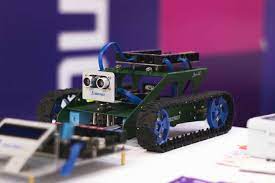
Robotics is an exciting and rapidly growing field that offers countless opportunities for students to learn, explore, and discover. Engaging middle school students in robotics activities can spark their interest in STEM-related disciplines and allow them to develop valuable skills such as problem-solving, critical thinking, teamwork, and creativity. Here are 18 robotics activities that middle school students can enjoy.

1. Build a Robot Hand: Teach students basic robotic concepts by having them construct a functional robotic hand using everyday materials such as cardboard, straws, string, and tape.

2. Lego Mindstorms: Introduce students to robotics with the popular Lego Mindstorms kits. These kits include the necessary components to build and program a range of robotic models.

3. Makey-Makey Inventions: Encourage creativity by challenging students to create robots using Makey-Makey circuit boards and everyday items like bananas or aluminum foil.

4. Robotics Camp: Organize a week-long robotics camp during summer break for middle school students to actively engage with robots, participate in workshops, and collaborate on projects.

5. Coding with Ozobot: Have students develop their coding skills by creating and navigating custom sequences for Ozobot robots.

6. Design a Mars Rover: Task students with designing and building their own Mars rover model using materials such as cardboard, plastic bottles, and rubber bands.

7. Solar-Powered Robots: Teach renewable energy concepts by guiding students in constructing solar-powered robots from simple kits or recycled materials.

8. Sphero Obstacle Course: Arrange an obstacle course for programmable Sphero robots and have students design specific paths to navigate the course efficiently.

9. Robot Dance-off: Program robots with choreographed dance moves, encouraging friendly competition among student teams.

10. Sumo Bot Battles: Construct robots capable of pushing each other out of a circular ring using various engineering techniques like sensors, weights, and motors.

11. Arduino-based Robots: Introduce students to the world of Arduino by building a simple robot controlled by this versatile microcontroller board.

12. VEX Robotics Competition: Participate in a VEX Robotics competition, where student teams build highly capable robots to complete specific challenges against other schools.

13. DIY Robot Arm: Task students with designing and constructing their own robotic arm using materials like PVC pipe, servos, and an Arduino board.

14. STEM Club: Establish a regular STEM club that incorporates robotics activities and encourages collaboration among middle school students of varying skill levels.

15. Blockly Coding for Robots: Teach students to use Blockly, a visual coding language, to program robots and understand the basics of computer programming.

16. STEAM Art Project: Combine robotics with art by guiding students in creating an interactive STEAM-focused project like drawing robots or robotic installation art.

17. Underwater ROV Kit: Introduce concepts of underwater exploration by having student teams assemble and remotely operate a simple underwater ROV (Remotely Operated Vehicle) using kits or DIY materials.

18. Community Showcase: Organize an annual community showcase in which middle school students present their robotics projects to parents, faculty, and fellow students to inspire curiosity and collaboration in robotics.

Conclusion:

These 18 robotics activities for middle school students not only introduce them to the fascinating world of robotics but also provide opportunities for them to develop key skills required for future STEM pursuits. By fostering creativity, collaboration, problem-solving abilities, and critical thinking through hands-on activities, we can ignite students’ passion for STEM education and create a generation of eager learners ready to tackle tomorrow’s challenges in the realm of robotics and beyond.

20 Middle School Activities for Black History Month

1.Timeline Creation: Have students create a timeline of significant events in Black history, marking notable people, accomplishments, and turning points.

2.Guest Speakers: Invite local African American leaders, activists, or historians to speak to your class about their experiences and perspectives.

3.Read Alouds: Choose books that feature African American protagonists or focus on Black history, and incorporate read aloud sessions into your lessons.

4.Movie Night: Organize a movie night featuring films that highlight achievements of African Americans or showcase important historical events.

5.Field Trips: Arrange visits to local museums or cultural centers that focus on Black history and achievements.

6.Research Projects: Assign students to research influential African American figures, exploring their lives, contributions, and legacies.

7.Art and Music Appreciation: Teach students about the Harlem Renaissance and how it shaped American art, literature, and music. Encourage them to create their own works inspired by this movement.

8.African American Inventors’ Fair: Host a fair showcasing the inventions of notable African Americans throughout history. Students can select an inventor and create displays detailing the inventor’s life and contributions to society.

9.Essay Contest: Host an essay contest with prompts related to Black history or current issues facing the African American community.

10.Poetry Slam: Encourage students to write poetry inspired by historical or contemporary experiences of African Americans. Hold a poetry slam where they can perform their pieces.

11.Mapping Black History: Create a large map tracing the journey of African Americans throughout the United States; highlight key events, migrations, and developments that contributed to Black history.

12.Debate Club: Organize debates focused on various topics related to African American history or contemporary issues.

13.Quilt-Making Activity: Teach your students about the significance of quilts in the Underground Railroad while encouraging them to create their own personalized quilt squares.

14.Black History Jeopardy: Create a fun and challenging game of Jeopardy using questions about African American history, culture, and achievements.

15.Virtual Field Trips: Utilize virtual field trip resources to take students on a digital tour of significant locations in Black history.

16.Service Learning Projects: Encourage students to support African American organizations or causes through volunteering, fundraising, or other community engagement activities.

17.Cook-off: Educate students about historical and regional food traditions within African American culture and organize a cook-off where they can prepare dishes and enjoy a shared meal.

18.Bulletin Board Creations: Have students work together to create a diverse and informative bulletin board focused on figures and events in Black history.

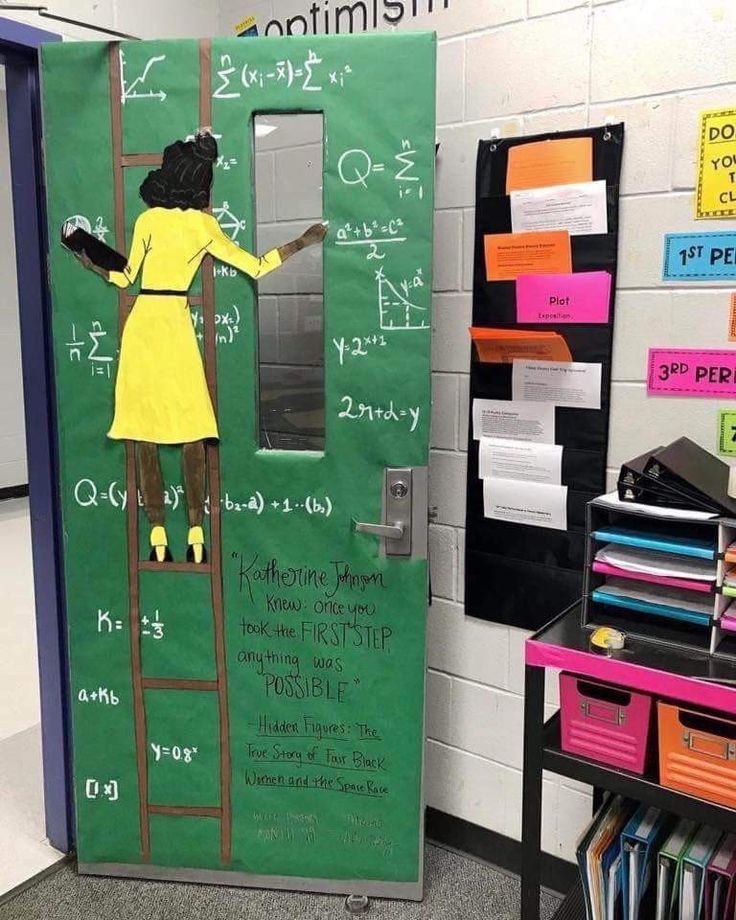
19.Celebrating Black Women: Spend a week focusing specifically on the contributions of African American women in history, discussing their roles and accomplishments in various fields.

20.Book Clubs: Organize book clubs focusing on literature by African American authors or featuring African American characters.

These activities will engage middle schoolers during Black History Month while educating them on the significant impact African Americans have had throughout history. By incorporating these experiences into the classroom, teachers can help build understanding, empathy, and respect for the diverse cultural backgrounds of all students.

25 Intriguing Noun Activities for Middle School

1. Noun Scavenger Hunt: Have students search for different types of nouns (common, proper, abstract, collective) within a text or the classroom and create a list of their findings.

2. Noun Sorting: Provide students with a list of nouns and have them sort them into categories such as people, places, things, or ideas.

3. Noun Bingo: Create bingo cards with various nouns and have students listen for those words during a read-aloud or class discussion to mark off on their cards.

4. Mad Libs: Have students create funny stories using nouns they’ve learned in class.

5. Noun Charades: Students act out or describe various nouns while classmates try to guess the word.

6. Abstract vs. Concrete Nouns: Students categorize a list of nouns into abstract or concrete groups and discuss the differences between the two types.

7. Proper Noun Quiz: Have students quiz each other on proper noun-capitalization rules using flashcards.

8. Collective Nouns Matching Game: Match collective noun terms with their respective group of items (e.g., “a flock” to “birds”).

9. Noun Collages: Students create visual collages using magazine cutouts that represent different categories of nouns.

10. Synonym Hunt: In pairs or small groups, students find synonyms for selected nouns within texts.

11. Antonym Pairs: Have students match a list of noun antonyms together and explain how they are opposites in meaning.

12. Noun Riddles: Write riddles about different types of nouns for students to solve.

13. Singular vs Plural Nouns Sorting Activity: Students practice identifying singular and plural forms of given nouns by sorting them into appropriate categories.

14. Possessive Nouns Practice Worksheets: Check student understanding on forming possessive nouns by completing worksheets where they add apostrophes to show possession.

15. Noun Jigsaw: Cut up sentences into individual words, and have students work together in groups to determine which words are nouns and reassemble the sentences.

16. Noun Pictionary: Pairs or small groups of students draw pictures representing various nouns for teammates to guess.

17. Around the Room Nouns: Place different types of nouns around the room and have students walk around, identifying and recording each type.

18. Noun Skits: Challenge students to create short skits or plays containing specific noun categories (e.g., common nouns, proper nouns).

19. Noun Ad-Lib Stories: Provide a story template with spaces for students to insert their own nouns, then share their unique stories with the class.

20. Nouns in Your Life: Have students write a paragraph discussing or listing important nouns in their life and why they hold significance.

21. Noun Souvenirs: Students bring an item from home that represents a noun important to them and present it to the class.

22. Class Noun Book: Work together with students to compile a book listing interesting or new descriptive nouns gathered throughout the school year.

23. Group Nouns Story Writing: In small groups, provide each group with one collective noun (e.g., a herd, a pack) as their writing prompt and have them write a story including characters who fit that category.

24. Music Lyric Analysis: Analyze popular song lyrics for various types of nouns and discuss possible meaning or symbolism behind selected lyrics.

25. Parts of Speech Relay Race: Create an interactive relay race where teams must run back and forth across the gym or classroom, identifying different parts of speech on flashcards including specific focus on noun identification.

21 Fun Crossword Puzzles For Middle School Students

Crossword puzzles are a fantastic way to engage the minds of middle school students while they learn new vocabulary and important concepts in an entertaining manner. Here are 21 fun and educational crossword puzzles designed specifically for middle school students to enjoy.

1. Science Sensation: Boost students’ science knowledge by incorporating scientific terms, symbols, and well-known scientists into this crossword puzzle.

2. History Hype: Develop an appreciation of historical events, figures, and landmarks in a challenging history-themed crossword puzzle.

3. Wonders of the World: Encourage students to explore geography and expand their awareness of different cultures and continents with a crossword puzzle based on global landmarks.

4. Math Mania: Reinforce math concepts such as algebra, geometry, and fractions through a fun math-themed crossword puzzle.

5. Literary Legends: A literature-based puzzle filled with characters, authors, and famous quotes from popular middle-school novels.

6. Space Exploration: Encourage interest in the universe’s mysteries by creating a space-themed crossword complete with planets, astronauts, and telescopes.

7. Animal Kingdom: A wild animal-based crossword puzzle featuring various creatures, habitats, and fascinating facts about the natural world.

8. Art Appreciation: Introduce well-known artists, techniques, and masterpieces through a creative art-themed crossword puzzle.

9. Sports Spectacular: Engage athletic minds by weaving together sports trivia questions on everything from soccer to basketball into an energetic sports-themed crossword.

10. Music Magic: Harmonize musical knowledge by including musicians, genres, instruments, and popular songs in this melodic crossword puzzle.

11. Tech Triumph: Broaden students’ tech lingo with a technology-based puzzle covering computer parts, programming languages, and internet safety terms.

12. Ocean Odyssey: Dive deep into the world of marine biology with an aquatic-theme that introduces sea creatures and oceanic facts.

13. Green Planet: Foster environmental awareness with a crossword puzzle focused on conservation, climate change, and the importance of reducing our ecological footprint.

14. Mythology Marvels: Discover ancient myths and legends in a thrilling fantasy-inspired crossword puzzle featuring gods, goddesses, heroes, and monsters from various cultures.

15. Food Fiesta: Spice up students’ lives with a culinary adventure in a food-themed crossword that includes ingredients, techniques, and cultural dishes.

16. Movie Mania: Test pop culture knowledge with a crossword full of famous films, actors, and directors from Hollywood blockbusters and indie gems alike.

17. National Parks Adventure: Encourage exploration of America’s natural wonders by including parks’ names, features, locations, and wildlife in this picturesque puzzle.

18. Riddles & Brainteasers: Combine critical thinking skills with vocabulary development in a crossword that integrates riddles and wordplay.

19. Word Wizardry: Enhance vocabulary skills with a challenging puzzle packed full of advanced words found in middle-school textbooks and literature.

20. Superhero Saga: Ignite imagination with a heroic crossword centered around beloved comic book characters, showdowns, and superpowers.

21. Time Traveler’s Quest: Journey through historical periods in an adventure-filled puzzle that tests time-traveling knowledge.

These fun-filled crossword puzzles will not only engage students but also strengthen their cognitive abilities while providing an entertaining way to learn new concepts. Have fun creating these puzzles today!

20 Microsoft Word Activities for Middle School Students

1. Introduction to Microsoft Word: Begin by teaching students the basics of opening and closing documents, along with formatting text and paragraphs. This will give them a solid foundation for using Word in the future.

2. Font Exploration: Allow students to experiment with different fonts, sizes, and colors to create unique and eye-catching designs.

3. Personal Biography: Students can write a brief personal biography or autobiography, practicing their formatting skills, such as headers, bullet points, and indentation.

4. Themed Brochure: Students create a brochure for a fictitious event or destination utilizing images, text boxes, and different formatting options.

5. Creating Tables: Teach students to create tables in Word for organizing data or creating simple charts.

6. Collaborative Storytelling: Assign groups of students to create a shared story using Word’s collaboration feature, adding a sentence or paragraph one at a time.

7. Label Making: Instruct students to design their own labels or stickers using Word’s template library.

8. Interview Questions: Have students create a list of questions for an imaginary interview with their favorite celebrity, then format the document professionally.

9. Newspaper Article Writing: Students write a short newspaper-style article about an event occurring at their school or community.

10. Creative Book Cover Design: Using Word’s formatting tools and images from various sources, students design their own book covers inspired by their favorite stories.

11. Recipe Cards: Students type up and format a family recipe on card-sized documents that can be printed out later in class.

12. Class Newsletter: Assign different sections to groups of students who collaborate on creating a monthly class newsletter using Word templates and features like columns and page breaks.

13. Letter Writing: Teach students the proper format for writing personal letters or business correspondence while using Word’s various font choices and layout options.

14. Poetry Anthology: Have each student type up one of their own poems and combine them all into a professionally formatted anthology using Word.

15. Infographic Creation: Encourage students to create visually appealing infographics with Word’s Shapes, Clip Art, and SmartArt tools.

16. Market Research Survey: Students develop a survey in Word, utilizing tables or checkboxes for data gathering.

17. Reading Log: Have students create and maintain a reading log, documenting the books they’ve read and their thoughts or ratings.

18. Vocabulary Lists: Students can practice new vocabulary by creating weekly word lists complete with definitions, part of speech, and an example sentence.

19. Creating Forms: Teach students how to create fillable forms within Word, incorporating checkboxes, text boxes, drop-down lists, and more.

20. Resume and Cover Letter Tutorial: Provide students with guidance on crafting a resume and cover letter using Microsoft Word templates while cultivating valuable career skills for the future.

Shake It Up: 18 Engaging Earthquake Activities for Middle School Students

Introduction

Earthquakes are fascinating geological phenomena that leave many students curious about their causes and effects. To help middle school students learn more about earthquakes, it’s important to create engaging activities that capture their interest and explain the science behind these natural events. In this article, we’ve compiled a list of 18 exciting earthquake activities that are perfect for middle school students.

1. Earthquake Simulator

Create a simple earthquake simulator using a tray filled with sand, small building blocks, and a shake table. Students can build structures and observe the effects of earthquake-like movements on them.

2. Jello Seismographs

Using Jello as a visual aid, demonstrate how seismic waves travel through different types of materials (e.g., liquids, solids) and how they’re detected by seismographs.

3. Modeling Tectonic Plates

Teach middle school students about tectonic plates using play dough or clay to create a hands-on model of the Earth’s crust.

4. Earthquake Prediction Game

Challenge students to predict where and when earthquakes will occur using real-time seismic data from websites like the United States Geological Survey (USGS).

5. Marshmallow Structures

Use marshmallows and toothpicks to construct earthquake-resistant buildings and test their stability on a shake table or by tapping the table gently.

6. “Earthquake in a Box” Experiment

Show how different soil types affect earthquake damage by filling boxes with different types of soil and observing how structures (small toys or LEGO buildings) are affected during simulated shaking.

7. Newspaper Scavenger Hunt

Have students research historic earthquakes from newspapers and create a timeline of significant events.

8. Interactive Earthquake Map

Using an online interactive map, explore recent earthquake events around the world and discuss their impact on people and infrastructure.

9. Design an Earthquake-Resistant Building

Encourage students to research and design their own earthquake-resistant buildings, incorporating innovative structural engineering techniques.

10. Earthquake Preparedness Skit

Have students create and perform a short skit demonstrating the proper steps to take during an earthquake.

11. P-wave and S-wave Comparison

Using slinkies, demonstrate the difference between primary (P) and secondary (S) seismic waves and how they travel through Earth’s layers.

12. Research and Presentation on Famous Earthquakes

Assign different historical earthquakes for each student to research and present to the class.

13. Earthquake First Aid Kit

Teach students about emergency preparedness by having them create their own earthquake first aid kits.

14. Virtual Field Trip

Take students on a virtual field trip to explore seismic activity using online resources like Google Earth showing fault lines and past earthquake events.

15. Plate Tectonic Jigsaw Puzzle

Provide students with cutout maps of the Earth’s tectonic plates and have them piece them together like a puzzle.

16. Create an Earthquake Survival Guide

Instruct students to research earthquake safety tips and create their own survival guide to share with family or friends.

17. Seismograph Art

Allow students to experiment with creating designs using a homemade seismograph, teaching them how seismographs record earthquake vibrations.

18. The Impact of Earthquakes on Ecosystems

Explore the effects of earthquakes on ecosystems by discussing cases like the 1989 Loma Prieta earthquake in California, which caused landslides that altered habitats in the region.

Conclusion

By engaging middle school students in fun, hands-on activities, they will not only learn valuable lessons about earthquakes but also foster an interest in understanding the natural world around them. While earthquakes can be devastating events, they serve as an important reminder of the powerful forces

22 Fun Morning Meeting Ideas for Middle School

Introduction:

Morning meetings are an essential aspect of the school routine, especially in middle schools. Engaging and fun morning meeting activities can set the tone for a positive day of learning and social connection. Here are 22 exciting and fun morning meeting ideas to try in your middle school classroom.

1. Icebreaker Questions: Kick off the morning meeting by posing an icebreaker question that gets everyone talking and sharing personal anecdotes or opinions.

2. Circle of Compliments: Stand in a circle and practice giving genuine compliments to each other, fostering an environment of positivity, respect, and camaraderie.

3. Inspirational Quote Sharing: Have each student bring in an inspirational quote or find one online to share with the class.

4. Morning Trivia: Test your student’s knowledge with trivia questions related to your current curriculum or general knowledge topics.

5. “Would You Rather”: Pose fun “Would You Rather” scenarios for your students to discuss, promoting imagination and debate.

6. Themed Fridays: Make Fridays something special by assigning themes like funny hat day, career day, or crazy sock day. Encourage students to dress up and share related information.

7. Daily Goals Setting: Have each student set a goal for the day and share it with their peers during the morning meeting.

8. Stretching and Mindfulness Exercises: Promote mental and physical well-being by incorporating simple stretching exercises or mindfulness techniques (e.g., deep breathing) into your meetings.

9. Quick Challenges: Divide students into teams for short challenges like solving puzzles or assembling items as fast as possible.

10. Dance Breaks: Break up the routine with an energetic dance break where students join in on a popular dance or create their own moves.

11. Team Building Activities: Build teamwork skills through activities like human knots, tower building, or group juggling.

12. Scavenger Hunts: Divide students into teams and have them compete in a scavenger hunt, either within the classroom or around the school.

13. Silent Lineup: Students must line up in a specific order — such as by birthdate or alphabetically by name — without talking, prompting nonverbal communication.

14. Talent Presentation: Give the stage to those who want to showcase their talent, whether it’s playing a musical instrument, dancing, or reciting poetry.

15. Classroom Showcase: Ask students to share something interesting about themselves through a presentation or demonstration.

16. Speech of Appreciation: Assign one student each day to give a speech appreciating someone in the class.

17. Flash Debates: Choose a light-hearted topic and have students debate the subject for a set amount of time, honing their argumentation skills.

18. Mini-Field Trips: Organize mini-field trips around the school grounds to learn something new or explore an area usually off-limits – with permission, of course!

19. Classroom Yoga: Lead your class through simple yoga poses and stretches, instilling a sense of calm and focus while improving flexibility and strength.

20. Two Truths and One Lie: Challenge your students’ abilities to tell believable lies while promoting curiosity in their peers with this classic icebreaker game.

21. Create a Class Mascot: Have your class design and create their own mascot representing a sense of unity and school pride.

22. Gratitude Circle: Close the meeting by gathering in a circle where each student shares one thing they are grateful for that day or week.

Conclusion:

These 22 fun morning meeting ideas give you plenty of options to engage middle school students, build camaraderie, enhance learning experiences, and start each day with enthusiasm and high spirits. With these activities, you can create lasting memories for students

20 Educational Cold War Activities for Middle School Students

Introduction:

The Cold War was a significant period in world history, shaping the geopolitical landscape and influencing cultural development across the globe. For middle school students, understanding the intricacies of the Cold War can be challenging but essential to grasping modern history. The following educational activities offer engaging ways for students to experience and learn about various aspects of the Cold War.

1. Create a Cold War Timeline: Students can research and create a comprehensive timeline illustrating the critical events that took place during this period.

2. Role-Playing Diplomatic Negotiations: Divide students into groups representing different countries and have them engage in mock diplomatic discussions to resolve conflicts during the Cold War.

3. Create Propaganda Posters: Students can design posters reflecting the propaganda techniques used by both Eastern and Western bloc nations during the era.

4. Nuclear Arms Race Research Project: Encourage students to create presentations about the nuclear arms race’s development and consequences.

5. Watch Film Excerpts: Show movie scenes related to the Cold War, followed by class discussions analyzing cultural perceptions from each period.

6. Map Activity – Divided Germany and Berlin Wall: Have students color code maps of Germany showing East and West Germany along with the location of the Berlin Wall during the Cold War.

7. Analyze Political Cartoons: Discuss political cartoons from newspapers across different countries during this era to better understand various perspectives on global events.

8. Research Spy Stories: Let students choose a spy or espionage story from the Cold War era to research and share with their classmates.

9. Explore Propaganda Music: Showcase propaganda music from both sides of the conflict to discuss its influence on public opinion during this period.

10. The Space Race – Moon Landing Project: Engage students in researching space exploration competition between nations and creating presentations on significant achievements such as the moon landing.

11. Cuban Missile Crisis Simulation: Implement a role-playing simulation where students work together to respond to the events of the Cuban Missile Crisis.

12. Read and Discuss Historical Fiction: Assign Cold War-era historical fiction novels, followed by a literature circle discussion.

13. Cold War Art Projects: Encourage students to express their understanding of the period through an art medium such as painting or sculpture.

14. Uncover Secret Codes: Teach students about code-breaking and have them decipher secret messages using cryptography skills.

15. Write Letters Home from the Front Line: Emphasize individual experiences during times of war by having students compose letters from the perspective of a soldier stationed abroad.

16. Study Famous Speeches: Examine seminal speeches from leaders such as John F. Kennedy, Nikita Khrushchev, and Winston Churchill during the Cold War years.

17. Explore Cold War Fashion: Introduce students to fashion trends popularized in the Western and Eastern bloc nations during this period.

18. Participate in a Mock U.N.: Arrange for students to research specific countries’ positions on Cold War issues, then hold a simulated United Nations session to develop solutions to conflicts together.

19. Build a Model Berlin Wall: Encourage students to work together to construct a model Berlin Wall using recycled materials, representing its significance in dividing the city.

20. Create Biographies of Key Figures: Assign students with researching and presenting biographies of prominent political or historical figures from the era.

Conclusion:

By engaging middle schoolers in these diverse and immersive activities, educators can provide valuable opportunities for them to understand and appreciate the intricacies of the Cold War era. In turn, they will also develop critical thinking, communication, and problem-solving skills needed for success in today’s global society.