Middle School Education

30 Hero’s Journey Books for Middle Schoolers

Introduction

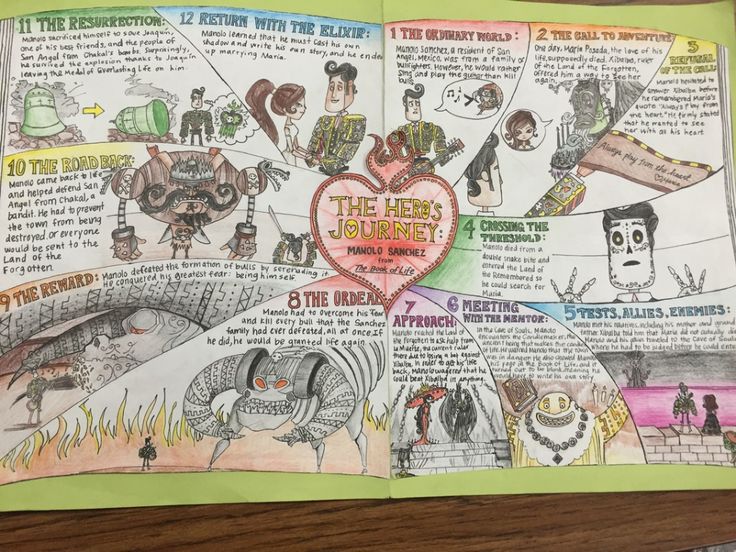
Middle school is a time when young readers begin exploring new worlds, experiencing personal growth, and discovering their own identities. The Hero’s Journey, a narrative template that involves a hero venturing out on an adventure, encountering challenges and transformations, and returning home with newfound wisdom and insight, is a thrilling way to engage students’ imagination while also teaching them valuable life lessons. Here are 30 Hero’s Journey books that are perfect for middle schoolers.

  1. Harry Potter and the Sorcerer’s Stone by J.K. Rowling
  2. Percy Jackson and The Lightning Thief by Rick Riordan
  3. The Hobbit by J.R.R. Tolkien
  4. The Lion, the Witch, and the Wardrobe by C.S. Lewis
  5. A Wrinkle in Time by Madeleine L’Engle
  6. The Hunger Games by Suzanne Collins
  7. Coraline by Neil Gaiman
  8. Ender’s Game by Orson Scott Card
  9. Alanna: The First Adventure by Tamora Pierce
  10. The Golden Compass by Philip Pullman
  11. Gregor the Overlander by Suzanne Collins
  12. Inkheart by Cornelia Funke
  13. Bridge to Terabithia by Katherine Paterson
  14. Holes by Louis Sachar
  15. Artemis Fowl by Eoin Colfer
  16. Chronicles of Prydain: The Book of Three by Lloyd Alexander
  17. A Series of Unfortunate Events: The Bad Beginning by Lemony Snicket
  18. Matilda by Roald Dahl
  19. The Phantom Tollbooth by Norton Juster
  20. City of Ember by Jeanne DuPrau
  21. Divergent by Veronica Roth
  22. Miss Peregrine’s Home for Peculiar Children by Ransom Riggs
  23. Howl’s Moving Castle by Diana Wynne Jones
  24. The Maze Runner by James Dashner
  25. His Dark Materials: The Subtle Knife by Philip Pullman
  26. Redwall by Brian Jacques
  27. Ranger’s Apprentice: The Ruins of Gorlan by John Flanagan
  28. The Westing Game by Ellen Raskin
  29. Septimus Heap: Magyk by Angie Sage
  30. The Shadow Children: Among the Hidden by Margaret Peterson Haddix

Conclusion

The Hero’s Journey is a timeless narrative structure that will continue to enthrall and entertain middle schoolers for generations to come. These 30 books offer an excellent starting point for students eager to embark on their own journey of personal growth, self-discovery, and adventure, while also broadening their literary horizons and encouraging a lifelong love of reading.


17 Cooking Activities To Teach Middle Schoolers How To Cook

Cooking is an essential life skill that is best learned at a young age. Introducing middle schoolers to the culinary arts provides them with hands-on opportunities to learn not only the basics of cooking but also valuable lessons in teamwork, creativity, and nutrition. Here are 17 engaging cooking activities to teach middle schoolers how to cook.

1. Smoothie Station: Let students experiment with different fruits, vegetables, and liquids to create their own nutritious smoothie recipes.

2. Breakfast Burritos: Teach them how to prepare a simple yet delicious breakfast option by making their own breakfast burrito with eggs, cheese, bacon or sausage, and veggies.

3. Pizza Party: Show students that homemade pizza can be healthier and more fun than takeout by letting them make their own dough and choose various toppings for their personal pizzas.

4. Mexican Fiesta: Introduce middle schoolers to Mexican cuisine by teaching them how to make guacamole, salsa, and their own tortilla chips.

5. Iron Chef Challenge: Divide the class into groups and present them with a secret ingredient that they must incorporate into a creative dish within a time limit.

6. Stir-Fry Fun: Demonstrate proper techniques for stir-frying vegetables and proteins, then let students create their own stir-fry combos with various sauces.

7. Garden-To-Table: If your school has a garden or access to fresh produce, teach students farm-to-table concepts by creating dishes using vegetables they’ve helped grow.

8. Baking Basics: Get started with baking simple treats like cookies or cupcakes and teach correct measuring techniques for dry and wet ingredients.

9. Cultural Cuisine: Explore different cultures through food by allowing students to choose a country or region’s cuisine to research, prepare, and present their findings along with their cooked dish.

10. Salad Bar Bonanza: Teach about different types of greens, toppings, and dressings, and let students create their salads from a buffet of ingredients.

11. Soup Kitchen: Learn the basics of creating various soups, including how to make broths, sautéeing vegetables, and adjusting seasonings.

12. Mini-Cooking Shows: Encourage students to showcase their newfound skills by filming short cooking demonstrations to share with their classmates or school community.

13. Pasta Play: Teach how to make fresh pasta from scratch and explore various shapes and sauces to suit different tastes and preferences.

14. Sandwich Shop: Cover the essentials of sandwich-making while emphasizing the importance of balanced ingredients and proper portion sizes.

15. Edible Art: Encourage creativity by having students use food as an artistic medium for creating sculptures or decorative plates.

16. Food Science: Explore the science behind popular recipes or explore the various cooking techniques like baking, broiling, and frying.

17. Snack Attack: Focus on healthy snack options that are easy to prepare and can be enjoyed on-the-go or after school.

These 17 activities provide a solid starting point for teaching middle schoolers how to cook while fostering a lifelong love of food and appreciation for nutrition.

23 Helpful Organization Activities for Middle School

Introduction

Organization is a vital skill for students to develop as they progress through middle school and prepare for high school and beyond. In order to become successful academically, students need tools that sharpen their organization abilities. The following list briefly outlines 23 helpful organization activities for middle school students.

1.Agenda Planner:

Encourage the use of an agenda planner or app to help students plan their daily assignments, tests, and events.

2.Homework Binder:

Implement the use of a homework binder to keep track of unfinished assignments, completed work, and notes.

3.Color-Coding:

Teach students how to use color-coding techniques to categorize different subjects or types of assignments.

4.Time Management Calendar:

Provide students with a calendar template to manage their time effectively for academics and extracurricular activities.

5.Daily To-Do List:

Promote the habit of creating daily to-do lists to help prioritize tasks.

6.Locker Clean-Outs:

Schedule regular locker clean-outs throughout the year in order to remove clutter and maintain organization.

7.Study Station Setup:

Guide students on how to create a designated study area at home complete with necessary supplies and minimal distractions.

8.File Folder System:

Introduce a file folder system for organizing class notes, handouts, and assignments by subject or topic.

9.Group Study Sessions:

Organize group study sessions where students can collaborate and share their organizational strategies with one another.

10.Weekly Schedule Review:

Encourage weekly reflection on schedule habits to identify areas of improvement for better time management and organization.

11.Goal Setting with Deadlines:

Teach the importance of setting goals with specific deadlines in order to stay on track academically.

12.Memory Techniques:

Demonstrate mnemonic devices or memory techniques that help retain information more effectively for exams or projects.

13.Prioritization Exercises:

Provide exercises on prioritizing tasks based on importance and urgency.

14.Time Management Techniques:

Explore various time management techniques such as the Pomodoro method and time blocking.

15.Visual Organizers:

Introduce visual organizers such as mind maps or concept webs for organizing ideas and projects.

16.Declutter Challenges:

Create fun declutter challenges to encourage students to maintain orderly backpacks, desks, or study areas.

17.Planning Checklists:

Develop checklists to guide students through the planning process for projects, presentations, or study sessions.

18.Class Material Inventories:

Conduct regular class material inventories to ensure students have all necessary supplies for optimum organization.

19.Assignment Breakdown:

Provide guidance on breaking down larger assignments into smaller tasks with deadlines for completion.

20.Resource Organization:

Discuss strategies for organizing and managing digital resources such as files and websites in an orderly manner.

21.Test Preparation Routines:

Establish test preparation routines that include organizing materials, reviewing notes, and setting study schedules.

22.Note-Taking Techniques:

Explore a variety of note-taking techniques like Cornell notes, outlining, or mapping, to suit individual learning styles.

23.Reflection Journals:

Incorporate reflection journals where students can express their thoughts, feelings, and lessons learned from their organizational efforts.

Conclusion

These 23 activities are just a starting point for middle school students to develop their organizational skills. By providing these resources, teachers can help create well-rounded individuals who are equipped with the necessary tools to succeed academically and ultimately in their future careers.

30 Fun and Easy Service Activities for Middle Schoolers

Introduction

Middle school is a period of great transition for many students. As they navigate the challenges of adolescence, they are also discovering their talents and interests. One way to help students grow both personally and academically is through service activities. These experiences can teach important skills, foster empathy, and promote community involvement. Below are 30 fun and easy service activities that middle schoolers can participate in.

  1. Organize a food drive at your school to support local food banks.
  2. Participate in a park cleanup to help maintain your community’s green spaces.
  3. Make handmade cards for patients at local hospitals or nursing homes.
  4. Volunteer at a local animal shelter to walk dogs and socialize with animals.
  5. Join a community garden or create one at your school to provide fresh vegetables for those in need.
  6. Collect used clothes, toys, and books to donate to a local charity.
  7. Start an after-school tutoring program to help younger students with homework.
  8. Create care packages for homeless individuals in your community.
  9. Make blankets or scarves for homeless shelters or hospice facilities using simple sewing or knitting techniques.
  10. Organize a school-wide recycling program and educate fellow students on the importance of recycling.
  11. Offer to help elderly neighbors with chores such as mowing lawns or shoveling snow.
  12. Plan a fundraiser, such as a bake sale or walkathon, to support a charitable cause.
  13. Help set up and clean up community events, like holiday parties or summer picnics.
  14. Volunteer at local soup kitchens or food pantries in preparing and serving meals.
  15. Plant trees or flowers in neighborhood parks or even your own backyard.
  16. Create an anti-bullying campaign promoting kindness and inclusiveness among classmates.
  17. Work with a local chapter of Habitat for Humanity to help build homes for families in need.
  18. Set up a book swap at your school to promote reading and encourage sharing books.
  19. Offer free dog walking or pet sitting services for neighbors on vacation or unable to care for their pets.
  20. Start a club focused on community service, bringing together students with similar interests.
  21. Form a group of volunteer musicians and perform at senior centers or nursing homes.
  22. Collect empty ink cartridges from your school and return them to recycling centers for proper disposal.
  23. Assist in organizing and promoting blood drives at your school or community center.
  24. Partner with schools in other countries through a pen pal program, exchanging letters and learning about their culture.
  25. Teach younger children basic computer skills, like using the internet and creating documents.
  26. Paint murals in local schools or community centers to beautify the space.
  27. Create birdhouses or feeders to place around your neighborhood, promoting local wildlife.
  28. Lead workshops on topics like nutrition, budgeting, or even self-defense for community members in need of these skills.
  29. Put on a charity talent show, inviting students to showcase their abilities while raising funds for a good cause.
  30. Host a foreign exchange student and introduce them to your community, helping build cultural understanding.

Conclusion

Participating in service activities provides middle schoolers with numerous benefits – from developing leadership and interpersonal skills to fostering empathy and community engagement. By engaging in these fun and easy activities, students can make a positive impact on both their own lives and the lives of others around them.

15 Turkey-Flavored Thanksgiving Activities for Middle School

Introduction: Thanksgiving is a time for reflection, gratitude, and spending time with loved ones. For middle school students, it’s also a great opportunity for fun and engaging activities that center around this special holiday. Here are 15 turkey-flavored Thanksgiving activities perfect for middle schoolers that will keep them entertained, while teaching them about the history and traditions of Thanksgiving.

1. Turkey Trot Relay Race: Organize a turkey-themed relay race in which students have to wear turkey hats or feathery costumes while completing the course.

2. Gratitude Trees: Have your students create their own gratitude trees by writing things they’re thankful for on paper leaves and attaching them to twigs gathered from outside.

3. Cornucopia Collages: Have students cut out pictures from magazines or draw their own images to create cornucopia collages showcasing all the delicious food typically found at Thanksgiving feasts.

4. Turkey Hand Art: Teach your students how to make the classic turkey handprint artwork using paint and their own hands as templates.

5. Historic Reenactment: Assign different roles to students and have them reenact the story of the first Thanksgiving between the Pilgrims and Native Americans.

6. Pumpkin Pie Experiment: A tasty science experiment! Have your middle schoolers research different pumpkin pie recipes, highlighting the differences in ingredients and methods before baking each one for a taste test comparison.

7. Thanksgiving Scavenger Hunt: Create a scavenger hunt with clues based on Thanksgiving facts, figures, and history that will lead students on a fun adventure throughout the school or campus.

8- Minute-to-Win-It Turkey Games: Incorporate turkey-themed games like feather blowing, pin-the-tail-on-the-turkey, or gobble-guessing game testing their knowledge about turkeys in a series of one-minute challenges.

9. Origami Turkeys: Teach your students how to create paper origami turkeys as a unique craft project.

10. Turkey Traditions Research: Have your students research different Thanksgiving traditions and customs from around the world and present their findings to the class.

11. Mayflower Model Building: Provide materials for your students to create a small-scale model of the Mayflower, incorporating historical accuracy in their designs.

12. Native American Artifact Show and Tell: Encourage your middle schoolers to bring in any authentic or replicated Native American artifacts they may have, or challenge them to create their own representations of these artifacts.

13. Thanksgiving Vocabulary Bingo: Create a bingo game using Thanksgiving-related words and phrases for students to learn and play.

14. Turkey Touchdown: A fun flag football game where players must hold a toy turkey while attempting to score, adding a challenging twist to the game.

15. Skit-tastic Thanksgiving: Divide your students into small groups and challenge them to write, direct, and perform short Thanksgiving skits that incorporate history, humor, and an important lesson about gratitude.

Conclusion: These 15 turkey-flavored Thanksgiving activities will not only keep your middle schoolers entertained but will also teach them about the importance of gratitude, diverse traditions, and the history behind this beloved American holiday. Happy Thanksgiving!

15 Inclusive Unity Day Activities for Middle School Students

1. Unity Mural: Organize a collaborative art project where students from different backgrounds and with diverse abilities can create a large mural together, showcasing their unique talents, perspectives, and cultures.

2. Cultural Exchange Day: Encourage students to bring in an item representing their culture or ethnicity. Set up displays throughout the school and have students rotate to experience the different cultures and learn about their peers.

3. Lunch Bunch: Arrange tables at lunchtime that encourage conversation between students from different social circles or cultural backgrounds, fostering understanding and inclusion.

4. Peer Buddy Program: Pair students with disabilities with typically developing peers to engage in activities together, such as a sports activity or an after-school club.

5. Talent Showcase: Organize a talent show that highlights the abilities of all students, offering opportunities for performing arts, visual arts, and other unique talents.

6. Roundtable Discussions: Encourage teachers to facilitate open conversations within their classrooms, allowing students to share experiences related to their culture, beliefs, or challenges they face in society.

7. Interfaith Learning: Invite representatives from various religious communities in the local area to discuss similarities and differences while promoting an atmosphere of respect and understanding.

8. Book Clubs: Establish book clubs that focus on inclusive literature featuring protagonists who come from diverse backgrounds or face unique challenges.

9. Colorful Collage: Provide crafts materials for creating personalized artwork celebrating unity amid diversity. Display the collages around the school to promote inclusivity.

10. Accessible Field Day Events: Organize an inclusive field day featuring modified and adaptive events so that every student can participate in physical activities irrespective of their ability levels.

11. Mix-It-Up Classroom Seating Chart: Encourage teachers to create new seating charts periodically that promotes interaction among students who don’t usually interact with one another.

12. Diversity Quote Wall: Designate a wall in the school where students can write and display inclusivity quotes and messages, fostering an atmosphere of unity and empathy.

13. Student-Run Ingenuity Fair: Organize a fair where students can propose and showcase innovative ideas promoting inclusivity, kindness, and understanding between different groups.

14. Community Service Projects: Implement community service initiatives where students from various backgrounds can unite and work together on a shared goal, such as volunteering at local organizations or cleaning up a neighborhood park.

15. Pen Pal Program: Pair middle school students with peers from other schools or countries to engage in regular correspondence, expanding their global understanding and appreciation for new cultures.

These 15 activities are designed to create an inclusive and welcoming school environment that embraces the diversity of middle school students. By encouraging participation in these activities, educators promote unity and mutual understanding among their students.

20 Activities for the Best Middle School Field Day Ever!

A middle school field day provides an excellent opportunity for students to unwind, bond with their classmates, and take a break from the rigors of academics. A successful field day must provide a mix of fun, competition, and camaraderie where everyone can participate. Here is a list of 20 action-packed activities to make your middle school field day the best one ever!

1. Tug-of-War: A classic activity that promotes teamwork and offers students an energetic way to test their strength.

2. Three-Legged Race: This old-school favorite encourages collaboration and communication between partners as they navigate the course tied together at the ankle.

3. Obstacle Course: Set up an exciting course filled with hurdles to jump over, tires to climb through, tunnels to crawl under, and cones to navigate around.

4. Relay Races: Designate a series of tasks that require teamwork and quick thinking for teams to successfully complete.

5. Sack Races: Students hop in a burlap sack from the starting line to the finish line in this traditional activity that encourages healthy competition.

6. Water Balloon Toss: A great way to cool down on a hot day, teams toss water balloons back and forth without bursting them.

7. Egg-and-Spoon Race: Participants balance an egg on a spoon and race from start to finish without dropping their delicate cargo.

8. Capture the Flag: Students strategize together in this team-based game aiming to steal their opponent’s flag while defending their own.

9. Soccer Shootout: Test your soccer skills by taking turns attempting to score goals against a goalie.

10. Hula Hoop Contest: Showcase your hula hooping talents and see who can keep their hoop spinning the longest.

11. Limbo Contest: Liven up the atmosphere as students bend and twist their way under a gradually lowered limbo stick.

12. Ultimate Frisbee: A fast-paced, team-centered game requiring sharp throwing and catching skills.

13. T-Shirt Design Contest: Allow participants to express their creative side by designing and decorating their own field day t-shirts.

14. Tetherball Tournament: Students compete one-on-one in this classic playground game that demands good hand-eye coordination.

15. Bocce Ball: Engage in a low-intensity yet entertaining game of bocce ball, which challenges players’ precision and accuracy.

16. Kickball Championship: Organize a thrilling kickball tournament where teams compete against each other in an all-day event.

17. Scavenger Hunt: Develop a fun, campus-wide scavenger hunt with clues and hidden prizes to encourage exploration and teamwork.

18. Talent Show: Provide an open stage for students to showcase their unique talents and entertain their classmates.

19. Giant Board Games: Make popular board games life-sized (e.g., chess or checkers) and allow teams to strategize together as human pieces.

20. Slide and Slip: Create a fun-filled slide on the field using tarps, soap, water, or even an inflatable water slide for endless hours of entertainment.

With these 20 exciting activities, your middle school field day is guaranteed to foster strong bonds among students, create lasting memories, and provide a refreshing break from the standard school routine!

21 Dyslexia Activities for Middle School

Dyslexia can present challenges to middle school students who struggle with reading, writing, and spelling. However, engaging in enjoyable and targeted activities can help build their confidence and improve their skills. Here are 21 dyslexia activities designed specifically for middle school students:

1. Word Hunt: Create a word search puzzle focusing on words where specific letters or letter combinations are challenging for the student.

2. Audio Books: Incorporate audio books into the curriculum, as they can help students with dyslexia engage with the material on a different level.

3. Rhyming Games: Play rhyming games or sing songs with rhyming lyrics to help reinforce phonemic awareness.

4. Scavenger Hunt: Organize a scavenger hunt where participants find items based on written clues or riddles.

5. Mind Mapping: Use mind mapping techniques to help students organize their thoughts and ideas before writing assignments.

6. Multi-Sensory Reading: Encourage students to trace words with their fingers or use textured materials to provide tactile input while reading.

7. Graphic Organizers: Utilize graphic organizers to break down complex tasks into smaller, more manageable chunks.

8. Collaborative Writing: Engage in collaborative writing projects that allow students to critique each other’s work and practice editing skills.

9. Speed Writing: Implement timed writing activities that encourage quick thinking and fluency in writing skills.

10. Cursive Writing: Practice cursive writing to help improve hand-eye coordination and motor skills.

11. Spelling Bee: Host informal spelling bees that focus on commonly misspelled words for students with dyslexia.

12. Flashcards: Utilize flashcards with pictures and words to reinforce vocabulary and reading skills.

13. Word Family Charts: Construct word family charts that group words by shared phonetic sounds or spellings.

14. Highlighter Tape: Provide highlighter tape for students to mark important information or key concepts in their textbooks.

15. Alphabet Bingo: Create a modified version of bingo using the letters of the alphabet and related words that students with dyslexia may find challenging.

16. Dictation App: Encourage students to use dictation apps to help with writing assignments and reinforce verbal communication skills.

17. Sensory Play: Engage in sensory play activities, such as using clay or building blocks, to manipulate letters and create words.

18. Letter Tiles: Utilize letter tiles (e.g., Scrabble tiles) for creative word-building exercises.

19. Technology Tools: Implement specialized software and tools designed specifically for dyslexic learners, such as speech-to-text apps and predictive text features.

20. Phonics Board Games: Introduce phonics-based board games that help reinforce spelling and reading skills.

21. Student Support Groups: Establish peer support groups for students with dyslexia, providing them with additional resources and a safe space to share their experiences and discuss challenges.

These 21 dyslexia activities for middle school can help build enthusiasm for learning, engage different senses, and foster a more inclusive learning environment. By implementing these activities into your classroom or at home, you can make a positive impact on the lives of students living with dyslexia.

20 Middle School Preparation Activities

1. Visit the middle school: Familiarize your child with the new school by visiting it together. Walk around the campus to identify key locations such as classrooms, restrooms, cafeteria, and gymnasium.

2. Attend orientation sessions: Participate in orientation events for incoming students and parents to learn about the school’s programs, policies, and expectations.

3. Meet the teachers: Introduce your child to their teachers during open house events. This helps establish a positive relationship and eases anxiety about starting middle school.

4. Discuss schedule changes: Review the differences in scheduling between elementary and middle school, such as rotating classes and having multiple teachers. Help your child practice using a planner or agenda to stay organized.

5. Strengthen time-management skills: Encourage your child to complete tasks within a specified time, such as homework assignments or chores. This helps build their ability to manage time effectively in middle school.

6. Encourage responsibility: Teach your child the importance of being responsible for their belongings, assignments, and punctuality.

7. Develop good study habits: Encourage regular homework routines and designated study areas at home to foster productive work habits for middle school.

8. Practice locker usage: If lockers are available at your child’s middle school, help them practice opening and organizing their locker in an efficient manner.

9. Build social skills: Encourage your child to make new friends and participate in extracurricular activities at their new school to build crucial social skills.

10. Discuss bullying prevention: Teach your child strategies for dealing with bullying situations while emphasizing the importance of kindness and empathy towards others.

11. Practice note-taking skills: Improve your child’s ability to take organized notes by practicing techniques such as outlining or using graphic organizers.

12. Strengthen reading comprehension skills: Improve reading comprehension through discussing various texts or using online resources that provide reading strategy practice.

13. Enhance problem-solving abilities: Stimulate your child’s critical thinking skills by engaging them in puzzles, games, or activities that encourage problem-solving techniques.

14. Develop effective communication skills: Encourage journaling and diary writing to help your child express their thoughts and feelings and improve communication skills.

15. Build financial literacy: Teach your child essential money management skills relevant to their age, such as budgeting and saving.

16. Explore technology tools: Familiarize your child with the technology available at school, including online resources and software programs they’ll be using in class.

17. Strengthen organization skills: Work together to establish routines for organizing school materials and keeping them in order to decrease stress during the school year.

18. Create a supportive environment: Establish an open line of communication for your child to discuss concerns or challenges they may face during their transition into middle school.

19. Set goals: Encourage your child to set personal, academic, and social goals for middle school so they can track progress over time.

20. Express your love and support: Remind your child frequently that you believe in them and are proud of their accomplishments, as this helps build self-confidence throughout the transition to middle school.

20 Engaging Middle School Articulation Activities

Introduction

Articulation activities are essential for middle school students to develop and enhance their communication skills. These activities focus on pronunciation, enunciation, speech fluency, and clarity of expression. In this article, we will explore 20 engaging middle school articulation activities that educators can implement in their classrooms.

1. Tongue Twisters: Challenge students with fun and tricky tongue twisters to improve their diction and pronunciation.

2. Alphabet Game: Have students take turns saying a word that starts with each letter of the alphabet in order.

3. Storytelling Circle: Students sit in a circle and take turns telling a story, focusing on clear articulation and speech patterns.

4. News Broadcast: Divide students into groups to create and perform a mock news broadcast, emphasizing clear speech and proper enunciation.

5. Poetry Reading: Encourage students to choose a poem and practice reading it aloud with precise articulation.

6. Articulation Charades: Students take turns acting out phrases or sentences that challenge their articulation abilities, while classmates try to guess the phrase or sentence correctly.

7. Partner Conversations: Pair students up for a conversation practice where they must focus on accurate pronunciation and speech fluency.

8. I Spy Articulation: Students describe an object in the room without naming it, while others try to guess what the item is based on the description, focusing on clear enunciation.

9. Vocabulary Word Relay Race: Assign each team a list of words they must pronounce correctly while racing against time to finish first.

10. Telephone Game: Students line up and pass along a whispered message to improve their listening skills and practice enunciating clearly.

11. Riddles and Jokes: Have students share riddles or jokes with the class, focusing on clear delivery and proper pacing in their storytelling.

12. Mime Game: Instruct students to silently act out words or phrases using non-verbal cues and gestures, encouraging classmates to guess the intended message through careful observation.

13. Reader’s Theatre: Assign roles to students and have them act out scenes from a script, focusing on vocal expression and articulation.

14. Radio Interviews: Students prepare and conduct interviews on a chosen topic, emulating the clear speech of a radio host or guest.

15. Impromptu Speeches: Assign random topics to students and give them a limited time to prepare a short speech, focusing on enunciation and fluency.

16. Syllable Challenge: Have students attempt to break down complex words into individual syllables to improve speech accuracy.

17. Articulation Bingo: Create Bingo cards with targeted speech sounds and have students practice saying these sounds as they play along.

18. Public Speaking Practice: Offer opportunities for students to engage in public speaking activities in front of peers or at school events, reinforcing proper speech techniques.

19. Voice Imitation: Allow students to imitate accents or famous voices, refining their pronunciation skills by mimicking various speech styles.

20. Reflective Recordings: Have students record themselves speaking on a specific topic, then listen back to analyze and improve their articulation.

Conclusion

Implementing these 20 middle school articulation activities will help provide students with the tools they need to excel in communication and public speaking. Through practice and engaging exercises, educators can foster an environment where clear expression is valued and nurtured.