Middle School Education

20 Fun Weather Activities for Middle School Students

Introduction:

Weather is a fascinating subject that offers endless opportunities for learning and exploration for middle school students. Whether it’s observing the clouds, predicting rainfall, or conducting experiments, engaging weather-based activities can significantly contribute to the development of their critical thinking and analytical skills. Here’s a compilation of 20 fun weather activities that will boost the enthusiasm and interest of your middle schoolers.

1. Weather Forecasting Game: Students predict the weather for the next day and mark their predictions on a class weather chart.

2. Create Your Own Weather Instruments: Challenge students to design and build basic weather measuring tools such as an anemometer or barometer using common household items.

3. Cloud Observations: Have students observe cloud formations, record their observations, and then research different types of clouds to improve their understanding.

4. Weather Scavenger Hunt: Organize a scavenger hunt where students must find examples of all types of weather such as sunny, cloudy, windy, rainy, etc.

5. Extreme Weather Research Project: Students research extreme weather events like tornadoes, hurricanes, and snowstorms, and then present their findings to the class.

6. Explore Microclimates: Visit different areas of the school grounds to investigate varying temperatures and microclimates.

7. Raindrop Races: After a rainfall, students compete in teams to see whose raindrop can travel the furthest down a window or surface.

8. Wind Strength Experiment: By releasing bubbles into the air, students measure wind strength based on how long it takes for the bubbles to pop.

9. Make Your Own Cloud in a Bottle: Using water, rubbing alcohol, and a bicycle pump, create your own cloud inside a clear bottle in this DIY experiment.

10. Design a Weather App: Have students design an innovative weather app by brainstorming features they would find most helpful when checking forecasts.

11. Create a Weather Journal: Implement journaling for a week as students record daily weather observations, patterns, and anomalies they notice.

12. Meteorology Debate: Hold a classroom debate discussing the importance of meteorology to society.

13. Weather Charades: Using weather terms and concepts, play charades to solidify students’ understanding of weather vocabulary.

14. Track the Path of a Storm: Using online meteorological databases, explore the path of a past storm or hurricane and how it affected various regions.

15. DIY Evaporation Experiment: Students measure the evaporation rate of water by leaving out cups with different amounts of water and recording the changes over time.

16. Tornado in a Jar: Build a tornado in a jar by swirling water in a circular motion using soap to create an engaging visual display of vortex behavior.

17. Weather Jeopardy!: Test your students’ knowledge of weather-related trivia by organizing an exciting game of jeopardy!

18. Weather-Related Creative Writing Prompts: Encourage students to compose fictional stories featuring extreme weather events or challenges they overcome on their journey.

19. Design Emergency Preparedness Plans: Have your students work together to create emergency plans for various weather scenarios like tornadoes or flash floods.

20. Climate Change Research: Invite your middle schoolers to research how climate change affects global weather patterns and discuss ways we can combat these changes to preserve our environment.

Conclusion:

While studying weather may at times seem abstract to middle school students, these activities will undoubtedly make it both educational and enjoyable. By immersing themselves in hands-on experiments, playful games, and thought-provoking projects, your learners will gain a deeper understanding of weather concepts while developing vital skills for future success. So go ahead, let teachers inspire students with these exciting activities!

25 Buzz-worthy Bee Activities for Middle Schoolers

Introduction:

Bees play an invaluable role in the ecosystem, and teaching middle schoolers about these fascinating creatures can help them develop a greater appreciation for the natural world. Here are 25 bee activities for middle school students to learn, explore, and have fun with bees.

1. Build a bee hotel – Teach students about solitary bees and create a bee hotel for your school garden or backyard.

2. Observe a beehive – Schedule a field trip to visit a local apiary and observe bee behavior up close.

3. Create bee-inspired artwork – Allow students to create their own unique bee masterpieces using various art techniques.

4. Plant a pollinator garden – Design and plant a garden with flowers that attract bees and other pollinators.

5. Honey tasting session – Sample honey from different regions and learn about their unique flavors and properties.

6. Hold a spelling bee contest – A fun word-based activity combining competition with learning.

7. Wax candle making – Use beeswax to make candles as a fun, hands-on activity for students to take home.

8. Bee anatomy lesson – Teach students the different parts of a bee’s body through diagrams and models.

9. Write poetry inspired by bees – Have students compose original poems inspired by these buzzing insects.

10. Study the life cycle of bees – Create visual representations or write essays on the fascinating stages of a bee’s life.

11. Bee dance performances – Learn about the waggle dance that bees use to communicate food sources’ locations, then have students perform their own interpretations of this dance.

12. Design an eco-friendly beehive – Encourage creativity and critical thinking among your students by designing an innovative hive to house bees in eco-friendly ways.

13. Honey-based cooking class – Introduce students to cooking recipes featuring honey as the star ingredient.

14. Create comics or graphic novels featuring bees – Encourage students to create stories featuring bees as the main characters.

15. Study bee populations and trends – Research the decline of bee populations and brainstorm ways to address this issue.

16. Create a virtual beehive – Use technology to simulate a beehive environment, enabling students to observe and study bee behavior in a safe space.

17. Hold a ‘Bee Day’ at school – A fun day dedicated to bee-related games, activities, and learning.

18. Queen bee role-playing – Assign roles to students in a colony simulation game to learn about the responsibilities of different bees within a hive.

19. Bee-related math problems – Incorporate bee facts into math problems for an engaging approach to learning mathematical concepts.

20. Environmental impacts on bees – Research various environmental challenges facing bees, ultimately discussing the importance of conservation efforts.

21. Honeybee history lesson – Teach students about how honeybees have impacted human society throughout history.

22. Create a bee-themed board game – Have students design and play their own board games based on bee behaviors and facts.

23. DIY pollinator-friendly seed bombs – Make pollinator-friendly seed bombs with clay and native flower seeds, then distribute them around your local community or school grounds.

24. Write honeybee haikus – Challenge students to express their appreciation for bees in the form of haikus.

25. Screen a bee-themed movie or documentary – Show your middle schoolers documentaries or movies related to bees and discuss their importance in nature afterward.

Conclusion:

There are countless ways for middle schoolers to explore the fascinating world of bees, from hands-on activities and creative projects to research-based learning opportunities. These 25 activities will surely generate buzz among your students, encouraging them to think critically about the importance of these incredible insects in our environment.

20 Name Activities for Middle School Students

Learning the names of classmates is crucial for fostering a sense of community in middle school. These 20 engaging activities can make it fun and easy for middle school students to learn each other’s names.

1. Name Bingo: Create a bingo card of student names, and have students cross off names as they learn them. Award small prizes to those who complete a row or column.

2. Name Charades: Have students act out the hobbies or interests of their classmates. The class must figure out whose name is being depicted.

3. Name Snowball Fight: Students write their name on a piece of paper, scrunch it into a ball, and throw them around the room for classmates to pick up and read aloud.

4. Name Alphabet: The class works together to list as many names as possible in alphabetical order, using their first or last name.

5. Name Acrostic: Write the names of all students on the board, and ask the class to create acrostic poems using their classmates’ names as inspiration.

6. Name Trivia: Students come up with a trivia question related to their name or background and share it with the entire class.

7. Two Truths and A Lie: Each student presents two facts about themselves and one lie, while classmates try to determine which statement is false.

8. Name Graffiti Wall: Designate a wall or bulletin board in the classroom for students to create nametag graffiti featuring personal interests.

9. Group Juggling: Have students stand in a circle and throw soft balls, calling out the name of each person they throw to.

10. Emojis of Emotions: Students create flashcards with an emoji expressing an emotion or trait they possess alongside their name.

11. Autograph Scavenger Hunt: Create lists with interesting facts about each student and have classmates collect signatures based on those facts.

12. Anagram Game: Students construct anagrams from a classmate’s name and challenge others to decipher the original name from the anagram.

13. Musical Names: Middle schoolers pass around nametags while music plays, and when the music stops, they must find the person to whom the nametag belongs.

14. Name Chain: The class recites all classmates’ names in order, with each student adding a new name to the chain.

15. Name Tower: Students are divided into teams and tasked with building towers using name-stamped blocks or Lego bricks.

16. Name Pictionary: Students draw images associated with their names and others must guess whose name is being depicted.

17. Names in Envelopes: Prepare envelopes with a short description of each student but omit names. The class then has to match each description with a name.

18. Signature Splash: Students sign their names on canvasses or large sheets of paper, adding flecks of color representing their personality.

19. Who Am I?: Each student receives an index card with another student’s name. They ask yes or no questions to figure out whose name they have.

20. Farthest Flung Friend: Seat students next to others based on how far away their home state or country is from another’s.

These 20 engaging activities make learning middle school students’ names both enjoyable and memorable, promoting camaraderie and friendship throughout the academic year.

20 Amazing Genetics Activities for Middle School

Introduction:

Genetics is a central topic in middle school science, enabling students to understand the principles behind inheritance, traits, and biological diversity. To help educators engage their students in this fascinating area of study, we’ve compiled a list of 20 amazing genetics activities suitable for middle school students. These activities range from hands-on experiments to interactive games, ensuring that every student can find something that piques their interest.

1. DNA Extraction Lab: Teach students how to extract DNA from a fruit or vegetable using simple household items like dish soap and salt.

2. Genetic Traits Bingo: Create bingo cards with different genetic traits (such as dimples and curly hair) to help students learn about dominant and recessive genes.

3. Edible DNA Model: Use colored marshmallows and licorice sticks to build a tasty 3D model of the DNA double helix structure.

4. Punnett Square Practice: Give students practice with Punnett squares by having them predict the traits of hypothetical offspring given their parents’ genotypes.

5. Genetics Scavenger Hunt: Have students search for examples of inherited traits among their classmates, such as freckles, attached earlobes, and tongue rolling.

6. Create-a-Creature: Have students design a unique creature by randomly selecting various genetic traits from a list, promoting creativity and exploration of dominant and recessive traits.

7. Gene Mutations Activity: Use pipe cleaners and beads to demonstrate how gene mutations can occur during the process of DNA replication.

8. Family Tree Study: Encourage students to create their own family tree and identify inherited traits that run in their family.

9. Monohybrid Cross Simulation: Use coin flips to simulate the probability of inheriting specific alleles from parents during sexual reproduction.

10. Virtual Genetics Lab: Explore online simulations that allow students to practice crossbreeding virtual organisms while observing how genetics influences traits.

11. DNA Fingerprinting Activity: Teach students about DNA fingerprinting by comparing different DNA samples using gel electrophoresis simulation.

12. Inherited Traits Gallery Walk: Display pictures of various genetic traits around the classroom, prompting students to observe and discuss variations in human appearance.

13. Chromosome Matching Game: Create pairs of matching chromosomes with different genetic disorders and ask students to identify the disorder based on the description.

14. Blood Type Mystery Activity: Give students a blood type problem, where they must use blood type inheritance patterns to solve a mystery or family relationship puzzle.

15. Gene Therapy Debate: Encourage students to research and debate the ethical implications of gene therapy, gene editing technologies, and genetic testing.

16. Cloning Discussion: Provide an opportunity for students to discuss their opinions about cloning and its potential benefits and risks in modern science.

17. Genetically Modified Organisms (GMO) Investigation: Have students research various GMO examples, exploring potential advantages and disadvantages associated with genetically modified food production.

18. DNA Origami: Teach students how to fold paper into the shape of a DNA helix, reinforcing their understanding of its structure while encouraging creativity.

19. Genetic Diseases Research Project: Assign a specific genetic disease to each student or group, supporting them in researching the condition and presenting their findings to the class.

20. Genetics Crossword Puzzle: Create a crossword puzzle featuring genetics-related terms, challenging students’ knowledge and understanding of key genetics concepts.

Conclusion:

These 20 engaging activities provide middle school students with diverse opportunities to explore genetics concepts in fun, interactive ways. By incorporating these activities into your curriculum, you’ll help create unforgettable learning experiences that not only educate but inspire curiosity about the complexities of our genetic makeup.

24 Enjoyable Middle School Novel Activities

Engaging middle school students in novel studies can be a rewarding experience for both teachers and students. To keep their interest piqued, here are 24 enjoyable and stimulating activities to incorporate into your novel studies curriculum.

1. Create a book trailer: Have students create a short trailer for the novel, showcasing its most compelling aspects.

2. Character profiles: Encourage students to create detailed profiles for each character, including physical attributes, personality traits, and motivations.

3. Newspaper article: Ask students to write a news article about an important event from the novel.

4. Plot diagram: Have students create a plot diagram illustrating the main events of the story.

5. Diorama: Encourage students to build a diorama depicting a significant scene from the novel.

6. Vocabulary bingo: Create bingo cards featuring vocabulary words from the novel and play vocabulary bingo during group readings.

7. Map it out: Challenge students to draw a map based on the locations described in the novel.

8. Connect the dots: Have students create a timeline of major events in the story, highlighting cause-and-effect connections between them.

9. Act it out: Encourage students to participate in reader’s theater by acting out scenes from the novel.

10. Rewrite the ending: Ask students to imagine and write an alternate ending for the story.

11. Theme analysis: Guide your students in identifying and discussing recurring themes throughout the novel.

12. Compare and contrast: Organize group discussions comparing characters, themes, or events in two different novels.

13. Mood music: Have students create a playlist of songs that evoke the mood or emotions of individual scenes in the novel.

14. Book cover design: Assign each student to design their version of a book cover, featuring significant symbols or images from the story.

15. Creative writing prompts: Students can write personal narratives inspired by themes or situations in the novel.

16. Author interview: Organize a mock interview where students take turns acting as the author and respond to interview questions regarding the novel.

17. Symbol scavenger hunt: Encourage students to identify and analyze symbols found within the novel.

18. Visual timeline: Create a visual timeline for the novel using images that represent important events or milestones in the story.

19. Character wardrobe: Have students create wardrobe sketches for characters, based on their personalities and lifestyles.

20. Book club discussion: Organize a book club-style discussion on various aspects of the novel, such as themes, character development, or literary elements.

21. Podcast review: Students can work together to record a podcast episode reviewing the novel and discussing its key points.

22. Adaptation debate: Explore existing adaptations (if available) of the novel and discuss whether they do justice to the original story or not.

23. Fan art contest: Encourage your students to create fan art illustrating their favorite scenes from the novel.

24. Book-specific trivia game: Test your student’s knowledge with a fun trivia game covering details from the novel, such as character names, events, and quotes.

By incorporating these enjoyable middle school novel activities into your curriculum, you’ll not only instill a love for reading in your students but also keep them engaged and inspired throughout the entire novel study process.

18 Teacher-Recommended Books for Middle School Boys

Middle school can often be an overwhelming period in a young boy’s life, filled with challenges and changes. One way to help your middle schooler navigate through this time is by providing them with books that entertain, inspire, and educate. Teachers always have great recommendations for age-appropriate literature that resonates with their students. Here are 18 teacher-recommended books for middle school boys they won’t be able to put down:

1. “Hatchet” by Gary Paulsen – A survival story about a boy who must learn to survive in the Canadian wilderness after a plane crash.

2. “The Lightning Thief” by Rick Riordan – A captivating adventure in which a young demigod must prevent a war among the gods.

3. “Holes” by Louis Sachar – A gripping tale about friendship, family secrets, and overcoming adversity.

4. “Ender’s Game” by Orson Scott Card – A science-fiction novel where a genius child is trained to save Earth from alien invasion.

5. “Wonder” by R.J. Palacio – A heartwarming story of acceptance featuring a boy with facial differences.

6. “Harry Potter and the Sorcerer’s Stone” by J.K. Rowling – The first book in the magical series about a young wizard discovering his powers.

7. “The Maze Runner” by James Dashner – An action-packed dystopian novel featuring boys trapped in a mysterious maze.

8. “The Outsiders” by S.E. Hinton – A classic coming-of-age story of friendship and belonging among boys from different social classes.

9. “The Giver” by Lois Lowry – A thought-provoking dystopian novel about conformity, identity, and the importance of free will.

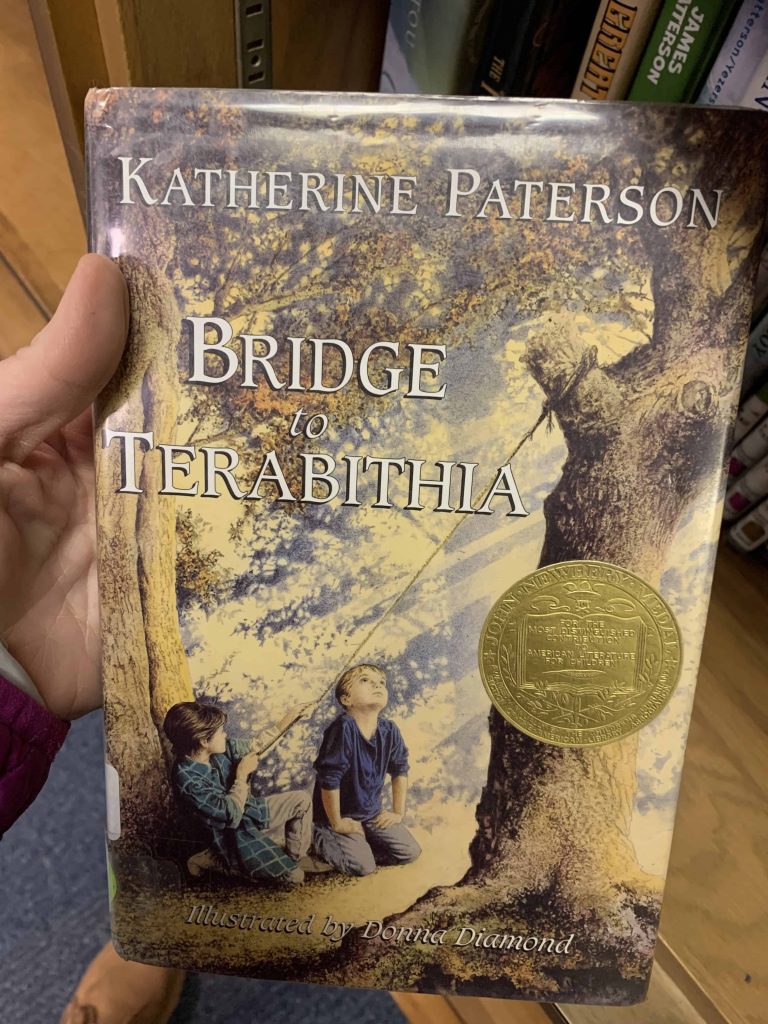
10. “Bridge to Terabithia” by Katherine Paterson – A touching story about an unlikely friendship and the power of imagination.

11. “Hoot” by Carl Hiaasen – An exciting adventure with themes of environmental preservation and standing up for what’s right.

12. “The Hobbit” by J.R.R. Tolkien – The timeless fantasy adventure following a hobbit on an epic journey.

13. “Percy Jackson and the Olympians: The Sea of Monsters” by Rick Riordan – The thrilling second installment of the Percy Jackson series, filled with more adventures and mythological creatures.

14. “Freak the Mighty” by Rodman Philbrick – A moving story about an unforgettable duo, overcoming obstacles, and the power of friendship.

15. “The False Prince” by Jennifer A. Nielsen – A suspenseful tale in which an orphan must choose between his freedom and the kingdom’s future.

16. “A Wrinkle in Time” by Madeleine L’Engle – A timeless novel blending science fiction, adventure, and the power of love.

17. “Diary of a Wimpy Kid” by Jeff Kinney – A humorous look into the life of middle schooler Greg Heffley as he faces many relatable challenges.

18. “The Chronicles of Narnia: The Lion, The Witch, and The Wardrobe” by C.S. Lewis – A beloved fantasy novel transporting readers to a magical world filled with unforgettable characters.

These teacher-recommended books are sure to engage middle school boys in reading while covering a variety of genres and themes. Encourage your adolescent reader to explore these captivating stories and discover the joy of reading!

22 Google Classroom Activities for Middle School

Introduction:

Google Classroom has become an essential tool for educators in today’s digital age, offering countless opportunities to engage and educate students in middle school. Here are 22 exciting and innovative activities that you can incorporate into your Google Classroom to make learning more interactive and fun for middle schoolers.

1.Virtual Escape Rooms: Design escape rooms with puzzles and riddles related to the curriculum, encouraging students to work collaboratively while enhancing their problem-solving skills.

2.Online Scavenger Hunts: Create a scavenger hunt where students must search the internet for information and resources that align with a specific subject.

3.Webquests: Develop webquests on various topics, allowing students to gain knowledge through online research and real-life application.

4.Multimedia Presentations: Students can create multimedia presentations using Google Slides, integrating images, videos, and audio to showcase their learning.

5.Collaborative Mind Maps: Encourage teamwork by having students collaborate on Google mind maps to explore topics in-depth and understand connections between ideas.

6.Interactive Timelines: Students can create interactive timelines using Google Docs or specialized apps, helping them visualize complicated sequences of events.

7.Video Discussions: Utilize platforms like Flipgrid for students to record and share short videos discussing essential concepts or reflecting on their learning experiences.

8.Blogging: Have students write blog posts in Google Docs, focusing on subjects they’re passionate about or highlighting their progress throughout the year.

9.Quizzes and Surveys: Utilize Google Forms to create quizzes and surveys that monitor comprehension and encourage student feedback.

10.Debate Forums: Set up structured online debate forums where students participate in rigorous discussions about relevant issues using evidence-based reasoning.

11.E-portfolios: Students can use Google Drive to create digital portfolios showcasing their work, achievements, and growth over time.

12.Group Projects: Assign collaborative projects for small groups using Google Docs, encouraging teamwork and the sharing of ideas.

13.STEM Challenges: Share engaging science, technology, engineering, and math challenges that students can complete individually or in groups.

14.Literature Circles: Divide students into discussion groups to explore and analyze various texts on Google Classroom, enhancing their reading comprehension and critical thinking skills.

15.Peer Editing Sessions: Students can collaborate on editing one another’s work using Google Docs’ commenting feature for improved writing skills.

16.Art Showcases: Encourage artistic expression by having students submit digital art files or photographs of physical art for virtual showcases.

17.Online Pen Pals: Connect with a partner classroom in a different geographic region – international or domestic – for students to exchange information about their cultures using Google Hangouts or Gmail.

18.Podcasts: Students can create podcasts individually or in groups, focusing on topics of their choosing, such as current events or book reviews.

19.Virtual Field Trips: Use Google Earth and other online resources to take students on virtual field trips, exploring different locations and cultures worldwide.

20.Coding Activities: Integrate coding challenges for middle schoolers using platforms like Scratch or Code.org while incorporating computational thinking into the curriculum.

21.Differentiation Stations: Create learning stations with personalized activities addressing individual student needs, promoting a diverse learning environment.

22.Reflective Journals: Have students maintain digital reflective journals in Google Docs throughout the course for self-assessment and goal-setting opportunities.

Conclusion:

By incorporating these 22 activities into your Google Classroom, you’ll foster a dynamic and engaging middle school learning environment that encourages collaboration and supports every student’s unique needs. Embrace the power of technology to transform education and inspire your middle school learners today!

20 Interesting Middle School Electives

Middle school is often a time of exploration and experimentation as students discover new interests. One way for them to explore is through elective courses. These classes offer students an opportunity to delve into subjects that are not part of the core curriculum, allowing them to develop their skills and passions outside of traditional academic subjects. Here are 20 interesting middle school electives that can help spark a lifelong love of learning.

1. Creative Writing: This course encourages students to express themselves through poetry, short stories, and other written forms while also teaching the fundamental techniques of writing.

2. Drama: A drama elective gives students the chance to act, direct, write plays, and explore various theatrical styles.

3. Journalism: Students learn about reporting, news writing, interviewing skills, and the ethics of journalism as they work on creating their own newspaper or online news source.

4. Robotics: In this hands-on course, students learn the basics of programming and engineering as they build robots to complete tasks or compete in competitions.

5. Cooking: This culinary arts elective teaches basic cooking techniques, nutrition education, and meal planning to help promote healthy habits.

6. Environmental Science: This elective explores pressing environmental issues facing our planet and discusses topics such as pollution, climate change, and resource management.

7. Graphic Design: Students learn about visual communication methods using software to create digital artwork for print or online media projects.

8. Public Speaking: In this course, students hone their speech-making abilities by giving presentations on various topics and receiving feedback from classmates and their instructor.

9. World Languages: Learning a new language can boost brain development and open doors to other cultures—options like Spanish, French, German or Mandarin expose students to different parts of the world.

10. Art Appreciation: Students explore various art forms throughout history while creating their own projects using different techniques like painting or sculpture.

11. Digital Media Production: Students learn to create digital content, such as video and audio projects, podcasts, and websites.

12. Band: An elective designed for aspiring musicians to learn a new instrument and enhance their musical skills through practice and performances.

13. Entrepreneurship: This class teaches students about starting a business, marketing, and other aspects of entrepreneurship by helping them create their own small-scale ventures.

14. Astronomy: Students explore the wonders of the universe by studying stars, galaxies, planets, and the history of space exploration.

15. Marine Biology: This elective dives into ocean ecosystems, marine life, and conservation efforts while occasionally participating in field trips to local marine habitats.

16. Chess Club: Through learning how to play chess, students gain critical thinking skills and participate in friendly competitions with fellow classmates.

17. Computer Programming: Students explore different programming languages like Python or Java while working on their own coding projects or designing simple video games.

18. Photography: An introduction to the basics of photographic composition allows students to develop their creative eye through both traditional film processing methods and digital technology.

19. Mythology: From ancient Greek gods to Norse legends, students explore different mythological stories from cultures worldwide that have impacted art, literature, and history.

20. Community Service & Leadership: Students learn about volunteering opportunities within their community while developing leadership skills that encourage civic responsibility and teamwork.

These electives give middle school students the chance to develop new interests or feed existing passions. By offering diverse course options tailored to different needs, schools can help students find a passion that motivates them for years to come.

25 Great Middle School Newscast Ideas

1. Interview a school administrator – Explore their goals and challenges for the school, as well as the techniques they use to engage students effectively.

2. Student of the Week – Recognize students who excel academically, athletically, or in other areas. Interview them and gather perspectives from their teachers and peers.

3. School events calendar – Provide an overview of interesting school events, including plays, contests, dances, and sports games.

4. Weather forecast – Report the local weather forecast, allowing viewers to prepare for the day ahead.

5. School history – Delve into the history of your middle school by interviewing long-serving staff members or digging through archives to present interesting stories from the past.

6. Fun Friday quiz – Engage students with trivia based on a wide range of topics, like science, geography, books, or popular culture.

7. Spotlight on clubs and activities – Highlight an extracurricular club or activity each week to provide exposure and potentially recruit new members.

8. DIY projects – Share do-it-yourself ideas to inspire creativity among students.

9. Positivity corner – Share uplifting stories on acts of kindness within the school community.

10. Lunchbox recipes – Provide nutritious and tasty lunch box ideas for students.

11. Green initiatives – Raise environmental awareness by showcasing school initiatives such as recycling programs or eco-friendly clubs and activities.

12. Teacher feature – Interview a different teacher each week about their academic background, teaching philosophy, and hobbies outside of school.

13. Science experiments – Demonstrate a safe yet exciting science experiment that piques student curiosity while promoting STEM subjects.

14. Reading recommendations – Suggest age-appropriate books for middle schoolers to expand their horizons in literature.

15. Sports highlights – Share memorable moments from recent interschool sports matches.

16. Art showcase – Display artwork by talented middle school artists and offer tips for creative inspiration and techniques.

17. Career talks – Invite professionals from various fields to speak about their careers, giving students insights into different professions.

18. School safety tips – Educate students on steps they can take to stay safe within the school environment.

19. Study tips – Share techniques and advice for effective studying and time management.

20. Anti-bullying campaign – Highlight the importance of standing up against bullying with interviews and tips on how students can support their peers.

21. Community service projects – Report on volunteer initiatives in which middle school students are participating.

22. Student opinions poll – Gauge student opinions on current issues, popular culture, or school matters by conducting polls and presenting the results.

23. Campus tour – Offer a guided virtual tour of the school campus to new students or those interested in joining the school in the future.

24. Movie reviews – Review age-appropriate movies that middle schoolers may be interested in watching.

25. Languages and cultures corner – Promote cultural understanding by introducing a different language or cultural celebration every week, including facts, customs, or traditional foods.

20 Entertaining Bell Ringers for Middle School

Introduction:

Middle schoolers tend to be a lively and energetic bunch. Engaging them from the moment they step into the classroom is crucial in setting the tone for the rest of the day. That’s where bell ringers come in handy! These are quick activities designed to get students’ attention and transition them into learning mode. Here are 20 entertaining bell ringers for middle school students that teachers can use to kickstart their lessons.

1. Word Scramble:

Write scrambled words on the board related to the day’s lesson. Have students unscramble them as they settle in.

2. “What’s Wrong?”:

Display a picture or statement with an obvious error. Students must spot and correct it.

3. Flash Fiction:

Project a random image on the screen and ask students to write a brief story about it in five minutes.

4. Quick Quiz:

Give students a short, content-related quiz to review previous material or introduce new concepts subtly.

5. Journal Entry:

Provide a thought-provoking prompt for students to write about in their journals for five minutes.

6. Two Truths and a Lie:

Have a student share three statements about themselves, two being true and one false. The class must guess which is the lie.

7. Mind Mapping:

Write a central theme or topic on the board, then have students brainstorm related ideas and create a visual map displaying those connections.

8. Class Debate:

Pose a controversial or open-ended question, then divide the class into two groups with opposing views to argue their points briefly.

9. Memory Game:

Show an image with various objects for 30 seconds, then have students list as many objects as they can remember.

10. Silent Gallery Walk:

Display artworks or photographs around the classroom, and have students silently walk around, writing observations or questions on sticky notes to place near each image.

11. Fill-in-the-Blank:

Read a passage from a relevant text with missing words, and ask students to fill in the blanks.

12. Human Bingo:

Create a bingo card with personality traits, hobbies, or experiences, and have students mingle to find classmates to complete their cards.

13. “What’s Next?”:

Project a short video clip or scene from a story and pause it at a dramatic moment, asking students to predict what happens next.

14. Math Puzzles:

Present challenging math puzzles for students to solve based on the grade level and curriculum.

15. Emoji Emotions:

Write a list of emotions in random order on the board, then challenge students to illustrate them using only emojis.

16. Trivia Time:

Ask random trivia questions related to the subject material or current events.

17. Group Storytelling:

Begin narrating a story and stop at an unexpected point, then ask students to continue it one sentence at a time in popcorn-style.

18. Illustration Interpretation:

Give students a detailed illustration or image with no context, then have them guess its purpose or narrative.

19. Would You Rather?:

Present two difficult choices related to subject matter and have students discuss which option they would choose and why.

20. Silent Ball:

Have students toss around a soft ball silently while maintaining complete silence. Set challenges like getting everyone seated before starting.

Conclusion:

Bell ringers are excellent tools for getting middle schoolers engaged, energized, and ready for the day’s lessons. By utilizing these 20 entertaining activities, teachers can ensure that their students are focused and prepared for a productive learning experience.